


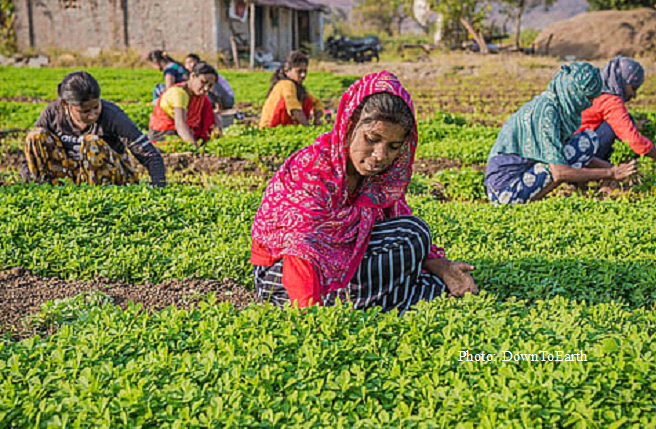
 Now that India can see its farms, what next?” />
 Missing measure in India’s magnet mission” />
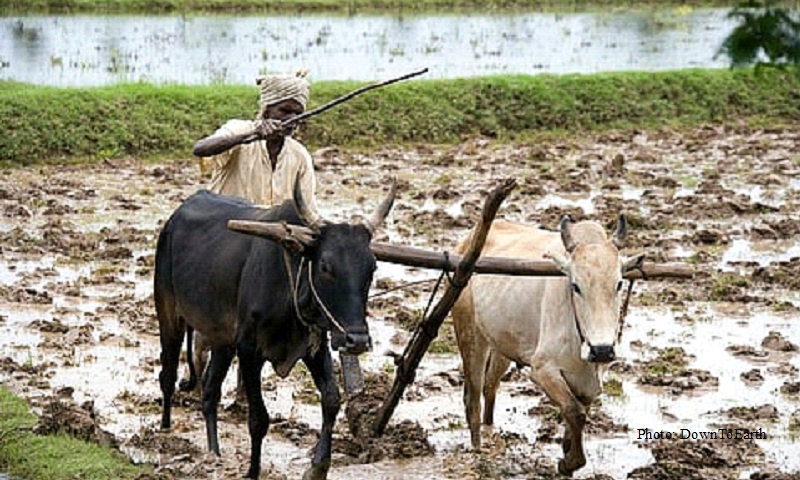 India needs a human- and farmer-centred model of agricultural AI” />
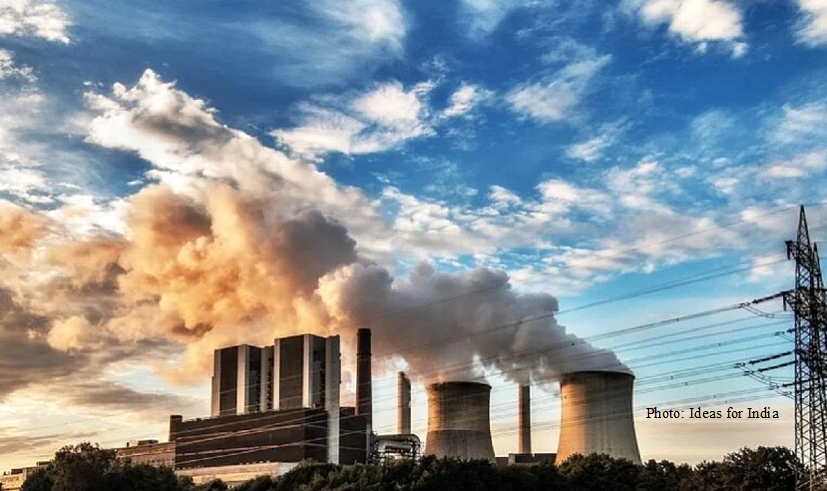 Will CBAM undercut gains from the India-EU trade pact?” />
 Neet’s digital transition must be matched by equal access to technology” />

Research Studies
Take a look at our
Ongoing Research
View More

Ongoing May 2026
Subscription-based Platforms: Designing payouts for social welfare in the States Platform Workers Welfare Board

Ongoing May 2026
Comprehensive Digital Financial Strategy for a Viksit Bharat: The Sustainable Way
Ongoing March 2026
Overall Economic, Social and Environmental Impacts Created by the Initiatives of GMR Foundation in Rajam Region
Ongoing December 2025
Economic Survey 2025-26, Uttarakhand

Ongoing December 2025
Structural Reform and Policy Credibility: Private Sector Mobilisation for Green Transition in India
Ongoing July 2025
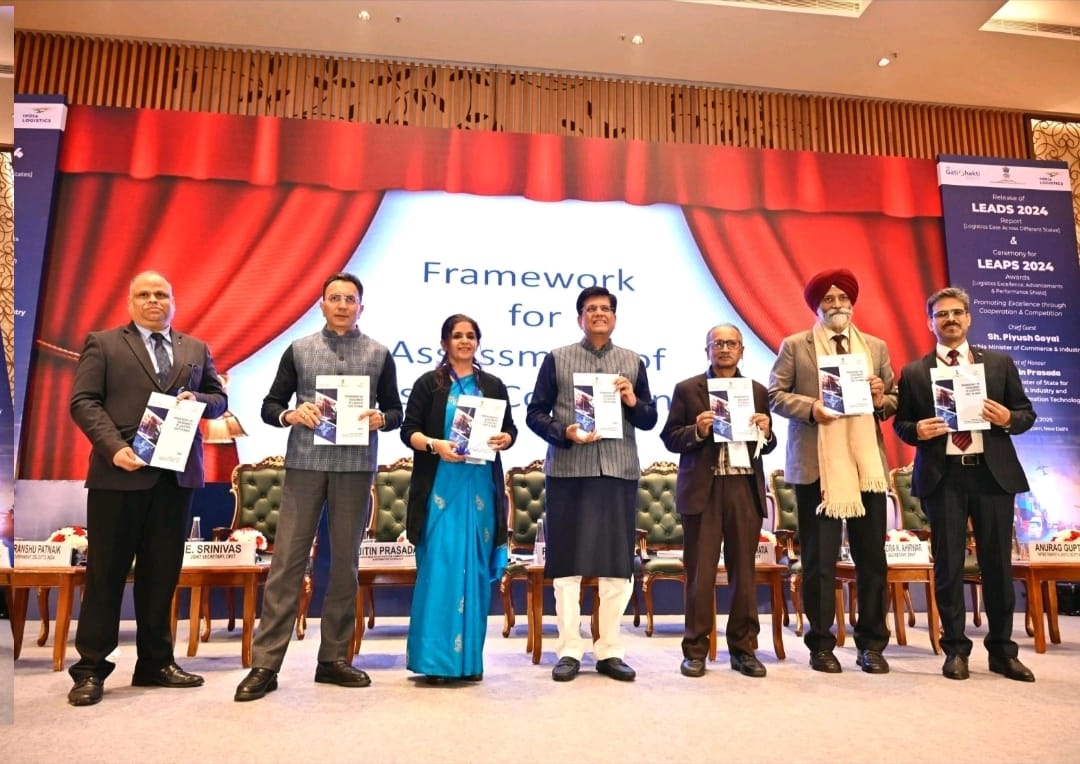
Assessment of Logistics Cost in India
Op-Eds
Some of our
Op-Eds
View More
Strengthening institutions of state-level fiscal federalism
Saurabh Bandyopadhyay
Restoring sanity in airport privatisation bidding
Kumar V. Pratap
Create the right digital ecosystem for children
Dibyasree Ganguly & Garima Agarwal
Now that India can see its farms, what next?
Saurabh Bandyopadhyay
Missing measure in India’s magnet mission
Suvajit Banerjee, Sovini Mondal & others
Let’s financially equip gig workers
C S Mohapatra & Depannita Ghosh

Publications
Read our
Publications
View More
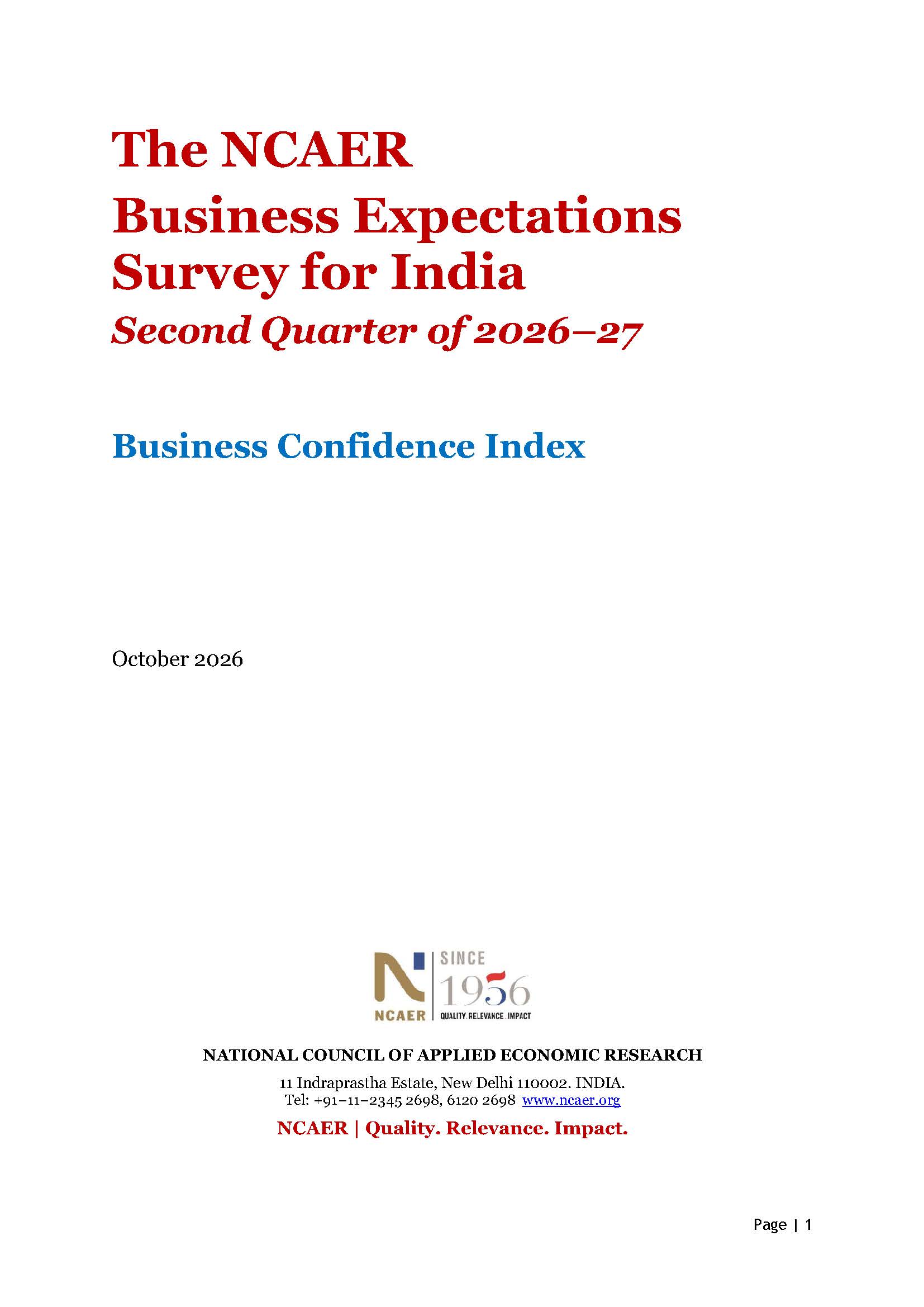
The NCAER Business Expectations Survey for India Second Quarter 2026–27
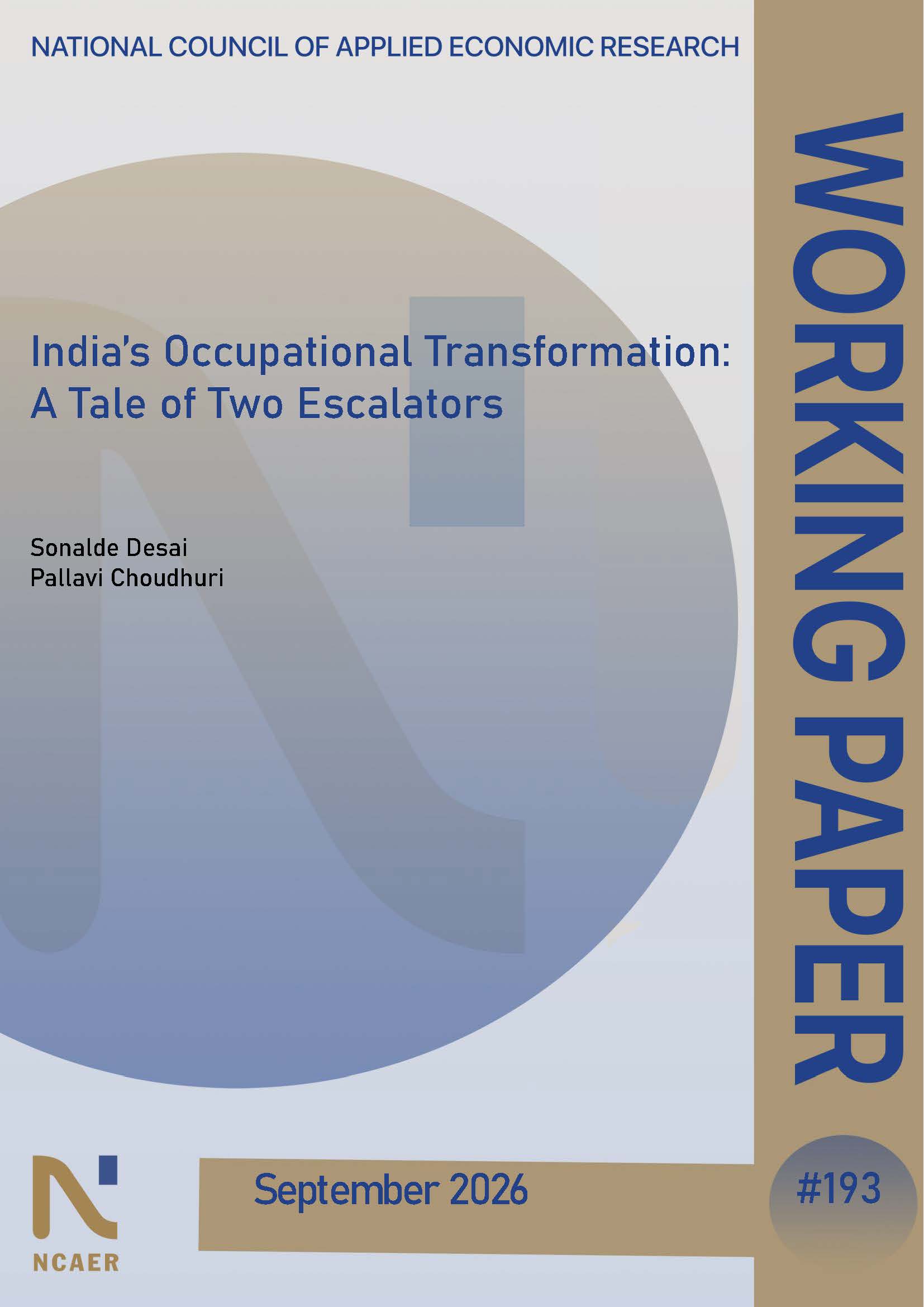
India’s Occupational Transformation: A Tale of Two Escalators
India’s rapid expansion in higher education has coincided with stagnant growth in skilled, white-collar jobs, leading to hyper-competition and underemployment…

NCAER News: September 2026
NCAER News is a monthly digest where you can learn about NCAER’s research outputs, its latest events, and offerings.