


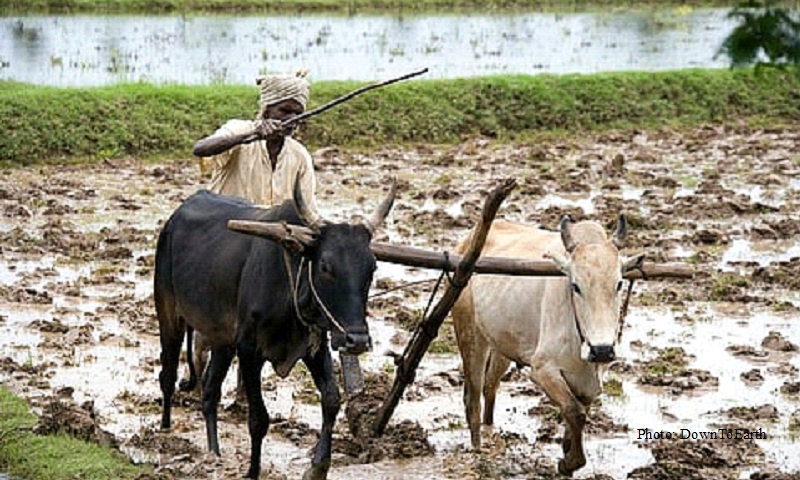
 India needs a human- and farmer-centred model of agricultural AI” />
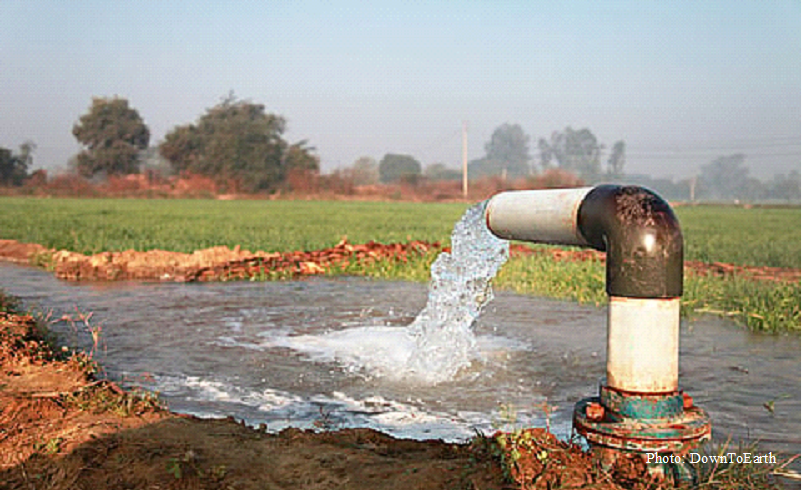 When El Niño hits the farm, inflation follows: Why irrigation matters for rural resilience” />
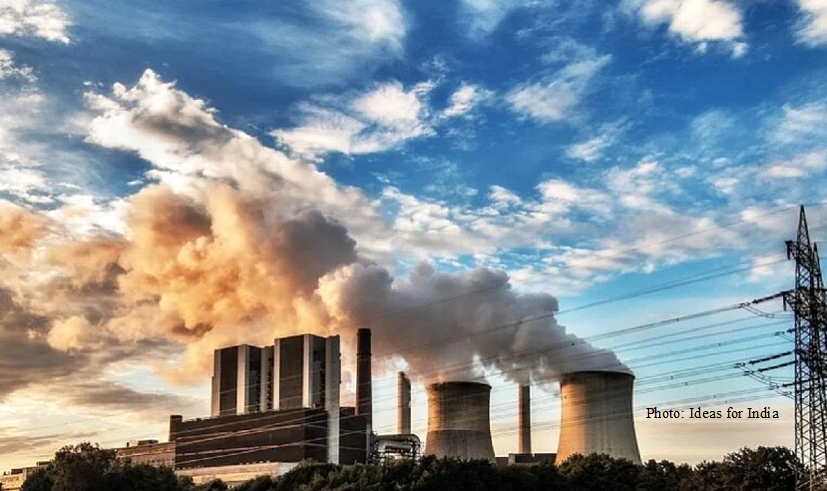 Will CBAM undercut gains from the India-EU trade pact?” />
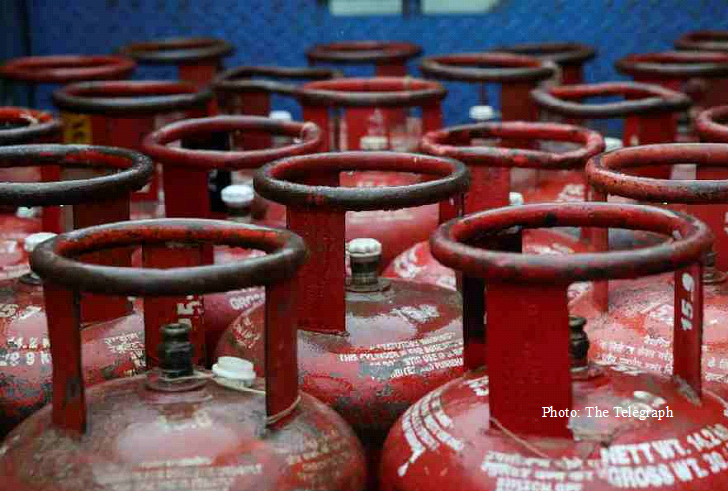 Smoky hearths” />
 Neet’s digital transition must be matched by equal access to technology” />

Research Studies
Take a look at our
Ongoing Research
View More

Ongoing May 2026
Subscription-based Platforms: Designing payouts for social welfare in the States Platform Workers Welfare Board

Ongoing May 2026
Comprehensive Digital Financial Strategy for a Viksit Bharat: The Sustainable Way
Ongoing March 2026
Overall Economic, Social and Environmental Impacts Created by the Initiatives of GMR Foundation in Rajam Region
Ongoing December 2025
Economic Survey 2025-26, Uttarakhand

Ongoing December 2025
Structural Reform and Policy Credibility: Private Sector Mobilisation for Green Transition in India
Ongoing July 2025
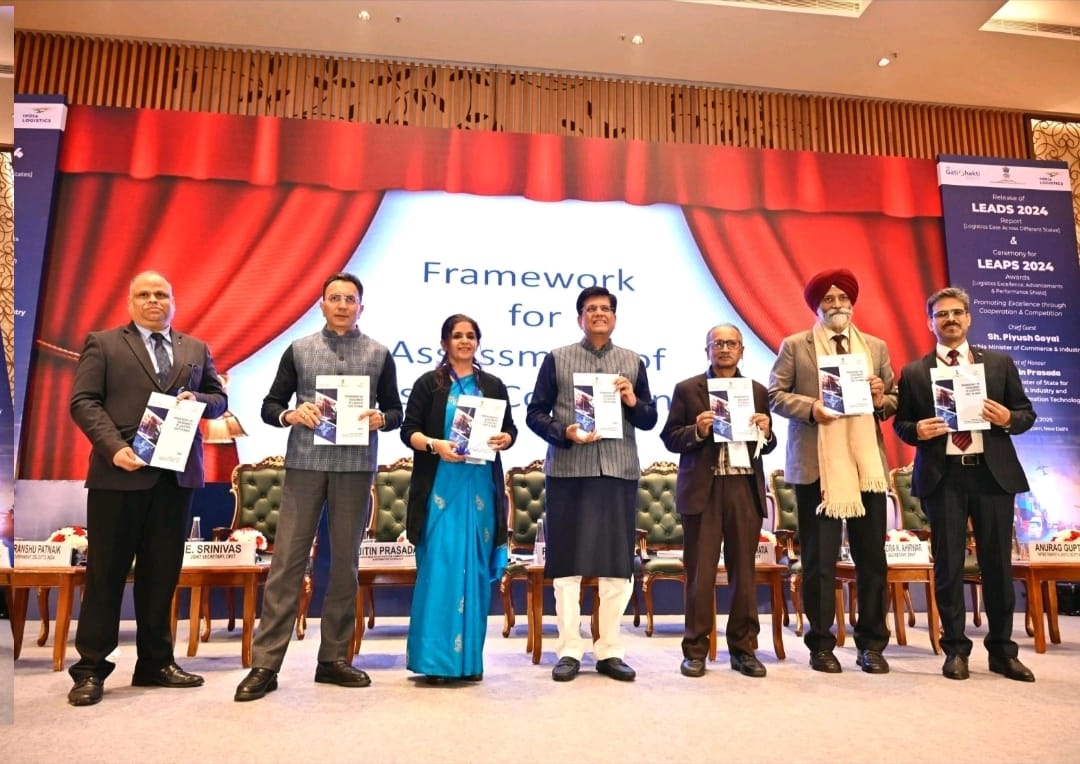
Assessment of Logistics Cost in India
Op-Eds
Some of our
Op-Eds
View More
Missing measure in India’s magnet mission
Suvajit Banerjee, Sovini Mondal & others
Let’s financially equip gig workers
C S Mohapatra & Depannita Ghosh
Are we seeing a turnaround in infrastructure investment?
Kumar V. Pratap
India’s E20 transition needs to look beyond the engine
Sanjib Pohit & Sovini Mondal
Growth gains must widen
Saurabh Bandyopadhyay
India needs a human- and farmer-centred model of agricultural AI
Saurabh Bandyopadhyay

Publications
Read our
Publications
View More
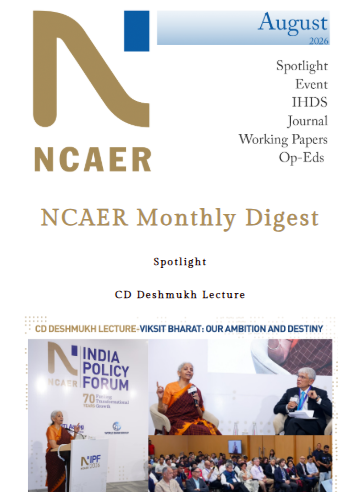
NCAER News: August 2026
NCAER News is a monthly digest where you can learn about NCAER’s research outputs, its latest events, and offerings.
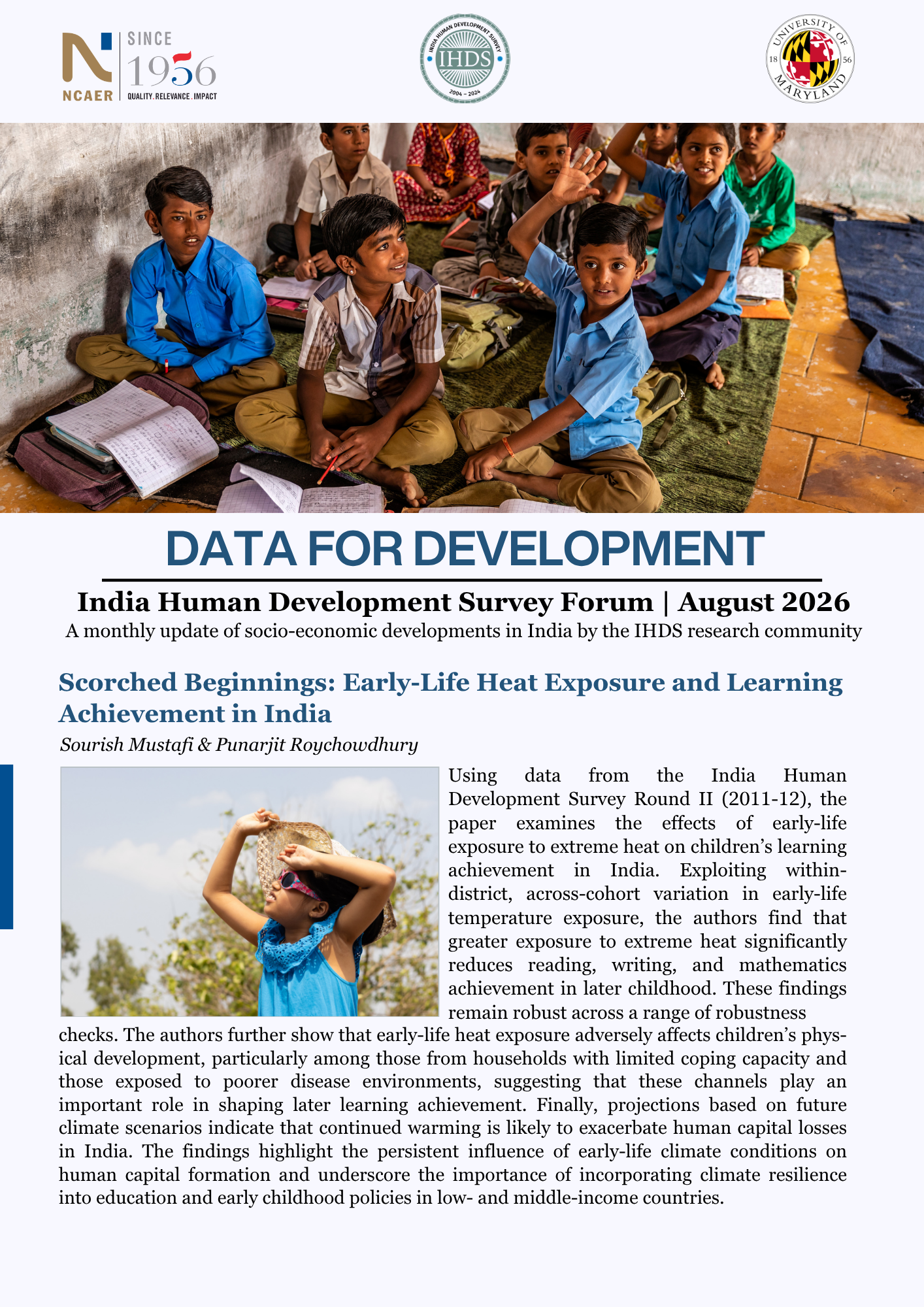
India Human Development Survey: August 2026
The IHDS Forum is a monthly update of socio-economic developments in India by the IHDS research community, based on the…
Advancing Women’s Digital Financial Inclusion in the Platform Economy
Globally and in India, the platform economy has emerged as a rapidly growing engine of employment. However, women are under-represented…