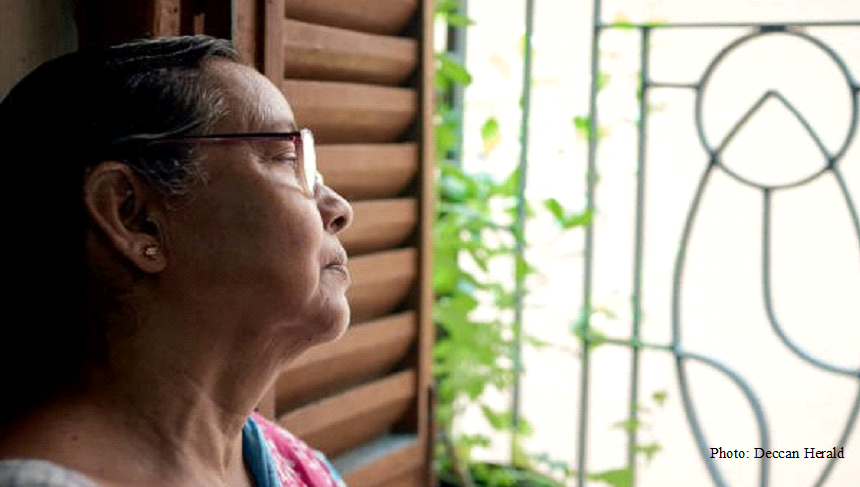
Urbanisation, migration, and changing aspirations often leave older adults to navigate their later years with greater independence but also, at times, greater isolation.
India stands at a quiet but significant turning point in how it understands ageing. For generations, the joint family system served as the backbone of elderly care, offering not just physical support but also emotional security and a sense of belonging. Today, however, that structure is steadily evolving. Urbanisation, migration, and changing aspirations have reshaped family life, often leaving older adults to navigate their later years with greater independence but also, at times, greater isolation.
This transition has not gone unnoticed. Recent policy initiatives signal a growing recognition that the well-being of senior citizens must be treated as a national priority.
The Ministry of Social Justice and Empowerment is implementing an umbrella scheme, namely Atal Vayo Abhyudaya Yojana (AVYAY). Under AVYAY and its Integrated Programme for Senior Citizens, the government currently supports hundreds of facilities aimed at providing shelter, healthcare, and social engagement for elderly citizens. Complementing these efforts, the Union Budget 2026-27 announced a plan to train 1.5 lakh caregivers within a year through programmes aligned with the National Skills Qualifications Framework (NSQF). Such initiatives reflect a growing recognition that as India’s elderly population expands, organised systems of caregiving and assisted living will become increasingly important.
Yet, policy alone cannot address the deeper social realities of ageing. Evidence increasingly shows that a significant proportion of elderly individuals now live either alone or only with their spouse. While such arrangements may offer autonomy, they can also lead to loneliness, reduced social interaction, and limited access to immediate care during emergencies. In this context, the question is how society must respond to ensure dignity and well-being in old age.
This is where old age homes and assisted living facilities enter the conversation, often reluctantly. In India, these institutions continue to carry a heavy social stigma, commonly associated with abandonment or familial failure. However, this perception deserves careful re-examination. When thoughtfully designed, such spaces can provide community, companionship, and a renewed sense of purpose.
Ageing is not merely a medical condition – it is a social experience. For many elderly individuals, the absence of daily interaction can be as challenging as any physical ailment. In contrast, well-run residential facilities create vibrant social environments with group activities, cultural events, and shared routines. Whether it is participating in yoga sessions, attending film screenings, or engaging in conversations with peers, these interactions play a crucial role in maintaining emotional and psychological well-being.
Moreover, structured living can significantly enhance the quality of life. Regular meals, assistance with daily tasks, and access to healthcare services provide a sense of stability that is often difficult to achieve when living alone. Such environments can also encourage continued engagement with society.
From shame to dignity
This perspective invites a broader rethinking of ageing itself. Rather than viewing the elderly as dependents, it is possible to see them as a social dividend – a reservoir of experience, knowledge, and wisdom. Interactions between older adults and younger generations, through community programmes or school visits, can strengthen social bonds, promote mutual understanding and turn ageing into a period of continued participation rather than withdrawal.
For this vision to take root, a dual transformation is required – both in infrastructure and in mindset. Institutional care must evolve beyond basic shelter to become holistic centres that integrate healthcare, recreation, and social engagement. At the same time, the care economy needs sustained investment in trained professionals, fair wages, and supportive working conditions.
Equally important is the need to shift public perception. Choosing to live in an aged care facility should not be seen as a sign of neglect, but as one of many legitimate ways to ensure comfort and companionship. Just as younger generations seek independence in their living arrangements, older individuals should also have the freedom to choose environments that best support their needs.
India’s demographic journey makes this conversation urgent. As the population ages, the country must expand its understanding of social security to include not only financial support but also emotional and community-based care. Old age homes, when reimagined, can become an integral part of this framework – spaces where dignity is preserved, relationships are nurtured, and life continues with meaning.
Moving from shame to dignity is not just about redefining institutions; it is about redefining values. It requires acknowledging that the final years of life deserve the same care, respect, and fulfilment as every other stage. In doing so, India has the opportunity to transform ageing from a narrative of decline into one of continued connection and grace.
Palash is a fellow, and Madhura is a consultant at the National Council of Applied Economic Research, NCAER, New Delhi. Views are personal.