
 Events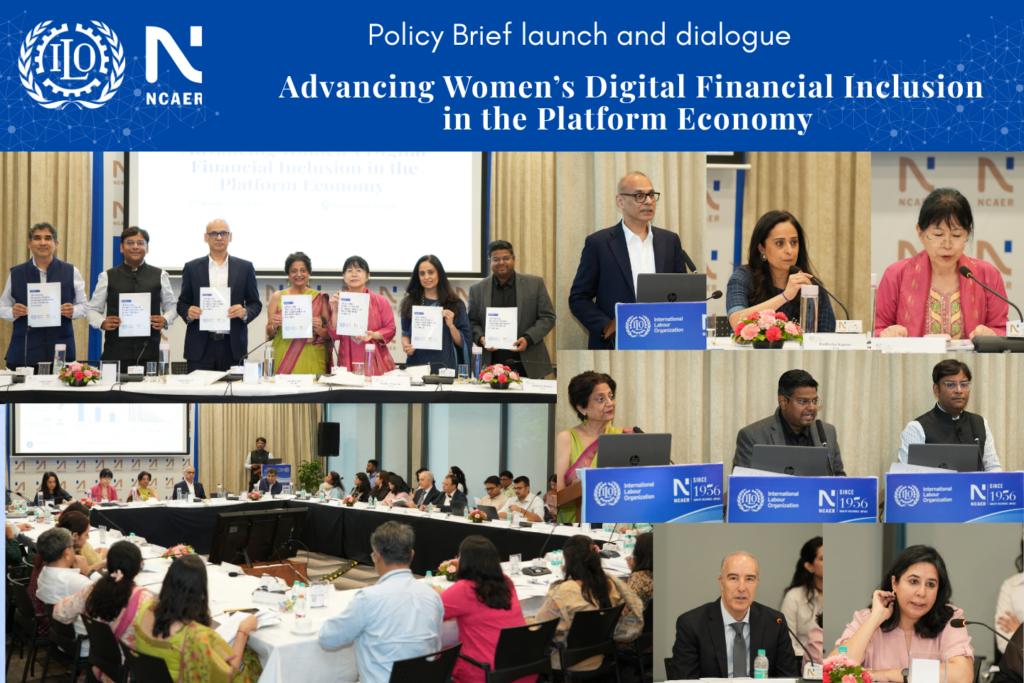
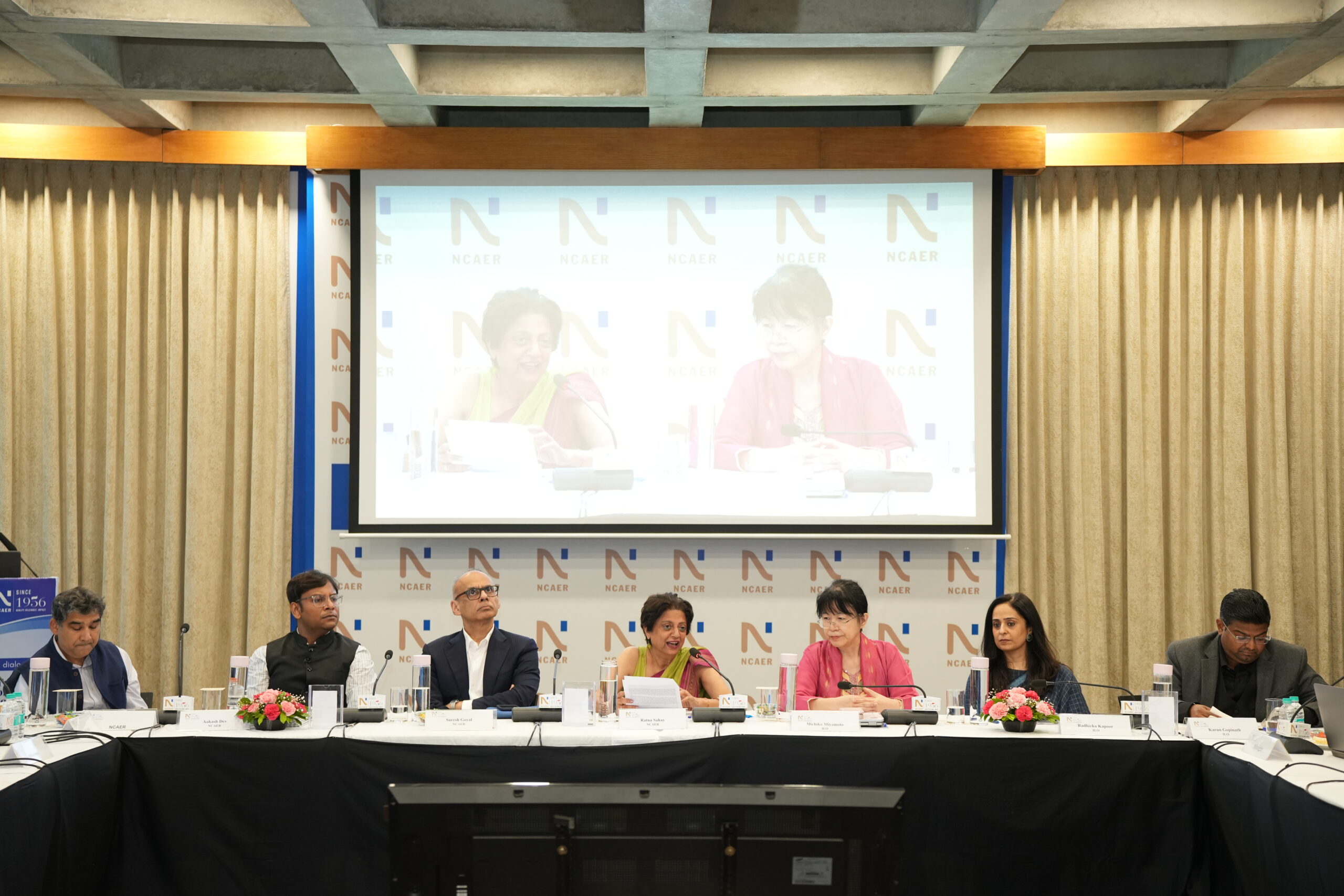
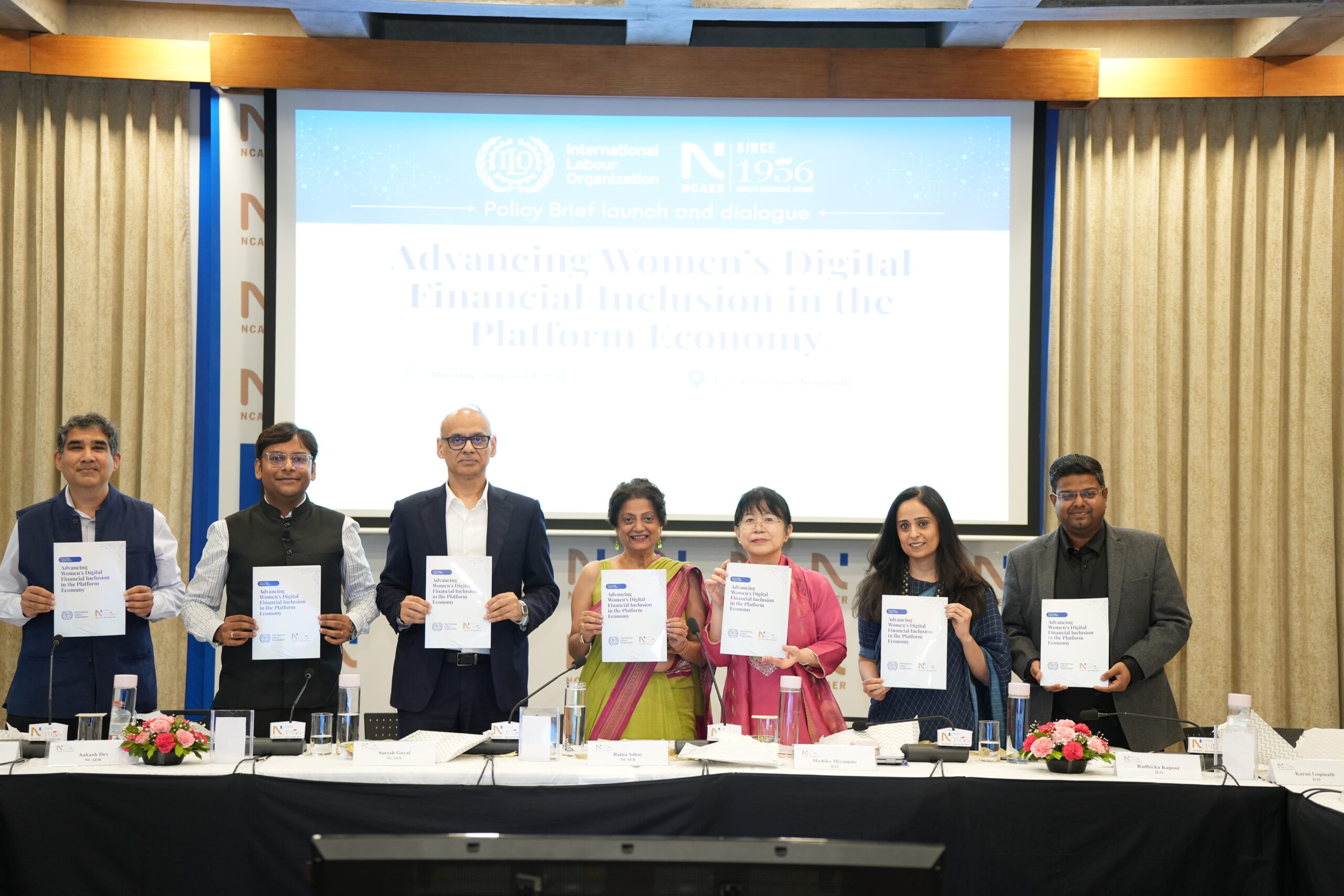
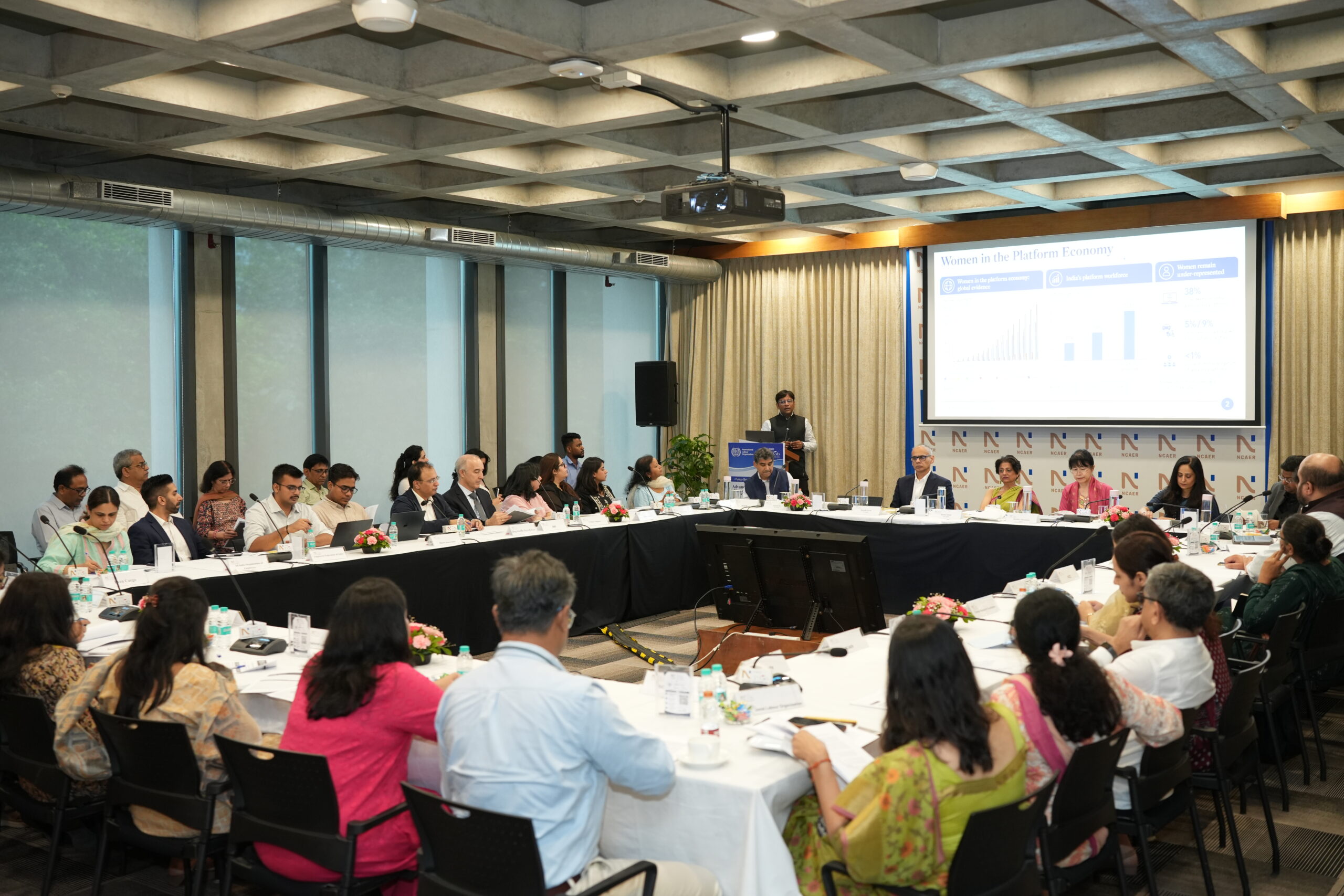
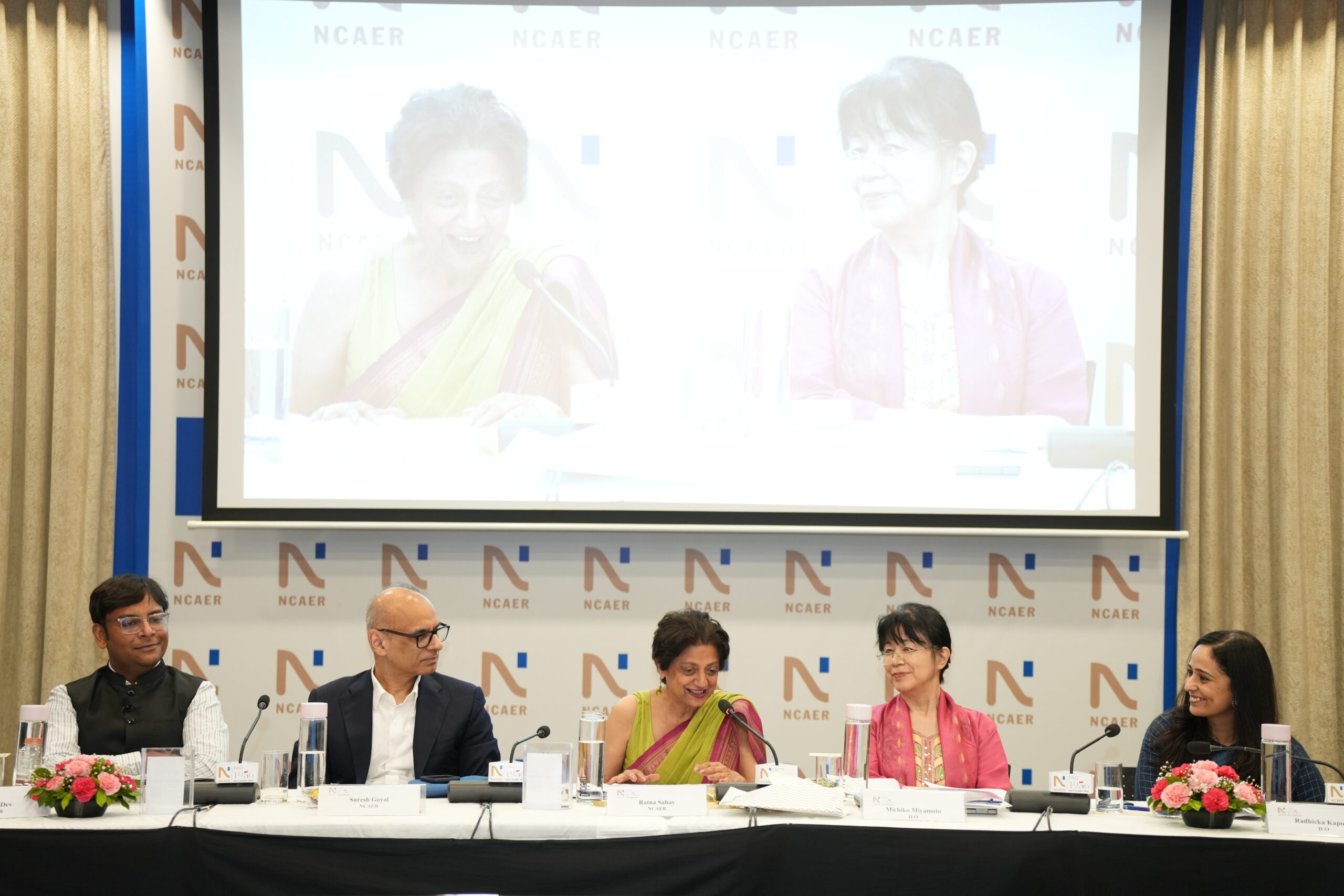
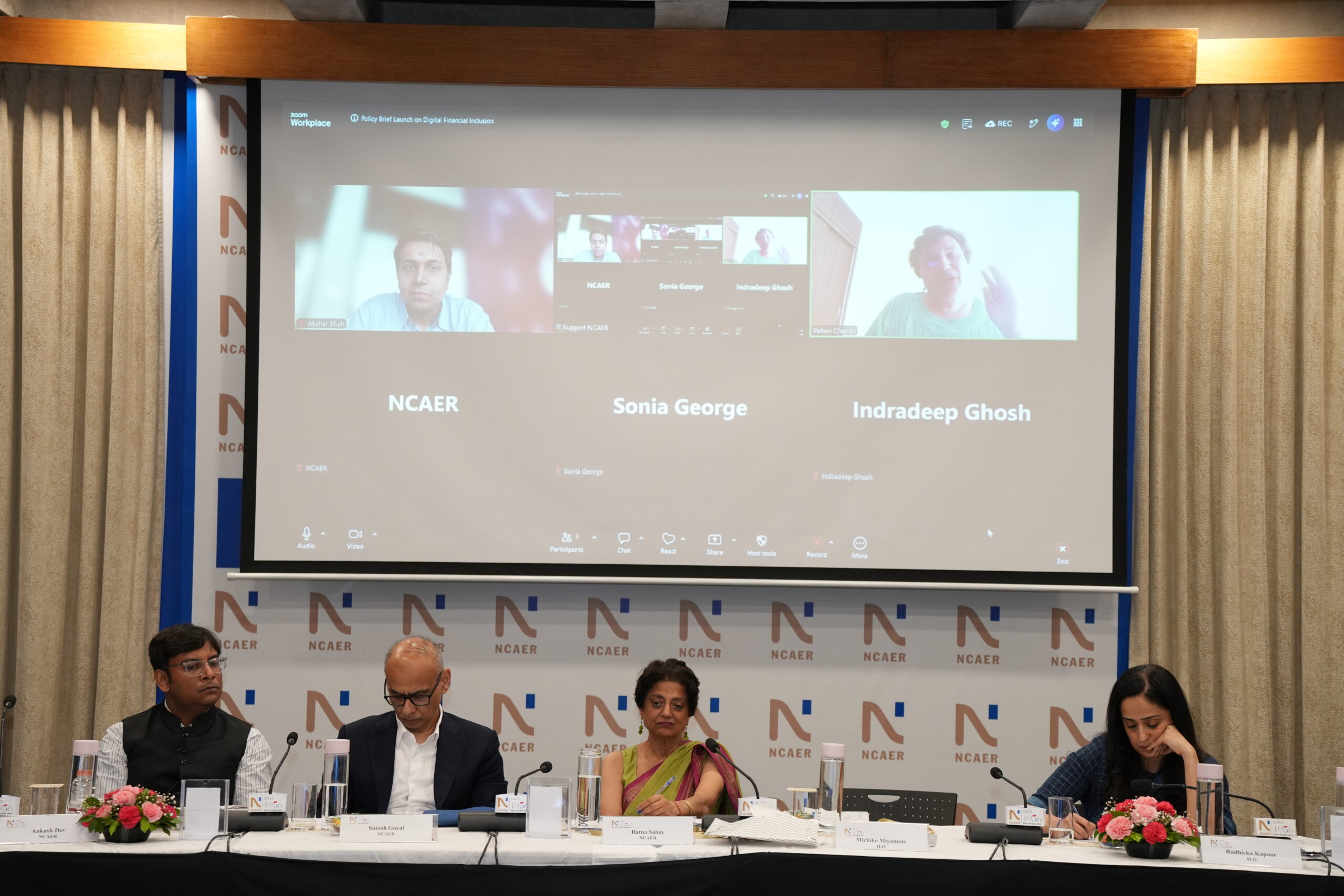
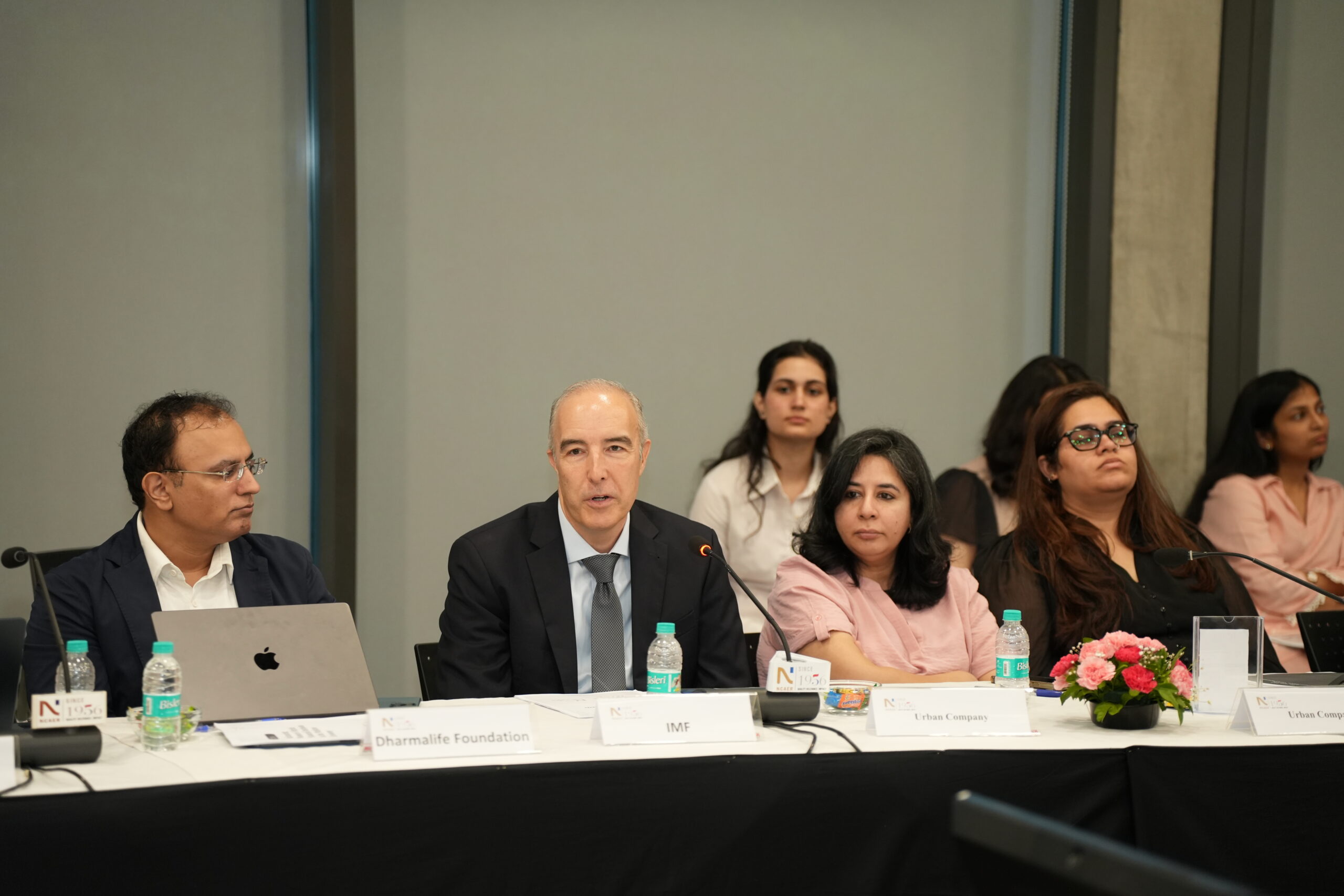
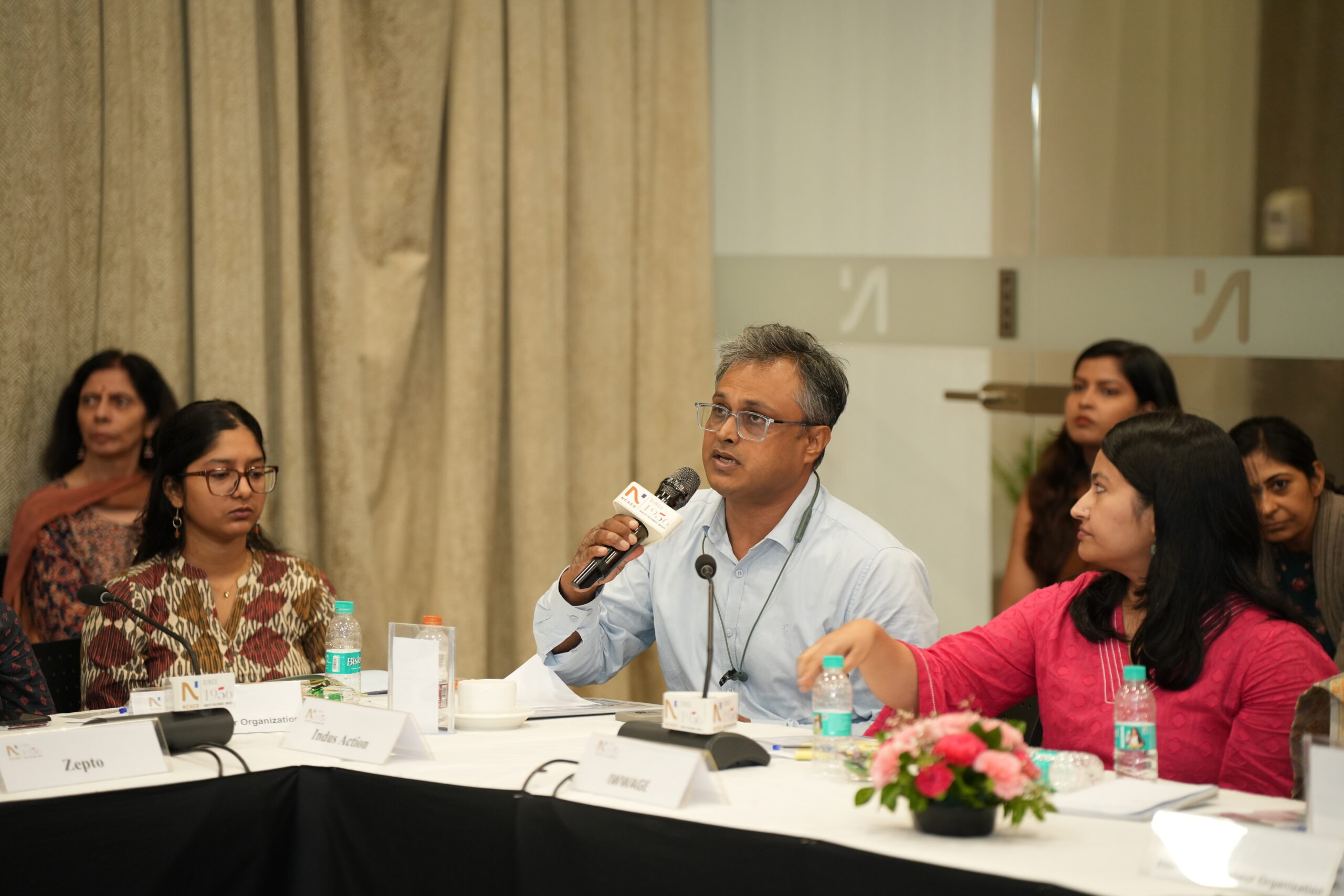
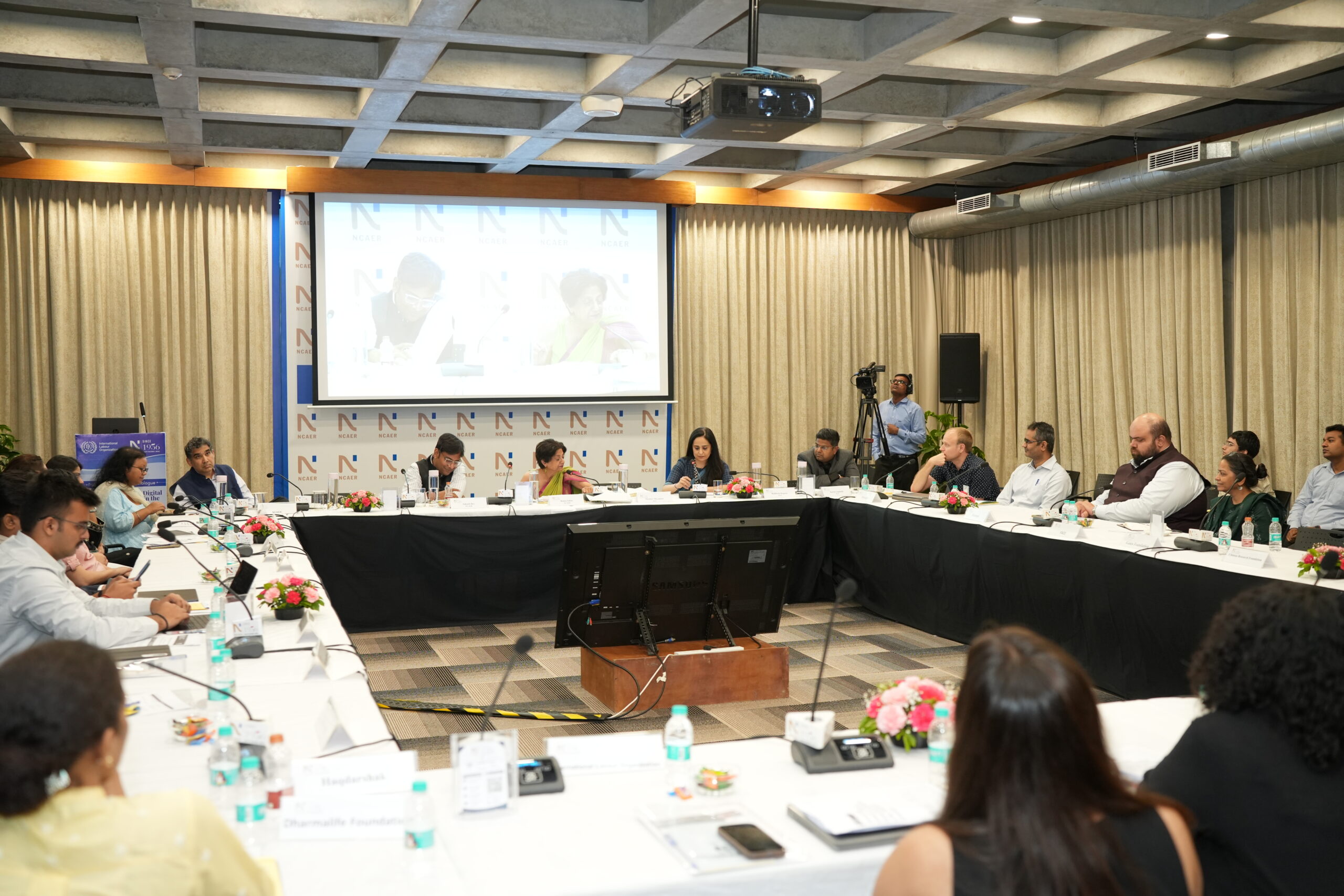
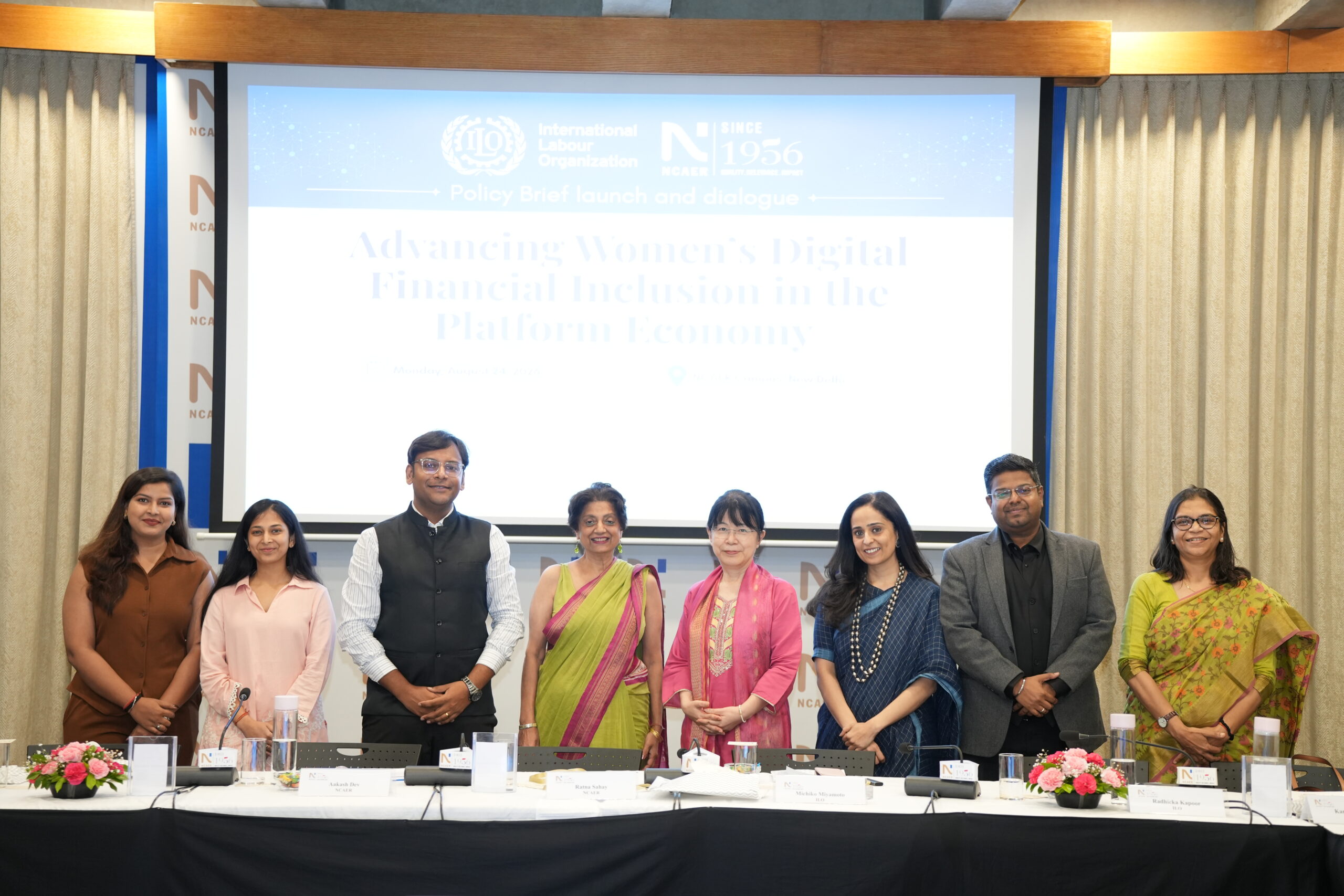
NCAER, in collaboration with the International Labour Organization (ILO), co-hosted a policy dialogue at NCAER on 24 August 2026 to launch their joint policy brief on advancing women’s digital financial inclusion in India’s platform economy and discuss its key findings and recommendations. The research for the policy brief was undertaken by the Centre for Gender and Macroeconomy (CGM) at NCAER, in collaboration with the ILO. The event brought together government officials, regulators, digital platform companies, financial service providers, worker organisations, and researchers to discuss policy insights from the brief.
The central premise of the discussion was to reiterate the mandate that women need to be provided targeted financial services and appropriate safeguards to meaningfully participate in the growing gig economy while simultaneously being able to build secure and resilient livelihoods for themselves. It also sought to identify pathways for expanding access for women platform workers to affordable financial services, including payments, savings, credit, insurance, and social protection, using platform-generated earnings records and India’s digital public infrastructure. The speakers also focused on how India’s digital public infrastructure (DPI), platform-generated data, and financial innovations can be responsibly leveraged to expand women’s economic opportunities by enabling them to enter, continue, and progress in India’ platform economy, thereby strengthening decent-work outcomes for them.
The policy brief launched at the event argues that Digital Financial Inclusion (DFI) is a critical enabler for advancing decent work in the platform economy, where decent work means not just access to platform-mediated work for remuneration or payment but also productive work that delivers improved earnings, economic stability, and adequate social protection. Consequently, women need the full gamut of financial services across their journey on the platform: start-up capital to enter, short-term credit and insurance to withstand income and health shocks, and a combination of savings, credit, and planning tools to thrive and advance. Running through all three stages is the need for social protection.
For women platform workers, the shift from asset-based lending to cash-flow-based underwriting is among the more consequential levers for expanding financial inclusion. The latter assesses repayment capacity from a borrower’s income stream rather than from tangible assets offered as security. This is particularly important for women, who are far less likely to hold land or property in their own name. When a woman takes up platform work, she begins generating a verifiable digital record of completed gigs and payment deposits. This provides the income evidence that cash-flow-based underwriting relies on, allowing a lender to assess her capacity to repay from what she earns rather than from property she is unlikely to own.