
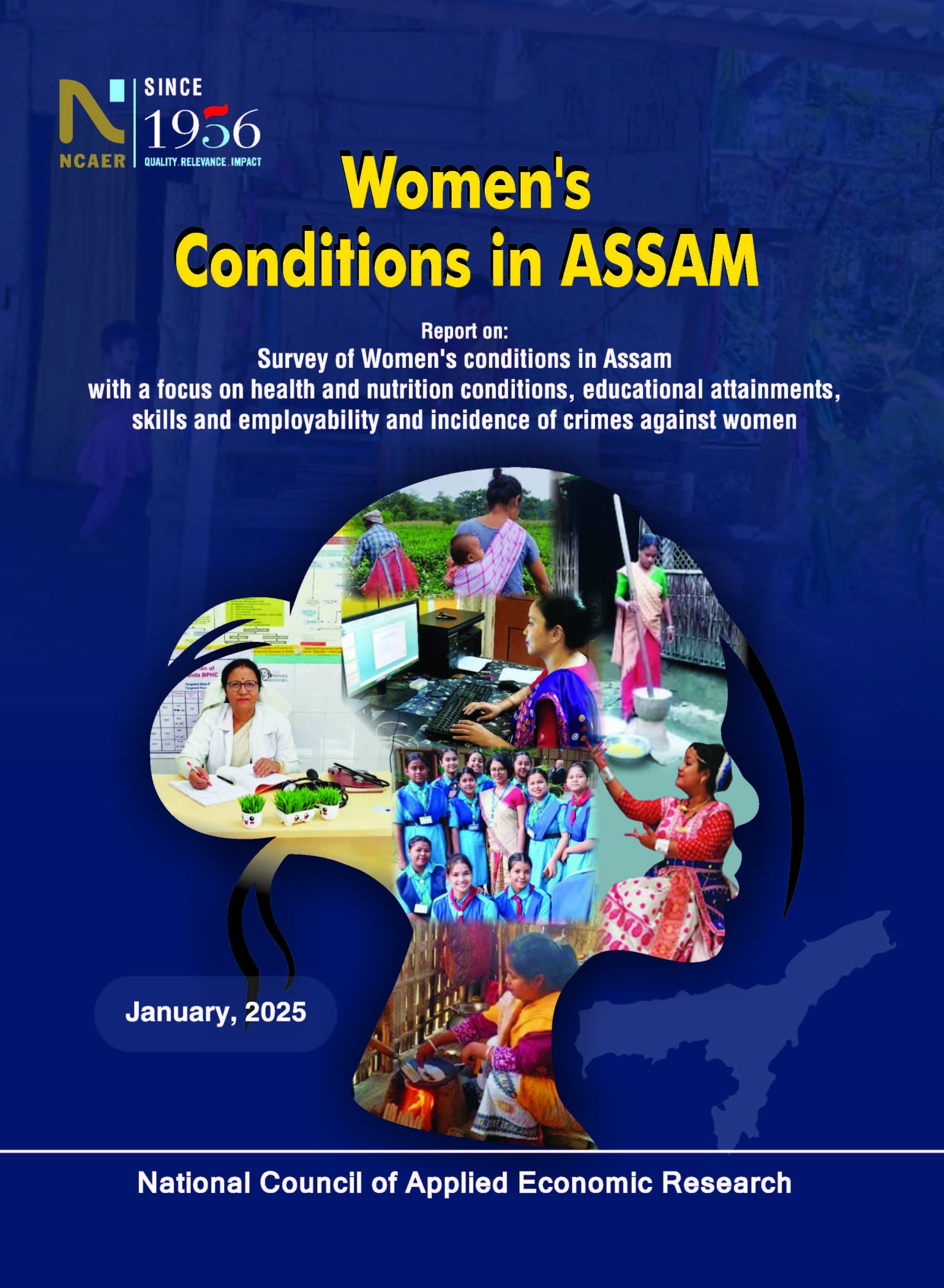
A unique showcase of diversities in numerous forms, Assam is a ‘landlocked’ state, sharing its borders with Arunachal Pradesh, Nagaland, Manipur, Mizoram, Tripura, Meghalaya, West Bengal, Bhutan, and Bangladesh. With 2,276.3 kilometers (km) of interstate borders and 529 km of international borders, Assam’s border areas are physically remote, offering limited connectivity and economic opportunities for its residents. The state is a mix of hills and plains, containing 31 administrative districts. The indigenous people of Assam are composed of a number of ethnic communities and tribes in the plains and the hills. Though traditionally marked by conservatism, Assamese society has been relatively free from many inhibitions, as found in other states of India. The absence of a dowry system and purdah system are some of the important features of Assamese society. Unlike other Indian states, Assamese widows are not subject to restrictions on their food, clothing, or other necessities. However, Assamese women, like women from other parts of the world, are not completely free from discrimination and exclusion.