 On 7th September 2024, the 8th Foundation Day of the Investor Education and Protection Fund Authority (IEPFA) was celebrated with an Annual Conference at the PPES Campus in Anupshahr, Uttar Pradesh. The conference, focused on the theme “Role of Financial Education in Promoting Investor Awareness and Protection,” was organized in collaboration with the National Council of Applied Economic Research (NCAER) and Pardada Pardadi Educational Society (PPES), Anupshahr. The Annual conference addressed a gathering of over 500 girl students and teachers, aiming to highlight the importance of financial education as a means to empower investors and protect their interests, especially in rural and semi-urban areas.
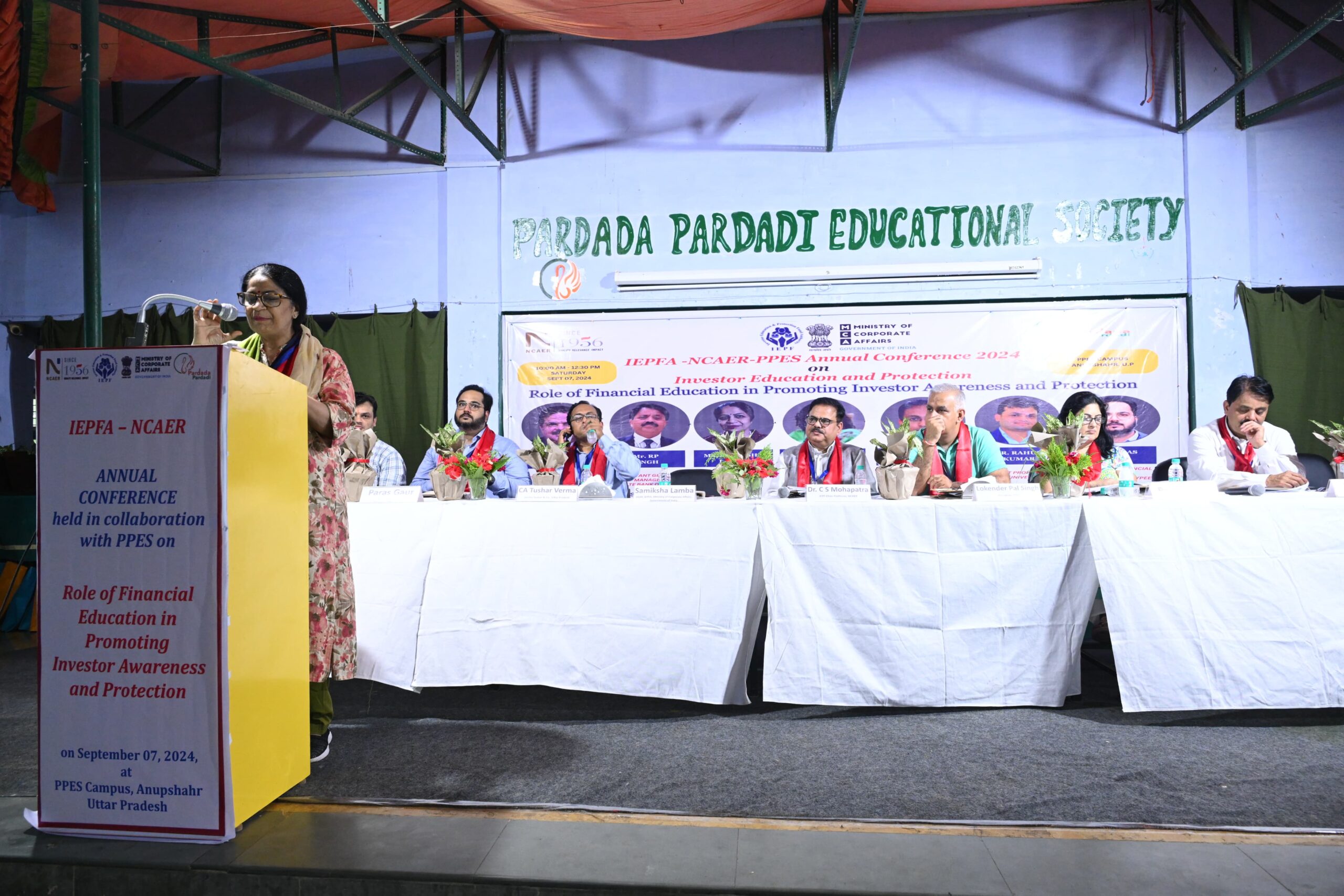 The event commenced with an inaugural ceremony featuring the lighting of the lamp by the dignitaries. Mr. Krishna Kumar Sharma, Principal of PPES, extended his gratitude to the esteemed guests and participants. Mr. Lokender Pal Singh, President of PPES emphasized the significance of promoting financial literacy in rural regions, aligning with PPES’s mission to uplift the rural population, particularly women and girls, through education and empowerment.
Prominent speakers at the event included Ms. Samiksha Lamba, Deputy General Manager, IEPFA, Ministry of Corporate Affairs; Mr. R.P. Singh, Assistant General Manager, State Bank of India; CA Tushar Verma, Chartered Accountant, Verma Tushar & Co.; Dr. Rahul Kumar, Assistant Professor, Jaypee University; and Mr. Paras Gaur, Chartered Financial Analyst and Deputy Registrar, Jaypee University. Each speaker shared their valuable insights on the critical role that financial education plays in promoting investor awareness and protection, particularly in today’s increasingly complex financial environment.
The Keynote message by Ms. Anita Shah Akella, CEO of IEPFA and Joint Secretary at the Ministry of Corporate Affairs, Government of India commended the progress made by IEPFA in protecting investors through various initiatives, including refunding unclaimed dividends, debentures, and shares. She underscored the importance of financial education in ensuring that investors are not only aware of their rights but are also capable of making informed decisions. According to her, IEPFA’s investor awareness programmes have been instrumental in bridging the knowledge gap, especially in rural areas.
 The session on “Role of Financial Education in Promoting Investor Awareness and Protection” was moderated by Dr. C. S. Mohapatra, IEPF Chair Professor at NCAER. Dr. Mohapatra discussed the critical role financial literacy plays in the modern economy, particularly in safeguarding investors from financial risks and fraud. He pointed out that an informed investor is a protected investor, and the collective efforts of stakeholders like IEPFA, NCAER, and PPES are pivotal in achieving widespread financial education.
Ms. Samiksha Lamba, Deputy General Manager of IEPFA, Ministry of Corporate Affairs, reiterated the Authority’s commitment to promoting financial literacy. She elaborated on various initiatives undertaken by IEPFA, including workshops and awareness programmes, that have significantly contributed to increasing financial inclusion across different strata of society.
Dr. Rahul Kumar, Assistant Professor of Faculty of Management & Commerce at Jaypee University, shared insights from his research on financial literacy and its correlation with investor behaviour. He stressed the need for tailored financial education programmes that cater to the needs of different demographic groups, particularly in rural areas where access to financial services remains limited.
Mr. Paras Gaur, Chartered Financial Analyst and Deputy Registrar at Jaypee University, discussed the technical aspects of financial education, focusing on investment strategies, risk management, and the importance of long-term financial planning. He highlighted the need for investors to be equipped with the right tools and knowledge to navigate the complex financial landscape.
Mr. R.P. Singh, Assistant General Manager of State Bank of India, shared the perspective of the banking sector, pointing out how financial literacy can lead to better utilization of banking services, thereby fostering economic growth. He also emphasized the importance of responsible borrowing and saving, which are key components of financial security.
CA Tushar Verma of Verma Tushar & Co. discussed the legal and regulatory frameworks that protect investors. He urged the participants to stay informed about the changing financial regulations and explained how a strong understanding of these frameworks could help in preventing financial fraud and ensuring compliance.
The Annual Conference was followed by the Annual Half Marathon “Niveshak Mashal” to promote Financial Literacy and Investor Awareness in collaboration with the Investor Education and Protection Fund Authority (IEPFA), the National Council of Applied Economic Research (NCAER) and Pardada Pardadi Educational Society (PPES). The marathon, held at the PPES Campus in Anupshahr, saw enthusiastic participation from over 4,500 individuals, including students from more than 45 schools and local community members.
The event, flagged off by Chief Guest Ms. Anita Shah Akella, CEO of IEPFA and Joint Secretary at the Ministry of Corporate Affairs, featured multiple race categories—Half Marathon, 10KM, and 5KM—creating an inclusive platform for people from all walks of life to unite in spreading the message of financial education. This initiative highlighted IEPFA’s ongoing commitment to reaching diverse communities and promoting financial literacy through innovative methods, fostering a culture of informed financial decision-making across India.
The other eminent guests of the Marathon were Dr. C.S. Mohapatra, IEPF Chair Professor and Ms. Sushma Singh, Athlete and Mr. Atul Kumar, Block Pramukh, Anupshahr. Dr C.S. Mohapatra motivated the gathering through his intervention and encouraged each participant to become the “Niveshak ki Mashal” and spread the message of financial literacy and importance of Investor Awareness further in a multiplier effect.
The Annual Conference cum Annual Half Marathon focused on the importance of financial education in rural and semi-urban areas, challenges in reaching underserved populations, and strategies to bolster financial literacy across the nation. The conference underscored the crucial role that financial literacy plays in building a more informed and secure investor base, ultimately contributing to investor protection and economic empowerment.
These initiatives, organised as part of the 8th Foundation Day celebrations of IEPFA, exemplify the unwavering commitment of IEPF Chair Unit at NCAER to spreading financial literacy and ensuring investor awareness at every level of society.


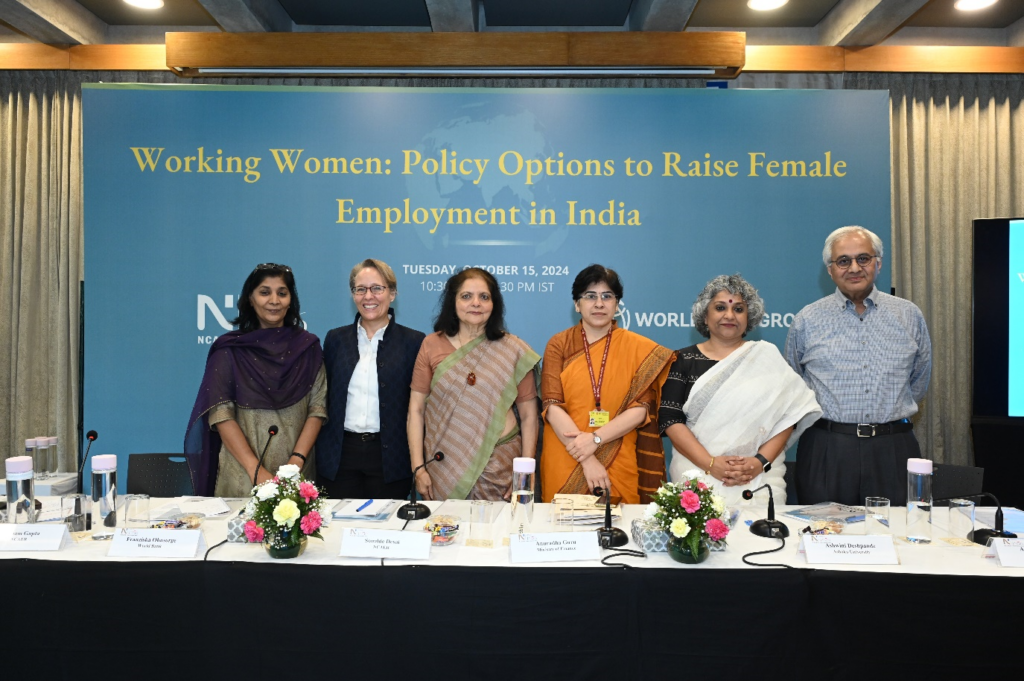
 In her opening remarks, Dr Gupta said, “We need to target institutional and societal causes creating the gender gap in employment, while simultaneously making it easier, safer, remunerative, and professionally rewarding for women to join the workforce and for their families and communities to support these decisions.”
 Citing the just released report, Ohnsorge said if women worked in as productive jobs as men, the GDP in South Asian region could go up by upto 51% and that no single measure could achieve any major increase in women in employment. Calling South Asia, particularly India, a bright spot, she said growth could be much higher if the untapped potential of women is unlocked.
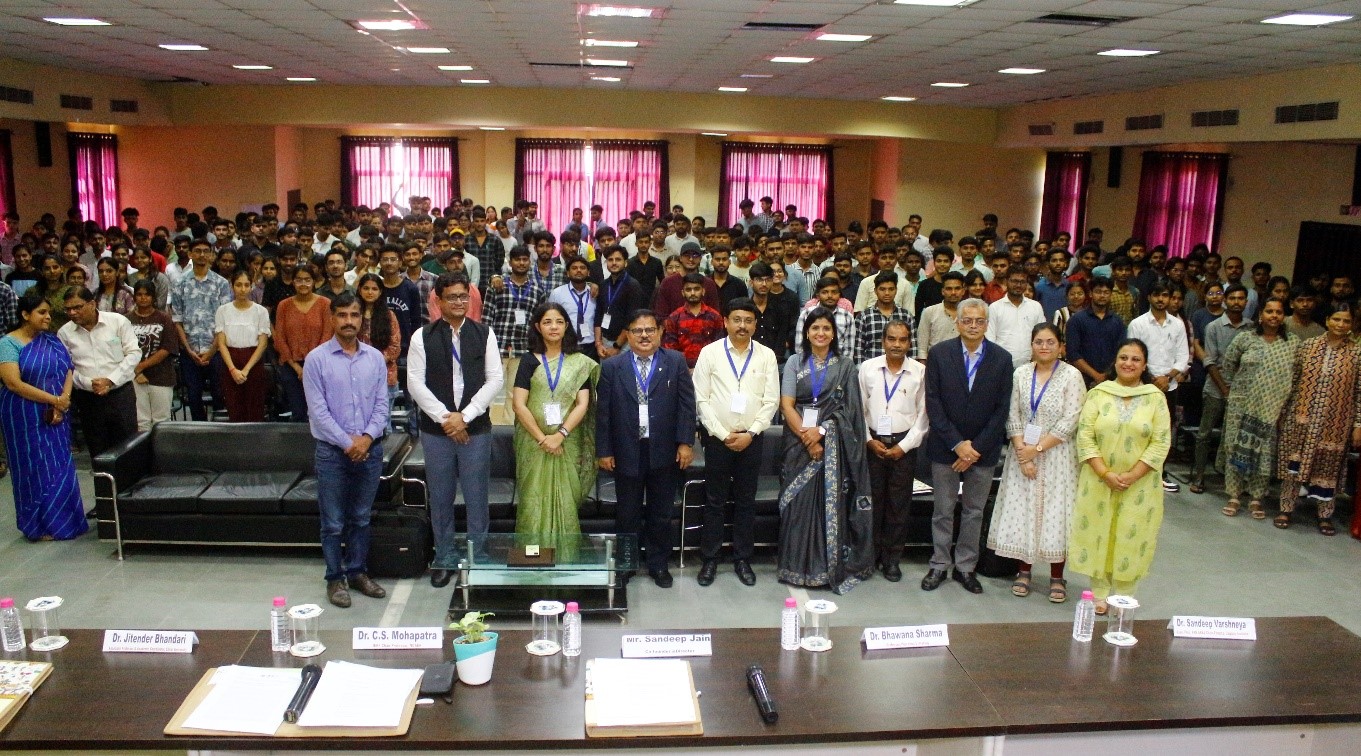 The Investor Education and Protection Fund Authority (IEPFA), in collaboration with the National Council of Applied Economic Research (NCAER) and Jagan Nath University, Jaipur, hosted a workshop focused on “Widening Financial Inclusivity: Role of Investor Education and Protection in the Modern Era.” The workshop aimed to highlight the pivotal role of financial literacy in enhancing inclusivity and protecting investors in today’s rapidly evolving financial landscape.
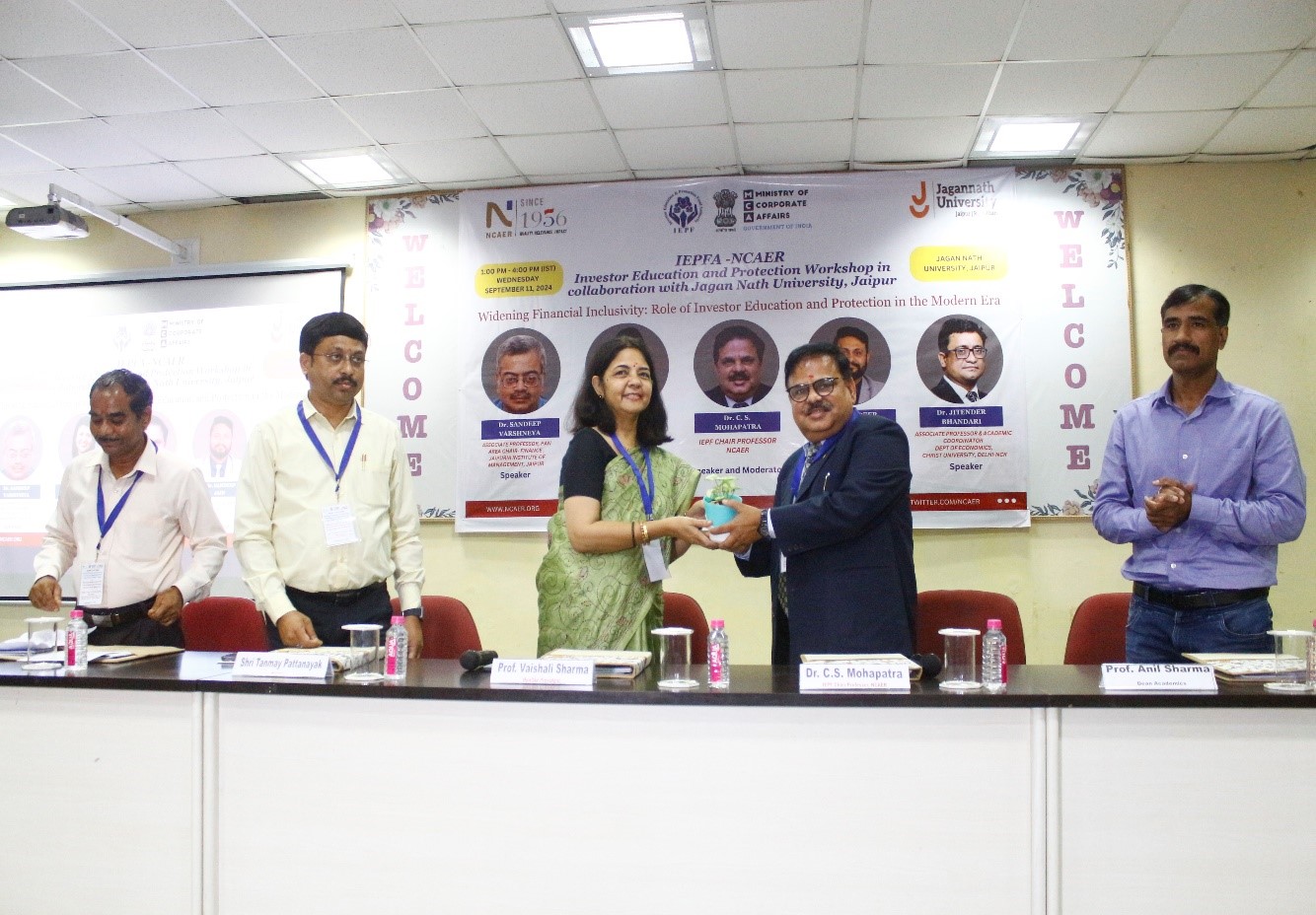 The event featured a distinguished panel of speakers, including Dr. C.S. Mohapatra, IEPF Chair Professor at NCAER as the Moderator and Speaker; Dr. Jitender Bhandari, Associate Professor and Academic Coordinator, Dept. of Economics, Christ University, Delhi-NCR; Dr. Bhawana Sharma, Professor of Finance and Head of Women Cell, Poornima University, Jaipur; Dr. Sandeep Varshneya, Associate Professor and Pan Area Chair – Finance, Jaipuria Institute of Management, Jaipur; and Mr. Sandeep Jain, Financial Market Analyst and Co-founder & Director of Tradeswift Broking Pvt. Ltd. They shared valuable insights on the role of financial literacy as a key driver for empowering individuals. By equipping them with the knowledge to make informed investment decisions and protect themselves from fraud and digital scams, financial education becomes a crucial defense mechanism.
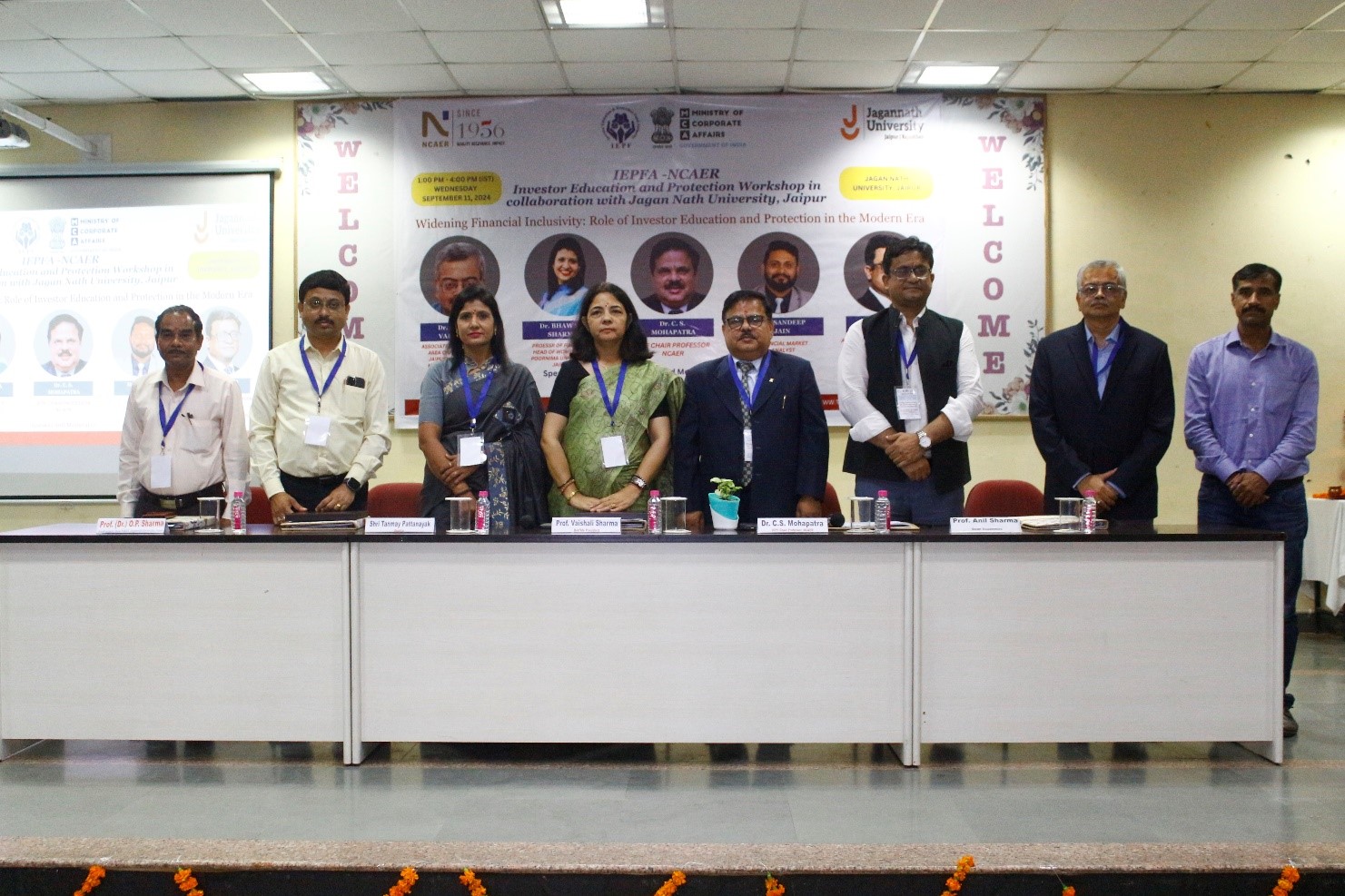 The Workshop was inaugurated by the Welcome address of Shri Tanmay Pattnayak, Registrar of Jagan Nath University, Jaipur and Inaugural address of Prof. (Dr.) Vaishali Sharma, Vice Chancellor of Jagan Nath University, Jaipur. They emphasized the growing importance of educating and empowering individuals with the necessary financial tools to foster inclusivity, especially in semi-urban and rural areas and lauded about the first ever such collaborative event organised in collaboration with IEPFA and NCAER.
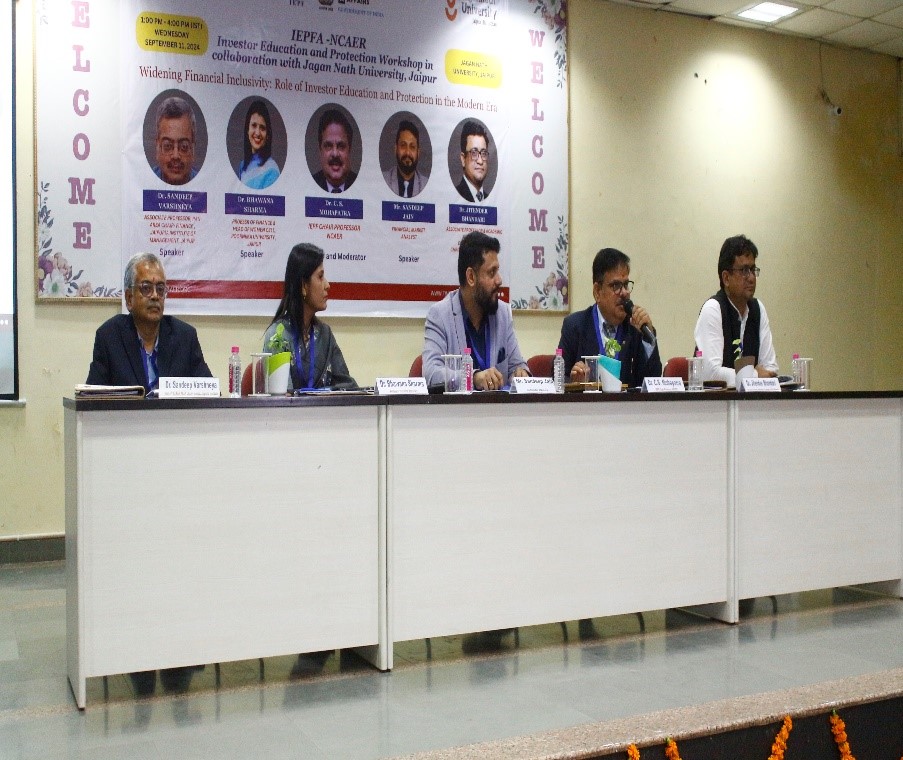 The main highlight of the event was Dr. C.S. Mohapatra, IEPF Chair Professor at NCAER, the moderator for the session, who provided valuable insights into the evolving challenges in investor protection, especially in the digital age. He discussed the critical role that regulatory frameworks and educational institutes must play in mitigating financial risks, highlighting IEPFA’s efforts in ensuring financial security for all citizens.