

Empowering Investors: Financial Literacy as the Key to combat Fraud and Digital Scams
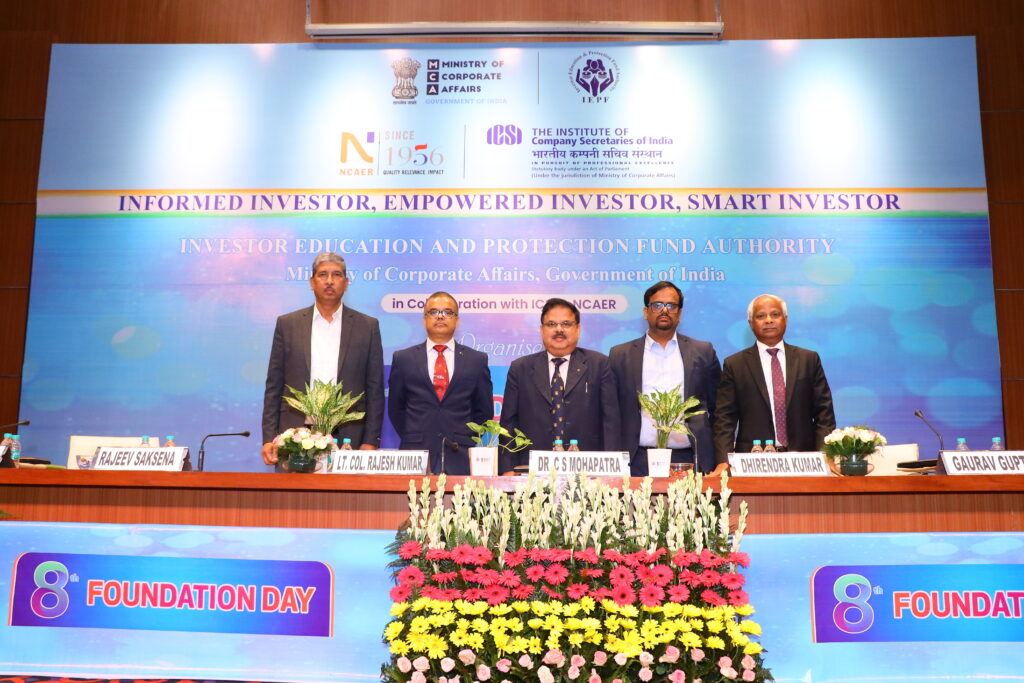 The Investor Education and Protection Fund Authority (IEPFA), under the Ministry of Corporate Affairs marked the celebration of its 8th Foundation Day with a collaborative event alongside the National Council of Applied Economic Research (NCAER), New Delhi and the Institute of Company Secretaries of India (ICSI). The event focused on the theme “Empowering Investors: Financial Literacy as the Key to Combat Fraud and Digital Scams,” emphasized the vital role of financial literacy in safeguarding the interests of investors in today’s rapidly evolving digital landscape.
 The session featured insights from experienced speakers from diverse fields with financial policy and regulatory expertise from SEBI, RBI and also market analyst, Government and IEPFA in financial literacy and fraud prevention. Their expertise offered the participants a deeper understanding of how to apply financial education to distinguish between genuine opportunities and fraudulent schemes. By enhancing their financial literacy level, they will not only be better prepared to spot potential scams but also make more informed investment decisions, contributing to their overall financial well-being and confidence.
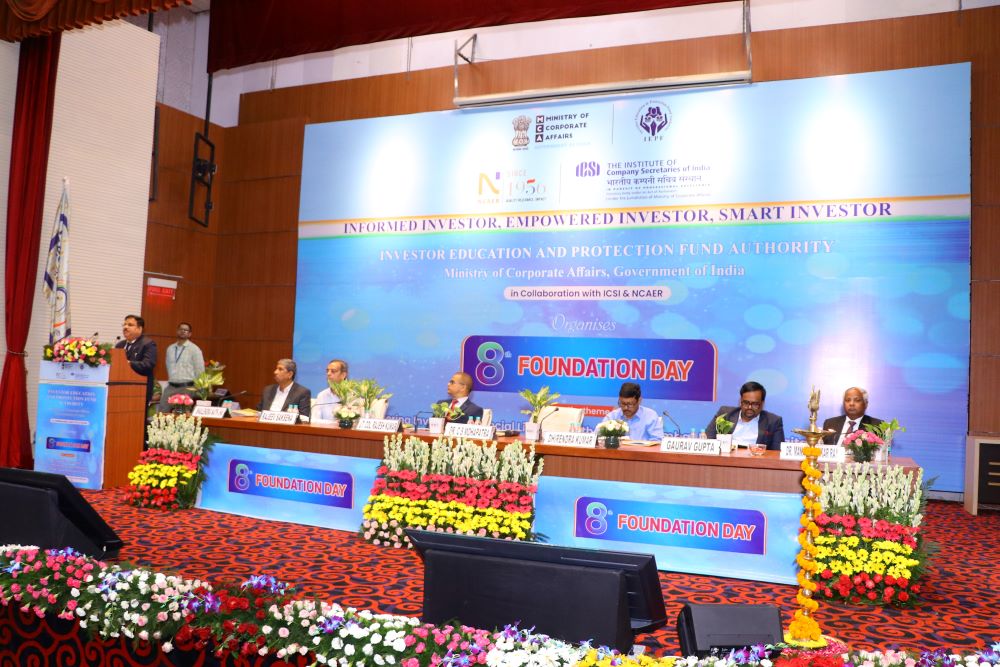 In her Keynote Address Ms. Anita Shah Akella, CEO, IEPFA and Joint Secretary, Ministry of Corporate Affairs, reiterated the authority’s commitment to promoting investor education and protection. She emphasized that financial literacy is not only crucial for protecting investors from fraud but also plays a key role in fostering long-term financial well-being. Through strategic partnerships with organizations like NCAER and ICSI, IEPFA continues to take proactive measures in creating a robust framework for investor protection.
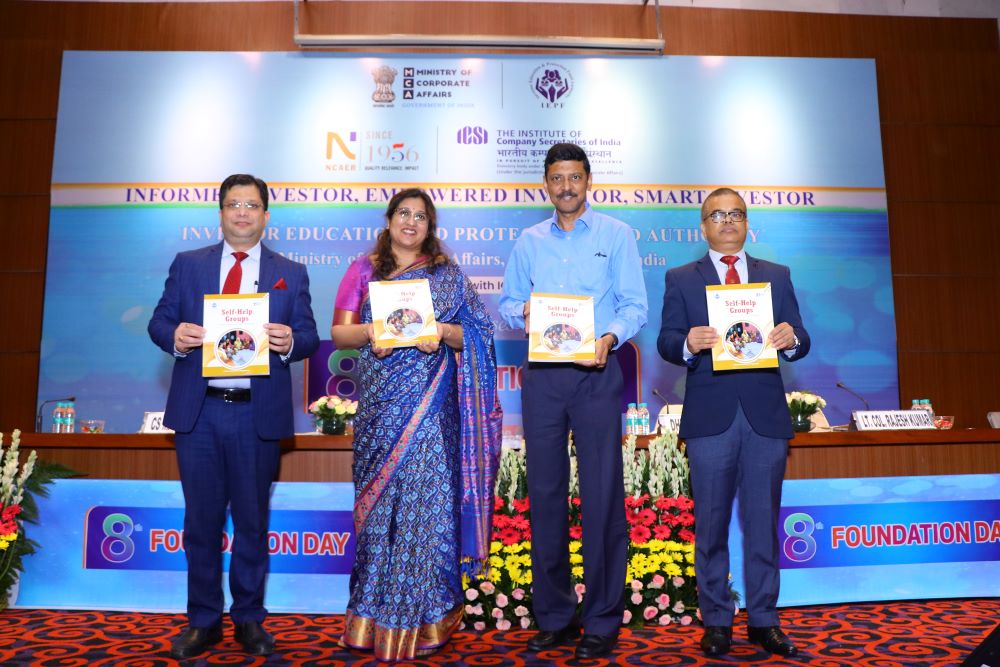
 To set the tone of the event, a special address was given by Mr. Dhirendra Kumar, Board Member of IEPFA and CEO & Founder of Value Research. Additional remarks were delivered by Lt. Col. Rajesh Kumar, General Manager of IEPFA and CS Manish Gupta, Immediate Past President of ICSI. Taking a significant step towards enhancing financial literacy and investor education across various demographics, IEPFA has released a set of five handbooks tailored to meet the unique needs of different segments of the population. These handbooks, designed with carefully curated content, provide valuable financial education to school students, homemakers, retired persons, self-help groups, and college students.
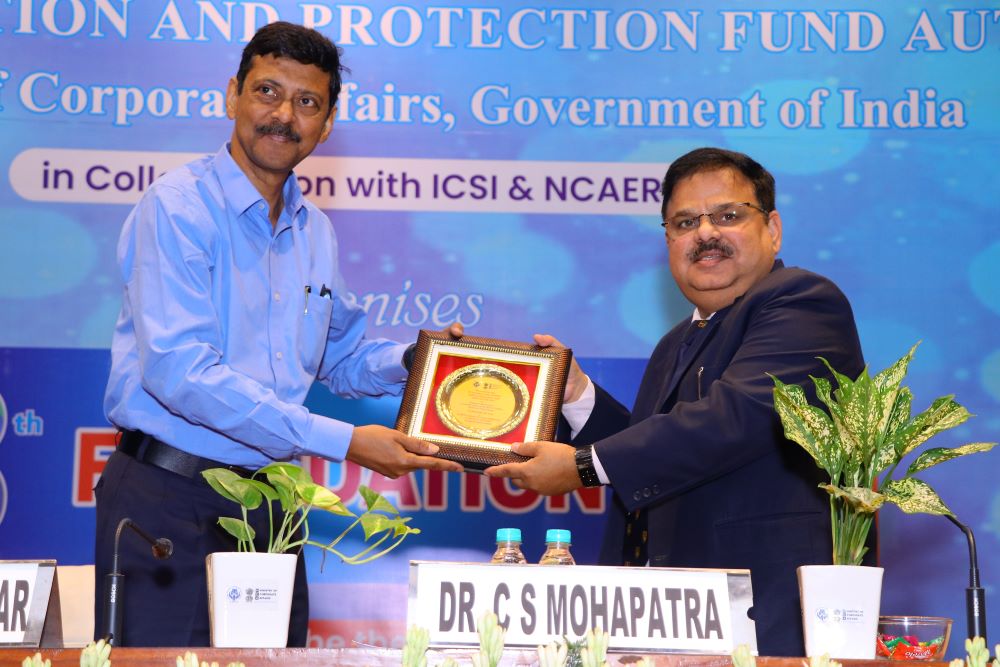
 The highlight of the event was a technical session chaired by IEPF Chair Prof. Dr. C. S. Mohapatra as the moderator and speaker. Speaking at the event, Dr. Mohapatra asserted that as we celebrate the 8th Foundation Day, it is imperative to acknowledge the progress IEPFA has made in safeguarding the interests of investors. However, with the rapid digitalization of financial services, the risk of fraud and scams has also escalated. He also highlighted that by equipping individuals with the knowledge to make informed decisions, we can help them identify red flags and protect their assets. Financial education fosters confidence, enabling investors to navigate complex markets with clarity. Ultimately, a well-informed investor is the best defense against financial misconduct, ensuring a safer, more transparent investment environment for all, he stated.
 Prominent speakers at the event included Lt. Col. Rajesh Kumar, General Manager, IEPFA Ministry of Corp. Affairs, Mr. Gaurav Gupta, Deputy Director, IEPFA, MCA, Mr. Rajeev Saksena, Joint Secretary (Investment), DEA, Ministry of Finance, Mr. Dhirendra Kumar Member, IEPFA Board, & Founder and CEO Value Research, Dr. Manas Shankar Ray, former Chief Commissioner in Income Tax (IRS), and Mr. Shailendra Nath Jha, Former DGM & DY Ombudsman, RBI , who shared valuable insights on how investors can protect themselves through increased awareness and understanding of financial products and digital platforms. The discussions also covered practical strategies for identifying and avoiding fraudulent schemes, as well as the role of regulatory bodies in ensuring investor protection.
Lt. Col. Rajesh Kumar highlighted that the rise in digital scams and frauds has made it imperative for us to intensify our efforts to educate and protect investors. This is where the true essence of IEPFA’s mission lies—empowering individuals with the knowledge and tools they need to make informed decisions and move through the financial landscape with assurance and safety.
Mr. Rajeev Saksena emphasized on the key role that financial literacy plays in protecting investors from fraud and digital scams. He also emphasized on preventing financial fraud for a safer digital financial environment through improved financial literacy.
Mr. Dhirendra Kumar emphasised that Cyberfraud strikes the most vulnerable sections–older people as well as those who find difficult to deal with technology. As a society, we owe it to them to stamp out this menace and we must spare no effort in doing so. It would be tragic and deeply unfair if a technology that can enable prosperity instead becomes a tool in the hands of criminals and we must not allow it to happen.
Dr. Manas Shankar Ray highlighted the risks posed by various frauds and scams plaguing the financial markets, and the challenges for investors, particularly retail investors. While appreciating the actions taken by the government and various regulators to mitigate such challenges, he emphasized the need for enhanced regulatory oversight and inter-regulatory coordination / consolidation to promote more effective investor awareness and protection measures to fight the menace of digital scams and frauds. He also mentioned about the remedies available under the Consumer Protection Act and Advertisement Standards Council guidelines for redressal of consumer grievances in financial markets.
Mr. Shailendra Nath Jha stressed on the fact that Fake trading Apps, Unbridled growth of financial influencers, greed and lack of awareness is leading to most of the investment fraud amongst the vulnerable group especially Senior citizens.
Drawing upon his extensive expertise in investor protection and financial education, Mr. Gaurav Gupta emphasised the importance of empowering individuals with the knowledge needed to make informed financial decisions. He provided actionable insights on how financial literacy serves as a powerful tool to mitigate risks, particularly in the digital space, where fraud is becoming increasingly sophisticated. His address underscored the commitment of IEPFA to continue promoting investor education and fostering a secure financial environment for all.

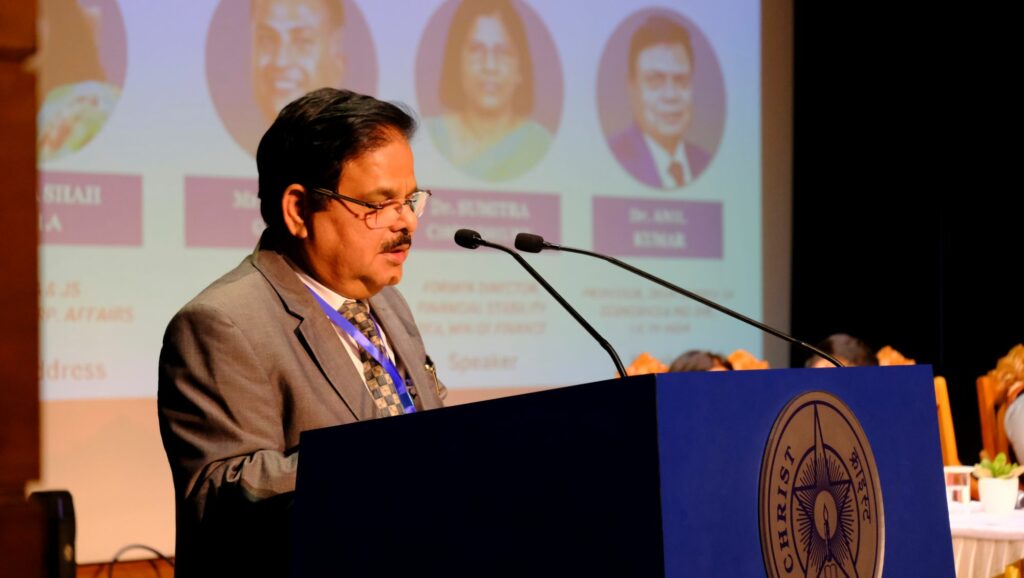 Dr. CS Mohapatra, through his highly interactive manner moderated the session and stated that the journey from financial inclusion to financial empowerment is practically a long step towards maximizing financial well-being. While financial inclusion ensures that individuals have access to essential financial services, true empowerment is achieved only when they are equipped with the knowledge and tools to make informed decisions. By prioritizing investor protection, we safeguard these individuals from potential risks, foster trust and confidence in the financial system and sustain their participation. Together, financial inclusion, literacy, and protection form a robust foundation that leads to long-term financial security and prosperity.
 The panel discussants — Mr. Sumit Aggarwal, AGM Awareness, IEPFA, Ministry of Corporate Affairs, Government of India, Ms. Sumitra Chowdhury, Former Director, Financial Stability, DEA, Ministry of Finance, Government of India, Mr. Varun Gupta, Regional Head, BSE, Delhi and Dr. Anil Kumar, Professor, Delhi School of Economics & Independent Director, Board of Directors of Life Insurance Corporation (LIC) of India discussed the importance of financial literacy rigorously and different initiatives taken by the Government as well as regulators, including IEPFA, in promoting financial literacy and financial inclusion.
 Mr. Sumit Aggarwal, AGM Awareness, IEPFA, effectively underscored the organization’s impressive accomplishments in recent years and conveyed an inspiring outlook for the future. He emphasized IEPFA’s dedication to fostering a secure and informed investment environment for every citizen, highlighting ongoing efforts in ease of doing business, efficient claim settlements, and the promotion of financial awareness. He passionately encouraged everyone to engage in IEPFA’s initiatives, stressing that true transformation begins at the grassroots level, and called on participants to collaborate with IEPFA in its mission to protect investor interests and enhance financial literacy nationwide.
 The Investor Education and Protection Fund Authority (IEPFA), Ministry of Corporate Affairs and the National Council of Applied Economic Research (NCAER), New Delhi, in collaboration with Jagan Institute of Management (JIMS), Rohini successfully conducted a comprehensive workshop aimed at “Boosting Financial Skills of Young Managers: Role of Financial Education as a Safety Network for Investor Protection” on Wednesday, July 31, 2024, at JIMS, Rohini, New Delhi.
 Dr. CS Mohapatra, through his highly interactive manner moderated the session and stated that in today’s fast-paced and complex financial landscape, equipping young budding managers with robust financial skills is essential for ensuring sound financial decision-making and fostering investor protection. Financial education plays a pivotal role in this context, serving as a safety network that empowers young professionals to navigate the intricacies of finance with confidence and prudence. By mastering these concepts, young managers can develop strategic financial plans, optimize resource allocation, and ensure sustainable growth.
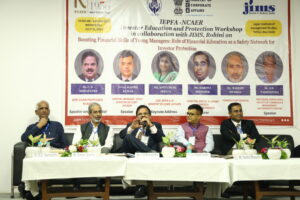 The panel discussants — Lt. Col. Rajesh Kumar, General Manager, IEPFA, Ministry of Corporate Affairs, Government of India, Dr SD Vashishtha, Professor, Dean and Head, Faculty of Commerce and Management, MD University Rohtak, Mr Rakesh Sharma, Former Chief General Manager, PFRDA and Mr Harsha Bhowmik, Director- Digital Economy and Fintech, Ministry of Finance, Government of India discussed the importance of financial literacy rigorously and different initiatives taken by the Government as well as regulators, including IEPFA, in promoting financial literacy and financial inclusion.
 In the past two decades, the Forum has engaged in policy conversations that have contributed to a profound transformation of the Indian economy and society. Since its inception in 2004, the IPF has been a platform carrying forward NCAER’s mandate of ensuring quality, relevance, and impact. It has enabled honest conversations among world-class researchers using evidence-based research and has emerged over the years as a leader of ideas and a unique forum for driving policy.
 But the churn in households’ economic circumstances makes it difficult to precisely identify and target the poor. It says traditional approaches to identifying the poor through provision of Below Poverty Line (BPL) cards, now dubbed priority cards, tend to focus on chronically poor households that usually come from poor regions or have enduring characteristics that predispose them to poverty (e.g. belonging to Scheduled Castes and Tribes). The IHDS data show that with a decline in chronic poverty, transient poverty begins to dominate. This suggests that our approach to social protection must pay greater attention to circumstances of life that push people into poverty rather than circumstances of birth associated with social identity or region of birth. The paper discusses a variety of approaches to providing safety nets and examines the success of some key programs in reaching the poor.