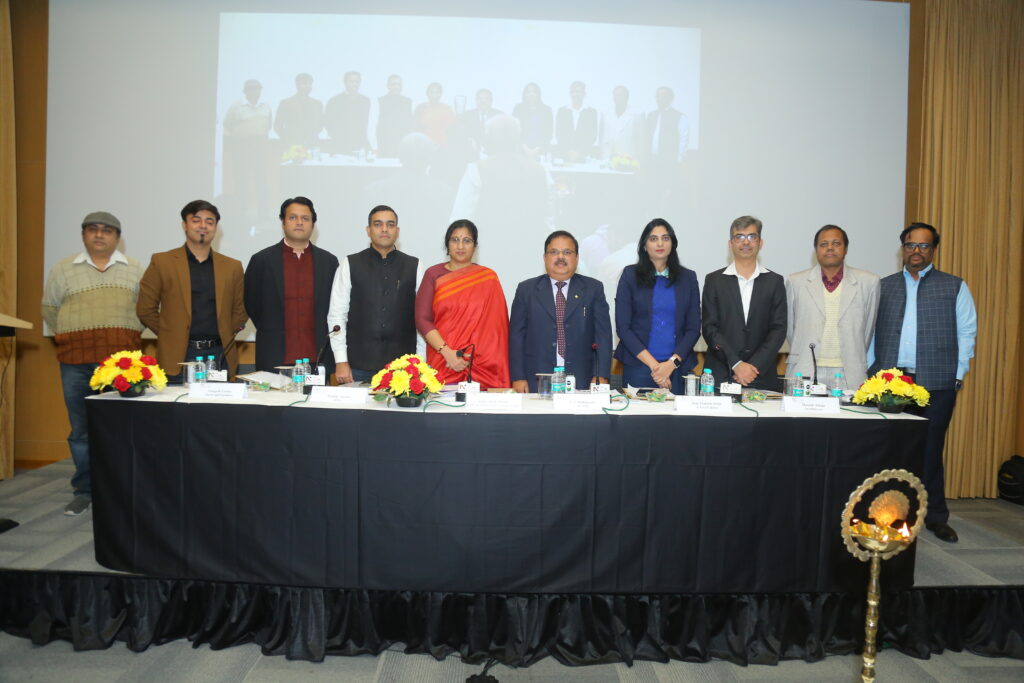
 NCAER, in partnership with the Investor Education and Protection Fund Authority (IEPFA), conducted an in-person one-day workshop for youth under the theme “Investor Education and Protection Policy in India: Claiming the Unclaimed”, on 12 December 2023. The workshop witnessed the convergence of diverse stakeholders, including students, government entities, academic institutions, investors, and experts. Dr C.S. Mohapatra, IEPF Chair Professor at NCAER, at the outset, emphasised the criticality of empowering budding investors with adequate financial knowledge and a secured environment along with fast restoration of unclaimed shares to the rightful claimants.
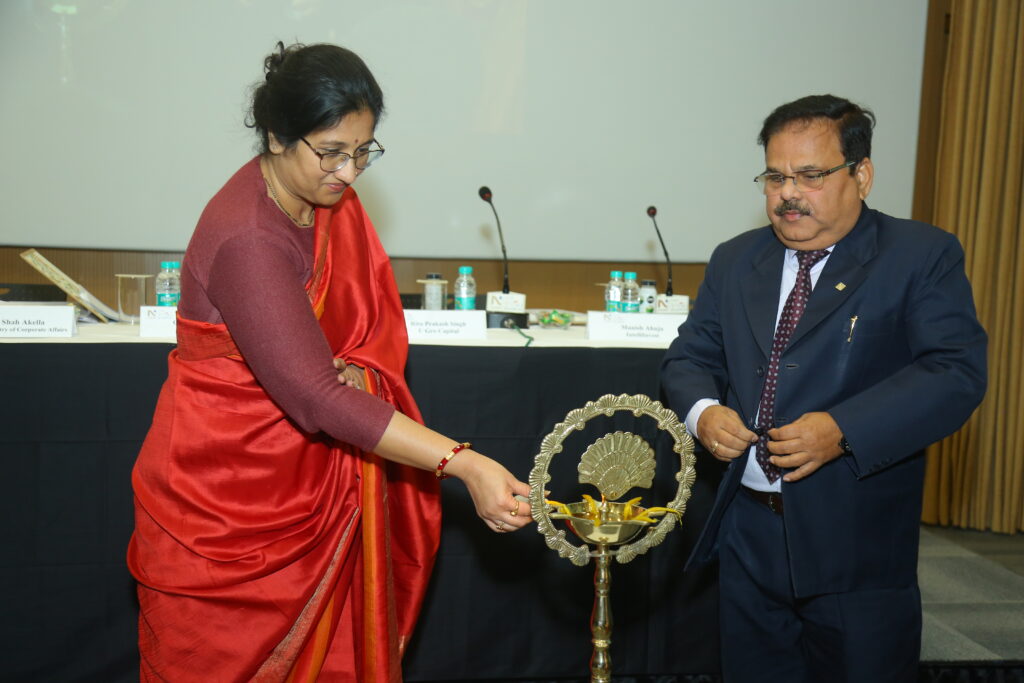 The keynote address at the event was delivered by Ms Anita Shah Akella, CEO of IEPFA and Joint Secretary in the Ministry of Corporate Affairs. She underscored the criticality of protection of investors’ interests and the importance of educating the upcoming generation of investors in the rapidly evolving financial landscape. Investor education is not about complex financial jargon, she stated. Ms Akella highlighted the impact of reclaiming even a fraction of the unclaimed funds that are lying idle. The Government had constituted the Investor Education and Protection Fund Authority (IEPF Authority) under Section 125 of the Companies Act, 2013 on 7 September 2016 to promote investor education, awareness, and protection, and to ensure refunds of claims to the investors. She also mentioned that the IEPFA is planning to smoothen the process of getting the unclaimed shares and dividends.
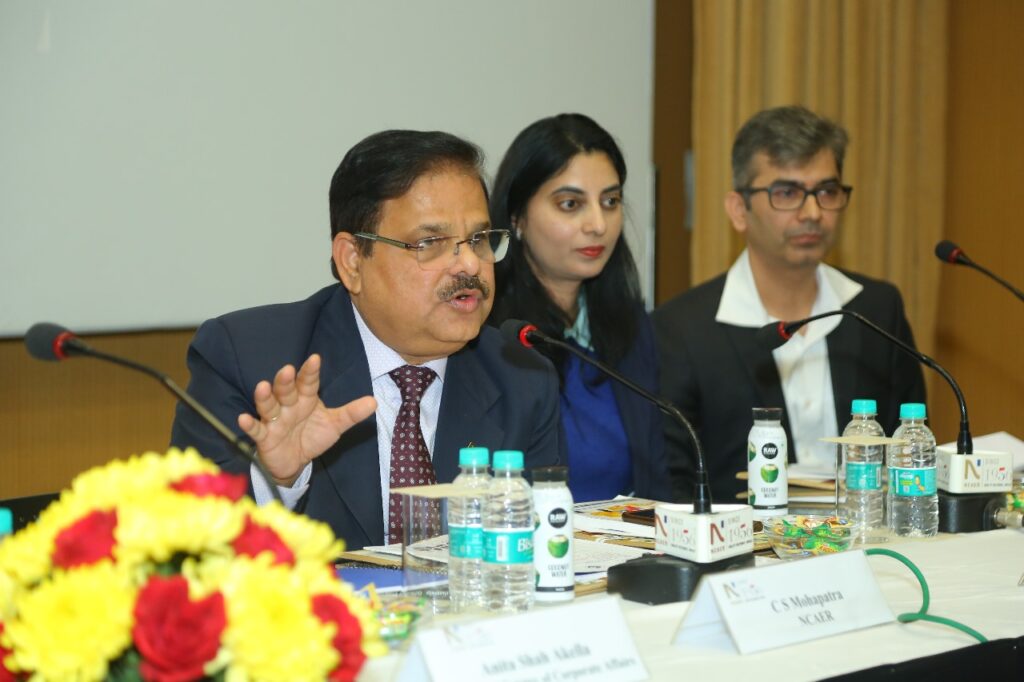 The highlight of the event was a stimulating panel discussion titled “Investor Education and Protection Policy in India: Claiming the Unclaimed”, in which the panellists shared their expertise on various related issues, including investor education and protection frameworks and initiatives by different regulatory bodies as well as educational institutions, the existing rules and processes to claim the unclaimed shares, digitalisation challenges, cybercrime awareness, and banking systems. Dr Mohapatra, speaker and moderator of the discussion, highlighted the pivotal role of students to in making a sound financial decision and keeping themselves updated with relevant information.
Following are the brief descriptions of the comments by the panellists in the discussion:
 Lt Col Tushar Anand, GM, IEPFA, Ministry of Corporate Affairs, broadly highlighted the role of IEPFA and its working mechanism in the claim settlement process. He mentioned the significance of technology, and emphasised the importance of financial literacy among the students. He stated that IEPFA advocates for a transparent approach to build trust. He pointed out that with only 27 per cent of India’s population considered financially literate, especially in rural areas, the IEPFA collaborates with Indian Postal Payment Banks and the Department of Post to design programmes like “Niveshak Didi” and “Niveshak Sarthi”, aiming to enhance financial literacy.
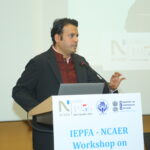 Mr Gangesh Varma, Principal Associate, Technology and Policy, Saraf and Partners, stated that claiming the unclaimed often necessitates sharing of sensitive personal information, including the full names, addresses, and financial details. This data must be protected in accordance with data privacy regulations like the recently enacted Digital Personal Data Protection Act, 2023. In this context, companies and businesses handling personal data must have robust data security measures in place, including encryption, access controls, and breach notification protocols. It is equally important to ensure that users are informed about how their data is collected, used, and stored, and their right to access, rectify, and erase their data. He also discussed how fraudsters may use unclaimed assets as a way to target unsuspecting victims. Technology used to manage unclaimed assets can be vulnerable to cyberattacks, leading to data breaches and financial losses. The same technology that enables protection can also be used for criminal activities; this is especially true with advances in AI and other emerging technologies. Users should be aware of phishing scams and other fraudulent activities that target unclaimed assets as an avenue.
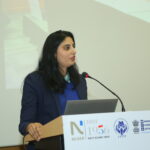 Ms Ritu Prakash Singh, MSME Research Investor Relations U GRO Capital Ltd, stated that an amount of around Rs 35,000 crore is lying in unclaimed bank deposits, and that these unclaimed bank accounts are a legacy of the pre-digital era when the banking infrastructure was not interlinked, and everything was paper-based. Now after digital transformation, these records are digital and easily accessible. The government, regulatory bodies, and authorities like IEPFA are doing tremendous work to educate the investors and create awareness regarding different policies and regulations, and making it easy for the rightful owners to get their money back.
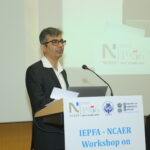 Mr Manish Ahuja, Co-Founder, IntelliInvest, discussed how IntelliInvest is dedicated to empowering investors through data-driven decisions, and addresses the need for informed investment strategies among millennials and Gen-Z. With a mission to provide comprehensive tools across diverse asset classes, IntelliInvest urges the younger generation to make wise investment choices, emphasising technical and fundamental insights. They advocate against misinformation propagated by ‘finfluencers’, aligning with SEBI and the Ministry of Finance’s stance, calling for responsible investing practices and collective awareness to shape a financially literate and ethical investment landscape.
 The panel discussion was moderated by Dr C.S. Mohapatra, IEPF Chair Professor at NCAER. He stated that it is crucial for youth, the prospective investors, to be fully conversant with the provisions of the law that protects investors, the regulatory system, the grievance redressal mechanism, and the nuances and disclosures before ensuring sound financial decisions.
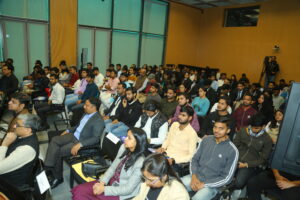
The panel discussion was followed by a highly interactive question-answer session as well as a group discussion, wherein students from different institutions were asked to share their views on the financial landscape and the usefulness of the knowledge acquired in the workshop. They suggested the need for holding more such workshops for the benefit of students.
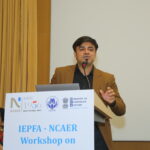 Concluding the discussion, Mr Sumit Aggarwal, AGM at IEPFA, extended a vote of thanks, acknowledging the invaluable contributions of all the participants, speakers, and attendees. He lauded the collaborative spirit of the workshop, aligning stakeholders towards the shared goal of enhancing financial literacy and safeguarding investor interests.
The success of the workshop reflects the collective commitment of stakeholders to foster financial awareness among budding investors amidst a rapidly evolving financial landscape.


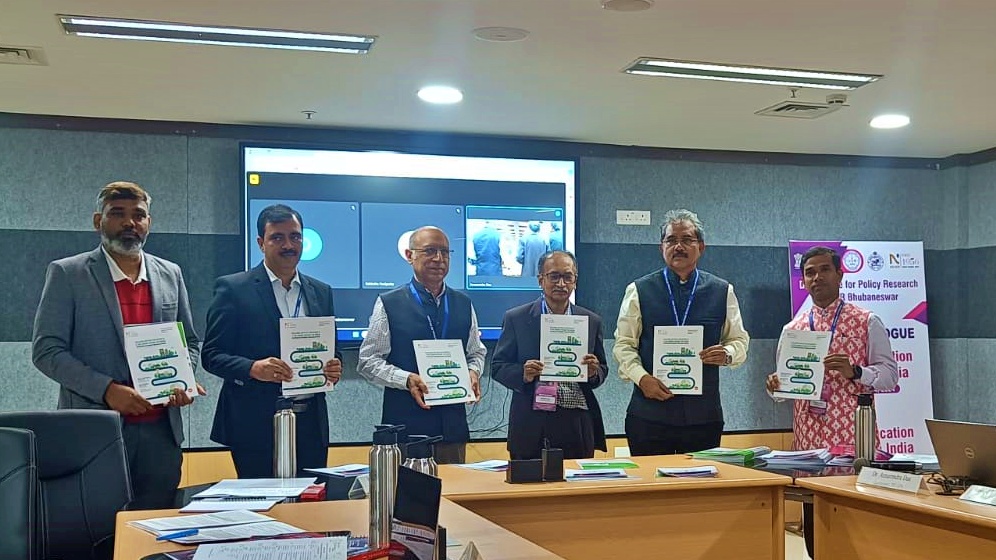 A Policy Dialogue on ‘Energy Transition in Eastern India’ was jointly organised by the Department of Science and Technology, Government of India; National Institute of Science Education and Research (NISER), Bhubaneswar; NCAER; and the Ministry of Power, Government of Odisha. The event was held at NISER during 23-24 January 2024.
 Prarthna Agarwal Goel is Assistant Professor with the Department of Economics at Guru Gobind Singh Indraprastha University. She completed her PhD and MPhil from Jawaharlal Nehru University. She has a Master’s in Economics from Delhi School of Economics and a Bachelor’s in Economics from Hansraj College, Delhi University. She has a teaching experience of more than 12 years at Delhi University and Guru Gobind Singh Indraprastha University. Prior to joining the academic sector, she worked with the analytics industry for seven years. During her tenure with the corporate industry, she worked extensively on credit risk modelling and marketing mix analytics. Her areas of interest include gender studies, environment, and development economics. She has published in high-ranking journals and is on the editorial board of reputed economics journals. She has worked on nationally and internationally funded research projects, and also holds a patent on ‘Marketing Investment Optimizer with Dynamic Hierarchies’ in the USA, Australia, and China.
 Sonalde Desai is a Distinguished University Professor, at the Department of Sociology, University of Maryland, and Professor and Centre Director at the NCAER-National Data Innovation Centre, New Delhi. She is a demographer whose work deals primarily with social transformation and its impact on the lives of individuals with a focus on education, employment, gender, and maternal and child health. She leads the India Human Development Survey (IHDS) of over 40,000 households, one of the few national panel surveys in India that provides a rich and free public resource for studying the transformation of the Indian society in the twenty-first century between 2004 and 2023. She has published extensively in Indian and international journals and served on editorial boards of several major journals. She is a frequent contributor to Indian English language newspapers. She received a PhD from Stanford University and post-doctoral training at the University of Chicago and RAND Corporation. She was elected President of Population Association of America for 2022 and has been named a Fellow of American Association for the Advancement of Science (AAAS). She also serves on several government committees in India, such as the Standing Committee on Statistics, (Ministry of Statistics and Programme Implementation), the Task Force on Indian Statistical System (NITI Aayog), and Technical Advisory Committee on Surveys (RBI).
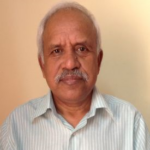 Bishwanath Goldar is a Retired Professor of Economics of the Institute of Economic Growth (IEG), Delhi. He has an MA and PhD in Economics from Delhi School of Economics, University of Delhi. He served at the Institute of Economic Growth (IEG) from 1979 to 2014, except for three brief stints at a professorial or equivalent position at the National Institute of Public Finance and Policy (1988-90), the Indian Council for Research on International Economic Relations (2003-04), and the Jawaharlal Nehru University (2012-13). During 2015-2016, he was a National Fellow of the Indian Council of Social Science Research , affiliated with IEG. He is a former member of the National Statistical Commission. He is currently a Non-resident Senior Fellow at the IEG.
 Debasis Barik is a Senior Fellow at the NCAER-National Data Innovation Centre (NDIC). His primary research areas include public health and mortality, migration, gender, healthcare financing, and environmental health. He is a demographer by training and has for long been associated with survey design and survey implementation. He is an active member of various national and international organisations, working in areas of demography and social sciences. Since 2017, he has been a member of the Expert Group formed by the National Health System Resource Centre to institutionalise National Health Accounts estimates. He is also serving as Associate Editor and Review Editor for some reputed international journals. He has a PhD in Population Studies from the International Institute for Population Sciences, Mumbai.