“Role of Data Protection Act, 2023 in Protecting Investors in the Digital Era”
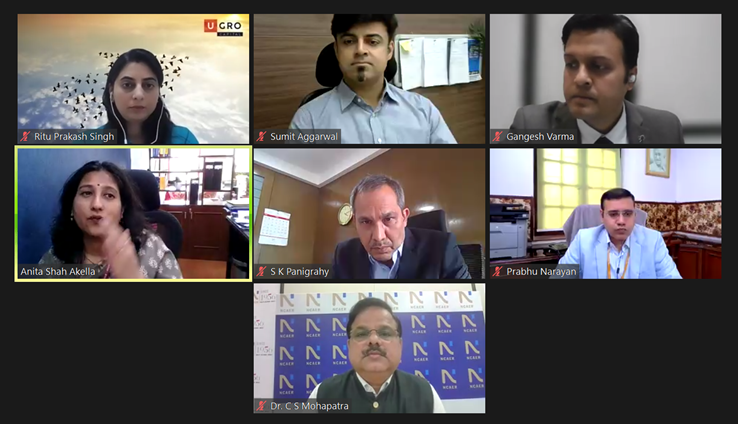
The Investor Education and Protection Fund Authority (IEPFA), in partnership with the esteemed National Council of Applied Economic Research (NCAER), successfully conducted a significant webinar under the theme “Role of Data Protection Act, 2023 in Protecting Investors in the Digital Era”. The webinar, held on October 30, 2023, witnessed the convergence of diverse stakeholders, including government entities, academic institutions, investors, and industry experts. At the outset, Dr C.S. Mohapatra, IEPF Chair Professor at NCAER, in his welcome address, highlighted the need for and importance of the Digital Personal Data Protection Act (DPDP) Act, with special reference to its role in protecting investors in the digitalized era. Carefully crafted and refined over a five-year period, the Digital Personal Data Protection Act establishes a framework for the responsible processing of digital personal data. It recognises both the individual’s right to safeguard their personal information and the necessity of processing such data for lawful purposes. It serves as a safeguard for investors, encouraging their active participation in the dynamic field of investments and alleviating their initial concerns regarding data breaches. This was the third webinar/seminar organised under this series in 2023-24.
 The event featured an insightful keynote address by Ms Anita Shah Akella, CEO of IEPFA and Joint Secretary in the Ministry of Corporate Affairs. Ms Akella’s address underscored the criticality of protection of personal data in the rapidly evolving financial landscape. In a lucid manner, quoting examples from day-to-day life, Ms. Akella highlighted the significance and necessity of the DPDP Act in the present scenario, where each and every all data, such as, AADHAAR, Voter ID, etc., all are linked to phone numbers. A criminal who gets the access of the phone number gets a swift access to all the data in this space. Therefore, a robust framework for protecting the investor data with the overall objective of safeguarding investor interests is very crucial.
The event’s highlight was a stimulating panel discussion titled “Role of Data Protection Act, 2023 in Protecting Investors in the Digital Era”. Following a brief presentation on basic provisions of the Act that help protecting investor data, the esteemed panellists shared their expertise on various related issues, including data protection framework and initiatives, digitalisation challenges, cybercrime awareness, evolving banking systems, and the pivotal role of regulatory bodies in fostering protection.
The distinguished panellists included:
 Mr Gangesh Varma, Principal Associate of Technology and Policy at Saraf and Partners, made a short presentation and discussed on the rights and data principles of companies as well as retail investors and put thrust on a proper implementation strategy. It will require all stakeholders including companies, and users or citizens to play their respective roles in promoting a culture of privacy in their transactions and bringing about behavioural change, for effective implementation. He stated that the realization of the goals of data protection in the investor space will require a ‘whole-of-society’ approach.
 Mr Prabhu Narayan, Director (Cyber Security in the Financial Sector), Ministry of Finance, inter-alia mentioned the critical role of CERT-FIN, importance of cyber security measures, and measures taken by the government, and explained how the Act will promote financial inclusion in the country. He mentioned that the DPDP Act will ensure transparency, and enhance data quality and security obligations for data fiduciaries. It will also safeguard children’s data and healthcare-related data in a very lawful process.

Ms Ritu Prakash Singh, MSME Research Investor Relations U GRO Capital Ltd, discussed positive effects of the Act on both the MSME sector as well as the capital market. She concluded with the remark that the DPDP Act will create a culture of compliance in the digital world. However, collaborative efforts between government, industry, and stakeholders would be essential in shaping a robust data protection ecosystem in India.
 Mr S.K. Panigrahy, CGM, Reserve Bank of India (RBI), provided insights into the evolving banking systems, along with the RBI’s role in promoting investor awareness in modern times and the role of this Act in the banking sector. He mentioned that the Act emphasises the need to respect the personal financial data of the customers, and ways to prevent access to this data for fraudsters through various rules, that are to be implemented soon.
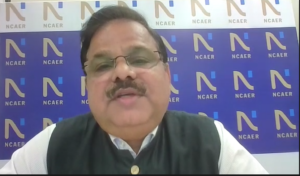 The engaging panel discussion was adeptly moderated by Dr. C.S. Mohapatra, IEPF Chair Professor at NCAER. He stated that data breaches have become an increasingly pressing concern in today’s digital world, affecting both individuals and organisations. These breaches are driven by hackers seeking to profit from selling large volumes of stolen data to other criminals on the dark web. These incidents underscore the urgency of safeguarding data, not only for individuals but also in the context of investor protection. This legislation establishes a robust framework for investors and citizens alike that not only shields personal data but also fosters trust, ultimately fortifying the digital ecosystem. including for investors. By promoting responsible behaviour among platforms, the DPDP Act contributes significantly to improving investor engagement and ensuring the security of their financial interests.
 Concluding the discussion, Mr Sumit Agarwal, AGM at IEPFA, extended a vote of thanks, acknowledging the invaluable contributions of all the participants, speakers, and attendees. He lauded the collaborative spirit of the webinar, aligning stakeholders towards the shared goal of enhancing financial literacy and safeguarding investor interests through proper implementation of the DPDP Act.
The success of the webinar reflects the collective commitment of stakeholders to foster financial awareness and safeguard investor interests amidst a rapidly evolving financial landscape. In an environment wherein global economies embrace digital transformation and financial inclusivity, the event illuminated the pivotal role of data protection in the backdrop of these advancements.
About IEPFA
The Investor Education and Protection Fund Authority (IEPFA) was set up on September 7, 2016, under the aegis of the Ministry of Corporate Affairs, Government of India, for administering the Investor Education and Protection Fund for making refunds of shares, unclaimed dividends, and matured deposits/debentures, among other things, to investors.


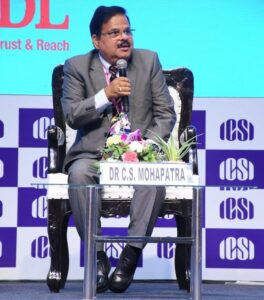 The 51st National Convention of Company Secretaries was organised on the theme India @ G20- Empowering Sustainable Future through Governance and Technology, at Varanasi, Uttar Pradesh, on November 2 and 3, 2023. The convention was inaugurated by the Hon’ble Vice-President of India, Shri Jagdeep Dhankhar, who was the Chief Guest, while the Hon’ble Governor of Uttar Pradesh, Smt Anandiben Patel, was the Guest of Honour. The IEPF Chair Professor at the National Council of Applied Economic Research (NCAER), Dr C.S. Mohapatra was invited as a guest speaker for the first technical session of the convention, on the topic “Digital Inclusion: A Catalyst for Corporate Innovation and Social Progress”, on 2 November 2023. Dr Mohapatra also released a publication brought out by the Institute of Company Secretaries of India (ICSI), titled, “Limited Liability Partnership”, on the occasion.

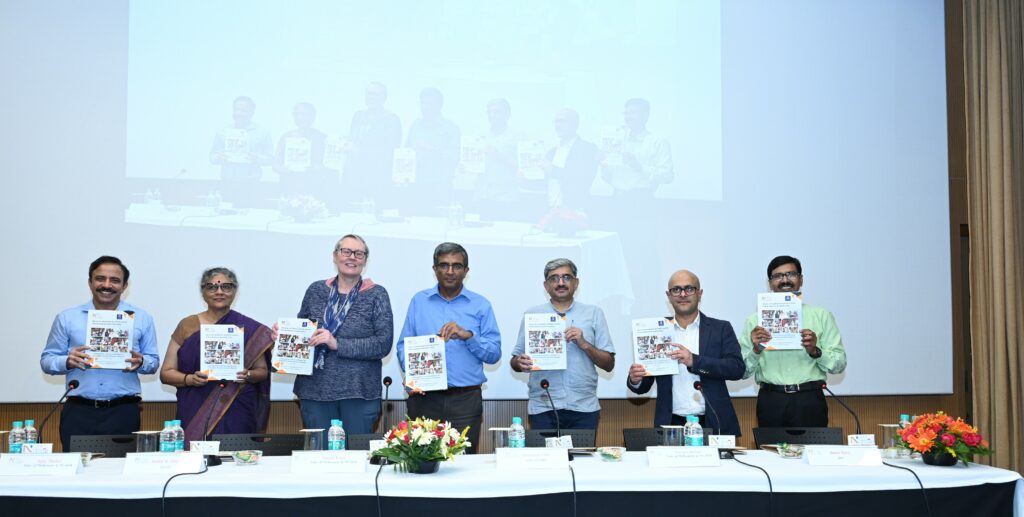
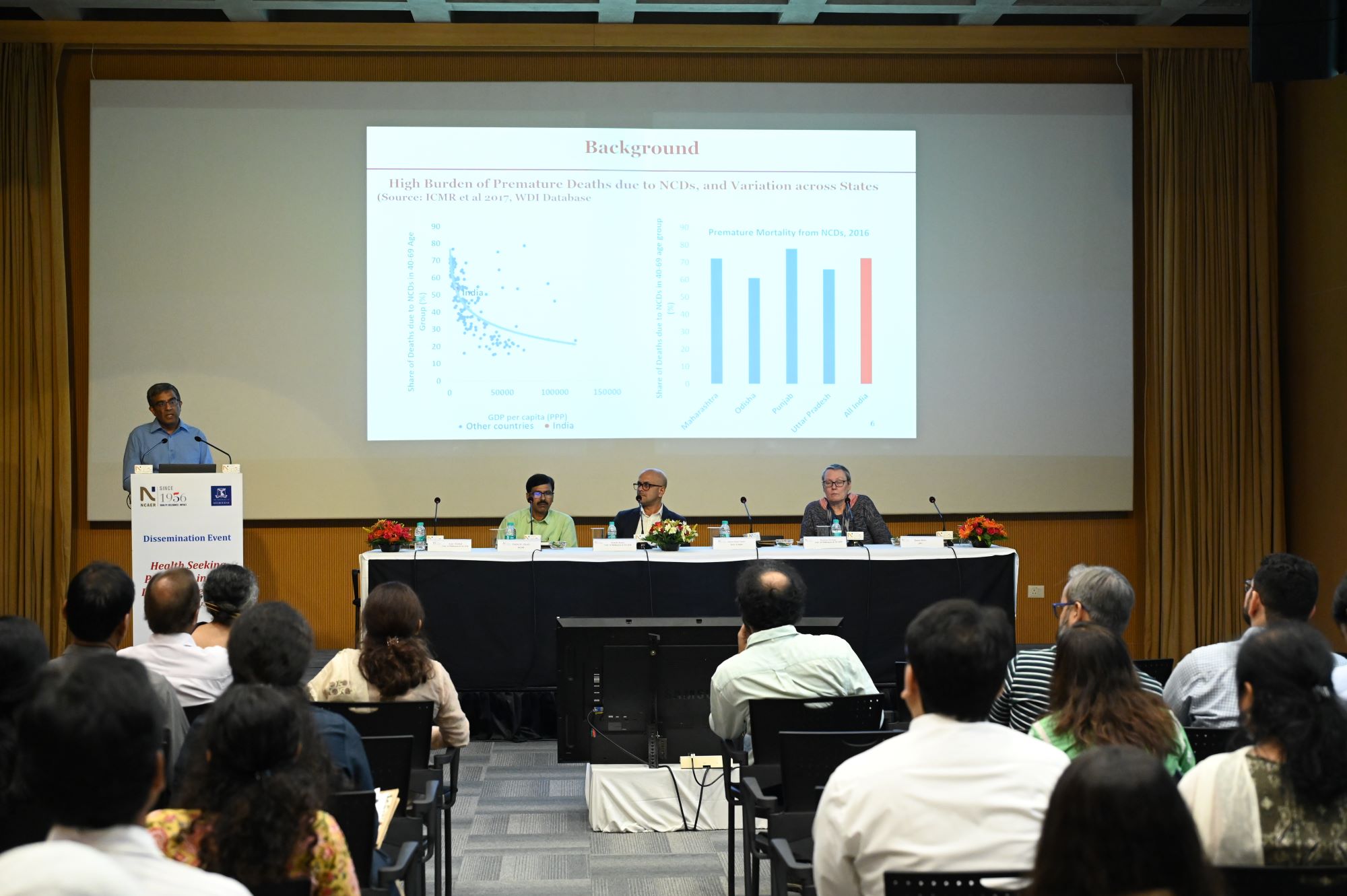 At this event, the team members shared findings from their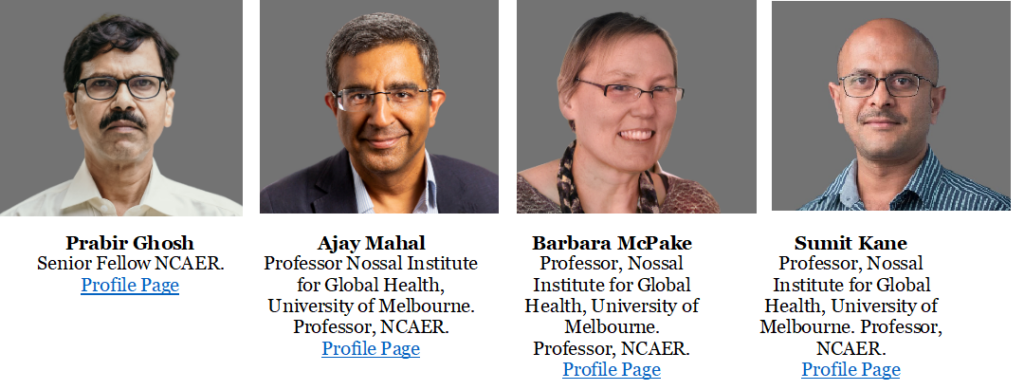

 Rama Baru is a Professor at the Centre of Social Medicine and Community Health, Jawaharlal Nehru University, New Delhi, India. She has served on the Technical Appraisal Committee for Health Technology Assessment; the Department of Health Research, the Ministry of Health, the Government of India; and the Scientific Advisory Group, Indian Council of Medical Research, New Delhi. Her major areas of research interest include commercialisation of health services, infectious diseases, comparative health systems and health inequalities. She is the author of four books: Private Health Care in India: Social Characteristics and Trends (1998); School Health Services in India: The Social and Economic Contexts (2008); and Medical Insurance Schemes for the Poor: Who Benefits (2015). Her most recent publication is a co-edited volume titled Global Health Governance and Commercialisation in India: Actors, Institutions and the Dialectics of Global and Local (2018). She has also contributed to many edited volumes and peer-reviewed journals.
 ent and Unemployment Statistics: Issues and Challenges’ by Dr Gurucharan Manna, Senior Adviser, at NCAER, on 6 September 2023, as part of its Dialogue Room Seminar Series. Details of the paper Abstract and the panellists at the seminar are given below.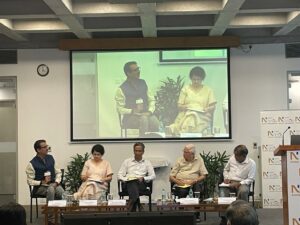
 Gurucharan Manna is a Senior Adviser at NCAER. He was the Director General of the Central Statistical Office (CSO) and National Sample Survey Office (NSSO) in the Government of India. Dr Manna has nearly 40 years of specialized experience in sample design, estimation procedures for household and establishment surveys, and the design of survey questionnaires and related documents for fieldwork and data validation. Over the years, his responsibilities at NSSO/CSO have included the compilation of GDP estimates; conduct of the 6th Economic Census; technical coordination and supervision of the Annual Survey of Industries, Energy Statistics, and Infrastructure Statistics; compilation of the Index of Industrial Production and the Index of Service Production; finalization of survey methodologies and reports for NSSO socio-economic surveys; and compilation of foreign trade statistics. He is currently the Chairman of the Editorial Advisory Board of Sarvekshana – a half-yearly journal being brought out by NSSO, Ministry of Statistics and Programme Implementation. He is also a member of the Reconstituted Expert Group on Minimum Wages and National Floor Wages constituted by the Ministry of Labour and Employment and of the Labour Bureau’s Expert Group for All-India Surveys.
 Ravi Srivastava is currently Director, Centre for Employment Studies, Institute for Human Development, New Delhi. He was earlier Professor of Economics and Chairperson, Centre for the Study of Regional Development, Jawaharlal Nehru University, and full-time Member (2006-09) of the National Commission for Enterprises in the Unorganised Sector (NCEUS), in the rank of Secretary, Government of India. His main areas of research and publication include labour and employment, migration, social protection, agriculture, rural development and rural poverty, the informal sector, regional development, decentralisation, human development, and land reforms. He is a recipient of numerous awards and scholarships, including the Commonwealth and the Fulbright Fellowship; the University Grants Commission’s award in Economics (2001) for innovative research on poverty; and the V.V. Giri Memorial Award (2009) for research on labour migration. He has performed consultancy and advisory roles for the Planning Commission, Ministries of the Government of India, State governments, and international agencies such as the World Bank, ILO, ADB, UNDP, UNICEF, UNESCO, UNFPA, IFAD, and FAO, among others. He is past President of the Indian Society of Labour Economics and current President of the UP and Uttarakhand Economics Association.
 Arup Mitra is a Professor at the South Asian University (SAU), Delhi. Before joining SAU, he was Professor of Economics at the Institute of Economic Growth, Delhi. He has also served as the Director General of the National Institute of Labour Economics Research and Development, Government of India. His research interests include development economics, urban issues, labour and welfare, corruption, industrial growth and productivity, the services sector, and gender inequality. He has been a consultant to a number of international organisations and was a senior researcher at ILO, Geneva. He has also been a visiting scholar at the Institute of Developing Economies, Japan, and Visiting Professor at Nagoya University, Japan. He was awarded the Mahalanobis Memorial Gold Medal by the Indian Econometric Society for his outstanding contribution to quantitative economics. He has a PhD from the Delhi School of Economics, University of Delhi, and a post-doctorate degree from Northwestern University (USA).
 Pallavi Choudhuri is a Senior Fellow at the NCAER-National Data Innovation Centre (NDIC). Her primary research interests include development, employment, inequality, and gender. At NDIC, her recent work has focused on leading experiments related to measurement gaps in income and consumption data, and women’s time use data. Prior to joining NCAER, she taught courses in Economics at the Grand Valley State University as a Visiting Assistant Professor. She has a PhD in Economics from the University of Wyoming.
 Suresh Chand Aggarwal is Visiting Professor at Institute for Human Development, New Delhi. Prior to this, he was Head of the Department of Business Economics, University of Delhi, till his retirement in 2017. He is also a Senior Fellow at the Department of Business Economics, Indian Council of Social Science Research. He has been an external Consultant to the Reserve Bank of India, Indian Council of Research on International Economic Relations, World Bank, and International Labour Organization. He has guided a number of PhD and MPhil students, and has published four books and more than 50 research papers, mostly on subjects related to labour, industry, and inclusive growth. He has also helped in the development of e-content for post-graduate courses in Business Economics under the E-PG pathshala by the University Grants Commission.
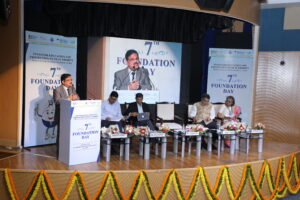 On its seventh Foundation Day, the Investor Education and Protection Fund Authority (IEPFA), in collaboration with the Institute of Company Secretaries in India (ICSI) and National Council of Applied Economic Research (NCAER), held a conference on “Understanding the Psychology of Scams: How to Avoid Fraudulent Schemes”, at New Delhi, on 5 September 2023.
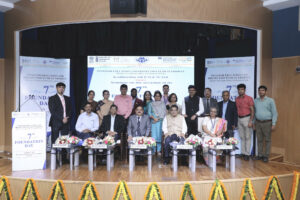 The IEPFA Chair Professor at NCAER, Dr C.S. Mohapatra moderated the technical session at the Conference, on ‘Understanding the Psychology of Scams: How to Avoid Fraudulent Schemes’. The panellists at the session included Mr Ajay Tyagi, former SEBI Chairman, Dr M.S. Sahoo, former IBBI Chairman and former SEBI member, Mr Dhirendra Kumar, CEO of Value Research, and Ms Suchitra Maurya, Banking Ombudsman, Delhi, Reserve Bank of India.