NCAER organised an in-person seminar on Global Financial System: Fractures, Fissures, and Fragmentation by Mr Udaibir Saran Das, a senior international financial policies expert.
In his presentation, Mr Udaibir Das noted that economic and financial uncertainty has spiked once again and pointed to six fissures in the global financial system (GFS): (i) contagion effects that may arise from non-bank financial intermediaries, whose share in the markets and interconnectedness has increased, (ii) endogeneity of capital flow, (iii) growing importance of macro-financial channels of propagation of protuberance of shocks to financial stability, (iv) challenges for surveillance and monitoring of systemic risk amid growing ability of asset managers in transmitting global liquidity that has come about with a sharp rise in private debt, (v) hidden leverage in market-based finance, emanating especially from digital finance and climate finance with added risks from sanctions and cyber frauds, and (vi) risks that may surface with needed ex-ante whistleblowing tools.
He also warned that the doom loop (bank-sovereign getting inseparably exposed to each other) was getting longer and thicker, and that channels of crisis were shifting in many ways. He added that financial conditions were getting tighter, reflected in rising costs of external borrowing by emerging markets. The two crucial aspects of the GFS are the ‘connectedness conundrum’ and the ‘endogeneity of finance.’ The connectedness conundrum is driven by the persuasive viewpoint of the neo-liberals to liberalise and let market forces prevail. Cross-border financial intermediation is taking place across new players and new platforms. In this backdrop, the following questions assumed importance:
• What money should be used to facilitate international economic transactions?
• How should such money be managed?
• What should the nature of the relationship between national currencies be?
• How should credit be created and allocated at the international level?
Mr Das also drew focus on the critical priority for the GFS to take care of climate finance needs to build upon climate resilience. The world urgently needed to transit to low-carbon, just and sustainable development path. While this was a collective action problem, unwieldy protracted negotiations were taking place. The financing needs were large, estimated at US$4-5 trillion per year through 2050. Both physical and transitional risks were important. Unattractive risk-return profiles in unproven markets and lack of scalable quality projects, besides shortage of adaptation finance, were hindrances, but a lot of toolkits were in works.
He concluded that repair, reforms, and a ‘do whatever it takes’ approach were needed to address fractures, fissures, and fragmentation in the GFS. He called for a panoptic policy approach with an integrated policy framework and a concrete architecture.
At the end of his talk, Mr Udaibir Das engaged in a brief fire-side chat with Dr Mridul Saggar, IEPFA Chair professor, NCAER, who had earlier during his career with the central bank coordinated the India FSAP 2017 from the side of the Indian authorities. Dr Saggar pointed out that while uncertainty has risen of late, it was well below the GFC levels. Also, global financial regulatory reforms had built strong capital and liquidity buffers to cope with new shocks. He, however, outlined the risks to macro-financial stability emanating from increasing digitalisation of the economy, which while not yet acquiring systemic proportions necessitate deeper surveillance and regulation of the financial system.
The seminar ended with a Q & A session in which Mr Das took questions from the floor. In the floor discussion, the NCAER Director General, Dr Poonam Gupta flagged the issues of performance of emerging markets, the phenomenal increase in public debt, and the rise in inflation both in India and across the world.
Dr Pallavi Choudhry, Senior Fellow, NCAER, pointed out that the risk profile of the US banking system has fundamentally changed after the repeal of the Glass Stegall Act and that the Dodd-Frank Act hadn’t essentially addressed the problem.
Udaibir Saran Das is a former central banker and a senior international policy expert on the financial system and central banking policies. He has worked in different capacities at the International Monetary Fund, the World Bank, the Bank for International Settlements, the Bank of Guyana, and the Reserve Bank of India. Mr Das has been closely associated with the work of the Financial Stability Board and other international standard-setting bodies, including the Basel Committee for Banking, and was on the faculty of the Questrom School of Business at Boston University. Mr Das has managed the global Financial Sector Assessment Program (FSAP) and participated in developing internationally accepted strategies, policies, and tools for systemic risk analysis, financial stability monitoring, stress testing, debt and reserves management, and sovereign wealth funds. He has led macro-financial surveillance and capacity-building missions to advanced, emerging, and developing markets such as China, France, Indonesia, Japan, Korea, Mongolia, Tanzania, The Philippines, and the United Kingdom. Until recently, Mr Das oversaw financial and monetary sector developments in Asia, the Pacific, and Europe for the IMF. His current areas of study focus on how the ongoing demographic, climatic, and technological transformation is altering the financial policies landscape and its implications for global practices and emerging markets.


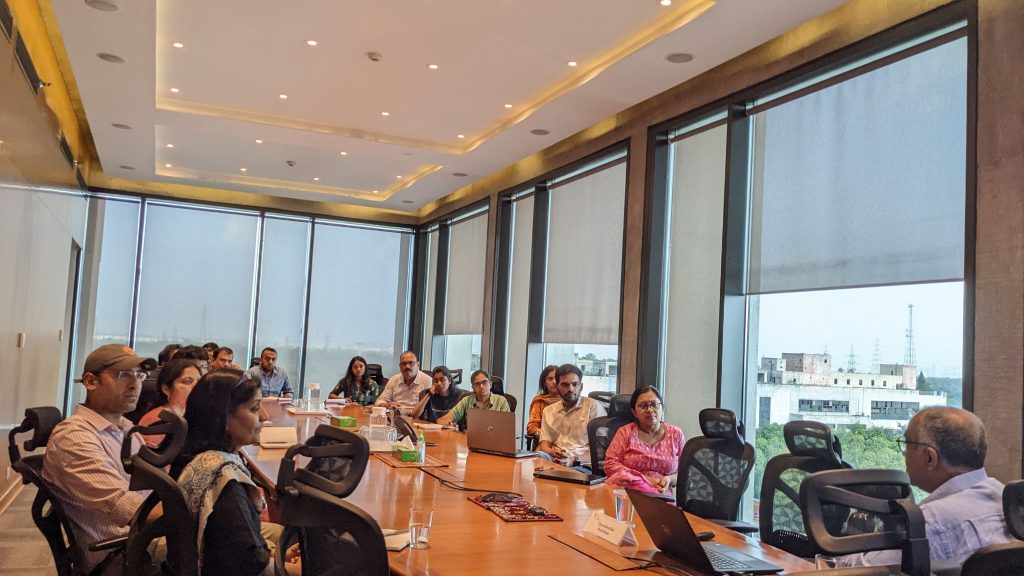
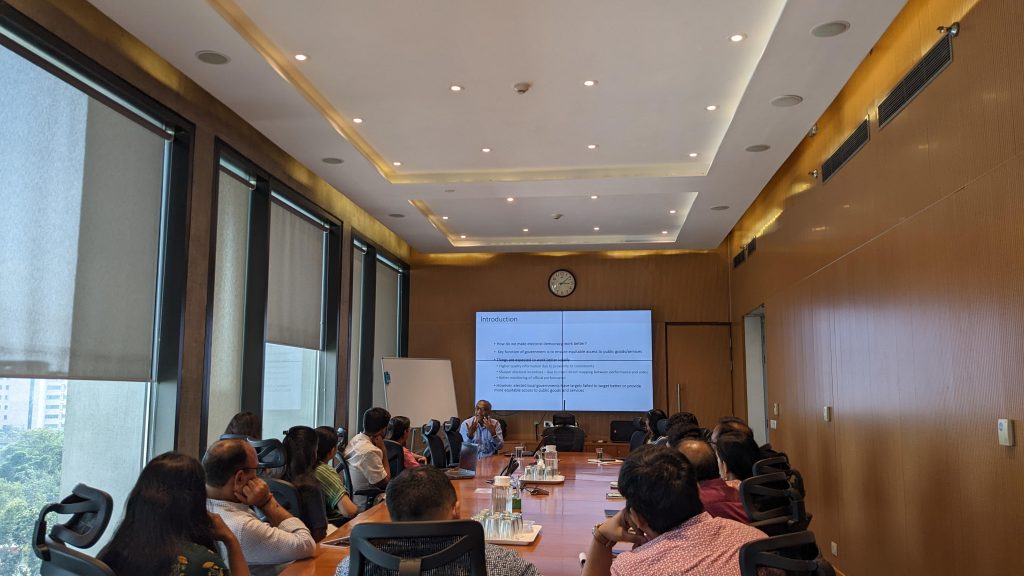 Despite growing awareness of various limitations of electoral democracy, there is a relative lack of evidence on effective policy interventions to improve the performance of elected officials and motivate them to act more equitably. In this paper, the authors report results from an experiment where they randomly assign elected presidents of village panchayats in Tamil Nadu to one of two incentive schemes (or a control group); a financial incentive which rewards better performing presidents with a higher public budget, and a non-financial incentive which awards them a certificate demonstrating their achievement with an information campaign to disseminate it. The authors find that both incentives improve access to public investments and private transfers in the villages of incentivized presidents. The non-financial incentive also leads to a more equitable between-hamlet allocation of resources within the village, and this effect is more acute with officials who face potentially more competitive elections.
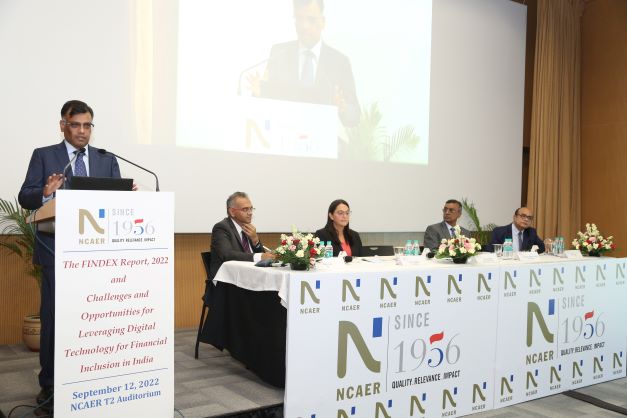 Delivering a keynote address on the occasion, Mr T. Rabi Sankar complimented the recent FINDEX Report for focusing on digital financial inclusion. He noted that the FINDEX database shows that the number of bank accounts in India has gone up by a phenomenal 76 per cent over the last 10 years, which is remarkable. Of these, 61 per cent of the account holders made digital payments from their accounts, going up from 35 per cent in 2014. This is a clear indicator of the digital growth that we are making in India. He added that there was a notable rise in daily digital transactions, which have gone up from 40 million in 2011 to 290 million in August 2022. A majority of these transactions were made through the Universal Payments Interface (UPI). He also pointed out that the database shows that the gender gap in bank account ownerships has been completely bridged but expressed concern that there was a 17 per cent gender gap in the use of digital payments that still needs to be bridged. He added that the RBI was trying to address this and various other challenges as it has a vision for devising a national strategy for achieving universal financial inclusion in the country. He also said that RBI has sought to provide a regulatory framework that creates and reinforces the enablers, adding that inter-operability, security, cost efficiency and digital literacy were its building blocks.
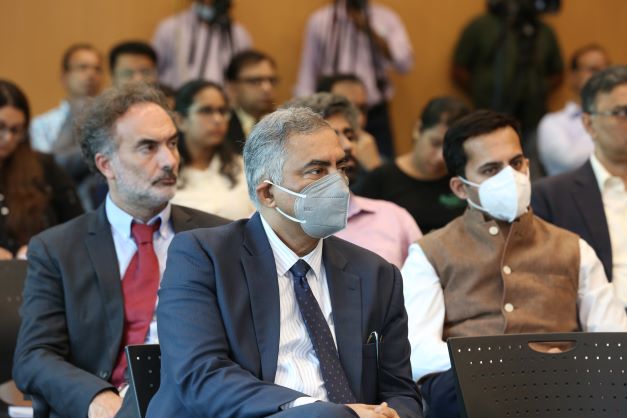 He also said that with greater digitisation, data had become important as it could be monetised. He told the gathering that there was demand from corporates to share UPI data and such sharing could help them and FinTechs to bring out structured products targeted to specific segments of population. However, to enable this a law to protect data privacy will be needed. He explained that “we will have to primarily have laws in place followed by regulations which ensure that customer data is not only safe and privacy is not only protected, but the monetisation of customer data is done in a responsible manner with some level of customer consent.”
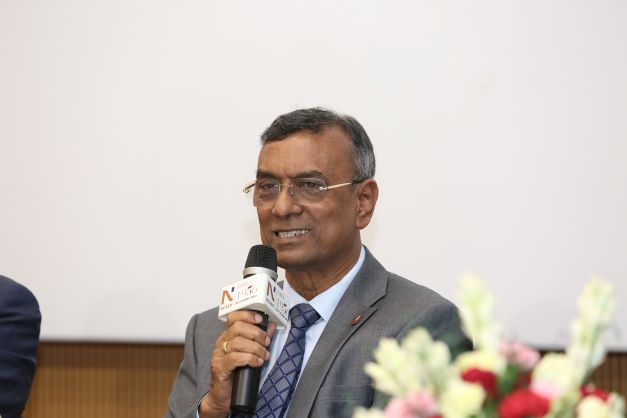 In a Panel Discussion on “Challenges and Opportunities for Leveraging Digital Technology for Financial Inclusion in India”. The panelists at the discussion included Dr Leora Klapper, Lead Economist in the Finance and Private Sector Research Team at the World Bank; Mr Dilip Asbe, the Managing Director and Chief Executive Officer of National Payments Corporation of India (NPCI); Mr Chandra Shekhar Ghosh, Managing Director and Chief Executive Officer of Bandhan Bank and Dr Mridul Saggar, the IEPF Chair Professor at NCAER and former Executive Director of RBI, who moderated the discussion. Dr Klapper said, “Financial inclusion initiatives must also consider the financial capability of the users, given the common feeling among unbanked people in India that they could not use an account by themselves. Effective onboarding and ongoing product education could help people benefit from an account and avoid fees, inappropriate products, or exploitation. Improved digital literacy, data security, and grievance mechanisms could increase the share of adults who use digital transactions, as well as reduce the large number of inactive accounts.”
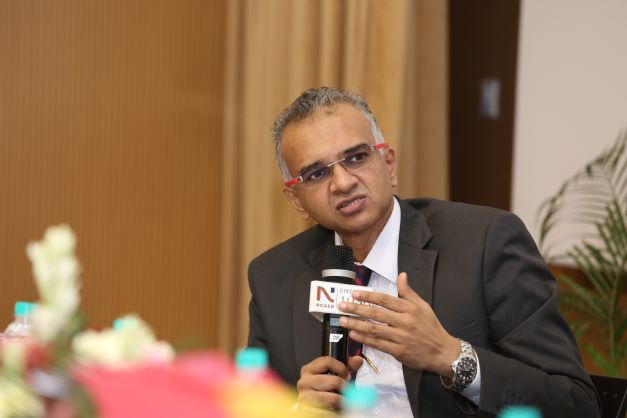 Mr Dilip Asbe was of the view that the regulatory ecosystem had enabled the digital services to grow in an orderly fashion in India in contrast with many other emerging markets. He also clarified that though the Pradhan Mantri Jan-Dhan Yojana (PMJDY) has resulted in tremendous progress in bank account opening, it had several other components dovetailed to it, including insurance, pension, debit card transactions, and even credit. He said technology can now help in further progress on this road. On a specific question by Dr. Saggar, whether the policy thrust should be more on offering more digital products on feature phones or on making smart phones cheaper and accessible to all with the help of PLI scheme, Dilip Asbe clarified that customer experience is very important and the payment experience on a feature phone has to be better. “Unless that is done, making the customer move from assistant mode to self-sufficiency mode is very difficult,” he added. However, he added that there was need for both and products that can be on-boarded on both. Mr Chandra Shekhar Ghosh detailed the micro-story behind financial inclusion and financial literacy. He emphasised that Bandhan Bank was making considerable efforts to empower women and bridge the gender bank.
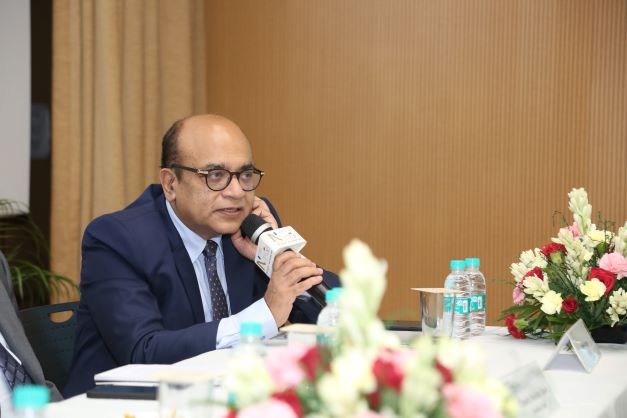 Dr Mridul Saggar concluded the discussion by suggesting that while India had made a giant leap in financial inclusion, there was scope to do more with the help of technology. Despite the proportion of the population having bank accounts more than doubling from 35 per cent in 2011 to 77 per cent in 2021, India still had the largest absolute number of unbanked population. We have not leveraged the technology enough to support financial inclusion. The opportunity provided by mobile money accounts was under-utilised as such accounts comprised just 4.6 per cent of the total number of bank deposit accounts. He also noted that a Schumpeterian creative destruction was taking place with the use of digital technology, and that it is important to regulate platform-based finance constructively to further financial access.
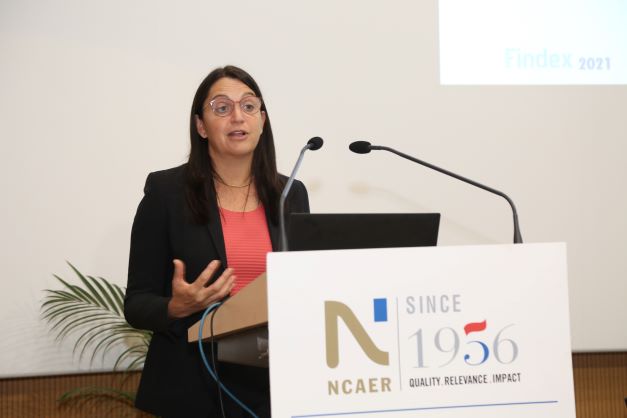 The Panel Discussion was followed by a presentation on the FINDEX Report, 2021, by Dr Leora Klapper. During her presentation, Dr Klapper, who is also co-author of the Report, flagged the following salient points: (i) Digital financial services (mobile money, cards, and e-wallets) have catalysed account usage around receiving and making payments, saving, storing money, and borrowing; (ii) Mobile money in Sub-Saharan Africa and Asia has driven growth in account ownership, digital payments, and formal savings; (iii) In developing economies, the gender gap across access and usage remains – but has significantly narrowed; and (iv) In many economies, the pandemic accelerated the use of digital payment.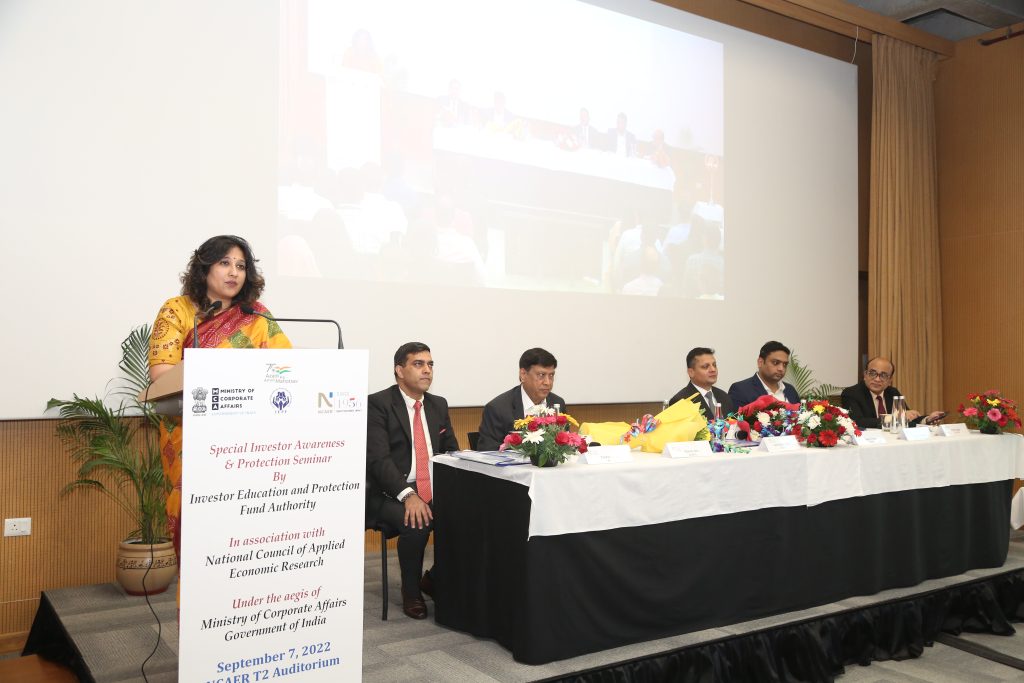
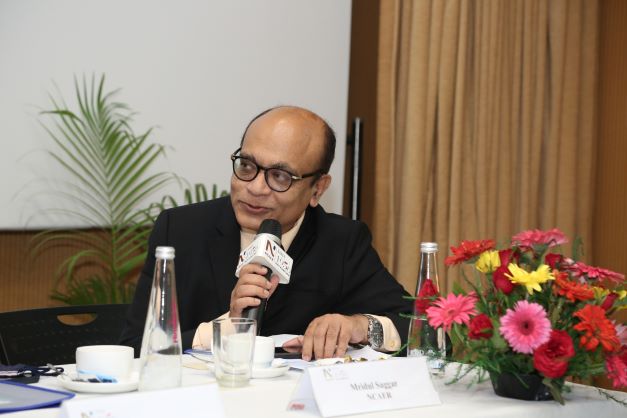 Dr Mridul Saggar, the IEPF Chair Professor at NCAER, in his presentation highlighted several dimensions of policies and practices that have a bearing on protecting investors’ interest and suggested the future agenda in this respect. He covered issues relating to corporate governance, digital assets, ESG investing, market integrity, intermediation costs, day trading and margin trading. He drew attention to the sharp fall in the saving and investment rates by 9.6 ppt and 12.5 ppt of GDP from their its peaks in recent years and said this was one of the important reasons why the Indian economy had slowed down in recent years with GVA growth averaging 5.0 percent during 20111-12 to 2020-21 compared with 8.5 percent during 2003-04 to 2010-11. He said maintaining macro-financial stability was of paramount importance in this context if we were to lift back saving and investment rates to earlier highs. He added that not just fiscal incentive and positive real rates were essential for this, but buffeting investor protection could go a long way in achieving this goal as both domestic and foreign investors were sensitive to such stability and governance quality. He also urged minority shareholders to exercise their rights and maintain vigilance over controlling shareholders.
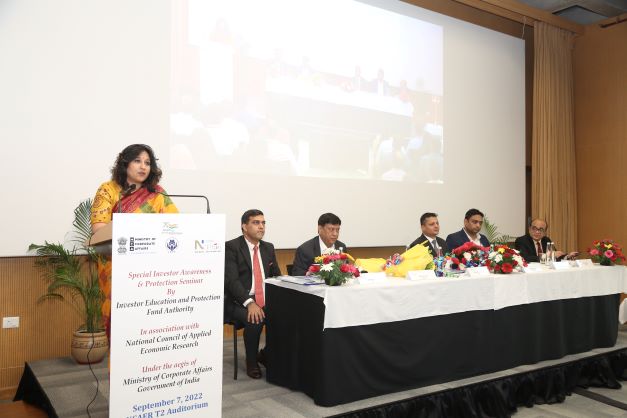 Delivering the keynote address at the seminar the CEO, IEPFA, and Joint Secretary in the Ministry of Corporate Affairs, Smt Anita Shah Akella highlighted the imperative of educating investors and ensuring that all stakeholders were guaranteed possession of their rightful shares, dividends and debentures. She cautioned that even where influencers are used for messaging, investors must exercise their discretion.
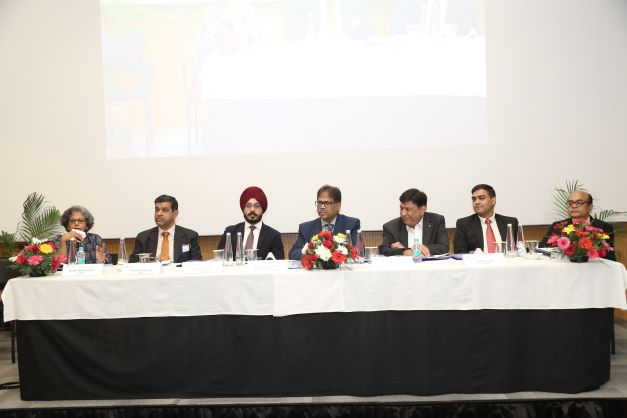 The seminar concluded with a Panel Discussion on “Investor Protection in a Digital World,” focusing on the need for safeguarding investors in an environment of increasing digitisation of financial transactions. The panel comprised of eminent experts that included Mr Jayant Kumar Dash, Executive Director, RBI, Mr Girraj Prasad Garg, Executive Director, SEBI, Shri K.P.S. Malhotra, Deputy Commissioner of Police who heads the Intelligence Fusion and Strategic Operations (IFSO) which is the Cyber Crime Unit of Delhi Police, Dr. Mridul Saggar, Mr. Rakesh Jain, member IEPFA and Lt. Col. Tushar Anand, GM, IEPFA. Moderating the panel, Ms. Mythili Bhusnurmath, Consulting Editor, Economic Times and a Senior Advisor at NCAER expressed concern about rising digital frauds and the efficacy of policies in place for customer protection in this regard. The two regulator representatives explained ta length the recent initiatives taken in this regard and said that unless the deposit holders and investors themselves paid attention to protecting themselves by following the guidelines and not sharing their private information and timely information when hacked, it was very difficult to check the frauds. Dr. Saggar expressed concern that in absence of adequate legislative framework and timely enforcement mechanisms, regulation was falling through the cracks and called for global cooperation in this area. He suggested that India should take the lead in its G20 Presidency and push for stringent measures against crypto assets and so called ‘stablecoins’ which he said was a misnomer. DCP Mr. Malhotra discussed some live examples of cases and said that the police was in close coordination with RBI and NPCI in enhancing digital protection.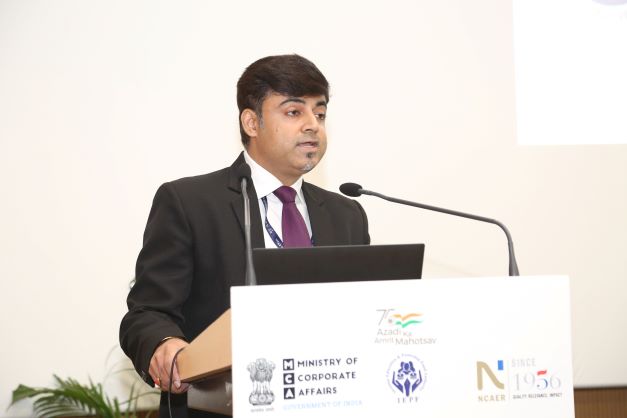
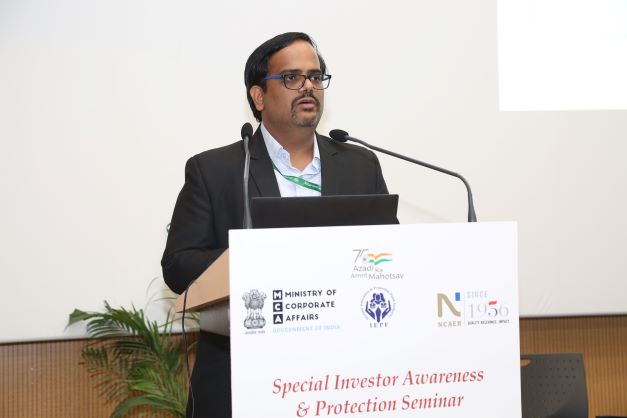 Earlier, Mr. M.R. Shri Kanth of RBI made a presentation on financial literacy and Mr. Sumit Aggarwal and Mr. Gaurav Gupta of IEPFA made a presentation on IEPFA initiatives on investor protection. They used attractive and live examples to educate the audience about possible frauds and diligence in making banking transactions, especially in the context of increasing digitization and on methods to reclaim their dividends and shares, respectively. Lt. Col. Mr. Sumit M. Rane, GM and Mr. Anil K. Sharma, Secretary, NCAER delivered vote of thanks.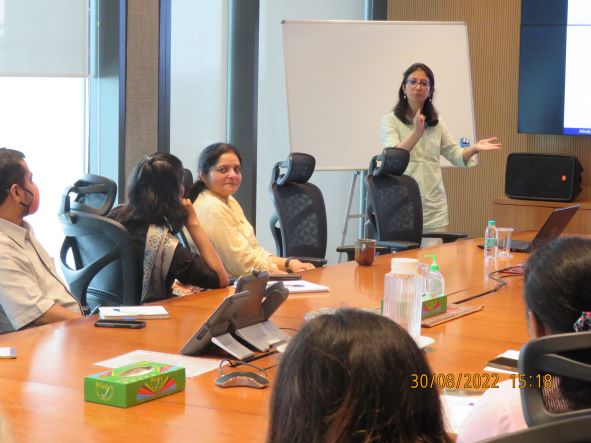
 In her presentation, Dr Mahajan suggested that while it is well-acknowledged that the gendered division of labour within marriage adversely affects women’s allocation of time to market work, there is less evidence on how extant social norms can influence women’s pre-marriage choices. The author had conducted an experiment on an online marriage market platform allowing for measuring the preferences of individuals in partner selection in India. She found that employed women receive 14.5 per cent less interest from male suitors relative to unemployed women. In addition, women employed in ‘masculine’ occupations are 3.2 per cent less likely to elicit interest from suitors relative to those in ‘feminine’ occupations. The results highlight the strong effect of gender norms and patriarchy on marital preferences, especially for men hailing from higher castes and northern India, where communities have more traditional gender norms. These findings also suggest that expectations regarding returns in the marriage market may influence women’s pre-marital labour market participation and the nature of market work.
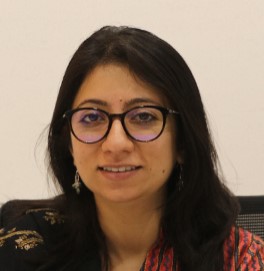 Kanika Mahajan is an Assistant Professor of Economics at Ashoka University, Sonepat, India. Her primary research interests include empirical development economics in gender, labour and agriculture. As part of her research agenda on gender and labour, she is currently working on issues around the stagnation of women’s labour force participation in urban India and the decline in female employment in rural areas—exploring both the supply-side and the demand-side linkages. Her other projects in the area of gender examine links between economic shocks and women’s employment, gender and sanitation, and violence against women. In the context of COVID-19, her research also examines the resilience of supply chains in the agriculture and manufacturing sectors in India.