

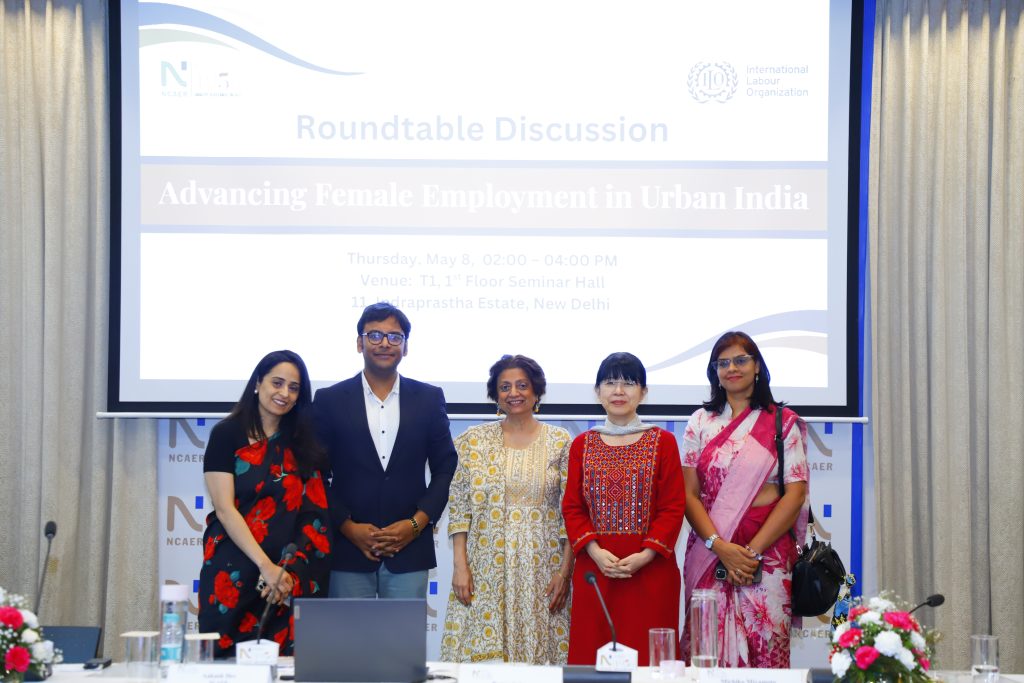
NCAER, in collaboration with the International Labour Organization (ILO), hosted a roundtable discussion on Advancing Female Employment in Urban India on 8 May 2025. The event brought together policymakers, researchers, and development practitioners to deliberate on the persistent barriers to women’s labour force participation in urban India and to explore strategies for ensuring inclusive employment growth.
 Dr Ratna Sahay, Head of NCAER’s Centre on Gender and Macroeconomy, and Ms Michiko Miyamoto, ILO Country Director for India inaugurated the roundtable. Dr Sahay underscored the transformative potential of formalising part-time employment for boosting female employment and economic growth in India. She also accentuated the importance of integrating gender considerations into macroeconomic policymaking and the often-overlooked value of care work, both within households and across the broader economy.
Ms Miyamoto emphasised the chronic neglect of the care economy in global economic discourse. She pointed out that strategic engagement from the government could unlock substantial opportunities within India’s care economy, benefiting both employment and social outcomes.
Presentations
 The first presentation at the event from Dr Aakash Dev of NCAER focused on the entrenched barriers to female labour force participation, particularly in urban settings. He identified unpaid care responsibilities, limited access to flexible work in the formal sector, restrictive gender norms, and inadequate training as major impediments to women’s labour force participation. Recent research at the Centre on Gender and Macroeconomy reveals that formalisation of part-time employment and equitable sharing of domestic care responsibilities can lead to a 6-percentage point increase in female labour force participation in India.
In the next presentation, Ms Aya Matsuura of the ILO made a compelling case for strategic investment in the care economy, not only for narrowing gender employment gaps but also for generating a huge number of decent jobs, especially in the formal education and healthcare sectors.
Key Discussion Themes
 The roundtable discussions, moderated by Dr Sahay, centred on identifying actionable interventions to enhance women’s employment in urban India. The participants highlighted the need to bridge the gap between skills training and actual entry into the labour market to ensure that training translates into tangible job opportunities. It was suggested that guaranteeing safety, accessibility and fair remuneration in employment and promoting financial literacy for women would help address both the logistical and economic barriers faced by them.
The importance of strengthening transport infrastructure to ensure safe and convenient commutes and workplace safety for women to enable sustained female workforce participation was also highlighted.
The participants also noted the potential of technology to reduce physical labour, and sector-specific strategies—particularly in manufacturing industries such as automotive—to challenge gender stereotypes and bring more women onto shop floors.
The roundtable concluded with a recognition of the complex barriers limiting women’s labour force participation in urban India, and the need for coordinated multi-sectoral policy action to create a more gender-inclusive and equitable urban labour market.
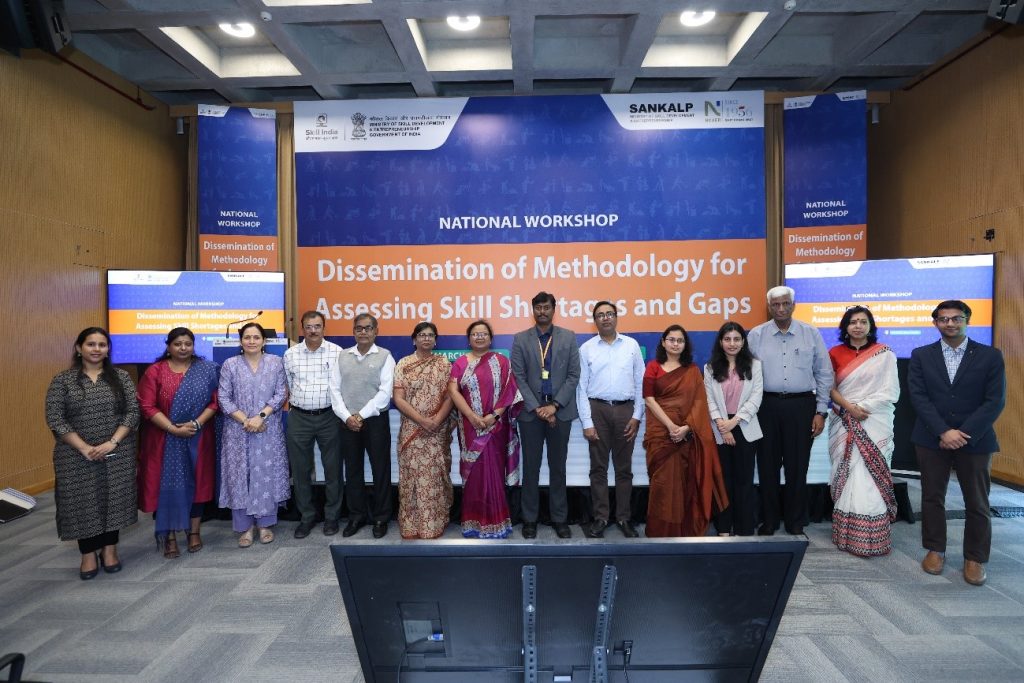
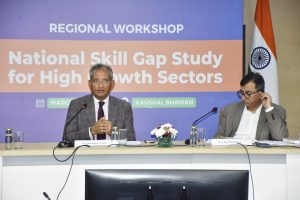
 Dr. Sharma welcomed everyone to the workshop. He discussed about the challenges we are facing today for upskilling and reskilling the labour, and keeping this in mind NCAER started working on skills about 10 years ago.
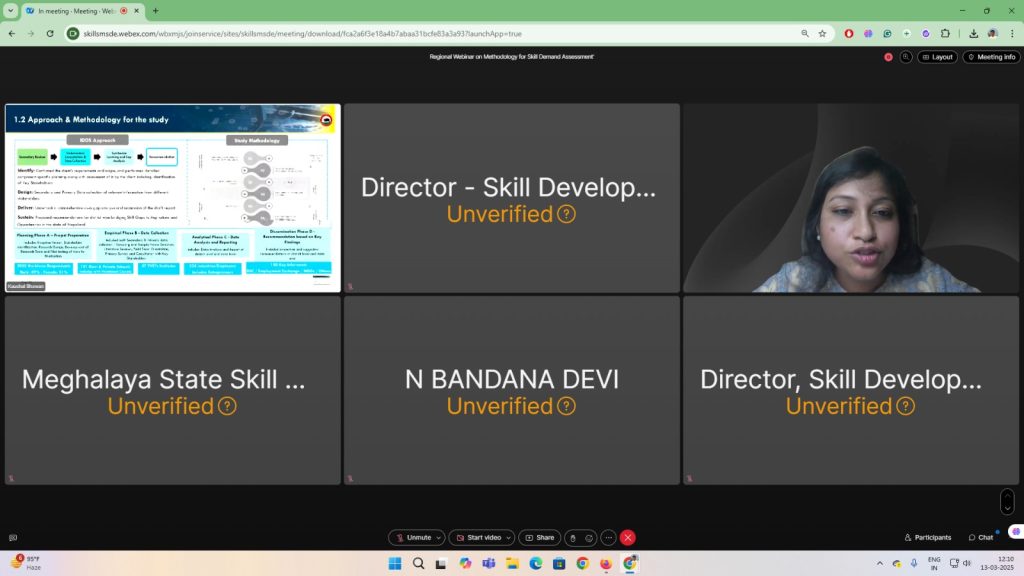
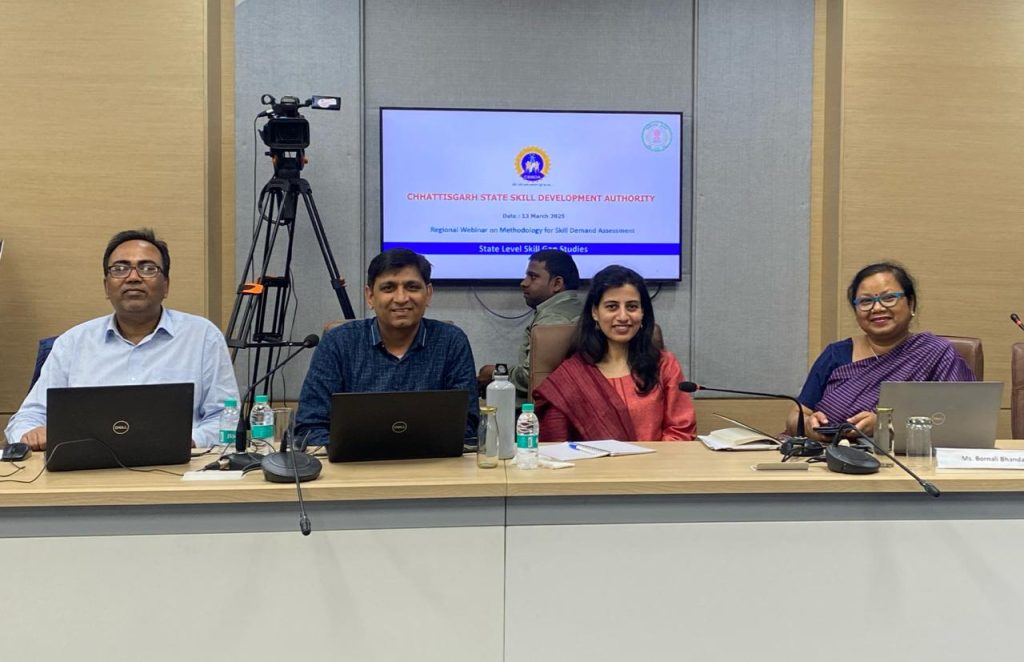
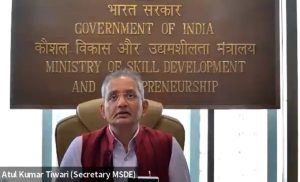 Shri Tiwari thanked Dr Poonam Gupta, Dr Anil Sharma and Prof Bhandari and her team. He introduced to the audience that the national workshop was the culmination of a series of workshops to present the methodology for assessing skill shortage and gap. From a public policy perspective, the importance of the study stems from the fact that India needs targeted skilling interventions, for which we need a proper understanding of what the skill demand is.
 Shri Tiwari hoped for this methodological prototype to serve as a dynamic framework for continuous skill demand assessment, which evolves with economic shifts and technological advancements, and for it to be replicated at sub-national and sectoral levels to ensure state level and industry specific skill planning.
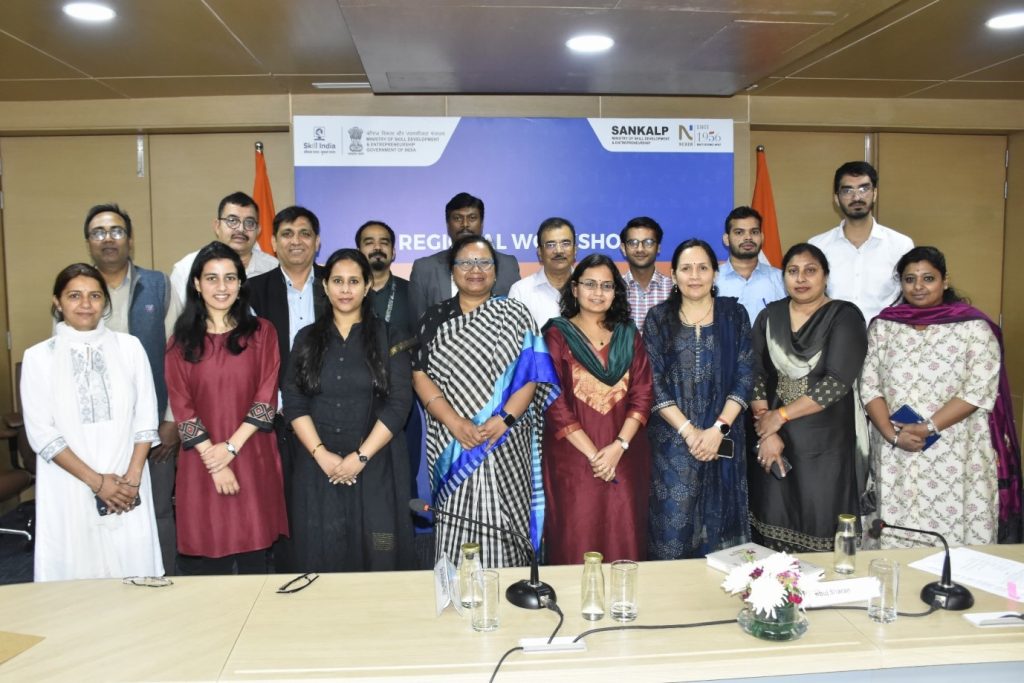
 The Director, Skills Acquisition and Knowledge Awareness for Livelihood Promotion (SANKALP) MSDE, Shri V.S. Arvind gave the inaugural remarks.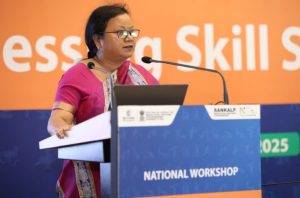
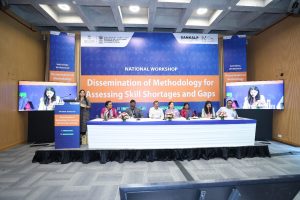
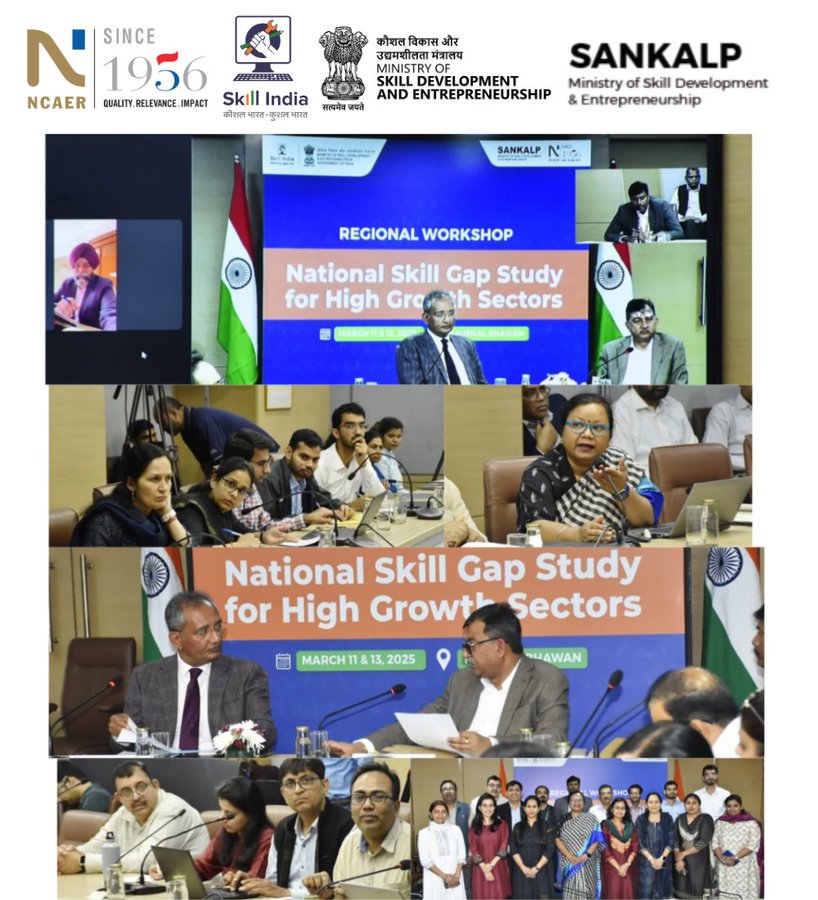
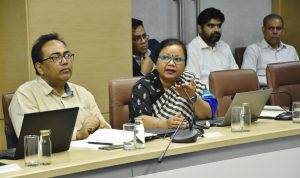


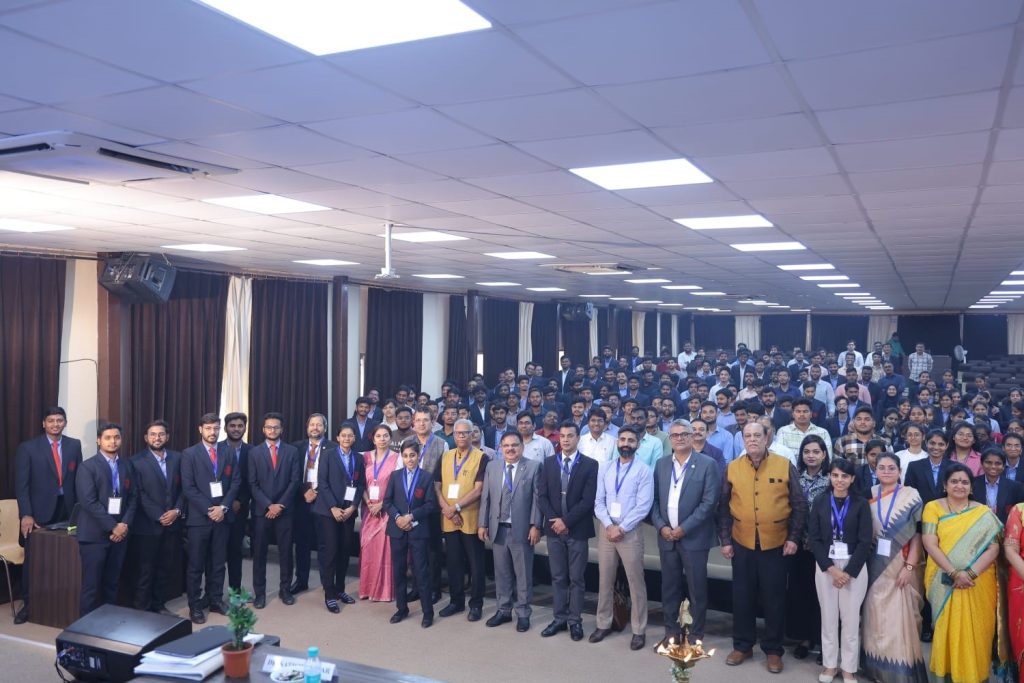
 An esteemed panel of experts who shared insights on financial inclusion, regulatory frameworks, and the role of digitalization in promoting investor education. Prof. B. J. Rao, Vice Chancellor, University of Hyderabad offered the inaugural address. The session was moderated by Dr. C.S. Mohapatra, IEPF Chair Professor, NCAER, (Speaker & Moderator). Lt Col Aditya Sinha, GM, IEPFA, Ministry of Corporate Affairs; Mr. Krishnan Iyer, Senior Vice President – Business Development, NSE India Ltd.; Dr. Tirthankar Patnaik, Chief Economist, NSE India Ltd.; Dr. Mamta Suri, Former Executive Director, IRDAI & IBBI; Prof. Debashis Acharya, Professor, School of Economics, University of Hyderabad; and Dr. Satish Kumar, Professor, Finance & Accounting, IBS Hyderabad (ICFAI Foundation for Higher Education) attended the workshop as experts. They shared their insights on financial literacy, regulatory policies, digital transformation in investor education, and strategies for enhancing investor protection in India’s capital markets.
 After the traditional lamp lighting ceremony, Mr. Krishnan Iyer welcomed the participants. Prof. B. J. Rao, Vice Chancellor, University of Hyderabad, in his inaugural address and discussed the role of digital innovation in financial education and how academia can contribute to bridging financial literacy gaps among students and young investors. Ms. Anita Shah Akella, CEO of IEPFA and Joint Secretary in the Ministry Corporate Affairs, in her message, conveyed that investor education and protection is on the national agenda and highlighted IEPFA’s efforts in creating a more informed, protected, and empowered community of investors. Through her message, read out by Lt. Col, Aditya Sinha, GM, IEPFA, she encouraged all to actively participate, engage with IEPFA initiatives and take this opportunity to enhance their understanding and promote advocacy of investor rights and education.
 Dr. C.S. Mohapatra, IEPF Chair Professor at NCAER, who served as the moderator for the session, in his opening remarks, Dr. Mohapatra explained investor education is a continuous process that requires synergy among stakeholders and the effective use of digitalization to remain relevant in an evolving financial landscape. Dr. Mohapatra emphasized that financial literacy efforts must be sustained, collaborative, and technology-driven to empower investors with informed decision-making skills. Targeted programs, such as women and rural investors, are crucial for inclusive financial empowerment. Ultimately, a dynamic and technology-integrated approach is essential to making investor education a priority, he stressed.
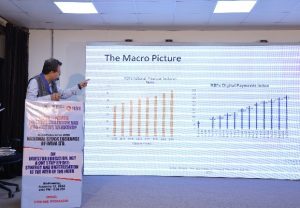 Dr. Tirthankar Patnaik highlighted the influence of data-driven financial education and the role of digitalization in strengthening market confidence. Dr. Mamta Suri discussed regulatory measures in the insurance and financial sectors, leveraging her expertise in risk management and corporate governance. She spoke about the importance of policy interventions in safeguarding investors and enhancing financial resilience. Prof. Debashis Acharya in his address highlighted cases of fraud and cybersecurity threats in payments and banking, particularly affecting vulnerable groups. He underscored the urgent need to strengthen dispute resolution mechanisms and enhance regulatory interventions to build consumer trust and confidence in today’s payment and settlement systems. Additionally, he stressed the importance of frequent, customized financial literacy and awareness programs tailored for rural, semi-urban, and urban users of financial services. Lastly, Dr. Satish Kumar emphasized on the special effort required for senior citizens and stated that Digitalization is transforming financial access for Indian pensioners, making investments more transparent and efficient. Coupled with robust investor education, it empowers them to make informed decisions, ensuring financial security in retirement. In his concluding remarks, Dr. C.S. Mohapatra highlighted the importance of synergetic and structured financial education and how applied research can support investor protection strategies. The workshop culminated with an interactive Q&A session, allowing participants to engage with experts on key investor-related concerns.