India is facing a silent elderly care crisis. Budget 2026 must confront it

India has a framework of policies and programmes aimed at supporting older persons, but these are under-utilised and under-resourced relative to the scale of need.

At 101 and 92, the two sisters lived alone in a senior citizen housing complex in Pune, a bustling city. Former freedom fighters and fiercely independent, they were determined to retain control over their daily lives for as long as possible. The only close relative — the elder sister’s only son — was himself close to 80, single, and increasingly unable to care for his mother as her mobility and health needs intensified. 

When managing on their own became impossible, the sisters were moved from the housing complex into an assisted care home — a solution that exists more by exception than by design in India. The younger sister died there. The elder, who was later moved to another facility with her son, passed away late last year at the age of 104.

This true story, deeply unsettling in its own right, involves elderly who could afford at least some support, unlike many other elderly in India without adequate financial resources. It underscores a national challenge unfolding silently: millions of elderly Indians are ageing without reliable support. 

As we wait for the upcoming Union Budget, policymakers must grapple with not just headline issues such as investment climate, fiscal prudence, and job creation, but also a demographic shift affecting over 150 million Indians aged 60 and above, a figure expected to reach 230 million by 2036 and nearly 350 million by 2050. The Union Budget 2026 offers a critical opportunity to reimagine elderly care as essential demographic infrastructure. 

Old and alone

While most older adults live with families, a significant minority are ageing alone or living with another older adult, usually a spouse. According to estimates based on the latest Periodic Labour Force Survey (2023-24), which covers the demographic details of each household member, around 20 per cent of the elderly population lives alone or with another elderly household member. This translates to an alarming 30 million elderly people living all by themselves. There is a slightly higher prevalence in urban areas, at 21.6 per cent, as compared with 18.3 per cent in rural areas, highlighting shifts in traditional living arrangements, with women disproportionately represented among the elderly living alone.

Despite this reality, formal institutional care remains scarce. According to recent government data, as of 2025, there are 696 senior citizen homes across India, providing shelter, nutrition, medical care, and recreation, with 84 new homes approved in the current financial year. Even so, they serve a very small fraction of the elderly.

India has a framework of policies and programmes aimed at supporting older persons, but these are under-utilised and under-resourced relative to the scale of need. The National Policy on Older Persons (1999) articulates goals for financial security, healthcare, and shelter, but lacks clear budget lines and measurable outcomes. 

Broader social security programmes provide some financial cushioning: pension-targeted savings schemes like the Senior Citizens Savings Scheme and Pradhan Mantri Vaya Vandana Yojana offer income support for eligible seniors, while flagship schemes like Ayushman Bharat extend health insurance that can reduce hospitalisation costs, albeit without elder-specific long-term care coverage. As of December 2024, more than 1 million senior citizens aged 70 years and above had enrolled for Ayushman Vay Vandana Card, enabling them to access free healthcare benefits under the AB PM-JAY.

All these measures are demand-side interventions that improve the affordability of care for the elderly, but they do little to expand the overall supply of healthcare facilities in India, and even less so for elder-specific care. Health initiatives such as the National Programme for Health Care of the Elderly (NPHCE) aim to integrate preventive and curative geriatric care into public health infrastructure, but coverage and specialist capacity remain limited, with uneven implementation across states. 

A budgetary realignment

The human consequences of this gap are stark. Older adults living alone or with limited family support face a higher prevalence of loneliness, mental health challenges, and unmet daily care needs, even as chronic diseases become more common with age. In one survey, conducted across communities in India, more than half of older adults reported feelings of loneliness, and a third said they experienced social isolation — conditions that directly affect well-being. 

The Maintenance and Welfare of Parents and Senior Citizens Act, 2007 and the subsequently amended Maintenance and Welfare of Parents and Senior Citizens (Amendment) Act, 2019 legally obligate children and heirs to provide maintenance to parents. Yet it remains under-invoked and difficult to enforce for several reasons, including a lack of awareness and social stigma.

Elderly care requires dedicated financial support to expand geriatric healthcare, including training specialists, establishing more geriatric wards and outpatient services, and financing community- and home-based care networks that can support seniors ageing in place. Subsidised assisted living and scaling up of senior citizens’ homes must be part of a broader continuum of care, with priority given to low-income and rural seniors who lack family support. 

Social security systems should be strengthened and indexed to inflation to ensure income adequacy for basic needs and healthcare. Additionally, investing in robust data systems to monitor living arrangements, service utilisation, and policy outcomes will improve planning and accountability.

Without such a budgetary realignment, the limited care the Pune sisters accessed and self-funded will remain unattainable for most elderly Indians, and even those who can afford it will find options scarce, allowing precarious ageing to become the norm rather than the exception in a rapidly ageing country.

Vidya Mahambare is a Professor of Economics at the Great Lakes Institute of Management, Chennai. Poonam Munjal  is a professor and Palash Baruah is a fellow at the National Council of Applied Economic Research (NCAER), Delhi. Views are personal.

India-EU deal, a conditional win 

The deal creates economic and strategic opportunities, yet its sustainability will depend on how adjustment costs are managed and how quickly firms are enabled to become competitive.

After nearly two decades of intermittent negotiations, India and the European Union have finally moved towards a comprehensive trade agreement that is being billed as both economically significant and strategically consequential. Given the scale of the two markets and the breadth of the proposed commitments, the deal has the potential to reshape India’s engagement with advanced economies. Whether it becomes a genuine win-win, however, depends less on tariff cuts alone and more on how adjustment costs and regulatory frictions are managed.

At its core, the agreement seeks to lower tariffs and reduce non-tariff barriers across a large share of bilateral trade, with liberalisation to be phased in over time. Market access for European automobiles, wines, and industrial machinery is expected to improve, while Indian exports such as textiles, gems and jewellery, chemicals, marine products, and selected services gain preferential entry into the EU. Sensitive sectors, particularly agriculture and dairy, remain largely protected — reflecting political realism on both sides.

The economic asymmetry that the deal seeks to address is clear. The European Union is currently India’s second-largest trading partner, with bilateral trade in goods and services exceeding €120 billion annually. Yet India accounts for less than 3 per cent of the EU’s total external trade, while the EU represents a far larger share of India’s high-value exports and inward foreign direct investment. Average applied tariffs in India on many industrial goods remain several times higher than those faced by Indian exporters in Europe, especially in automobiles, wines, and capital goods. The agreement narrows this imbalance while retaining safeguards for India’s most sensitive domestic sectors.

From the EU’s perspective, improved access to a large and fast-growing consumer market is a commercial prize at a time when global trade is becoming more fragmented. Lower tariffs and clearer investment rules reduce costs for European firms and help diversify supply chains away from excessive geographic concentration. For India, the gains are not limited to exports. Deeper integration with the EU can attract higher-quality investment, embed domestic firms into global value chains, and support the shift towards more technology- and skill-intensive manufacturing and services.

Adjustment pressure

However, trade liberalisation is never distribution-neutral. While consumers and competitive exporters stand to gain, adjustment pressures will be felt by firms that have grown under high tariff protection, particularly smaller and less productive enterprises. In sectors such as automobiles and select manufacturing segments, the pace and sequencing of tariff reductions will matter as much as the headline numbers. Without complementary domestic policies — access to finance, skilling, and easier regulatory compliance — trade openness can quickly become politically contentious.

Regulatory standards form the second major fault line. The EU has consistently pushed for strong commitments on sustainability, labour norms, and regulatory alignment. Measures such as the Carbon Border Adjustment Mechanism, though motivated by climate objectives, risk functioning as de facto trade barriers unless India accelerates its transition to cleaner production. The agreement’s emphasis on technical cooperation and climate finance is therefore not peripheral; it will be central to ensuring that compliance costs do not undermine export competitiveness.

Beyond economics, the deal carries strategic weight. As global supply chains are reconfigured amid geopolitical uncertainty, both India and the EU are seeking reliable partners. For Europe, India offers scale, growth, and political alignment in the Indo-Pacific. For India, closer economic ties with the EU strengthen its negotiating position globally and reduce dependence on any single market. In this sense, the agreement is as much about strategic insurance as it is about trade flows.

So, is the India-EU trade deal a win-win? In aggregate terms, yes — but conditionally so. The agreement creates clear economic and strategic opportunities for both sides. Yet its political sustainability will depend on how adjustment costs are managed, how quickly firms are enabled to become competitive, and whether regulatory ambitions are matched with practical support.

Trade agreements open doors; they do not automatically ensure that all firms can walk through them. If India pairs this deal with targeted support for small enterprises, investments in skills and green competitiveness, and continued improvements in logistics and ease of doing business, the gains can be broad-based. If not, the benefits may remain concentrated, even as the politics become more fragile.

The real test of the India-EU trade agreement, therefore, will not lie in the signing ceremony, but in the domestic follow-through that determines whether openness translates into sustained and inclusive growth.

The writer is Senior Fellow at NCAER, New Delhi. Views expressed are personal.

India’s Economic Momentum and the Missing Gender Balance

Economics often feels abstract, something that exists in charts and equations rather than in everyday life. But once the jargon is stripped away, it looks surprisingly familiar. It behaves a bit like a bicycle. It needs motion to stay upright, balance to move smoothly, and constant adjustment as the terrain changes. Push one part too hard, or ignore another, and the ride becomes unstable. And not everyone is riding under the same conditions.

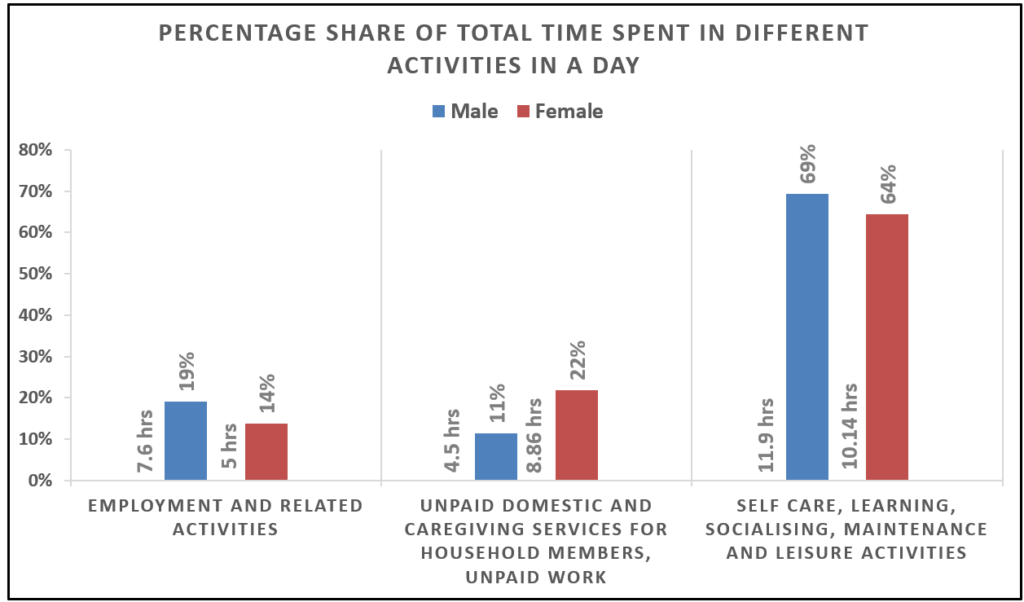
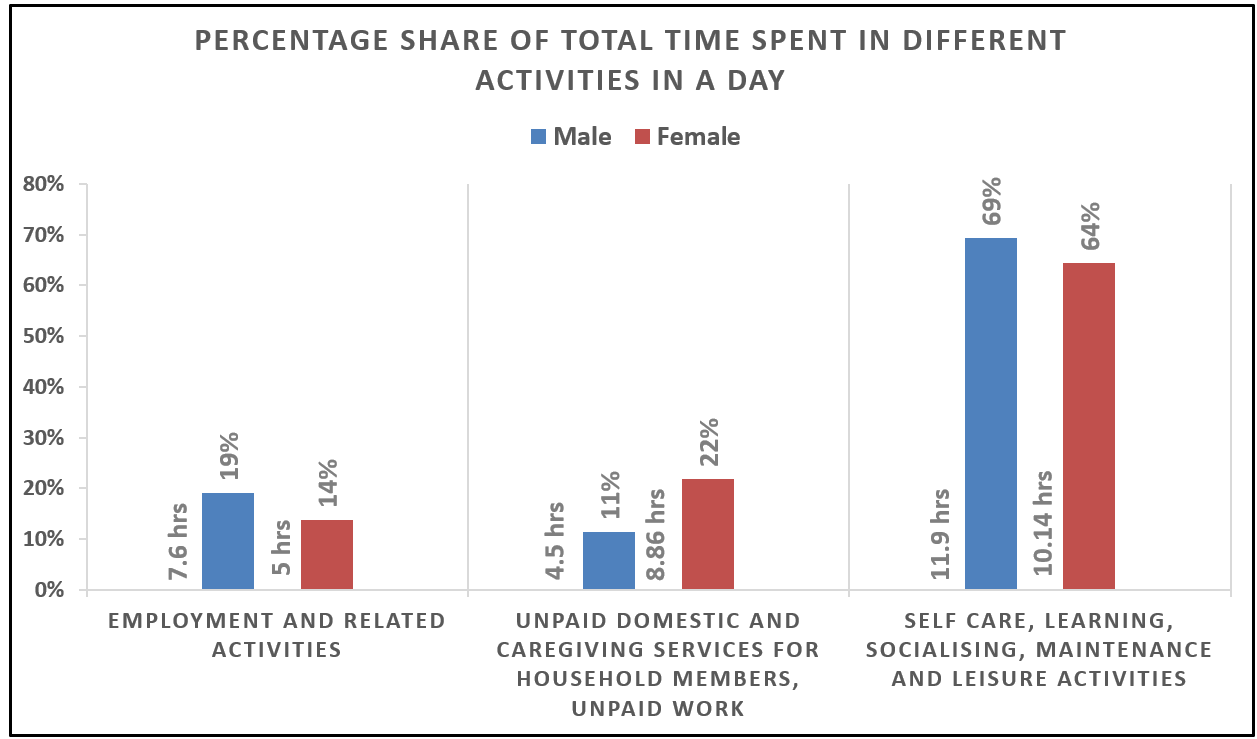
Take money. It is the air in the tyres. Too little of it and the economy slows down: spending weakens, investment stalls, jobs disappear. Too much, and the tyre bursts. Inflation eats into savings, creates uncertainty, and quietly reshapes daily decisions. This is not an abstract macroeconomic concern. It shows up in grocery bills, school fees, and household budgeting. Women, who continue to shoulder a disproportionate share of household management and unpaid work, are often the first to feel the strain when prices rise and margins tighten.

Interest rates act as brakes. They are necessary. An economy without brakes risks overheating. But sharp or prolonged tightening can cause the bicycle to skid. Higher borrowing costs discourage investment and hiring, especially among smaller firms that depend on credit. Women-led enterprises, which are typically smaller and less asset-heavy, are particularly exposed. Monetary policy may be designed to be neutral, but its effects are filtered through existing economic and social inequalities. In practice, neutrality is rare.

For the bicycle to move forward at all, someone has to pedal. Consumption and investment provide that momentum. Households spend when incomes feel secure; firms invest when expectations about the future improve. This is where women’s work becomes macroeconomically important. Higher female labour force participation strengthens demand, stabilises consumption, and improves productivity. An economy that keeps women out of paid work is, quite literally, operating with less power.

A recent research paper, co-authored with Dr. Ratna Sahay at NCAER and published in Economic and Political Weekly, helps explain why this remains such a persistent challenge in India. Two constraints stand out. The first is the unequal burden of unpaid care work. Indian women spend far more time than men on childcare, eldercare, and domestic tasks, raising the effective cost of entering and remaining in paid employment. The second constraint is institutional. India still lacks a clear legal framework for part-time work. Flexible jobs exist, but mostly in informal and insecure forms.

This matters because flexibility, when properly regulated, allows people to remain attached to the labour market across different life stages. The EPW study shows that formally recognising part-time work and encouraging a more equal sharing of care responsibilities could raise female labour force participation by around six percentage points. By macroeconomic standards, this is a large gain. It translates into higher household incomes, a bigger effective workforce, and stronger growth over time.

Fiscal policy is the bicycle’s gear system. Gears determine how efficiently effort is converted into speed. Public spending on childcare, health, education, and social protection is often treated as peripheral to “core” economic policy. In reality, these are growth-enhancing investments. When care responsibilities fall almost entirely on women, economic effort leaks away through exhaustion, interrupted careers, and lost talent. Ignoring care is not fiscally prudent; it is economically short-sighted.

Balance is also shaped by social norms. An economy that ignores unpaid work misjudges its own centre of gravity. Women frequently work longer total hours than men once unpaid labour is counted, yet this contribution remains invisible in official statistics. The result is an economy that appears stable on paper but is constantly leaning to one side. Policies that redistribute care through public services and within households help restore balance and resilience.

Trade and exchange-rate policy ring the bell as the bicycle moves forward. Global integration can create jobs, including for women in export-oriented sectors. But without labour standards and social protection, it can also deepen vulnerability. Competitiveness should not come at the cost of security. Even the best bicycle struggles on bad roads. Infrastructure matters, not just roads and power, but safe transport, digital access, and reliable public services. These constraints raise costs for everyone, but especially for those balancing paid work with care responsibilities.

Finally, direction is a political choice. Growth does not automatically deliver gender equality. It reflects deliberate decisions about institutions, public spending, and rights. Economies that invest in women’s work and care tend to grow more steadily, with fewer breakdowns along the way. Economics, like cycling, is not static. Standing still leads to a fall. But speed without balance is just as risky. Gender is not a side issue in this journey. It shapes how the economy moves, how stable it is, and how far it can go. A better ride begins when everyone is allowed not only to pedal, but to steer.

Aakash Dev is an Associate Fellow at NCAER. View are personal.

Self-employment in India: Promoting entrepreneurship for quality job creation

Historically, India has had a much larger share of workers who are self-employed and a smaller proportion of wage and salaried workers. In this post, Farzana Afridi outlines recent trends in self-employment and the key issues associated with such work. She proposes policy solutions to address constraints around skilling, access to formal credit, and legal support in order to improve the quality of self-employment.

Two characteristics of India’s labour force are striking – the low rate of participation of the working-age population in the workforce (50%) and second, the almost stagnant structure of workforce participation. India has a much larger share of workers who are self-employed and a smaller proportion of wage and salaried workers than most other middle-income economies. This structure of the labour force participation has not shifted much in decades (Figures 1a, 1b). The continued predominance of the agricultural sector and relative shift towards the services sector, bypassing manufacturing, has a significant role to play in the continued high levels of self-employment we observe. This muted structural transformation carries adverse implications for both worker productivity and the quality of work.

Figure 1a. Structure of employment: Proportion of self-employed 

Figure 1b. Structure of employment: Proportion of wage/salaried workers

Source: Afridi (2025); Based on data from ILO (International Labour Organization) estimates, World Bank Database.

Of the working population, over half are categorised as self-employed – almost 60% in rural areas and about 40% in urban areas, with an uptick in this statistic between 2017-18 and 2023-24, particularly in rural areas and for women. At the same time, there is a stark compositional difference in self-employment of men and women.  For males, the category of ‘own account worker’ dominates the composition of the self-employed, while most self-employed women are ‘helpers in household enterprises’. Although the gender gap in the proportion of own account workers has declined between 2017-18 and 2023-24, the proportion of self-employed females in the category of ‘helpers’ has also increased between 2017-18 and 2023-24.

Figure 2a. Proportion self-employed, salaried, and casual workers (male)

Figure 2b. Proportion self-employed, salaried and casual workers (female)

Source: Afridi (2025); Based on data from Periodic Labour Force Survey (PLFS), various years.

The increase in the proportion of self-employed workers overall, and women’s self-employment, indicates a worrying rise in the informality of work. The operational criteria used in most economies to define formal jobs – coverage by social security system; entitlement to paid annual or sick leave, and written employment contract – are missing for the self-employed. Two other features of self-employed work are notable – low earnings and significant underemployment. First, not only are the earnings of the self-employed barely above those engaged in casual labour, the gender gap in self-employed earnings has increased between 2017-18 and 2023-24, with the gap expanding more in rural relative to urban areas (Figure 3). This gap is likely worse than reported – women are more often ‘helpers in household enterprises’ and almost all helpers (irrespective of gender) report zero earnings. Second, for both rural and urban self-employed women, the hours of work is very low, at less than 40 hours per week. In most quarters, therefore, the proportion of workers who are available for additional work is highest amongst the self-employed in rural areas.

Figure 3. Gender gap in self-employed earnings

Source: Afridi (2025); Based on data from PLFS, various years.
Note: Current prices for April-June quarter.

Measurement concerns notwithstanding, the majority of self-employment work is undoubtedly of poor quality, low paying and is probably the fall back option when better work opportunities are unavailable, particularly in rural areas and for women. What are the constraints to improving the quality of self-employed work?

Low education and skills, poor access to formal credit and legal support stand out as the main limitations to improving the quality of self-employment and consequently the overall nature of work in the country. While these constraints impinge on all self-employed workers, they are often particularly binding for self-employed women.

Education and vocational training

The proportion of self-employed with grade 12 or above education was only 17% in 2017-18 and has increased only marginally to 20.6% in 2023-24. Education levels are particularly low for self-employed women – 9% of these women had completed high school or higher in 2017-18, which has inched to just 11.4% in 2023-24. In addition, the proportion of all self-employed with any formal or vocational training is abysmal at 3%. Vocational training is vital for high quality self-employment and can be a transforming force for significantly enhancing the quality of self-employment and entrepreneurship, broadening occupational choices and expanding work opportunities.

A conscious effort ought to be made to link skill training and entrepreneurship. A recent NITI report on overhauling ITIs (industrial training institutes) states that “hardly any ITI arranges for tie-ups with financing institutions to make credit accessible to ITI pass outs for starting an enterprise. Though the PM Mudra Yojana is open for a range of self-employed people such as small manufacturers or artisans, ITIs so far have not been able to channel any start-up funds for their trainees.”

Access to formal credit

Lack of access to formal credit markets limits the size and scope of self-employment, entrepreneurship and the ability to create establishments that generate employment. For instance, 41% of all unincorporated, non-agricultural establishments that employ about 10 crore workers in 2023, operate on a small scale and within household premises, as per the Annual Survey of Unincorporated Sector Enterprises (ASUSE). 5.53 crore of these establishments are Own Account Establishments (OAEs) – establishments that have not employed even one hired worker on a fairly regular basis. This implies that less than 1/5th are Hired Worker Establishments (HWE) that create employment by hiring other workers. Not surprisingly, the annual Gross Value Added per worker, or worker productivity, in OAEs is about 50% of that in HWEs on average (Rs. 100,000 versus Rs. 200,000), as detailed by the India’s Employment Prospects Report (2025).

Lack of access to formal credit not only raises the cost of borrowing and reduces the size of available loans, it also restricts the capacity and size of the entrepreneur and their enterprise.

Administrative and legal support for entrepreneurs

Although the ease of doing business has been steadily improving in India, starting a formal enterprise remains challenging even when the entrepreneur has the technical know-how and access to credit. The administrative and legal landscape for setting up a formal business or enterprise is often complex. The World Development Report, 2024 notes that because their time and talent are limited, (firm) owners are compelled to manage firms through their families which inhibits their ability to grow. By some estimates, the lack of professional managerial support could account for 11% of the difference in per capita incomes between India and the United States.

Furthermore, access to legal recourse in the event of business disputes is fraught with challenges. Inadequate legal access entails frictions in contract enforcement, which lowers aggregate productivity of establishments. Studies show that efficiency of courts in India matter for future growth in the formal manufacturing sector (Amirapu 2021).  According to the ASUSE, a majority of the unincorporated enterprises that are proprietary or partnerships are run by minorities. Research shows that court quality has a disproportionately larger (negative) impact on the investment decisions of SC/ST (scheduled castes/tribes) entrepreneurs (Saha et al. 2022) This further limits the ability of these informal establishments to expand, grow and create employment.

With the creation of jobs continuing to be a challenge in the near future, vocational training together with access to credit and legal support can enhance the quality of self-employment and give a boost to entrepreneurial activity in the country.

This piece is based on the author’s keynote address to the Indian Society of Labour Economics (ISLE) Conference 2025 and published in the Indian Journal of Labour Economics (2025).

Are Finance Commission grants empowering India’s panchayats?

The grants have strengthened local finances, but deep-rooted institutional constraints remain a challenge

 For more than a decade, Finance Commission (FC) grants have served as the backbone of fiscal decentralisation in India. They were intended to give Panchayats predictable, formula-based resources so that local governments could plan works, maintain essential services and respond to citizens’ needs without navigating layers of approvals.

NCAER study

The latest NCAER study, which covers more than 500 Gram Panchayats across diverse States, shows that while FC grants have significantly strengthened local finances, their transformative potential remains un-even and constrained by deep-rooted institutional challenges.

There is no doubt that the quantum, predictability and autonomy associated with FC funds have expanded the operational space for Panchayats. Many local governments now receive funds on time, allowing them to prepare more structured annual plans. Panchayats across States reported that the grants helped them address basic civic needs —repairing drains, restoring handpumps, improving waste disposal, or upgrading community infrastructure — more efficiently than before.

Tied grants, allocated specifically for drinking water, sanitation and O&M, have brought visible WASH (Water, Sanitation and Hygiene) improvements. In several States, more than half the surveyed Panchayats reported full utilisation of these funds, and the physical assets created— pipelines, soak pits, repaired tanks, waste collection points — reflect this momentum.

Untied grants have been even more empowering, giving Panchayats the freedom to respond flexibly to emerging issues, whether repairing a rural road damaged by unexpected rains, hiring sanitation workers temporarily, or addressing gaps not covered under any centrally sponsored scheme.

Persistent bottlenecks

Yet the study also highlights persistent bottlenecks that dilute the over-all impact of FC grants. Weak planning and documentation systems remain a major hurdle. Many Gram Panchayats prepare annual plans in a largely mechanical way, often reusing old templates rather than grounding priorities in real household-level needs. Critical tools such as asset registers, service-level benchmarks and risk maps are incomplete or missing altogether. As a result, funds are spent, but not always on the highest-impact activities.

Capacity constraints are equally significant. Panchayat secretaries are frequently overburdened, sometimes managing multiple GPs. Technical personnel—engineers, accountants, data assistants—are often unavailable, and elected representatives rarely receive continuous training on procurement, financial reporting or O&M planning. Even the existing capacity-building programmes for secretaries and executive officials are out dated and need to be refreshed to reflect current technologies and ad-ministrative practices.

In this environment, even motivated Panchayats find it difficult to pre-pare robust plans, execute works efficiently, or uphold the transparency and compliance standards expected for FC-funded activities. In such contexts, even well-intentioned Panchayats struggle to prepare quality plans, execute works efficiently or maintain the transparency standards required for FC-funded activities.

Compounding this is the issue of over-regulation from higher administrative tiers. Despite the intent of the Finance Commissions to allow local autonomy, some States continue to impose unnecessary restrictions on the range of permissible works, or create procedural delays through complex approval and audit requirements. This restricts the very discretion that FC grants were designed to enhance. The result is a highly un-even picture: while some States and districts demonstrate high utilisation of both tied and untied grants, others struggle to cross even the half way mark. Differences in institutional capacity, staffing levels and State-level governance norms create unequal development opportunities for rural communities across India.

Operations and maintenance gap

A particularly critical gap highlighted by the study is in the area of operations and maintenance. The 15th Finance Commission rightly placed strong emphasis on O&M for water and sanitation assets, recognising that sustainability depends on regular upkeep. However, field evidence shows that O&M plans are rarely prepared, user charges remain mini-mal, and most Panchayats depend almost entirely on grants even for routine maintenance. The consequence is predictable: infrastructure gets built, but its long-term functionality is not guaranteed.

If FC grants are to fully empower Panchayats, the next phase of decentralisation must focus as much on institution-building as on fund transfers. Strengthening local capacity is essential — through regular training for elected members and staff, dedicated accountants at the GP level, and access to technical support for preparing and monitoring works. Planning processes need to shift from mechanical GPDP preparation to evidence-based, forward-looking strategies grounded in actual service gaps, demographic trends and environmental risks.

More transparency needed

Transparency must be enhanced through simple mechanisms such asopen budget displays, social audits and public dashboards on O&M performance, which build citizen trust and improve accountability.

Finance Commission grants have undoubtedly widened the fiscal and functional space for Panchayats. They have enabled improvements in basic services, encouraged local initiative and made frontline governance more responsive. But empowerment requires more than monetary transfers.

Without stronger institutions, better planning systems, and clearer ac-countability, the potential of these grants will remain only partially realised. India’s rural governance system stands at a turning point: with the right investments in capacity and systems, FC grants can evolve from a financial support mechanism into a genuine cornerstone of grassroots development.

Bandopadhyay is Senior Fellow, Joshi is Fellow and Bharadwaja is Research Associate, at NCAER, New Delhi. Views are personal.

    Get updates from NCAER