



The Code on Social Security, 2020, effective from 21.11.2025, recognizes gig and platform workers and mandates social security protections from platforms through a dedicated Social Security Fund. In addition to the Central Government, a few Indian states have proposed welfare contributions through transaction-based social security fees. However, this creates challenges in sectors such as ride-hailing,... Read More

India’s ambition to become a Viksit Bharat by 2047, envisioned as a USD 30 trillion economy driven by inclusive growth and global leadership requires a fundamental transformation of the financial system that ensures a comprehensive digitalized access, usage and effective grievance redressal. This paper examines the state of digitalization of India’s financial architecture for removing... Read More

The GMR group established its Corporate Social Responsibility (CSR) arm, the GMR Varalakshmi Foundation (GMRVF), in 1993. The Vision of the Foundation is to make a sustainable impact on the human development of underserved communities through initiatives in Education, Healthcare and Livelihoods. The objectives of the study are two-fold. First is to study the direct... Read More
The main objective of the exercise is to first time ‘model’ the key fiscal numbers of Uttarakhand, namely revenue, expenditures, deficits and debt for 2026−27, while keeping the GYAN needs in perspective. The GYAN stands for Garibi (Poverty), Yuva (Youth), Annadata (Farmers) and Nari (Women). The projected fiscal numbers for the State should be sustainable... Read More

India has a critical role to play in the global green transition. It can strengthen its position as a global leader in promoting green technology, encompassing renewable energy, waste management, and green hydrogen, and contribute to global decarbonisation efforts by participating in green value chains. These green transition efforts are particularly important as India is... Read More
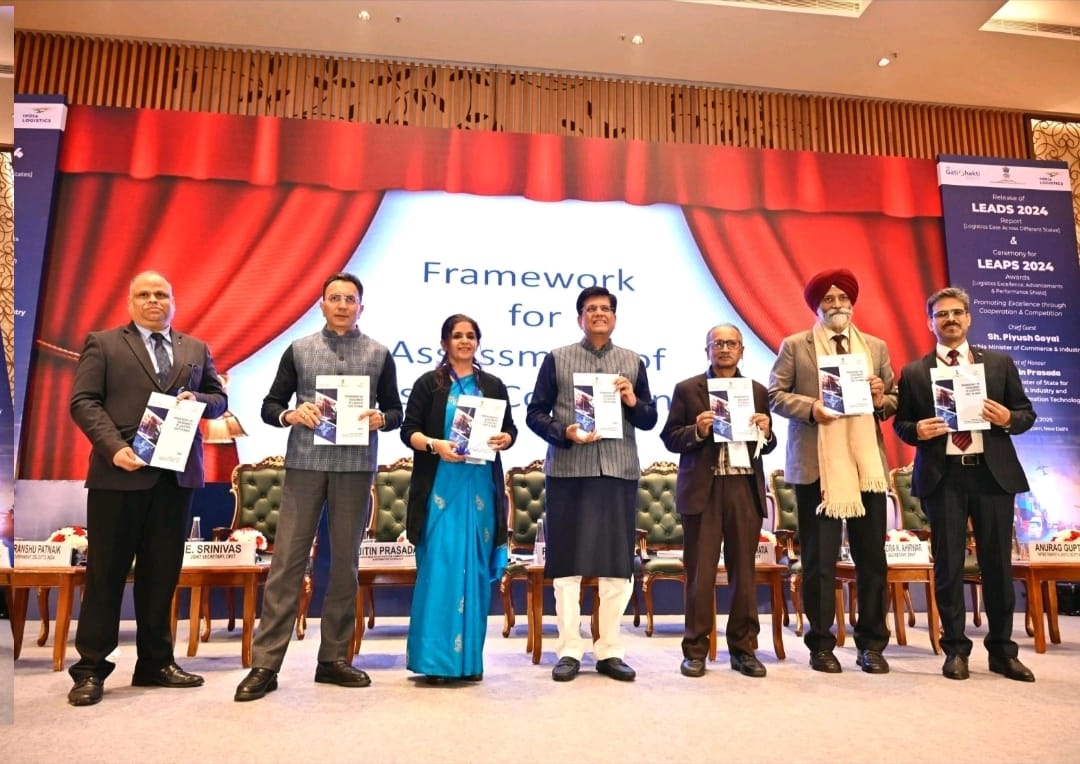
Most developed and emerging economies regularly estimate their logistics costs and employ performance indicators to track the efficiency of logistics operations. For India, too, systematic measurement of logistics costs is imperative to benchmark its performance vis-à-vis competing economies, and to identify areas for improvement. The vision of Viksit Bharat—a developed India by 2047—further reinforces... Read More

In the Review, we summarise the economic and policy developments in India; monitor global developments of relevance to India; and showcase the pulse of the economy through an analysis of high-frequency indicators and the heat map. See all issues of the Monthly Economic Review

Rural connectivity plays a pivotal role in driving socio-economic transformation in agrarian economies like India, where access to markets, essential services, and institutional infrastructure remains limited in many regions. In this context, the Pradhan Mantri Gram Sadak Yojana (PMGSY), launched in 2000, stands as a flagship rural road development programme aimed at providing all-weather road... Read More

Investment in renewable energy is essential. While India has made significant strides in renewable energy development, the need for further investment remains substantial. Addressing financial and technological barriers in renewable energy development is essential to reducing carbon emissions and achieving global climate targets. Government financing plays a vital role in the development of renewable energy... Read More
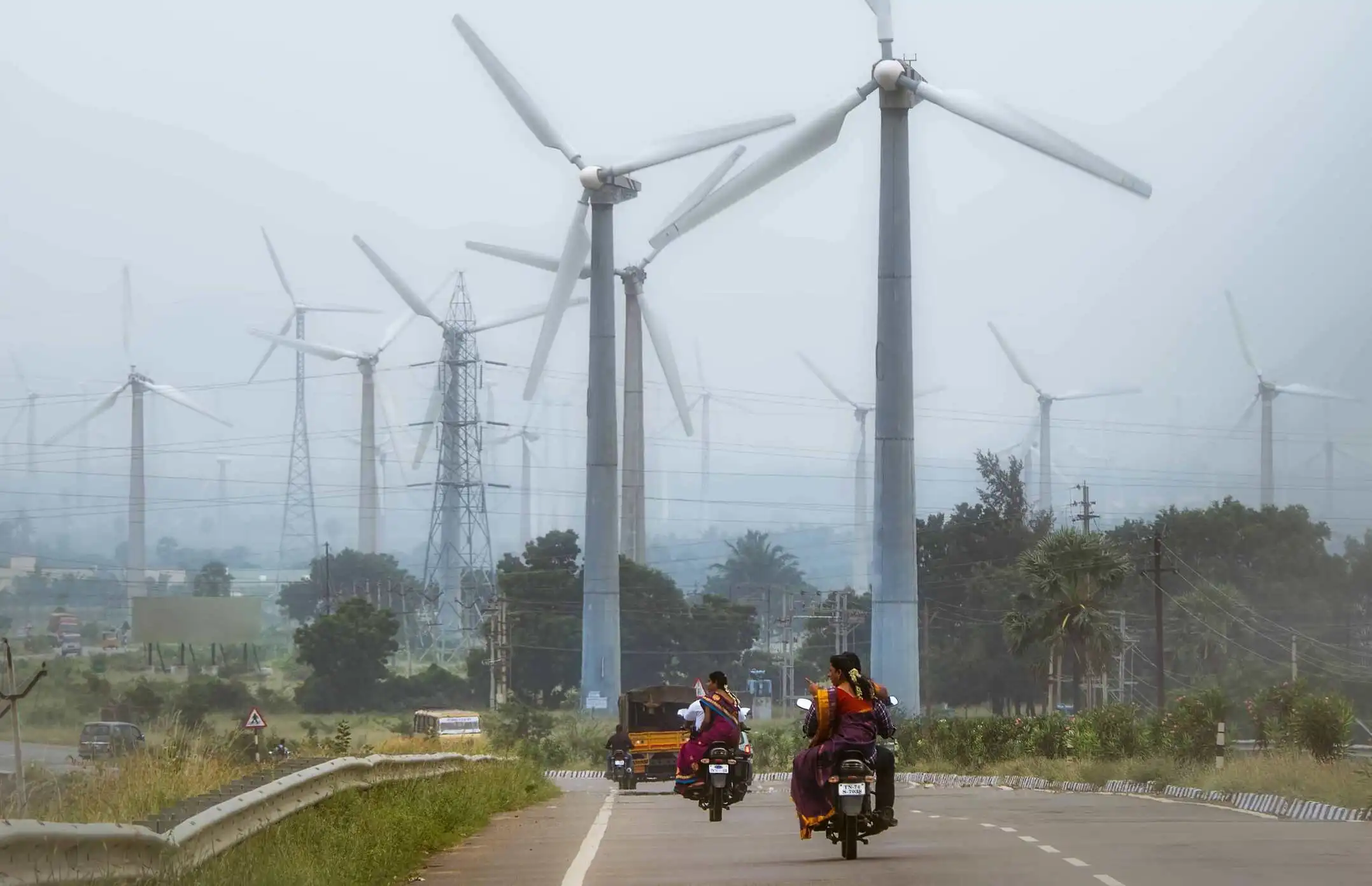
Like many emerging economies, India faces two simultaneous fundamental economic challenges– increasing prosperity, and reducing emissions. At present, however, there is little understanding of how to combine a low-carbon energy transition in sectors like electricity or transportation with an ambitious, energy-driven development agenda. In this project, NCAER will modify its established computable general equilibrium... Read More

The focus on states being the drivers for the next stage of reforms has been echoed over the last decade. States now have a proactive role to play and take responsibility in the next set of changes in areas of relevant domains given that they are largely under their jurisdictional purview. Additionally, state finances are... Read More

The National Land Records Modernisation Programme (NLRMP) was launched in 2008 as a centrally sponsored scheme, relaunched as the Digital India Land Records Modernisation Programme in 2016 with 100% centrally funded scheme. The scheme, now extended till 2025-26, aims to develop a modern, comprehensive and transparent land record management system with the integration of all... Read More

The Pradhan Mantri Krishi Sinchayee Yojana (PMKSY), launched in 2015-16, aims to enhance water use efficiency (WUE) through modern tools such as the Supervisory Control and Data Acquisition (SCADA) system, micro-irrigation, and pipe distribution networks. The initiative seeks to reduce water allocation for agriculture from 70% to 50% while ensuring better on-farm water access, expanding... Read More

Action Research & Research Studies wing of the Ministry of Panchayati Raj (MoPR) has awarded the study to the National Council of Applied Economic Research (NCAER) to assess the impact of Central Finance Commission’s (CFC) grant to the Rural Local Bodies (RLBs). The idea of fiscal devolution in India revolves around transferring financial resources from... Read More

NCAER is working closely with the Finance Commission as a knowledge partner. The specific issues that we are helping the 16th Finance Commission with include – (i) State-Level Diagnostic Reports and Policy Briefs; (ii) Analysis of States’ Fiscal Situation and Debt Sustainability; (iii) State-Level Growth: Possibilities of Convergence Across States; (iv) Analyzing the features and... Read More

"The economic stability of India is intricately linked to climatic patterns. Our collaboration with IGSD will help us build robust models to predict and mitigate the adverse effects of climate change, particularly those stemming from Arctic ice melt, on our agriculture and economy."—says Sanjib Pohit The Arctic is warming four times faster than the... Read More
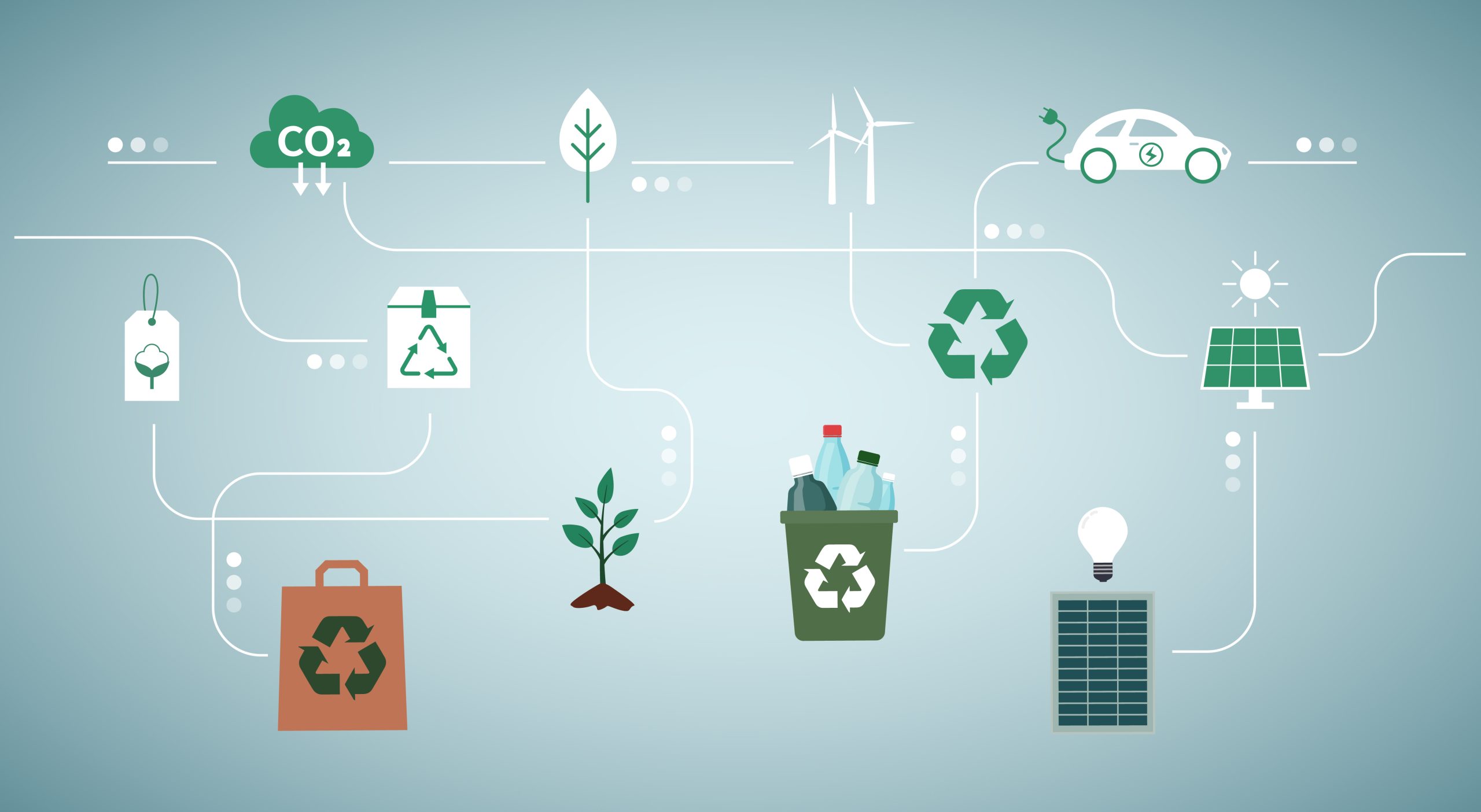
COP28 emphasized that transitioning away from fossil fuels in energy systems is required in a just, orderly and equitable manner. Green transition is an imminent pressure on the economy as the global community is facing the challenge of sustainability, energy security and environmental protection. The target to achieve low carbon development growth for India requires... Read More
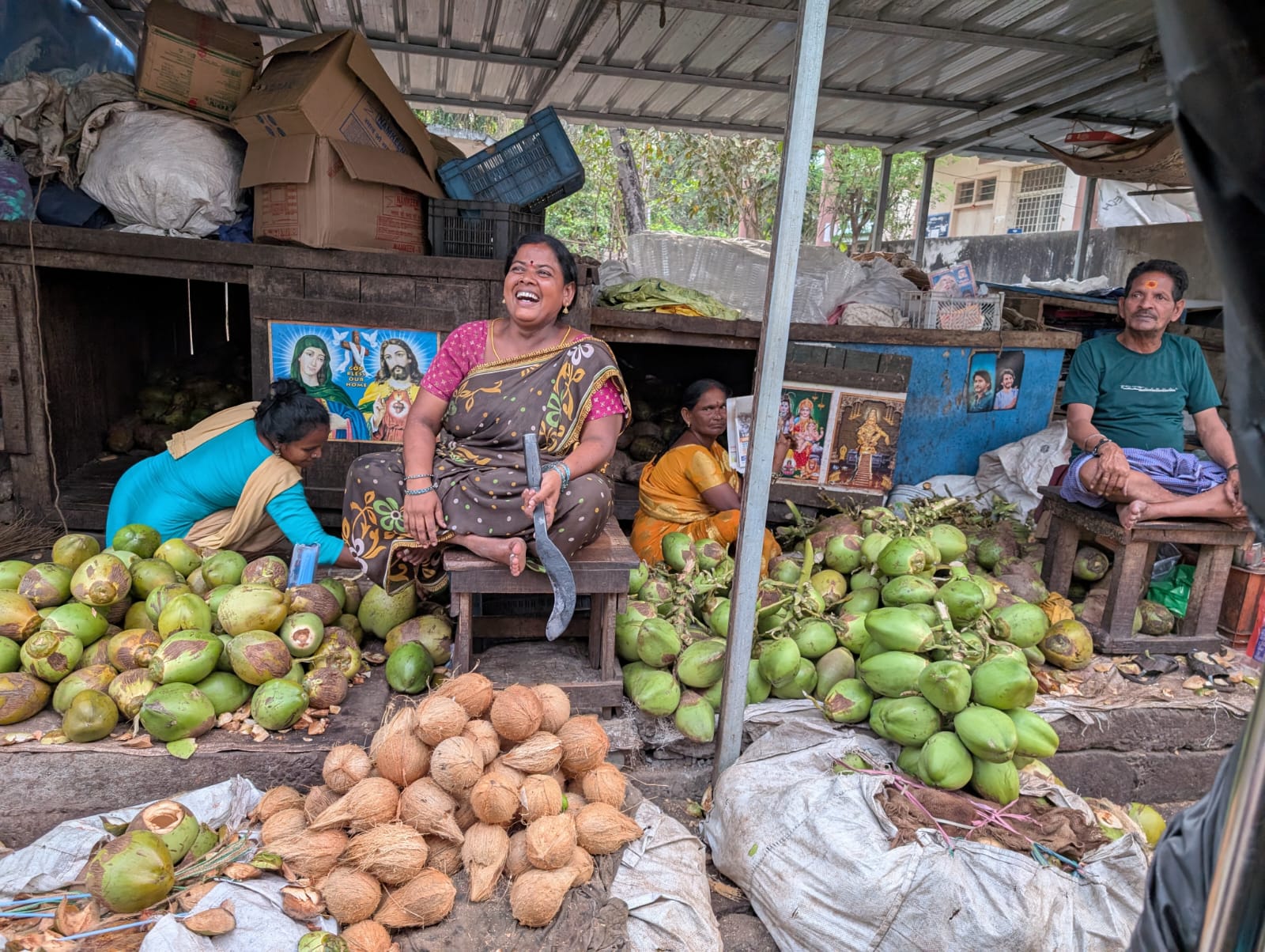
The objectives of the study are to assess the empowerment of adult urban women in India who have passed Class X. The study will be implemented in several phases. In the first phase, the study will cover a total of 11 states across five different regions of India – North, East, West, South and Central.... Read More

Under the aegis of “Smart Cities and Academia towards Action & Research (SAAR)” program, the Smart Cities Mission (SCM) directorate has started a joint initiative of MoHUA, National Institute of Urban Affairs (NIUA) and leading Indian academic institutions of the country for impact assessment for the experiments done in the Smart Cities. One of these... Read More

The study aims to evaluate the effectiveness of the small borrowing and its impact on the borrowing households with respect to economic, human capital and social capital aspects.

The scope of the study is focused on studying the demand and supply-sides implications of the policies / guidelines issued in Aadhaar enrolment and updation eco-system. NCAER will study the impact of new policies/guidelines of the Aadhaar Enrolment and Update Ecosystem, upon individuals seeking to enrol Aadhaar number or have enroled in the last two... Read More

The study aims at undertaking a comprehensive demand side analysis incorporating an in-depth assessment of select high priority sectors to arrive at the demand (and incremental demand) estimates with respect to sectors and key job roles. A dynamic framework for skill demand assessment that can be regularly updated to forecast skill needs in alignment with... Read More

Under the aegis of “Smart Cities and Academia towards Action & Research (SAAR)” program, the Smart Cities Mission (SCM) directorate has started a joint initiative of MoHUA, National Institute of Urban Affairs (NIUA) and leading Indian academic institutions of the country for impact assessment for the experiments done in the Smart Cities. One of these experiments... Read More

This study aims to provide an understanding of health seeking behaviour in two States with low levels of health system development: Odisha and Uttar Pradesh; and two with higher levels of health system development: Maharashtra and Punjab’. The study sheds light on the questions of out-of-pocket spending, catastrophic health expenditure and distress financing, and treatment... Read More
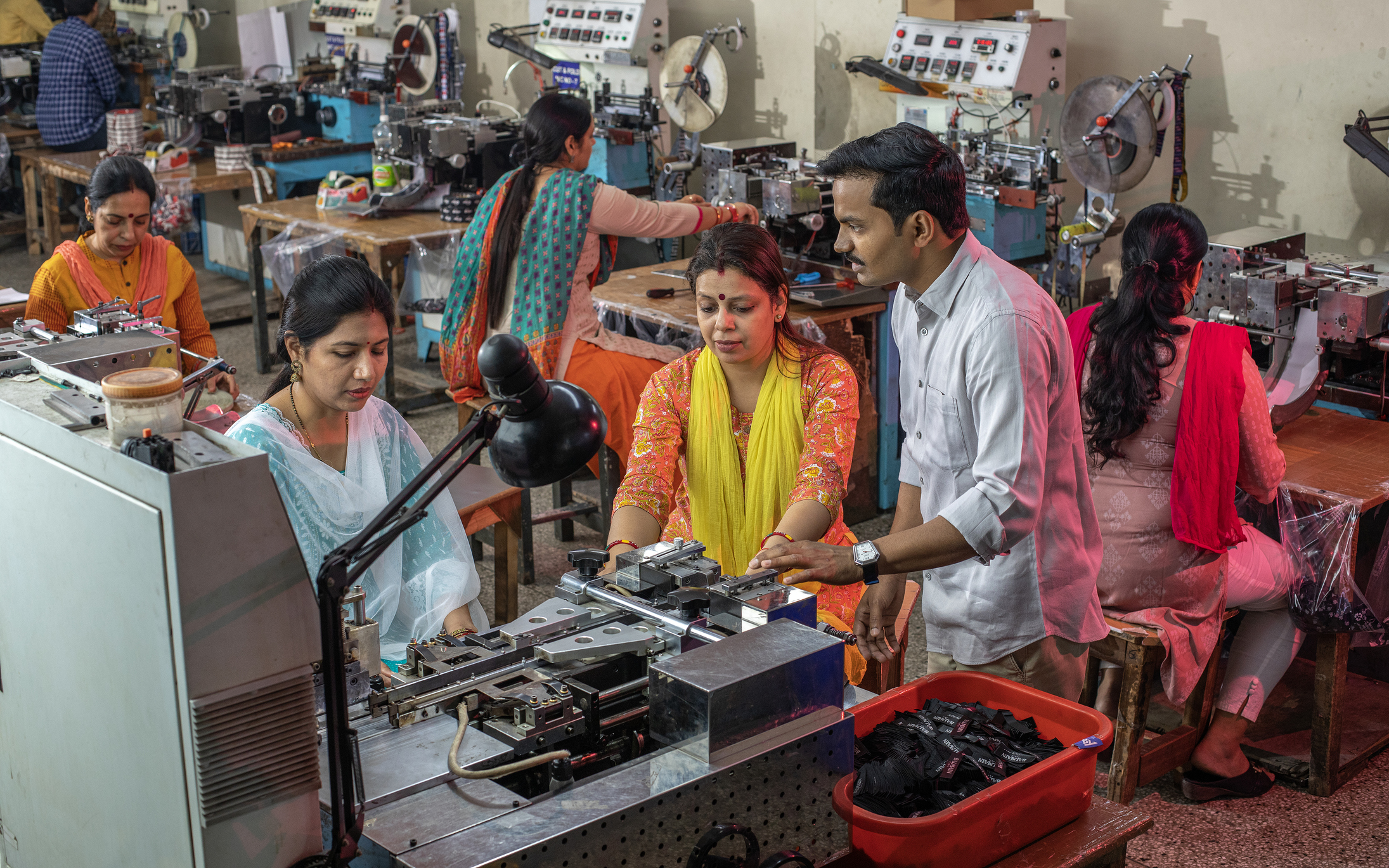
The main objective of this study is to assess various parameters related to the Micro, Small and Medium Enterprises (MSME) sector in Assam and evaluate its contribution to the State’s economy and employment.