Contrary to popular perception that international tourists bring in all the lucre it’s actually domestic travellers who set the cash registers ringing Tourism along with travel is one of the largest service industries in India estimated to be worth over $200 billion in 2018. However being one of the most contact-intensive and socially active sectors... Read More
The pandemic was a health humanitarian and economic crisis all rolled into one. The NCAER Business Expectations Survey (BES) tracked firms throughout the pandemic period on a quarterly basis trying to understand the challenges that they faced how they adapted and whether they were able to leverage government benefits targeted at them. In this article... Read More
The United Nations propounded the celebration of “International Days as “occasions to educate the general public on issues of concern to mobilize political will and resources to address global problems and to celebrate and reinforce achievements of humanity”. As in the past we are going to celebrate the 3rd of December as the International Day... Read More
Opinion: Mythili Bhusnurmath How does one read GDP numbers for Q2 2021-22? In keeping with Miles’ Law — Where you stand depends on where you sit — the reactions from GoI and the Opposition to the data released on Tuesday were entirely predictable. Triumphalism from government and murmurs about the shine lent to the numbers by... Read More
The NCAER Business Expectations Survey (BES) closely tracked firms throughout the pandemic period on a quarterly basis trying to understand the challenges that they faced how they adapted and whether they were able to leverage government benefits targeted at them. After the second COVID-19 wave business sentiments recovered in 2021–22:Q2 as compared to those prevailing... Read More
The demographic dividend is smaller but will last longer due to regional variation in the onset of fertility decline. As southern states struggle with the growing burden of supporting the elderly northern states will supply the workforce needed for growth. Success brings its challenges. The first challenge is accepting the win the second is to... Read More
The IHDS Forum is a monthly update of publications, op-eds and data news based on the India Human Development Survey (IHDS), which was jointly conducted by NCAER and the University of Maryland in two waves, in 2004-05 and 2011-12. Preparations are underway for launching the third wave soon.
In the Review, we summarise the economic and policy developments in India; monitor global developments of relevance to India; and showcase the pulse of the economy through an analysis of high-frequency indicators and the heat map.
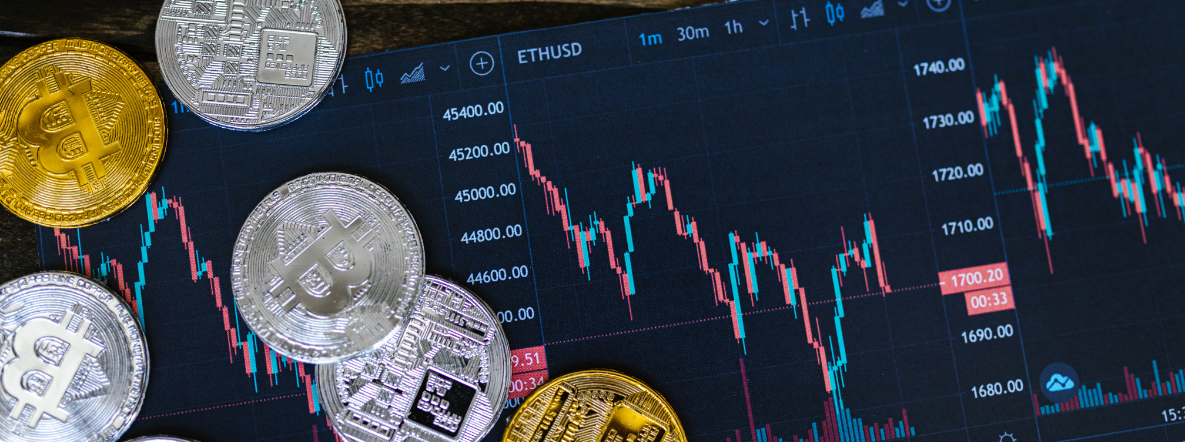
Opinion: K P Krishnan Financial regulation is about striking the right balance between enabling innovation and ensuring customer protection. Cryptocurrencies or more correctly crypto-assets may be a nightmare for regulatory policy but they are a columnist’s delight! The number of op-ed words on this topic just in the recent weeks may now equal the purported... Read More
India needs to emphasise to the world where its scorecard is better than many of the developed countries who frequently lecture India on emission flows. Recently yet another COPs meeting was held in Glasgow. Compared to the low-key meetings in the last couple of years this year’s meeting seems to have ended on a high... Read More