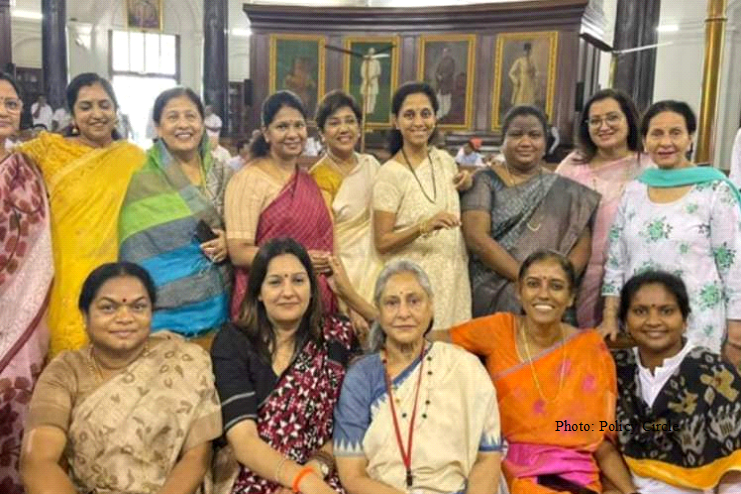

Recent reports suggest the central government may be considering a way around the delimitation deadlock on women’s reservation. The proposal, if it advances, would expand the Lok Sabha from 543 to 816 seats, with 273 of the new seats reserved for women and allocated using 2011 Census data rather than waiting for a fresh Census.... Read More
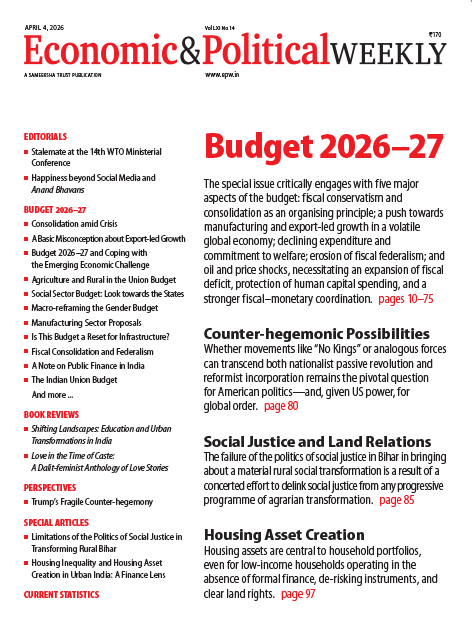
Stable fiscal ratios, high growth and low inflation portray India as a haven of stability and calm in a very turbulent world. However, this may well be a calm before the storm. The stable fiscal ratios notwithstanding, fiscal space is shrinking, which handicaps the country in coping with the economic shock, which is expected in... Read More
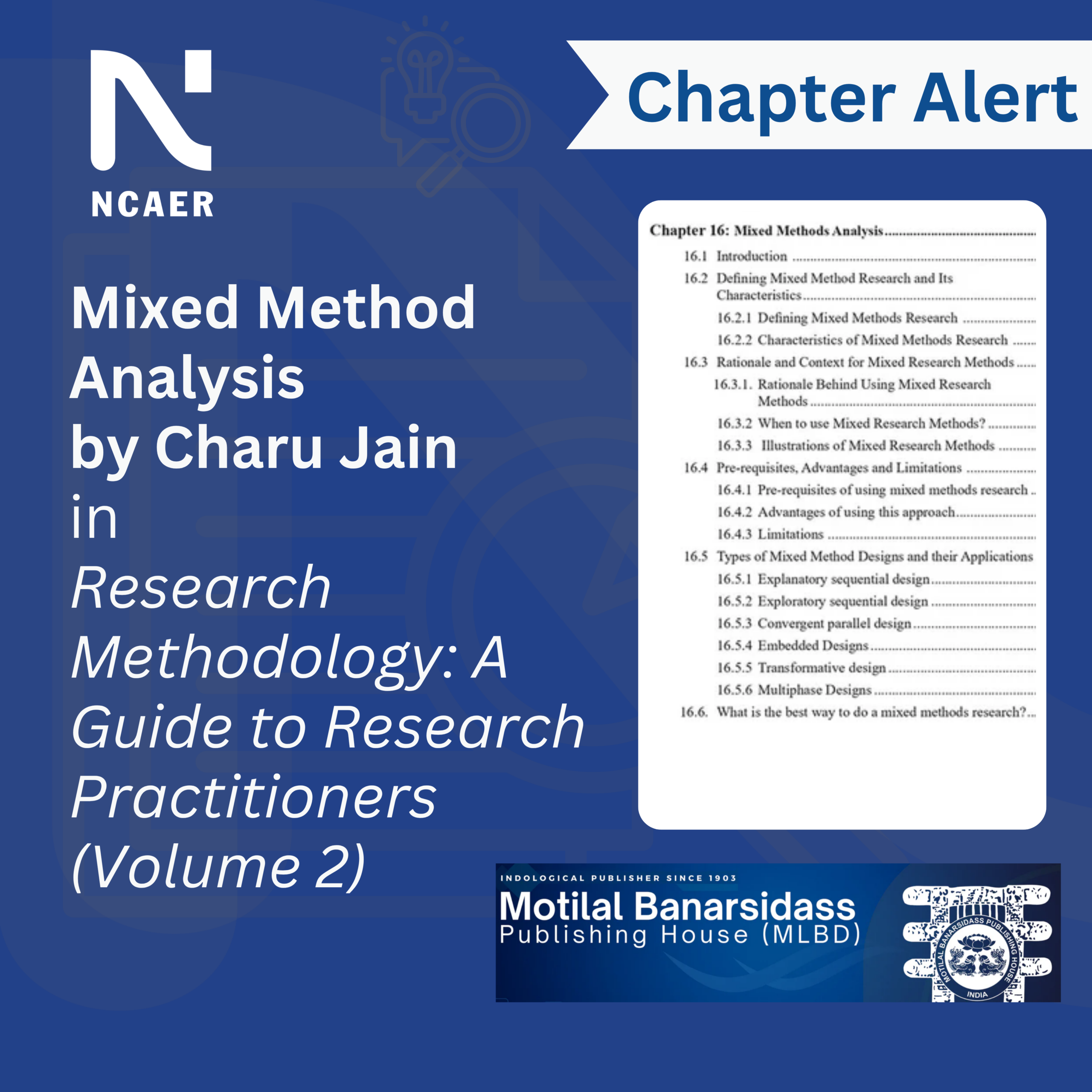
NCAER News is a monthly digest where you can learn about NCAER's research outputs, its latest events, and offerings.
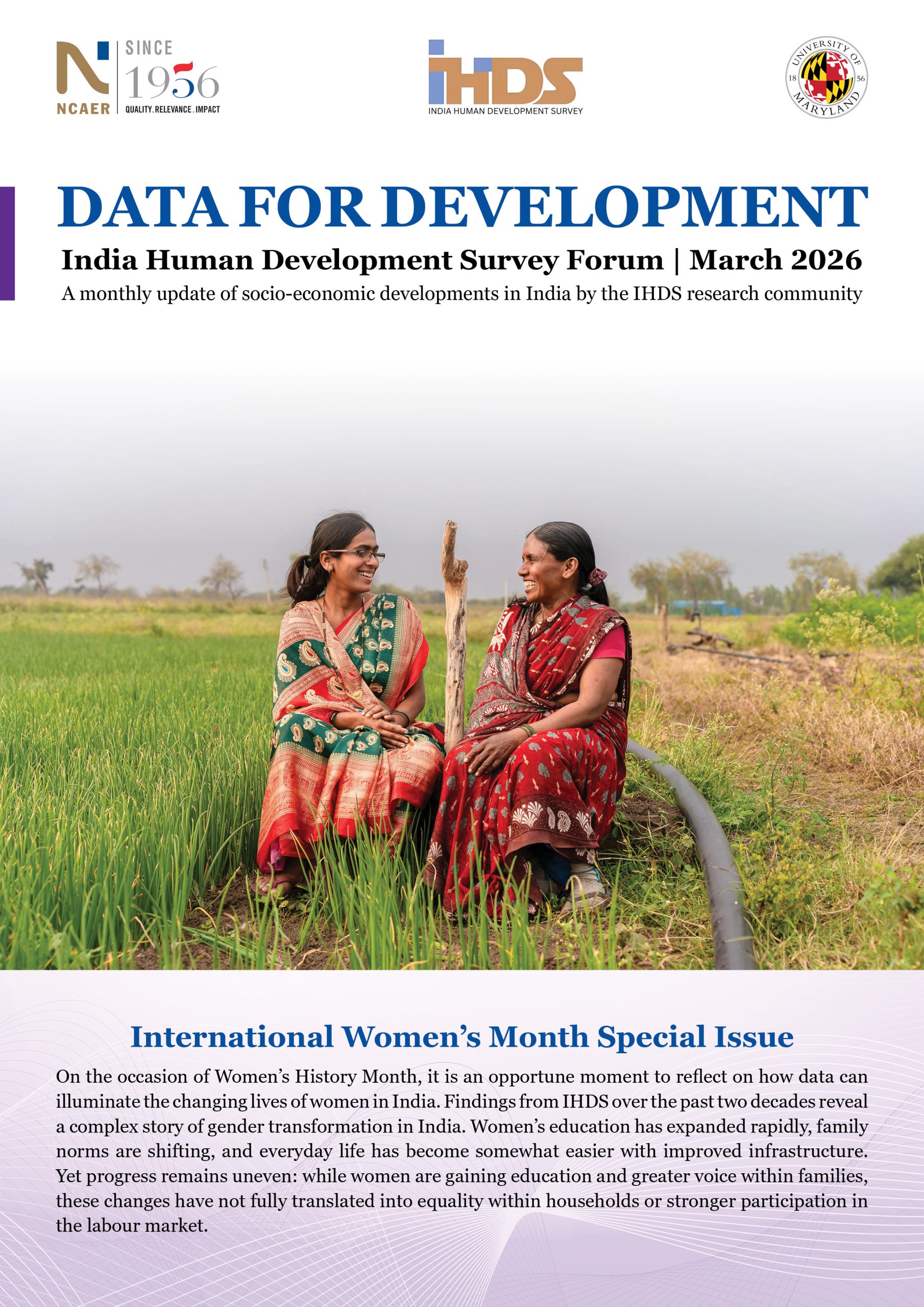
The IHDS Forum is a monthly update of socio-economic developments in India by the IHDS research community, based on the India Human Development Survey, jointly conducted by NCAER and the University of Maryland. While two earlier rounds of the survey were completed in 2004-05 and 2011-12, respectively. Fieldwork for the third round was undertaken in... Read More
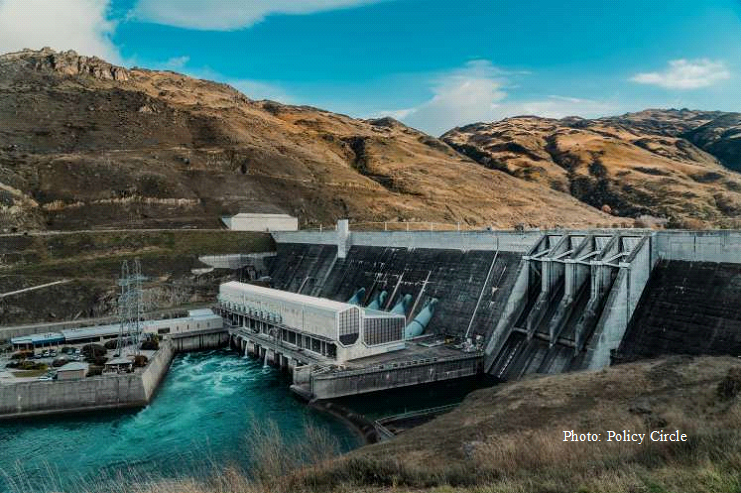
The Union Cabinet’s approval of the Small Hydro Power Development Scheme for FY 2026-27 to FY 2030-31 is a sensible intervention. With an outlay of ₹2,584.6 crore, including ₹2,532 crore for project implementation, the scheme aims to add 1,500 MW of capacity through projects of 1-25 MW. That focus matters. Small hydro power remains one of India’s... Read More
Urbanisation, migration, and changing aspirations often leave older adults to navigate their later years with greater independence but also, at times, greater isolation. India stands at a quiet but significant turning point in how it understands ageing. For generations, the joint family system served as the backbone of elderly care, offering not just physical support... Read More
Its role in rural development goes beyond crop output benefits to enhancing infrastructure, service delivery, local economic activity Summary Watershed development is emerging as a crucial strategy for India's rural climate resilience. It enhances soil moisture and groundwater recharge, and also supports overal rural transformation. Increased public investment and community participation in watershed projects can... Read More
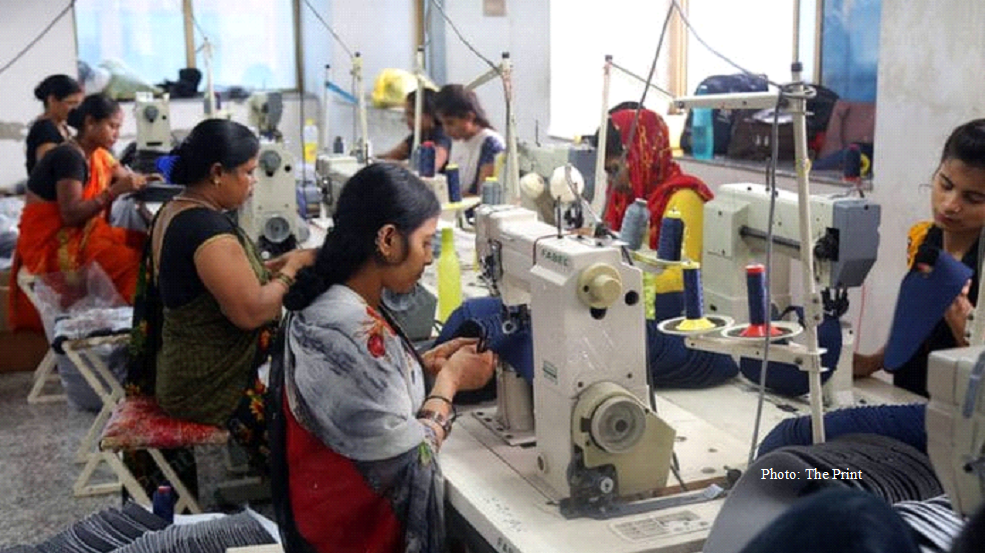
Women may enter the workforce in large numbers, but evidence from multiple sectors shows that participation does not automatically translate into leadership or economic power. Cooking, caregiving, grooming, sewing, teaching. These are still seen as “women’s work” across societies. After all, women do these tasks routinely within households and communities, often without pay or recognition.... Read More
The renewable energy sector is witnessing rapid growth and expanding employment opportunities. However, questions remain about the development of the workforce to keep pace with this expansion, particularly in terms of skill availability and gender diversity. In a recent episode of the Renewable Watch Podcast, Mohammed Ali Siddiqi, Research Analyst, and Sakshi Bansal, Research Analyst, Renewable... Read More