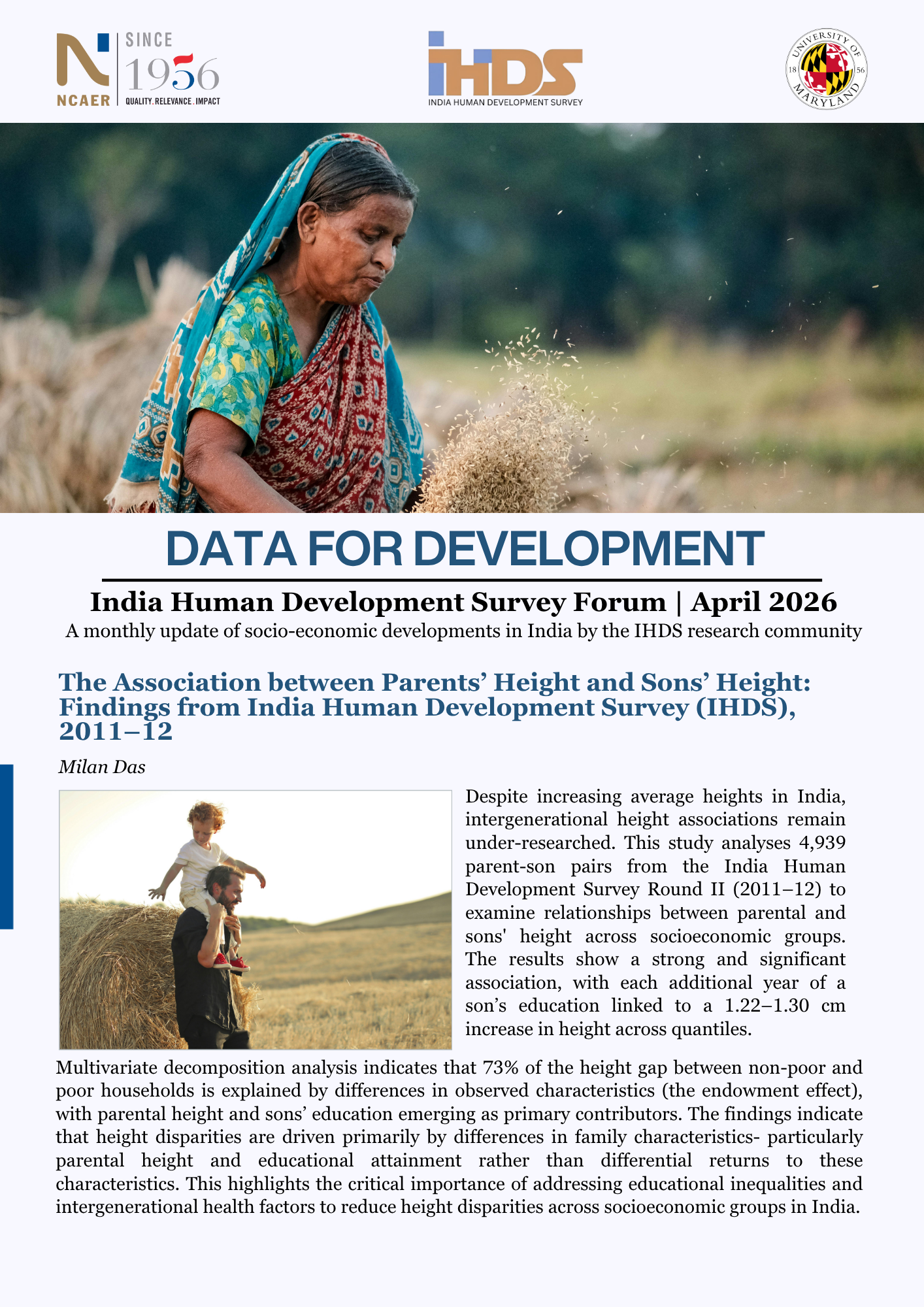
The IHDS Forum is a monthly update of socio-economic developments in India by the IHDS research community, based on the India Human Development Survey, jointly conducted by NCAER and the University of Maryland. While two earlier rounds of the survey were completed in 2004-05 and 2011-12, respectively. Fieldwork for the third round was undertaken in... Read More
What if India's pathway to net zero does not end at factories—but begins where terrestrial meets the coastal? As carbon emissions rise and climate risks intensify, the search for solutions has largely remained confined to land-based approaches. Yet beneath the waves lies an overlooked trillion-dollar economic and ecological frontier, one that can absorb carbon, shield... Read More
The National Council of Applied Economic Research (NCAER), one of India’s premier economic policy research think tanks, carried out the 136th Round of its Business Expectations Survey (BES) in March 2026. NCAER has been carrying out the BES every quarter since 1992, covering 464 firms across four regions.
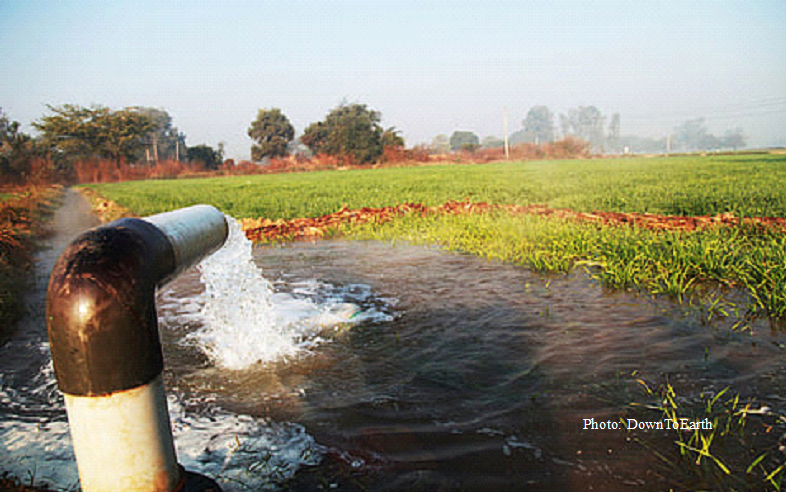
The future of irrigation lies not in choosing between the big and the small, but in integrating the two within a coherent, systems-based approach. India’s irrigation story has long been told through large dams and canal networks. For decades, policy has focused on expanding major and medium irrigation projects to create irrigation potential. Yet, much... Read More
The ongoing parliamentary session addressing the 33% Women's Reservation Act underscores its profound economic and social advantages. Studies indicate that when women participate in policymaking, the results are transformative—leading to enhanced investments in healthcare and education and a significant drop in child mortality rates. Yet, India still trails behind in female political representation compared to... Read More
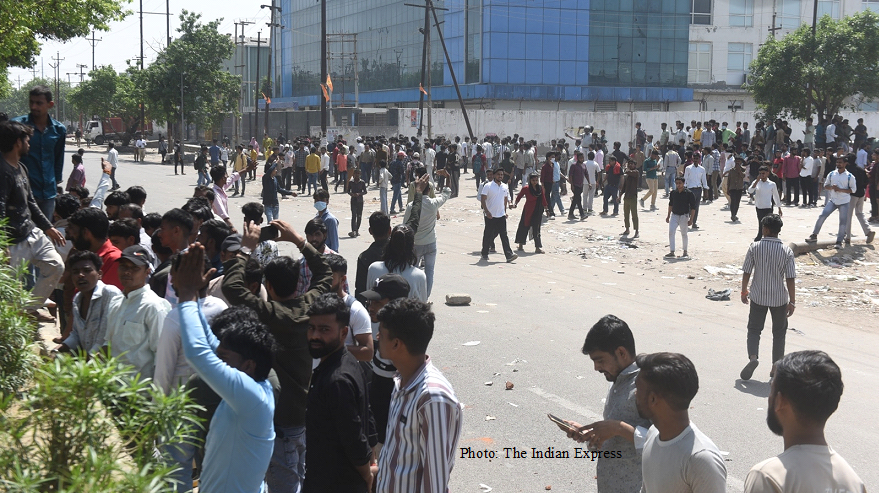
Strengthening enforcement mechanisms is the most critical priority. A persistent challenge in India’s labour market is the weak enforcement of regulations, especially in the informal sector The recent strike by gig workers and the protest by factory workers in UP against low wages and poor working conditions underlie the operational challenges of labour reforms in... Read More
The growth of India’s economy is a means, not an end in itself. It must translate into good jobs and better lives. However, Time Use survey data shows significant disparities in the hours that India’s young work. Could AI adoption reduce these gaps? The recent revision of India’s gross domestic product (GDP) data has generated... Read More
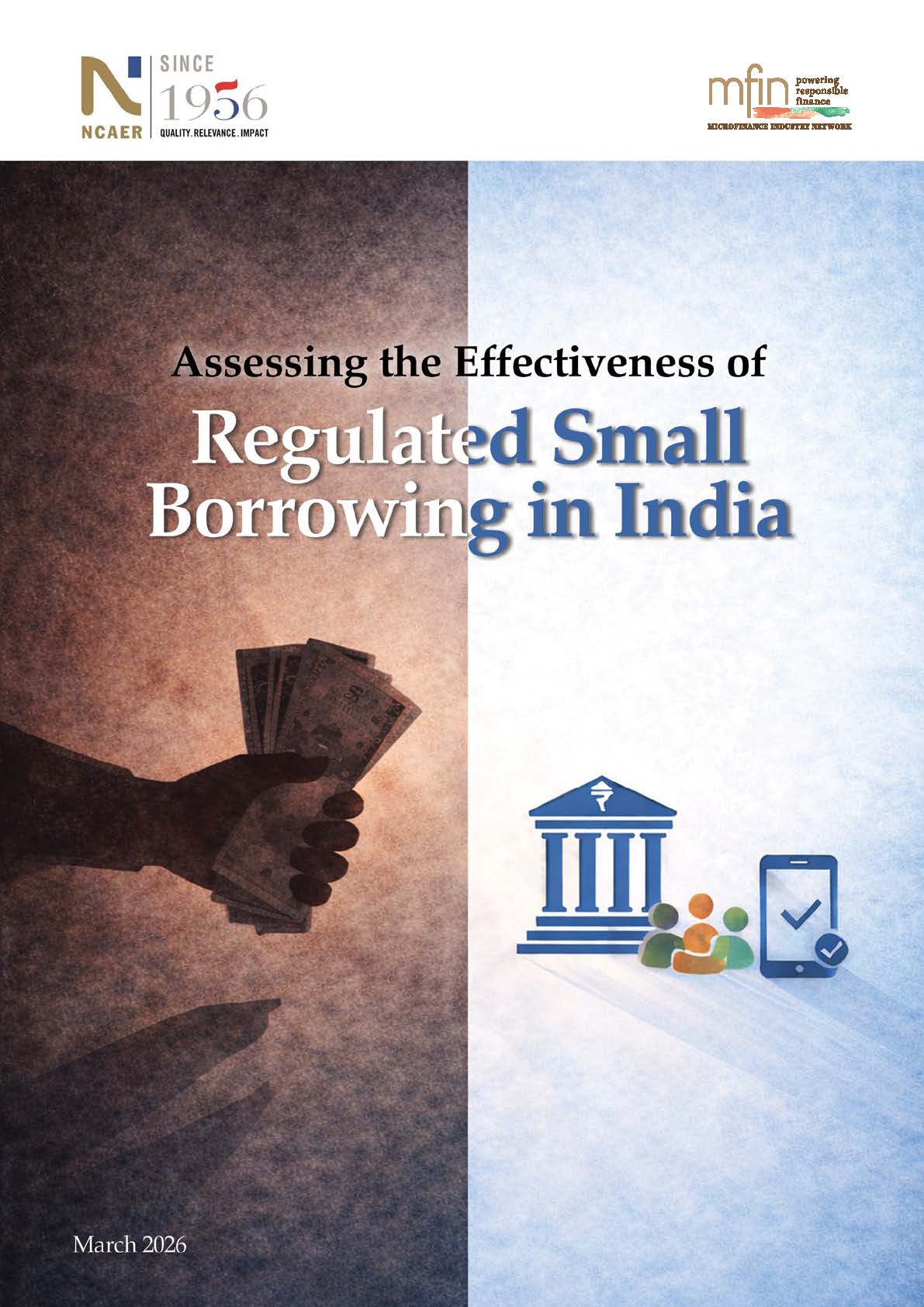
The crucial role of microfinance in bridging the credit gap for low-income households, who are often excluded from the formal banking system, is widely acknowledged. By providing small, collateral-free loans, microfinance empowers individuals, particularly women, to initiate or grow income-generating activities, thereby strengthening household finances, creating local employment, and enhancing overall community resilience.
The productivity crisis is no longer a theoretical risk; it is a mechanical and biological reality crippling India’s industrial heartlands India is currently winning the global trade shuffle. As political instability rocks traditional hubs such as Bangladesh, international buyers are pivoting toward Indian textile clusters. But as factories in Tiruppur and Bengaluru take on these... Read More
In a warming world, the value of irrigation lies not only in what it produces, but in the uncertainty it removes. In a canal-irrigated village in eastern India, farmers increasingly speak not just about yields, but about certainty. “Earlier, we waited for rain,” one cultivator observed. “Now we plan.” That shift—from dependence on rainfall to... Read More