


Margin: The Journal of Applied Economic Research is a peer-reviewed bi-annual journal published jointly by NCAER & SAGE International. Volume 20, Issue 1, March 2026 includes the following papers- Climate Change and Indian Crop Yields: Impacts and Projections - Amit Mitra, Souryabrata Mohapatra, Sovini Mondal, Srija Basu Chaudhury and Sanjib Pohit Oil Prices and Equity Market... Read More

In the fourth part of our series on India’s new labour reforms, Afridi and Talukder focus on the Occupational Safety, Health and Working Conditions Code, 2020 – in terms of its rationale, the key legislative changes that it entails, state-level implementation, and what the existing theoretical and empirical literature says about potential impacts. They contend that... Read More
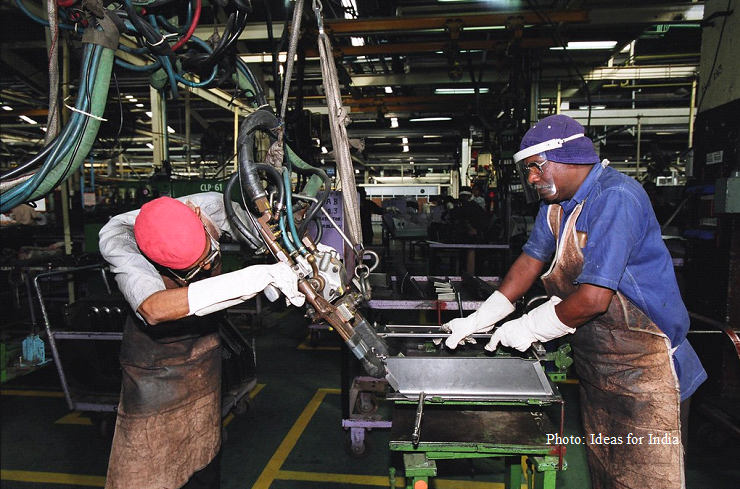
In the third part of our series on India’s new labour reforms, Afridi and Smruti focus on the Industrial Relations Code, 2020 – in terms of its rationale, the key legislative changes that it entails, state-level implementation, and what the existing theoretical and empirical literature says about potential impacts. They contend that the Code may improve allocative... Read More
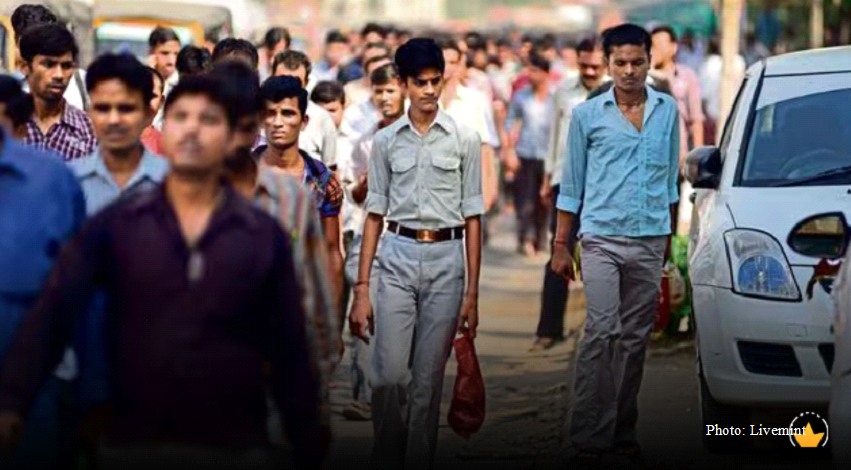
Data shows that young Indians spend an extraordinarily long time waiting for the right job opportunity to show up. The rise of AI will probably elongate the wait. This is a worry. Who’ll support them till they find suitable employment? India’s unemployment debate is missing a crucial dimension: time. Time spent waiting is a loss... Read More

For generations, the work women do within the home has gone largely uncounted in national productivity measures. The Time Use Survey is an important step toward correcting that oversight. International Mother’s Day, celebrated every year on the second Sunday of May, is an occasion to express gratitude to mothers for their love, care, and countless sacrifices. The word “mother”... Read More

In the second part of our series on India’s new labour reforms, Afridi and Thakur focus on the Code on Social Security, 2020 – in terms of its rationale, the key legislative changes that it entails, state-level implementation, and what the existing theoretical and empirical literature says about potential impacts. They contend that it is likely to... Read More
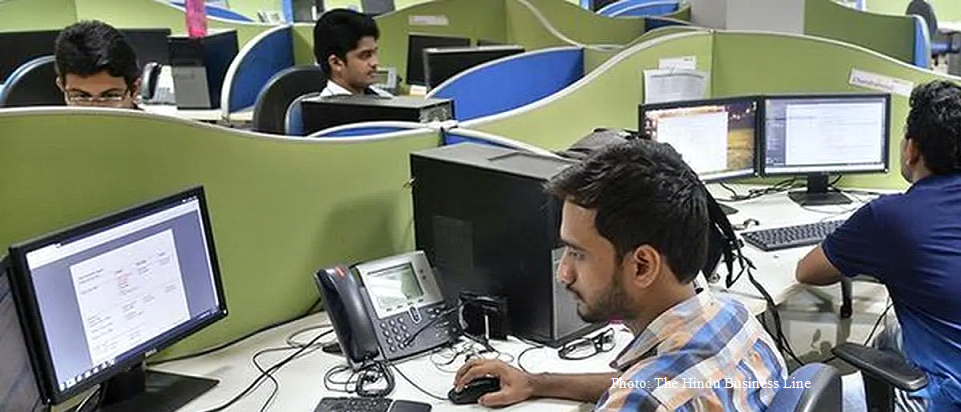
With fewer than half of young adults employed, the labour market is increasingly polarised between extreme overwork and underemployment. Today’s young adults (20-29 years) will remain in employment for at least the next three decades. The key question is how many of them are contributing directly to economic activity, as measured by two markers: the... Read More
This study examines women’s well-being in Assam, India, through the lens of the Capability Approach to focus on women’s substantive freedoms and lived experiences. Drawing on large-scale primary survey data, the paper constructs a multidimensional Women’s Capability Index of Assam (WCIA) using the Alkire–Foster methodology at the individual level. The index captures four interrelated capability... Read More
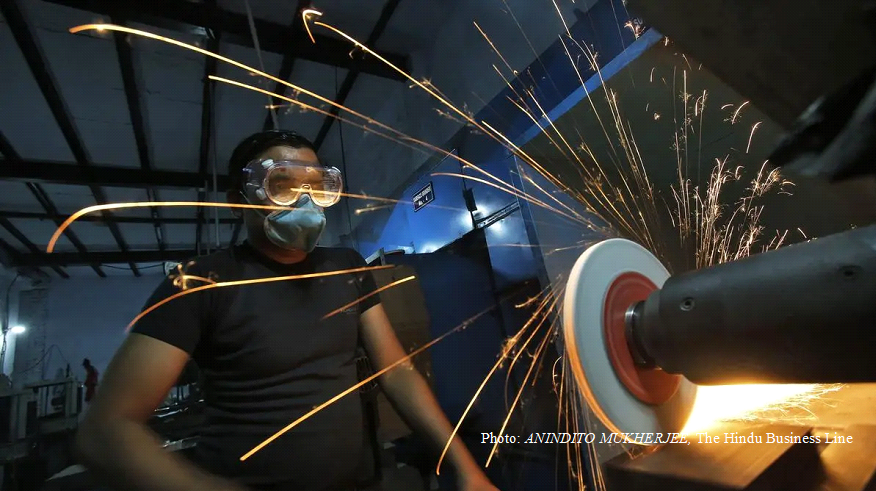
With wage progression favouring younger workers, the sector will struggle to retain skilled, middle-level workers. Worker protests across India’s industrial belts have again become a recurring feature of the economic landscape. The demands are rarely un-expected — a living wage, basic job security and some assurance that spending years on the factory floor will amount... Read More
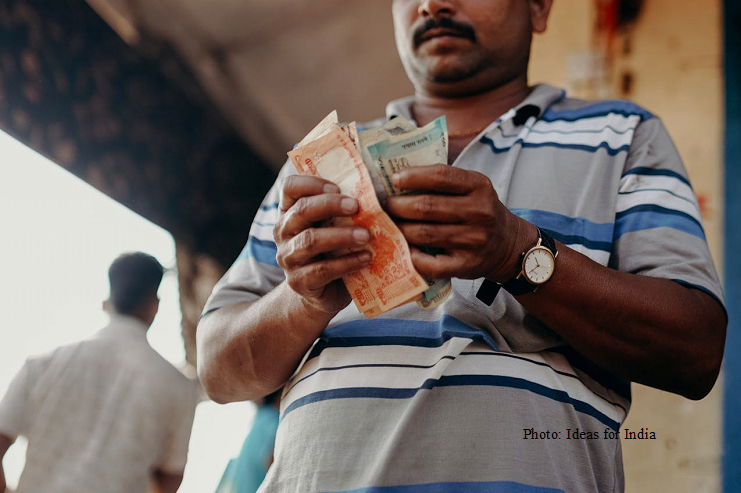
In the first part of our series on India’s new labour reforms, Afridi and Chandna focus on the Code on Wages, 2019 – in terms of its rationale, the key legislative changes that it entails, state-level implementation, and what the existing theoretical and empirical literature says about its potential impacts. They contend that since the final rules... Read More
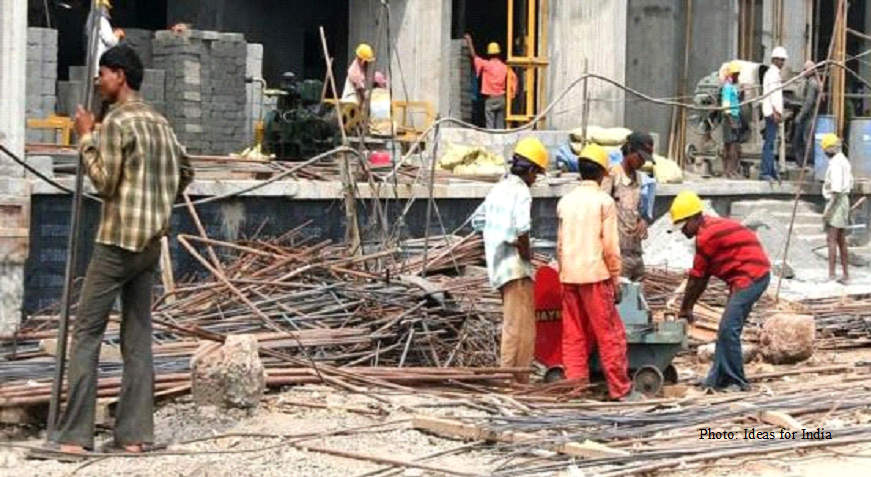
India faces a persistent challenge in generating formal, productive jobs for its growing workforce. The four new Labour Codes rolled out in November 2025, seek to address the structural imbalance in the workforce by simplifying 29 existing labour laws into a more coherent framework. Over the next five weeks, based on their new NCAER working... Read More
India faces a persistent challenge in generating formal sector, productive jobs for its growing workforce. The four new Labour Codes enacted in November 2025, seek to address the structural imbalance in our workforce by simplifying 29 pre-existing laws into a coherent framework to support job creation, formalisation and improve social protection of workers. In this... Read More