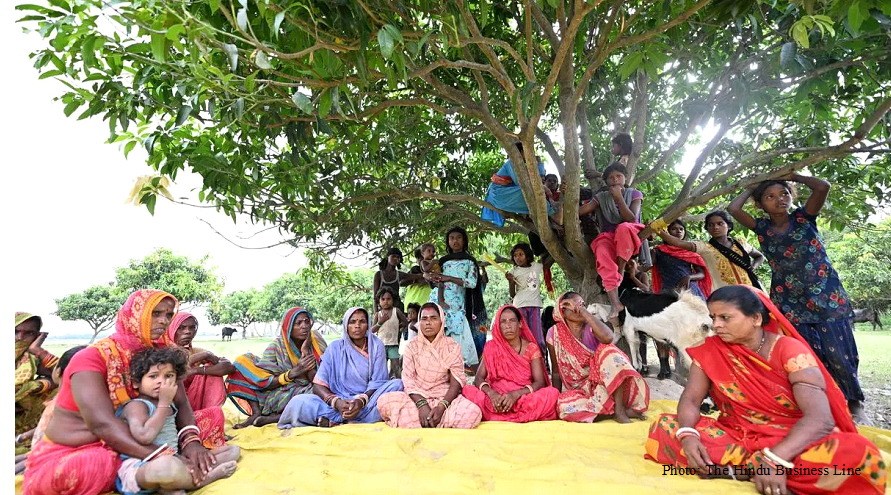
There are significant education gaps that need to be addressed. Support systems like creches and safe transport are vital. In 2016, Bihar made headlines by reserving 35 per cent of all government jobs for women. It was a bold move — an attempt to do more than just include women on paper. The policy extended... Read More
The Thar Desert, India’s iconic sea of golden sand dunes and steadfast desert cultures, is undergoing a dramatic transformation—one that is as mesmerizing as it is misleading. Global headlines now highlight its unexpected metamorphosis not into a harsher wasteland, but into a surprisingly green zone. Over the past two decades, satellite imagery has confirmed a... Read More
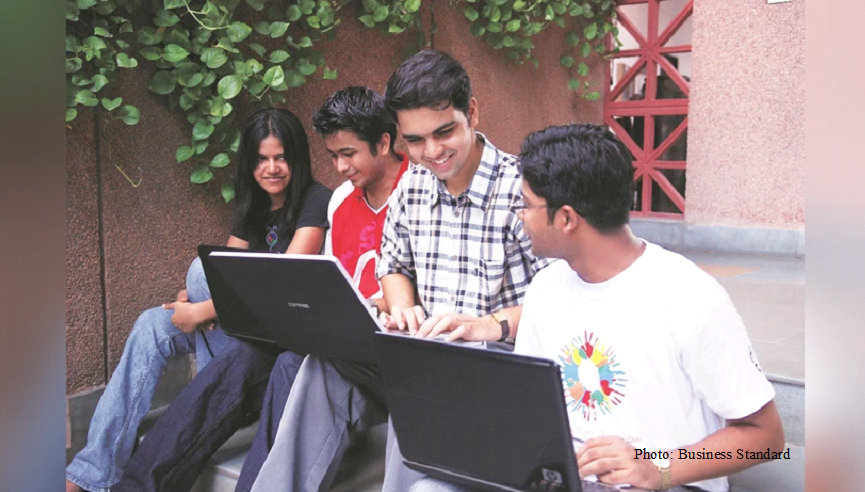
Growth in digital adoption has outpaced growth in digital literacy, creating an ecosystem where access does not necessarily translate into empowered usage. India’s dream of becoming a developed nation by 2047 is closely tied to the potential of its digital economy. From fintech innovations to digital governance, its transformation is being powered by technology. Flagship... Read More
Evidence from borrowing countries reveals systematic twin-objective failure While financial institutions promote debt swaps as ‘win-win’ solutions that address both debt distress and development financing, borrowing countries report a systematic failure in achieving both objectives, revealing an inversion of development finance principles. Experiences across various developing countries highlight this critical contradiction. While Belize’s Prime Minister... Read More
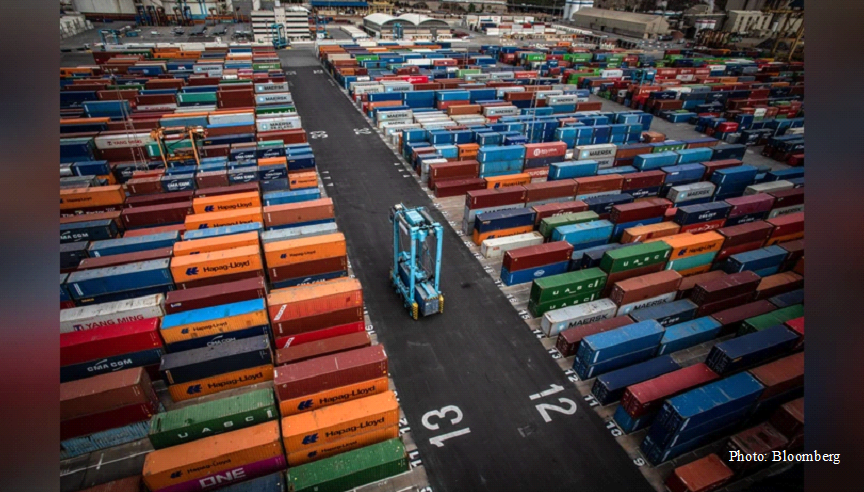
For India, the challenge is to strike a balance between tactical necessity and economic priorities. On April 2, United States President Donald Trump announced a broad set of bilateral tariffs that stunned the world. The tariffs were high and uneven: India faced a 26 per cent tariff; China, 34 per cent; and the European Union,... Read More
Financial literacy should not be an occasional campaign or an app feature-it must be an ongoing, evolving journey. In this age of digital transformation, the proliferation of apps, online courses, and gamified learning tools has brought financial education to our fingertips. But the question remains: are we truly learning, or merely consuming content in a... Read More
India’s economy may stay in a low equilibrium if we do not act to resolve well identified restraints on women taking up employment. A comparison of urban and rural data shows that neither setting is working for women, even if the reasons differ. As India inches closer to the $5 trillion economy mark with human... Read More
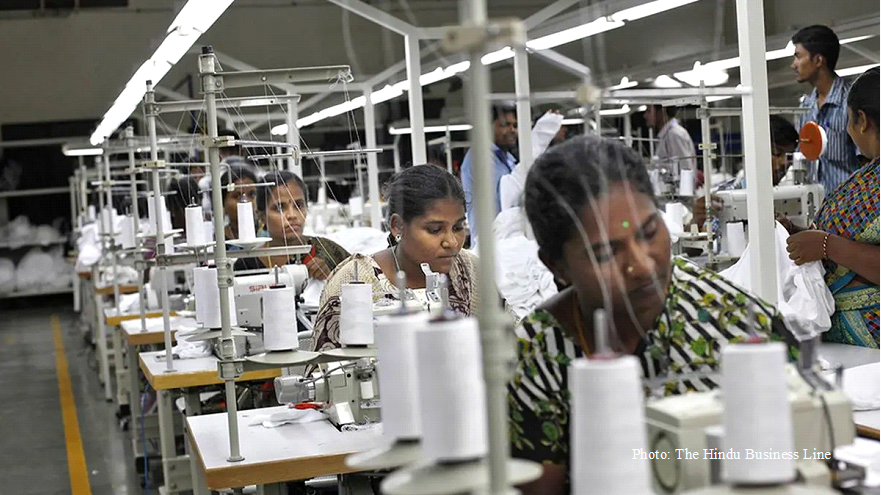
India can be a global leader in technical textiles. With nearly 2 per cent of the contribution to the country’s GDP, India is the sixth largest exporter of textiles globally and holds 3.9 per cent share in world textile exports. The sector provides direct employment to over 45 million people and indirect jobs to over... Read More
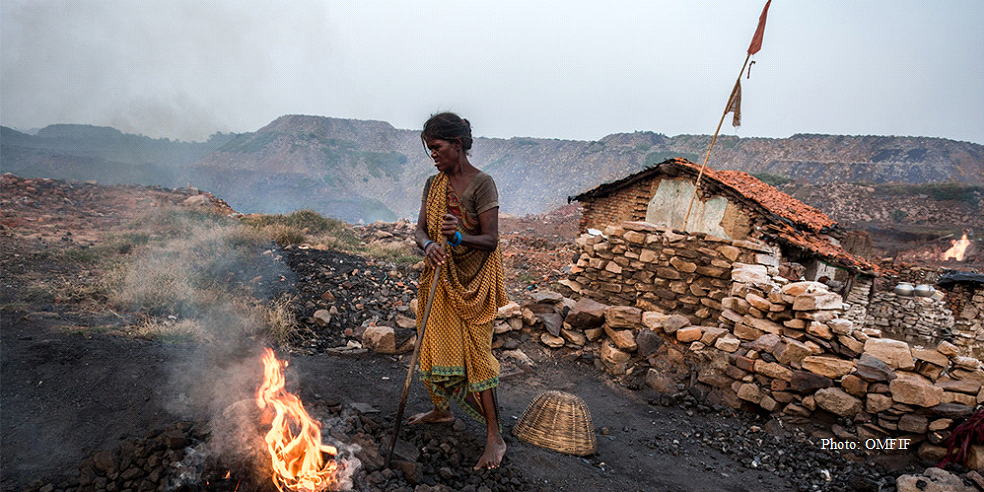
Jharia’s master plan is the £511m investment that climate finance cannot see. The most serious constraint on climate finance in developing countries today is not simply a shortage of capital, but a persistent mismatch between how finance is structured and how climate action is pursued. Public investments that reduce environmental risk, enhance economic resilience and... Read More
Formalising part-time work with fair pay, making transport and housing women-friendly, and enforcing laws. Otherwise, urban women’s work participation will be stuck at 28% As India’s economy rapidly transforms and modernises riding on a youthful population, a booming digital and physical infra, and a spirit of optimism, conditions are favourable for the country to become... Read More