A background note can be accessed here: OECD: Skills Use in Workplace Productivity gains depend as much on expanding skills as on aligning firm-level demand and institutional incentives to ensure effective utilisation. In India’s labour market, where formal credentialing coexists with large informal employment, what institutional or employer-side practices perpetuate skill misuse, and how should policy... Read More
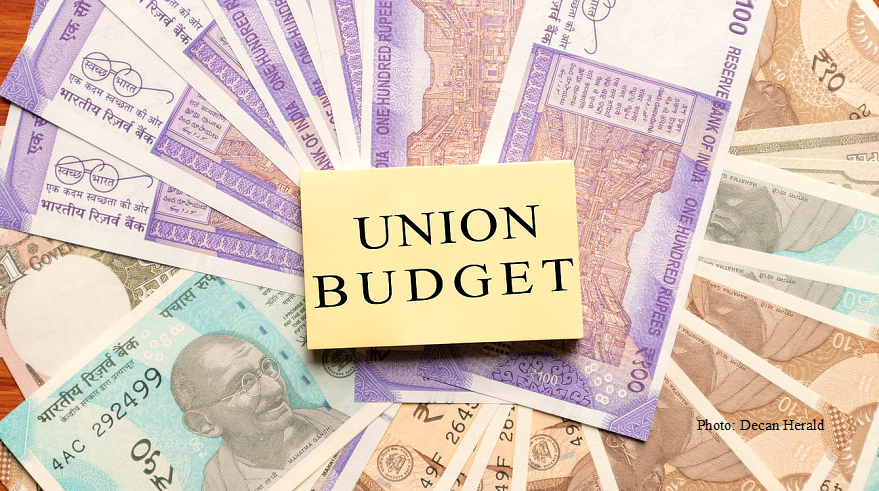
Little emphasis on project preparation, resorting to asset monetisation sans guardrails, narrow financing base are pain points. The Union Budget has reaffirmed India’s reliance on public capital expenditure as the central pillar of its growth strategy. Public investment has expanded rapidly over the past five years. Central government capital expenditure has risen sharply in both... Read More
The result is a persistent gap in labour force participation. Despite recent improvements, women’s participation remains well below its potential, especially in urban areas and in higher-productivity sectors. India has begun to acknowledge an inconvenient truth about its economy: growth cannot be sustained without bringing more women into paid work. The Union Budget 2026 reflects... Read More
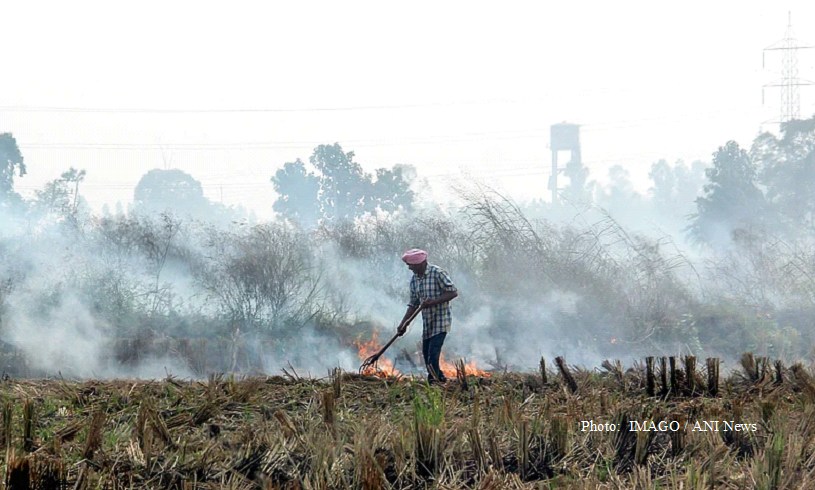
Delhi consistently ranks among the world’s most polluted cities, posing a severe public health threat to over 30 million residents and shortening life expectancy by up to 12 years. Summary of this article Pollution sources vary sharply by season: dust dominates summer air, while winter pollution is driven overwhelmingly (85–94%) by combustion sources such as... Read More
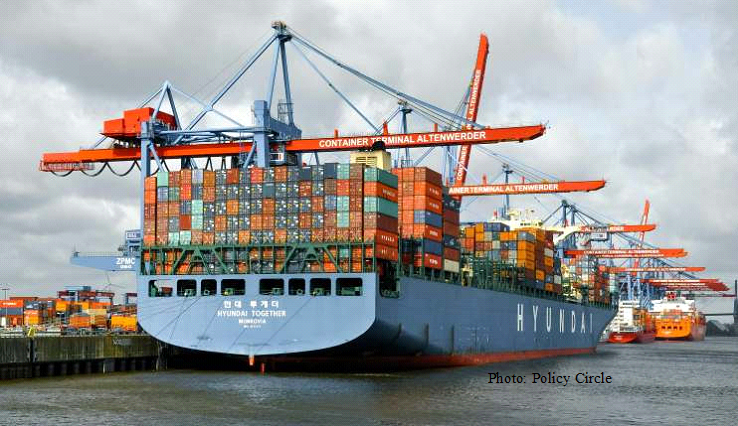
India’s Free Trade Agreement with the European Union is being sold as a diplomatic breakthrough. Some in Europe have called it the “mother of all deals”. India should treat it as something else: a compliance test that can be turned into a growth lever only if domestic systems are fixed first. That is why the hard work... Read More
As India hosts the AI Summit this week, the event must be viewed not as a technology showcase, but as a development inflection point. Artificial Intelligence is rapidly becoming foundational infrastructure — comparable to electricity, highways, or digital payments. The central question before India is whether AI will remain a private efficiency tool or evolve... Read More
While the India-New Zealand Free Trade Agreement (FTA) strengthens India’s position in the Asia-Pacific, the India-Oman Comprehensive Economic Partnership Agreement (CEPA) deepens economic ties with the Middle East. The proliferation of trade deals in 2025, amid rising geopolitical tensions, is an attempt to recalibrate India’s strategic diplomacy with its trade partners. The path-dependency component adds... Read More
India today finds itself at an unusual and potentially transformative juncture in the global economic order. On one side lies the long-negotiated India–EU agreement — often described as the mother of all deals — impenetrable with market access, regulatory standards, and long-term discipline. On the other is the rapidly deepening India–US economic engagement — increasingly... Read More
The oil shocks taught India a painful lesson: management without measurement is a vulnerable idea. Minerals now occupy the same position that oil once did, but across more sectors. The oil crises of the 1970s have never quite left India’s collective memory. What tends to get lost, however, is that the real failure of that... Read More
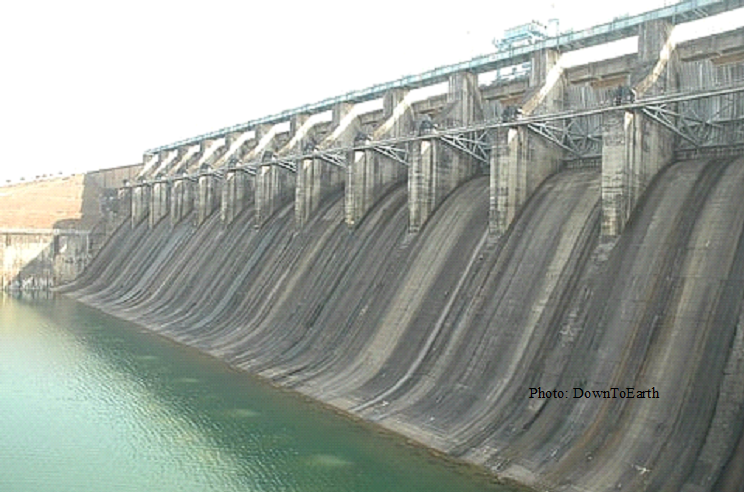
Summary Large dams remain central to India’s irrigation and food security strategy Evidence shows command areas outperform non-command regions in agricultural income Nearly one-third of total benefits arise from indirect impacts such as health and education Governance gaps and inequitable distribution dilute potential gains In India, large dams evoke strong and often irreconcilable emotions. To... Read More