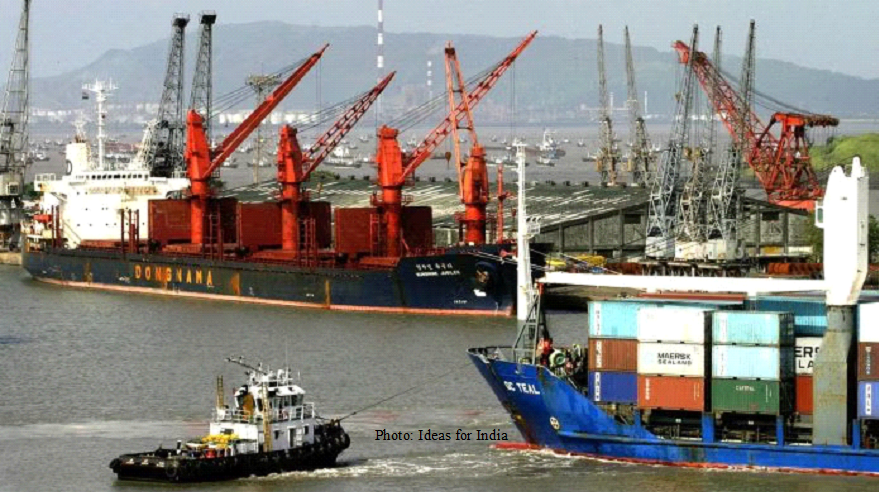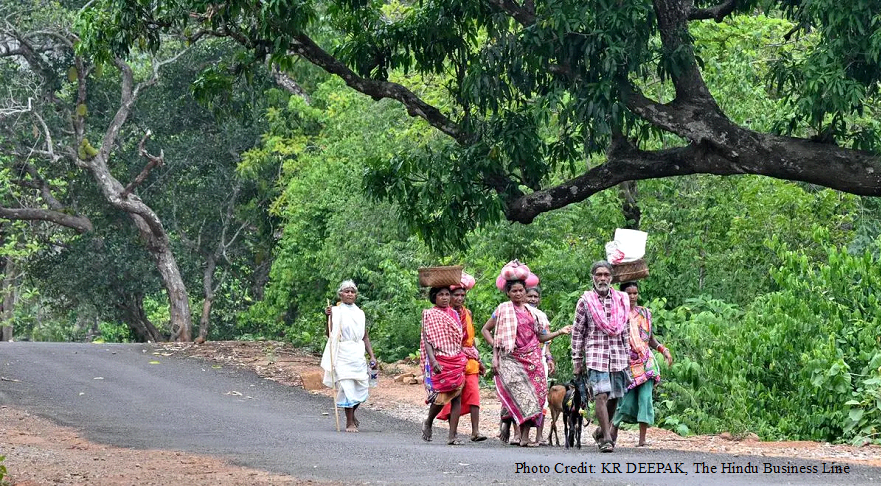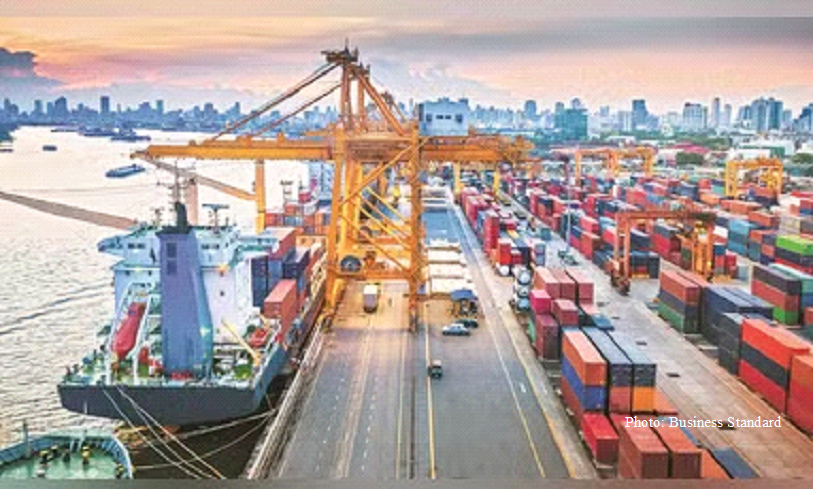

Once among India’s foremost manufacturing and trading centres, the eastern state of West Bengal gradually ceded ground to western and southern states such as Gujarat, Maharashtra, and Tamil Nadu. In this post, Bandyopadhyay contends that the emergence of a new connectivity-driven growth architecture stretching across eastern India, Bangladesh, and the Bay of Bengal region, opens... Read More
‘Transparency is the cheapest credit enhancement a poor country can buy’ Restructuring gets the summits; debt management gets the training workshops. Yet in a low-income country, the debt office is crisis-prevention and early-warning infrastructure, not a narrow technical function – and a fundamental institutional reform is overdue. All four G20 Common Framework applicants (Chad, Ethiopia,... Read More
Across India, conversations around Artificial Intelligence (AI) are steadily moving beyond innovation labs and corporate boardrooms into the domain of governance. The larger question is no longer whether governments will adopt AI, but whether these systems can genuinely improve public services in ways that are accessible, accountable, and inclusive. It is within the broader shift... Read More
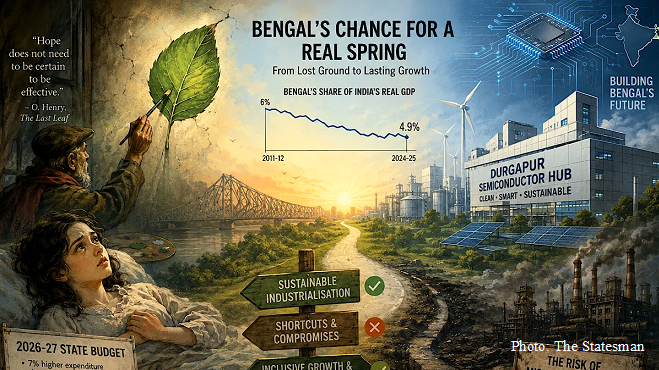
In O. Henry’s The Last Leaf, ailing Johnsy clings to life because one painted leaf refuses to fall. Such is the power of optimism; it does not need to be certain to be effective. But for Bengal, the question is whether the leaf will hold long enough for a real spring to arrive. Inherited with... Read More
Should social registries be used to decide who receives cash transfers for women? The answer depends on the purpose of the transfer. If the scheme is income support, a registry can help identify eligible households. If the transfer is meant to recognise unpaid domestic and care work, or strengthen women’s control over money, household poverty... Read More
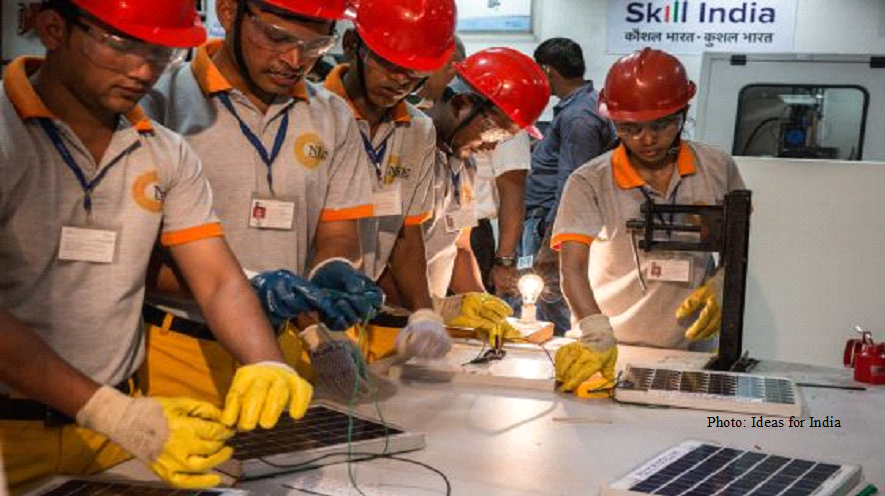
While India has a large institutional network for vocational education and training (VET), there are systemic issues such as poor perception, weak industry linkages, inadequate quality, and low public investment. Studying VET systems of Germany, Canada, and Singapore – with diverse features that shape worker productivity and employment outcomes – Afridi and Chandna draw policy... Read More
A well-designed social registry, containing comprehensive household information, can address the ever-changing state of poverty and simultaneously drive critical human development goals. Should social registries be mixed with cash transfers to women? The answer depends on the policy objectives. But first, what are social registries? These are defined as information systems that support outreach, intake,... Read More
Joining the CPTPP could integrate India into global supply chains, boost exports and support its Viksit Bharat 2047 ambitions before tougher entry conditions emerge. India means to be a developed country by 2047. The slogan, Viksit Bharat, is everywhere but the arithmetic is quite daunting. No large economy has travelled from being poor to prosperous... Read More
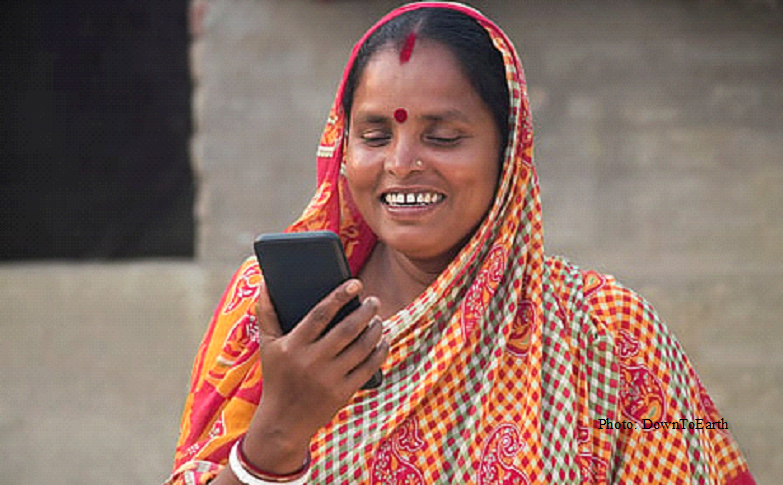
India’s digital transformation has expanded internet access at an unprecedented pace, but a new divide is emerging between digital access and meaningful digital use. Affordable smartphones, low-cost data packages and expanding connectivity have brought millions online, extending digital access to households that were earlier excluded from the digital ecosystem. Yet access alone does not ensure... Read More
Reducing dependence on China through ‘friend shoring’ easier said than done. Sheer economics dictates otherwise Inside a sterile fabrication plant coming up in Dholera, robots will soon move silicon wafers with nanometre precision. But before that first chip is etched, tons of gallium, germanium and rare earths must arrive from one country: China. India’s multi-billion-dollar... Read More