Crop-specific yield assessment should be intensified in rain-fed districts. Tur, soybean and maize deserve particular attention. India’s 2026 monsoon is becoming an increasing concern for the economy—not simply because rainfall is deficient, but because the deficit is highly uneven across regions and is concentrated in areas important for rain-fed agriculture. Recent assessments indicate substantial shortfalls... Read More
What are the hopes and desires of young job seekers in urban India? In the summer of 2023, armed with a long list of questions, we set out to survey over 3,000 randomly sampled men and women, 24 years of age on average, and living in the middle-class residential areas of Delhi. Our interest lay in understanding... Read More
El Niño can set off a chain from rainfall shocks and crop losses to lower farm incomes, higher food prices and weaker rural consumption. Irrigation can help break this chain—but only when water reliably reaches farmers, particularly those at the tail end of command areas Summary El Niño is emerging as an economic shock for... Read More
The EU and India concluded FTA negotiations in January 2026, just as the EU's Carbon Border Adjustment Mechanism entered its definitive financial phase. In this post, Banerjee and Morotti argue that while the two policies are not inherently at odds, differences in how the EU and India measure and recognise carbon costs risk saddling Indian... Read More
Volatility in West Asia has disrupted LPG supply chains, exposing an unresolved vulnerability. Rising prices are forcing vulnerable households back to firewood, crop residue and dung cakes A woman in rural India who received an LPG connection under the Pradhan Mantri Ujjwala Yojana also received a promise of smoke-free cooking, better health and dignity. A... Read More
As the debate over the National Eligibility cum Entrance Test (Neet) continues, the government’s decision to shift the undergraduate medical entrance examination to a computer-based format from 2027, replacing the current pen-and-paper mode, marks a significant reform. The move seeks to strengthen security, enhance transparency, and restore public confidence in the wake of the paper... Read More
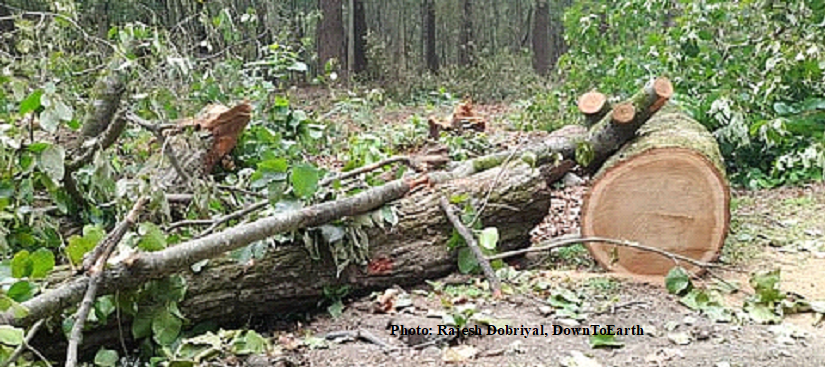
As the country enters an era of unprecedented infrastructure expansion and climate uncertainty, the real measure of success will not be how many trees are planted. India’s journey towards becoming a developed nation by 2047 will require unprecedented investments in highways, railways, renewable energy, irrigation systems, industrial corridors and urban infrastructure. These investments are indispensable... Read More
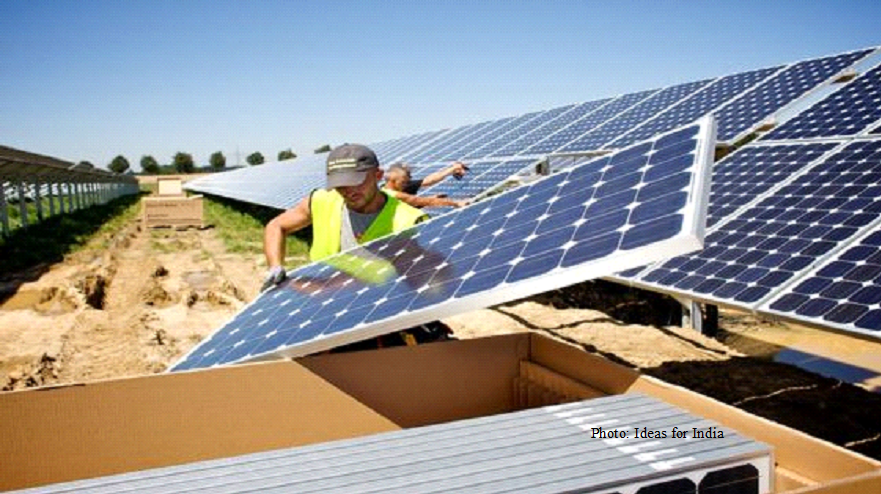
While lithium-ion batteries have enabled the expansion of renewable energy storage so far, these are now confronting physical and chemical barriers. In this post, Mitra and Pohit put forth that the clean energy sector has successfully transitioned to a multi-chemistry ecosystem that leverages both physical materials and artificial intelligence. They highlight the opportunity that this... Read More
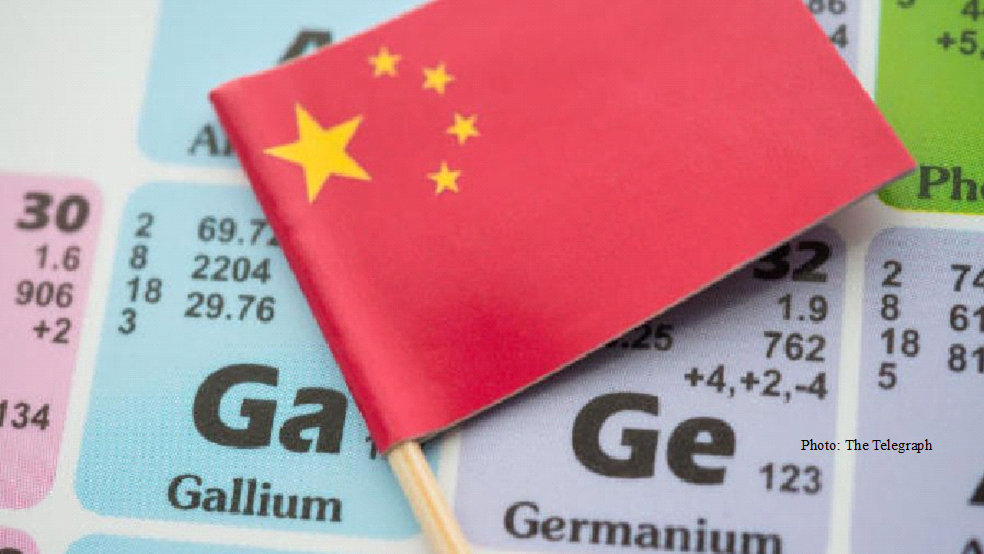
Gallium and germanium may never command the political attention accorded to oil or lithium. Yet they are indispensable to the industries that will define future economic competitiveness Empires were once forged in iron, fuelled by coal, and secured by oil. Today, strategic power increasingly rests on materials so obscure that few outside scientific circles can... Read More
Discussions of population devolve into debates about childbearing and ultimately centre on women’s bodies. Modern global discourse emphasises a return to traditional ways of life Visions of population explosion or implosion seem to provoke strong passions. Three centuries ago, Malthus argued that population growth would outpace the food supply, leading to famine and disease. Today,... Read More