While global innovation leaders invest 2-4.5% of their GDP in R&D, the figure stands at 0.64% for India. In this post, Mondal and Pohit contend that the country ought to recognise R&D as an economic engine, raising public investment and the contribution of the private sector. Further, instead of only playing catch-up, there is a... Read More
In May 2025, Hyderabad Metro Rail implemented its first major fare revision in over seven years. While the initial increase—based on recommendations of the Fare Fixation Committee—was announced mid-month, public concerns led to a subsequent 10 per cent discount being applied within days. The episode highlights a recurring challenge in India’s urban transport systems: how... Read More
Institutional autonomy, not the cycle, will shape outcomes. Global financial institutions continue to frame the 2026 outlook for emerging markets through a familiar cyclical lens. The consensus assumes US monetary easing, a softer dollar and a modest global slowdown will favour local-currency assets, credible disinflation paths and balance-sheet repair. This narrative is historically grounded and... Read More
The impulse that led to the passing of MGNREGA celebrated the spirit of inclusive development. However, the engineering that rendered the spirit behind MGNREGA into functioning machinery requires repairs and unclogging. Unless we recognise both achievements and challenges facing MGNREGA, it will be difficult to repair it, and this omission will continue to haunt both.... Read More
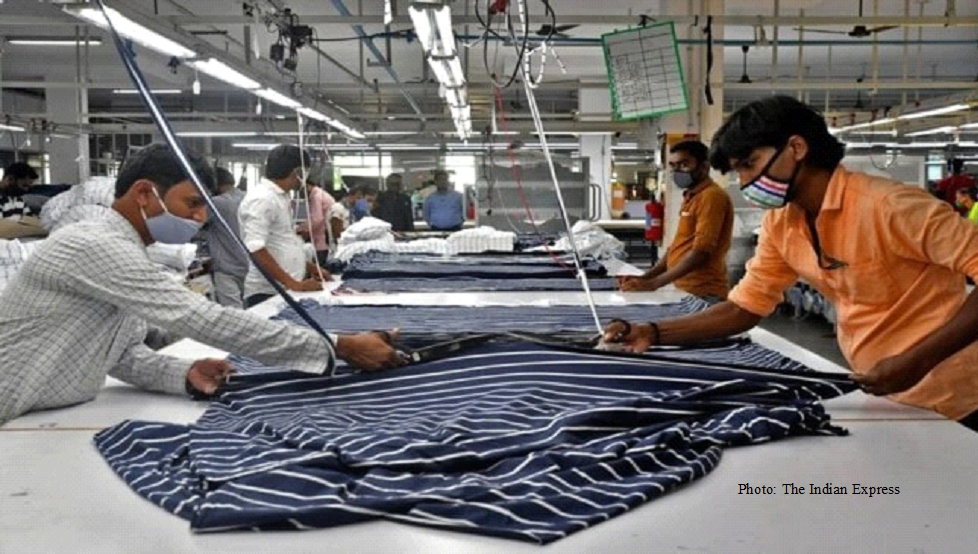
India’s economic growth has not eased job insecurity, as employment expansion has remained modest and job quality weak, especially outside agriculture. Manufacturing and services saw limited employment growth between 2012 and 2023, while agriculture’s shrinking share pushed more workers into non-farm sectors that are becoming less labour-intensive even as their economic output rises. Economic growth... Read More
Competitiveness and quality must advance together. Regulation that raises costs without raising safety standards undermines the very manufacturing strategy India is trying to build. India’s decision to withdraw quality control orders (QCOs) on a wide basket of industrial raw materials marks one of the most meaningful regulatory resets in recent years. In a manufacturing economy... Read More
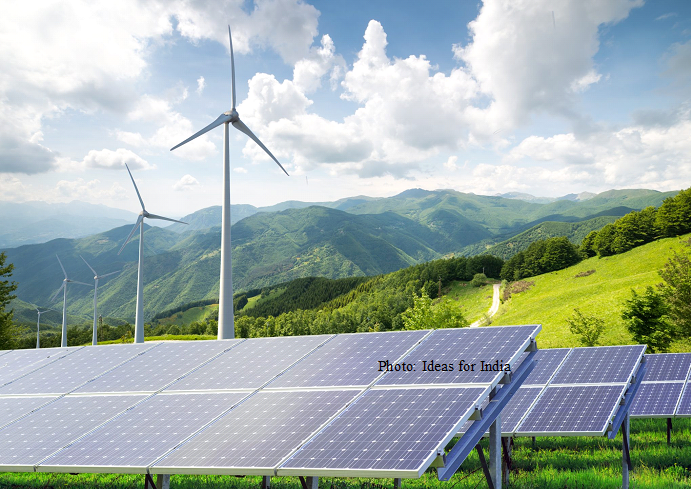
While India has made progress in installed capacity for renewable energy sources, power generation from renewables remains low. In this post, Chaudhuri and Rath content that renewable energy budgets of several states continue to be limited, with only a few states demonstrating a strong commitment to sustainable energy transition. They recommend balancing capital and revenue... Read More
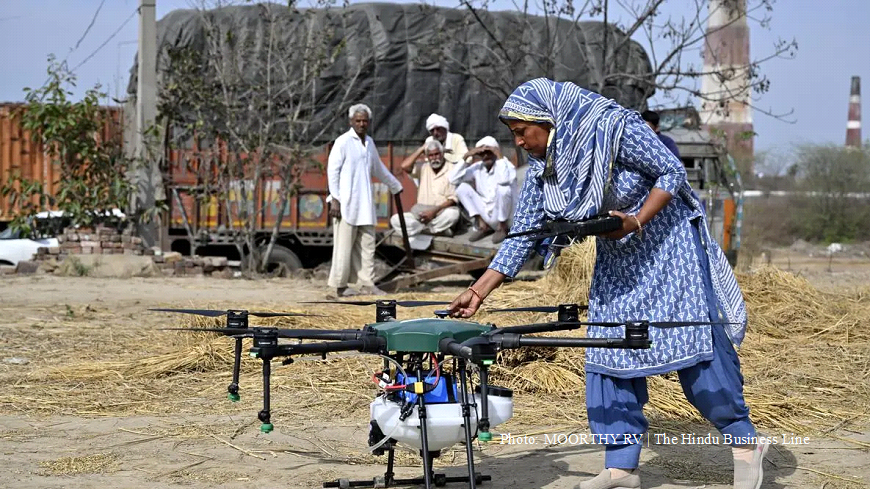
Women form close to 42% of farm workers. Skilling schemes specifically designed for women is imperative to not only raise their productivity but also to empower them. India’s agriculture stands at a critical crossroads. On the one hand, rapid technological transformation — from drones and digital platforms to precision farming — is reshaping how crops... Read More
The 30 ‘critical minerals’ pose different risk levels. India’s critical minerals strategy stands at a crossroads. In June 2023, the Government of India released a list of 30 critical minerals through a systematic three-stage assessment process evaluating economic importance, strategic value, and import dependencies. Yet two years later, policy implementation treats all 30 minerals with... Read More
Rather than viewing employment generation solely through the lens of large industry or government programmes, policy must confront the reality that employment generation is tied to improving the productivity of its smallest enterprises The recently announced new labour codes are likely to transform the employment landscape of India. The discourse on employment, however, primarily centres... Read More