


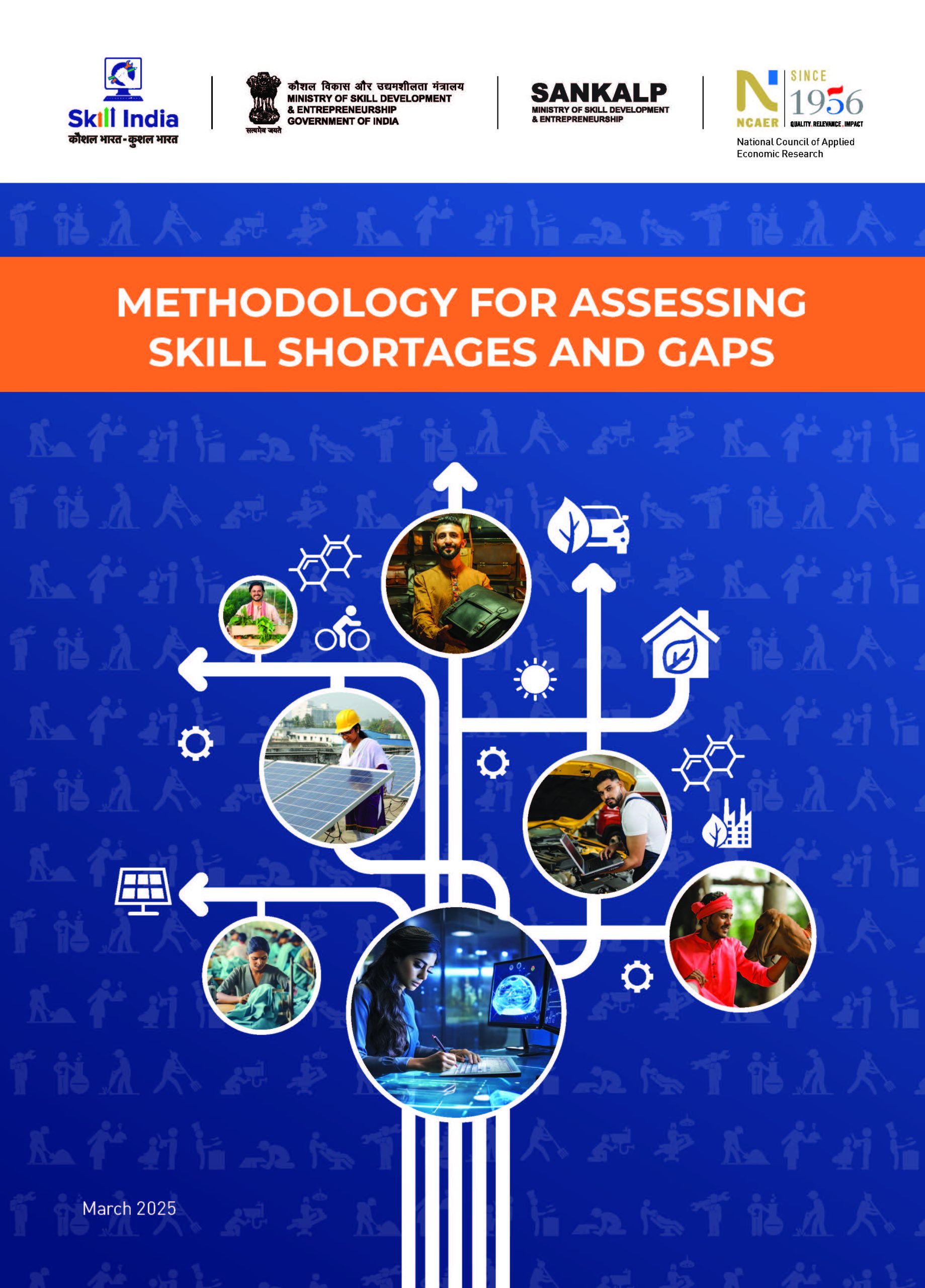
In the present era, characterised by an overwhelming pace of technological changes, especially with Artificial Intelligence (AI) likely to come into play in every sector, skilling, reskilling and upskilling will be key to address the changing nature of goods and services in demand. The objective of the present exercise is to evolve a dynamic and... Read More

The Ministry of Skill Development and Entrepreneurship (MSDE) had undertaken the study titled ‘National Skill Gap Study for High Growth Sectors’ under the Skills Acquisition and Knowledge Awareness for Livelihood Promotion (SANKALP) programme. This study was undertaken by the National Council of Applied Economic Research (NCAER). The primary aim of the study is to create... Read More
Planners in India need to look at whether they are investing in the most sustainable and cost-effective transit solutions. Among the various aspects of Viksit Bharat by 2047, an urbanised India is sure to be a principal one as it is expected that urban India will be the engine of growth in this transformation. Let... Read More

This paper proposes a multidimensional strategy for advancing financial inclusion in India as a cornerstone of the nation’s Viksit Bharat@2047 vision. It argues that inclusion must evolve from a metric of access to a transformative tool of economic citizenship—anchored in sustained literacy, institutional trust, equitable access, and user empowerment. India has made remarkable progress in... Read More
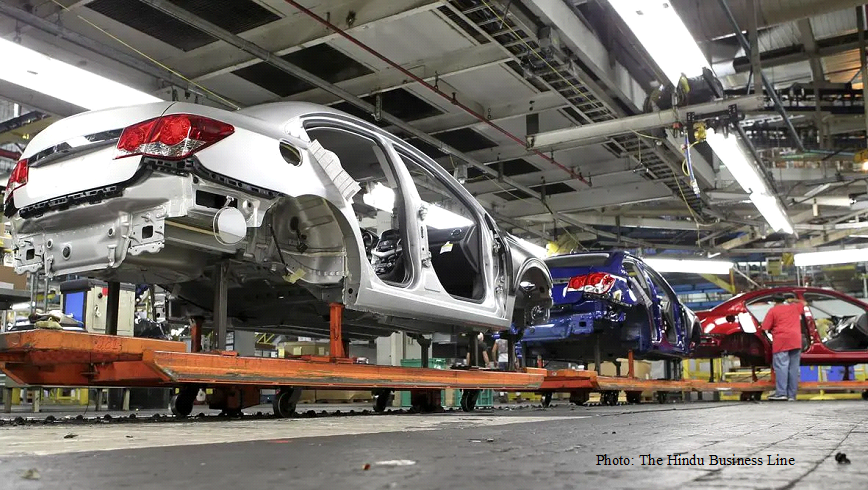
There’s ambiguity on the applicable tariffs on several products. India should sort this out before finalising a trade deal with the US. The US has brought uncertainty into global trade given the announcements, amendments, postponements, legal blockades, and legal backings to reciprocal tariffs imposed on goods imported from across the world. As the largest economy... Read More

India’s economic growth over the past few decades has been impressive, but the benefits have not reached everyone equally. While urban areas and formal sectors have prospered, many in rural and informal economies remain excluded. The long-anticipated ‘trickle-down’ effect has not materialized, emphasizing the need for inclusive and employment-oriented policy interventions. Technological advances, especially Artificial... Read More
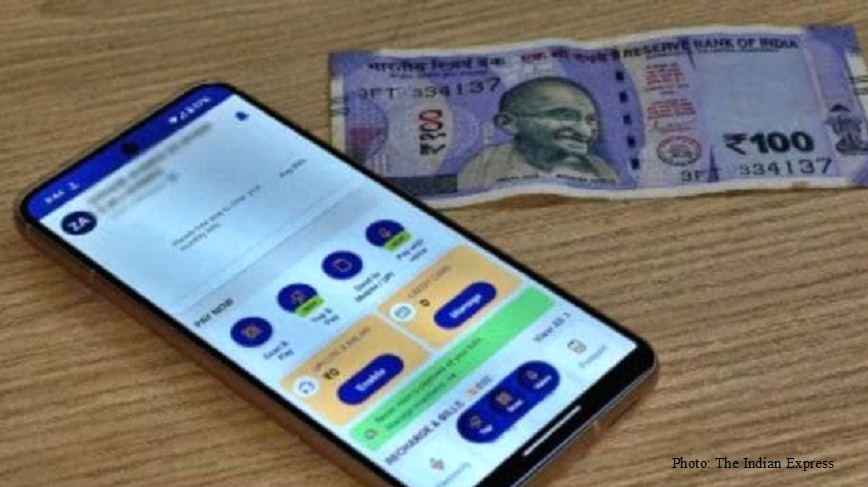
Although digital means have helped facilitate business transactions, the advent of UPI is yet to make a pronounced change in the manner in which many Indian firms handle their day-to-day transactions, considering that many of them have still continued to rely on petty cash An active area of research is the cash holding behaviour of... Read More
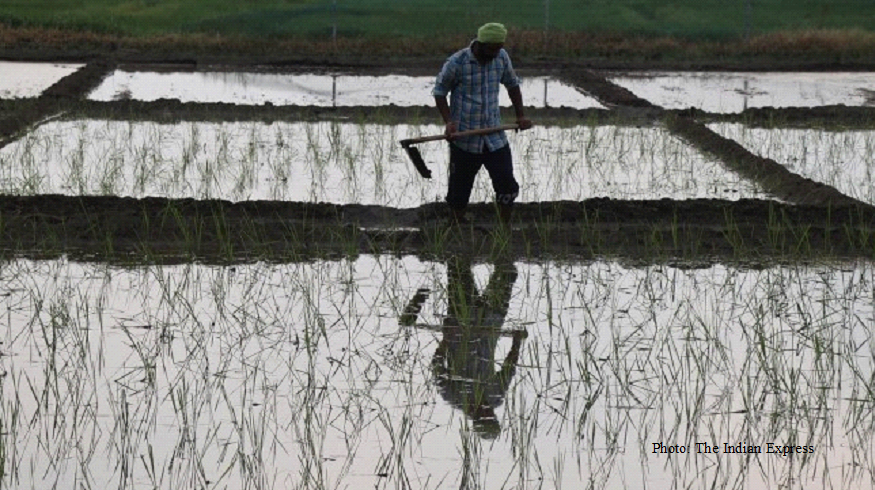
Water must be treated as a finite economic resource, not a limitless political entitlement. This requires tough reforms. Water underpins nearly every aspect of human well-being, from food security and sanitation to clean energy and public health. Yet, as cities expand, industries grow, and agriculture continues to dominate water use, we are confronting a sobering... Read More
Whether it be a scorching summer vacation or puja holidays, a cozy winter getaway, or just a spontaneous weekend escape—one destination always finds its way to the top of every Bengalis travel wishlist: Puri. For generations, Bengalis have shared an unshakable bond with Odisha whether it’s for this coastal gem or because of the DhauliGirihills... Read More
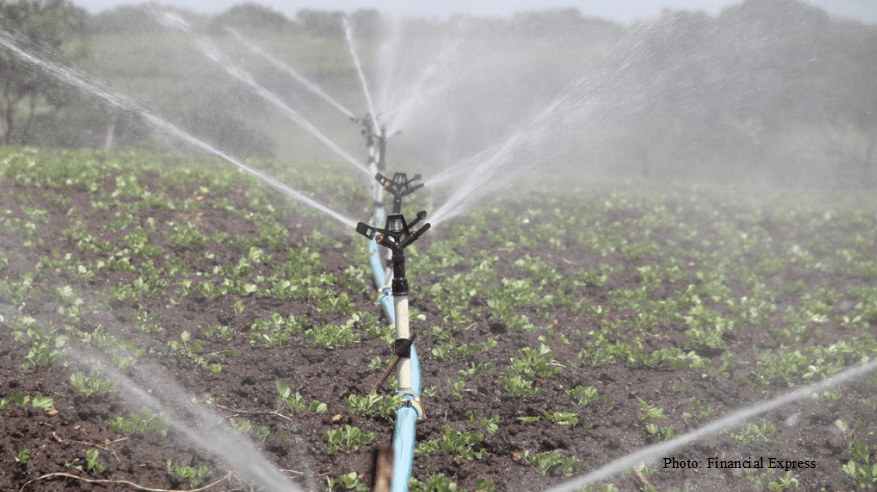
Irrigation investments yield the best outcomes when paired with timely access to quality seeds, fertilisers, credit, and extension advice. n India’s agrarian landscape, the relationship between irrigation and cropping decisions has long been treated as linear, where expansion of irrigation infrastructure is expected to lead to changes in cropping patterns, particularly a shift toward more... Read More
India is facing a looming water crisis driven by rapid urbanisation, population growth, groundwater depletion, and climate variability. Despite receiving over 3,800 billion cubic metres of annual precipitation, the country utilises less than one-third effectively due to uneven rainfall distribution, inadequate storage infrastructure, and poor water governance. Per capita water availability has declined sharply, while... Read More

Air pollution is one of the five leading risk factors for mortality worldwide. India has been dealing with seriousenvironmental problems as its economy develops. The number of automobiles on the road has increased the risk of air pollution.Therefore, to reduce pollution levels, Government of India decided to leapfrog Bharat Stage V (BSV) (equivalent to Euro... Read More