


This paper assesses the impact of women's participation in national governments (as parliamentarians and ministers) on social spending and outcomes in emerging market and developing economies (EMDEs). We find that the representation of women in politics has increased over time, with substantial variation across regions and countries. Latin America and the Caribbean lead among EMDE... Read More
NCAER News is a monthly digest where you can learn about NCAER's research outputs, its latest events, and offerings.

The hidden costs countries now accept for strategic resilience. A new principle is reshaping global finance: the sovereignty premium – the economic cost countries willingly pay for financial autonomy. This premium functions as geopolitical insurance, a calculated payment to build structural resilience against exclusion while securing self-determination. For an increasing number of states, economic efficiency now... Read More

A structured care-giving industry can not only meet a vital social need but also generate large-scale employment, spur health-tech innovation, and create new public-private models of welfare. India is often described as a young country, but the truth is that it is also ageing faster. As per a report by NITI Aayog, the elderly in... Read More
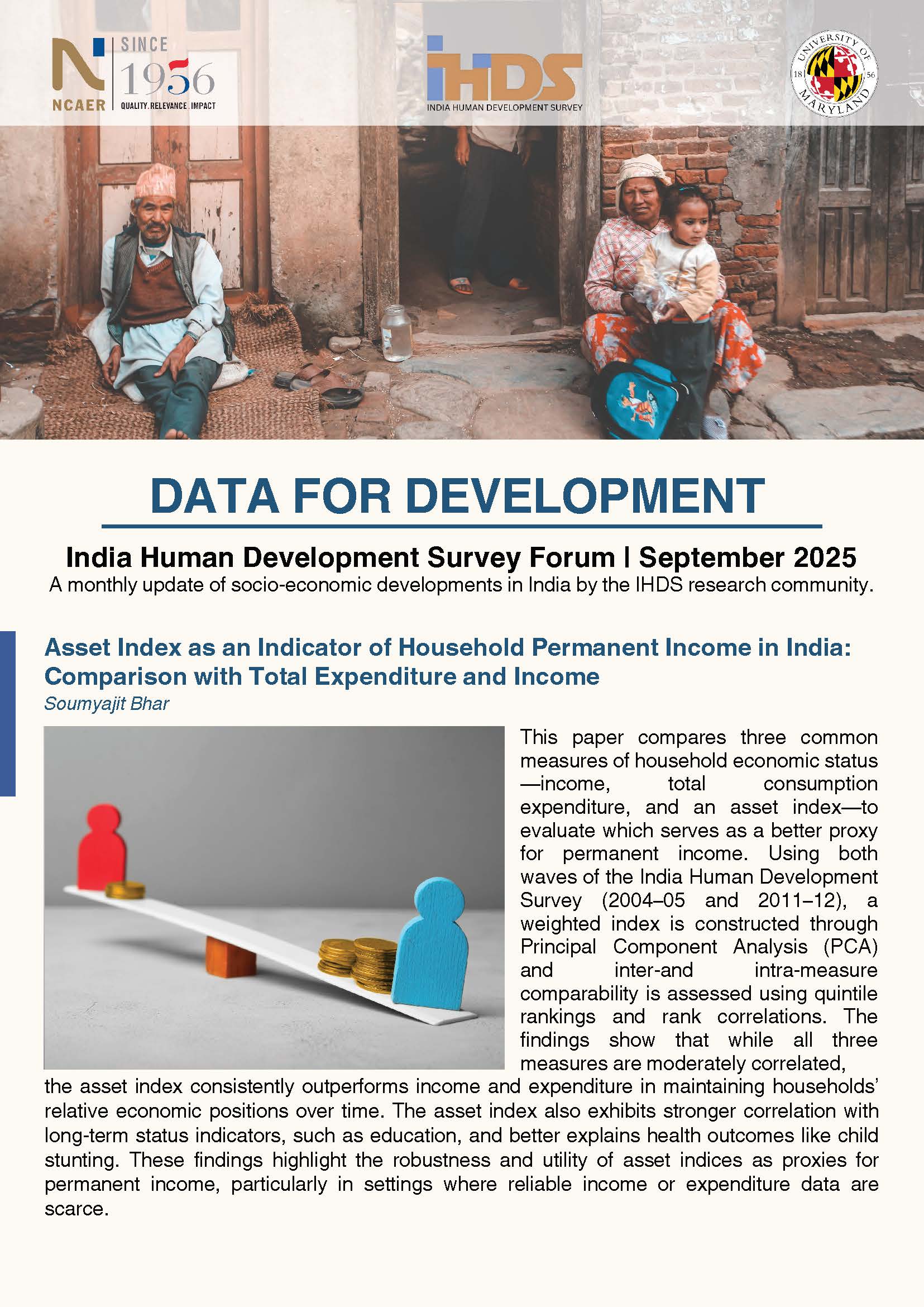
The IHDS Forum is a monthly update of socio-economic developments in India by the IHDS research community, based on the India Human Development Survey, jointly conducted by NCAER and the University of Maryland. While two earlier rounds of the survey were completed in 2004-05 and 2011-12, respectively. Fieldwork for the third round was undertaken in... Read More
Download PDF
Most developed and emerging economies regularly estimate their logistics costs and employ performance indicators to track the efficiency of logistics operations. For India, too, systematic measurement of logistics costs is imperative to benchmark its performance vis-à-vis competing economies, and to identify areas for improvement. The vision of Viksit Bharat—a developed India by 2047—further reinforces the... Read More
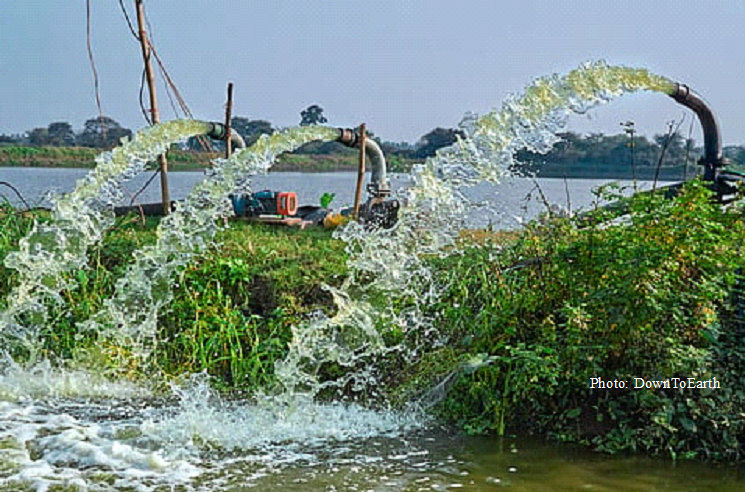
India's agricultural future hinges on aligning water and crop calendars to combat the dual threats of drought stress and waterlogging Summary India’s farms thrive when water arrives in sync with crop needs – but that harmony is breaking down. Mistimed irrigation brings twin threats: drought stress and waterlogging, both devastating for smallholders. Erratic monsoons and... Read More
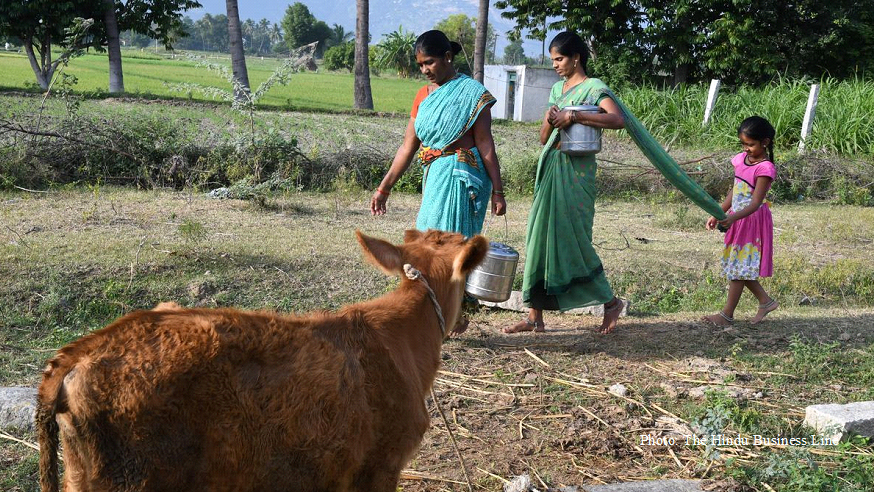
Training, targeted support can make a difference. India’s livestock sector is experiencing a transformation, and women are at its core. The Ministry of Skill Development and Entrepreneurship (MSDE) and NCAER (2025) study titled, ‘National Skill Gap Study for High Growth Sectors’, assessed the skill shortages and gaps in the sector, ‘raising cattle and buffaloes’. The... Read More

From IT corridors to gig platforms, urban job markets remain stratified by caste, religion and gender. It’s time to make inclusion a core goal of labour policy. In India’s largest cities, a Muslim woman with a university degree is still more likely to be shut out of a white-collar job than her equally qualified peers... Read More
To the GST Council’s credit, it went beyond the elimination of two rate slabs and delved into fine details to fix structural anomalies in this tax regimes. It broad-bases rates for like goods, corrects inverted duties and clusters products by their end use. The Goods and Services Tax (GST) Council has finally spoken its mind... Read More

The political economy of fiscal and financial blind spots. Financial surveillance fails when it matters most. Every major financial disruption – from the 1997 Asian crisis to the 2008 financial crisis or recent geopolitical shocks from wars, sanctions and trade realignments – has exposed how blind spots persist in national systems, regional arrangements and global... Read More
A critical part of the package are the process reforms for simplifying registrations and expediting refunds, both for inverted duty structure and exports. The run-up to the 56th Goods and Services Tax (GST) Council meeting was full of mixed sentiments—lots of excitement about the broad-brush picture of GST 2.0 reform and yet some lurking apprehension about the... Read More