


Climate change poses significant risks to human health in India, with 80% of the population located in areas highly vulnerable to extreme events, such as cyclones, floods and heatwaves. While India has made progress on several Sustainable Development Goals (SDGs), risks from climate change can undermine the achievements. This study examines the impact of climate... Read More
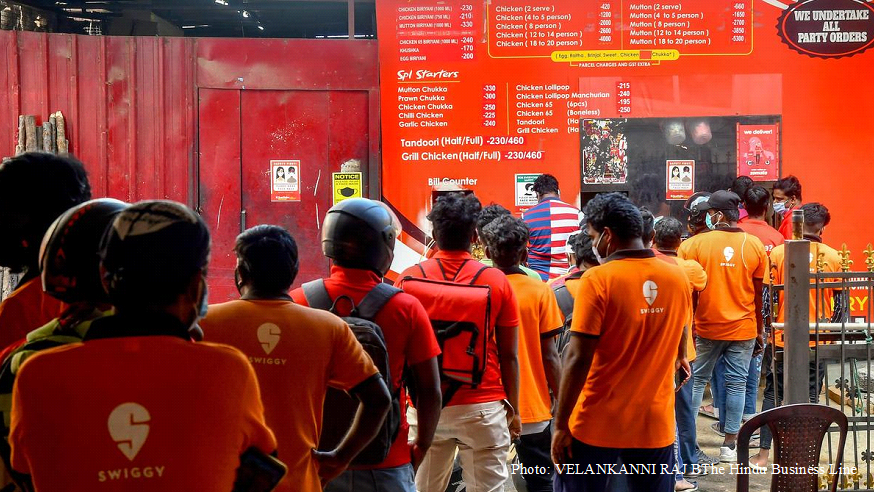
The regulation should ensure that flexibility is for real, with no incentive structure that seeks to distort it. What does the word ‘flexibility’ mean in the context of platform work? The two stakeholders, platforms and the workers, are debating the term. The platforms argue they offer ‘flexibility’ but workers disagree. But both the workers and... Read More
The IHDS Forum is a monthly update of socio-economic developments in India by the IHDS research community, based on the India Human Development Survey, jointly conducted by NCAER and the University of Maryland. While two earlier rounds of the survey were completed in 2004-05 and 2011-12, respectively. Fieldwork for the third round was undertaken in... Read More
Download PDF
New research shows forests, wetlands and blue-carbon ecosystems are absorbing far less CO₂ under heat stress, threatening India’s net-zero pathway When policymakers tally national climate progress, they often balance a country’s emissions with the carbon captured by forests, wetlands, and coasts — nature’s “negative emissions”. The logic appears straightforward: Plant more trees, lock away more carbon,... Read More
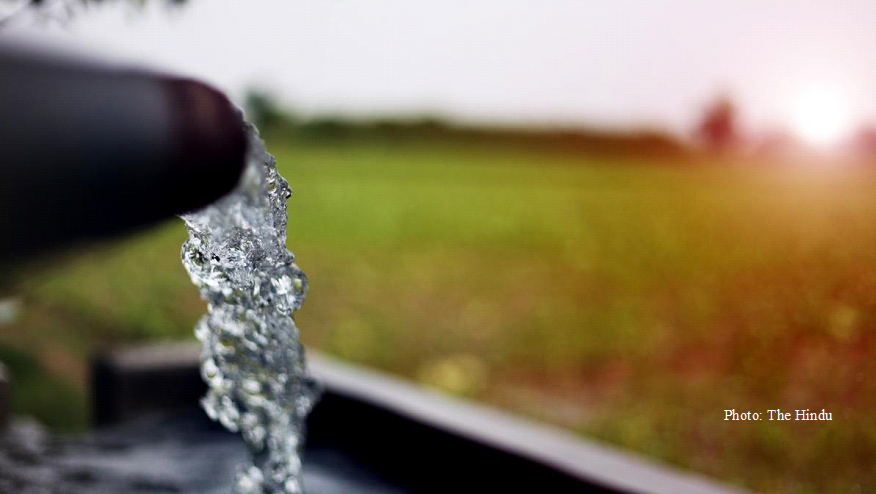
India needs a nationwide, real-time groundwater monitoring system with open access to data so communities know what they are drinking and irrigating with On a sweltering afternoon in Punjab, a farmer lowers his bucket into the well that has sustained his family for generations. The water looks clear, but tests reveal a different story: uranium... Read More
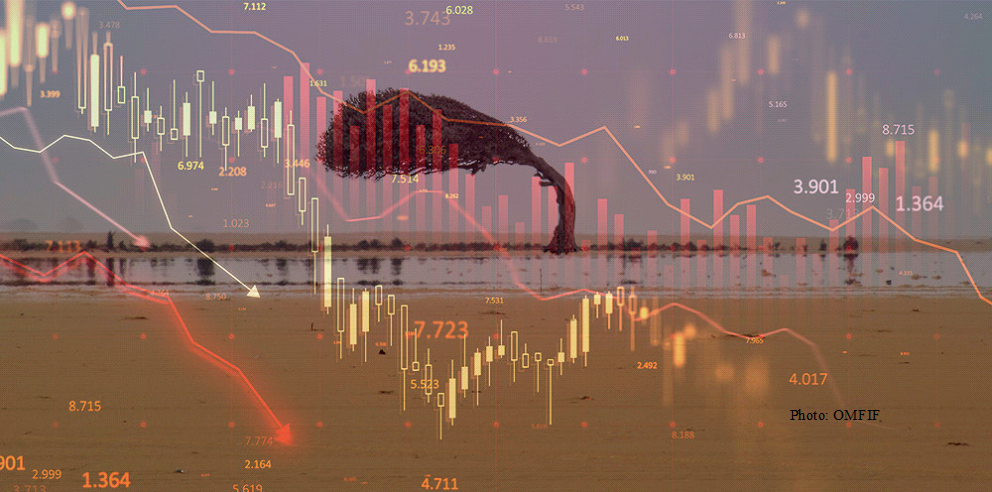
The borrowed metaphor now obscures more than it explains. Since the 1997 Asian crisis, financial stability – macro-financial stability more broadly – has been the primary objective of global finance, shaping the work of central banks, finance ministries, the International Monetary Fund and the Financial Stability Board. Today, ‘resilience’ has taken its place. Authorities... Read More

India must integrate coastal ecosystems into its climate strategy. Its maritime geography is not merely a conduit for commerce; it is an ecological asset of strategic significance. What if the solution to India’s net-zero ambition isn’t just on land but beneath the waves? The ‘blue economy’ is India’s overlooked trillion-dollar lever where environmental sustainability, economic... Read More
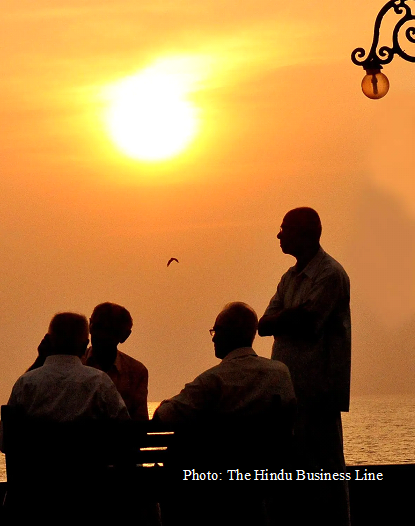
The current care-giving model is overwhelmingly informal and family-based, with little to no state or institutional support. In the quiet routines of everyday Indian households, an invisible yet indispensable workforce is at play, one that fuels the nation’s social fabric through everyday acts of care. Whether it is a grandmother helping with child-care, a father... Read More
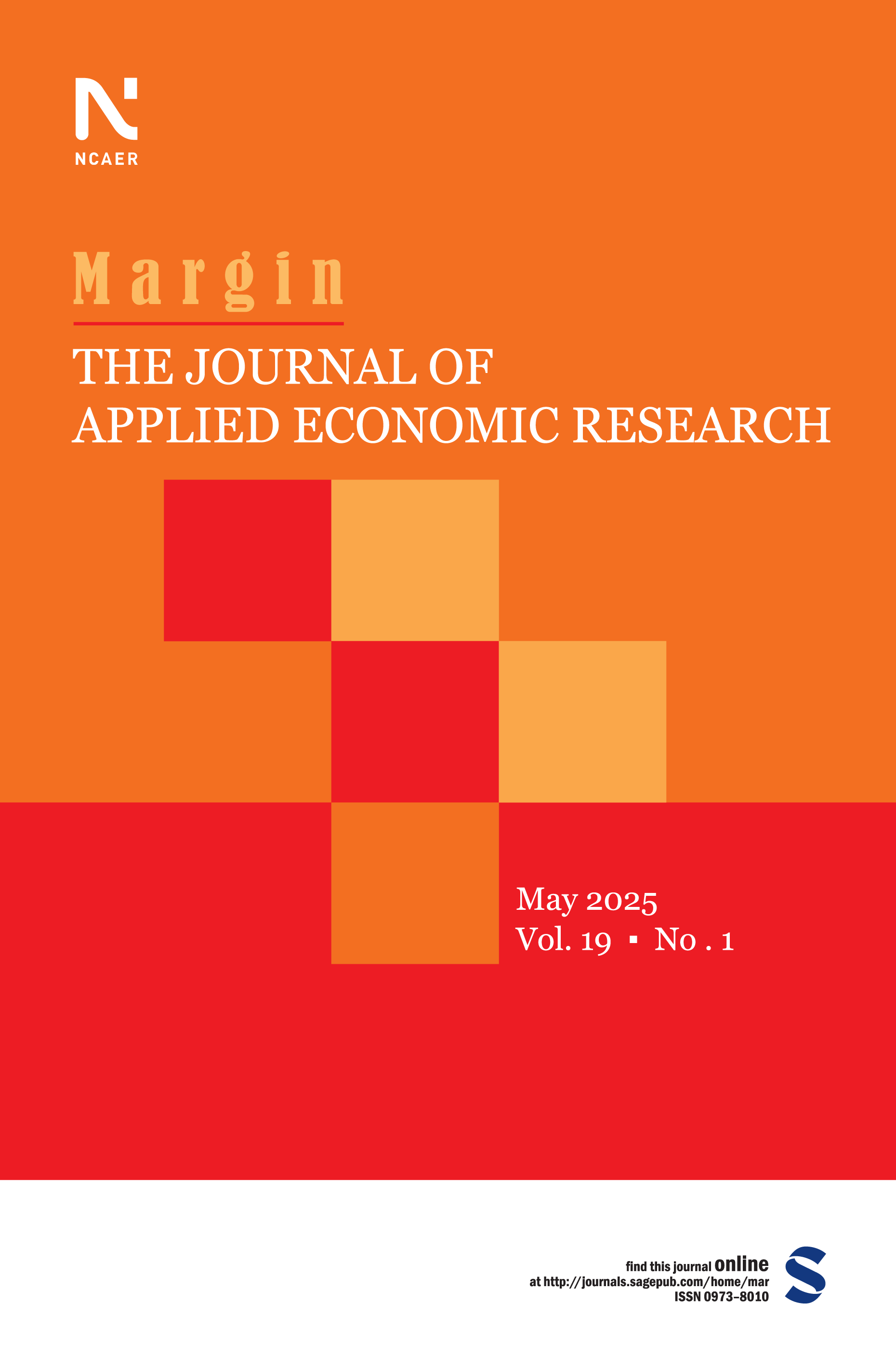
Margin: The Journal of Applied Economic Research is a peer-reviewed bi-annual journal published jointly by NCAER & SAGE International. Volume 19, Issue 1, May 2025 includes the following papers- The Earnings and Conversion Gaps for Persons with Disabilities: Evidence from India - Ajay Mahal, Anup Karan, Marie Ishida, Fairlene Soji, Suhaib Hussain, Sara Varughese, Nathan Grills,... Read More
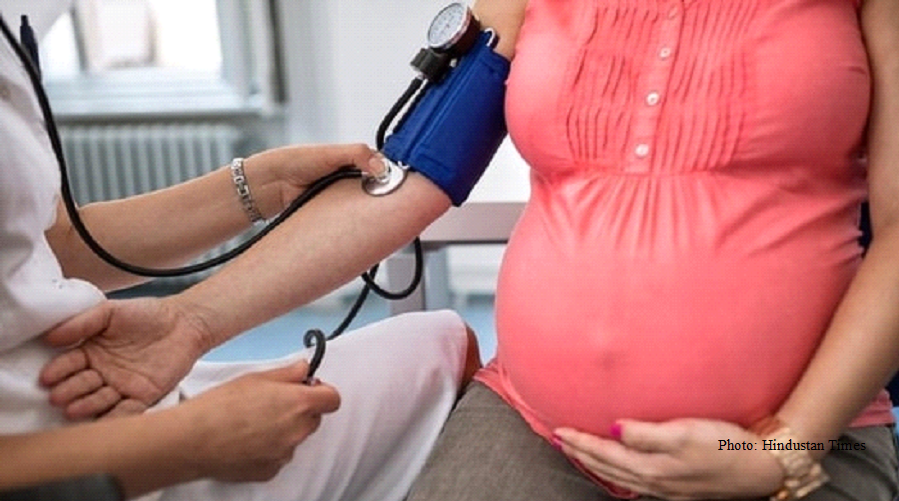
Once defined by its growing population, India now faces a quieter but deeper demographic shift. According to the Sample Registration System (SRS) 2023, the Total Fertility Rate (TFR) of the country has reached 1.9 children per woman, below the replacement rate of 2.1. In urban India, the TFR stands at 1.5, while rural India is... Read More
India has made significant progress in its Biofuel Mission over the last 10 years. The commitment to biofuel production, promotion and its usage as part of a global alliance was reinstated in India’s launch of the Global Biofuel Alliance at the G20 Summit of 2023. On the Bioethanol front, the country has achieved the target... Read More

Law will remain powerless, unless women speak up. The Constitution guarantees equality, dignity, and protection from violence, and the Protection of Women from Domestic Violence Act (2005) provides a legal framework. Yet, when women do not name their suffering, these protections lose their power. Until women can speak up fearlessly — in homes, workplaces, and... Read More