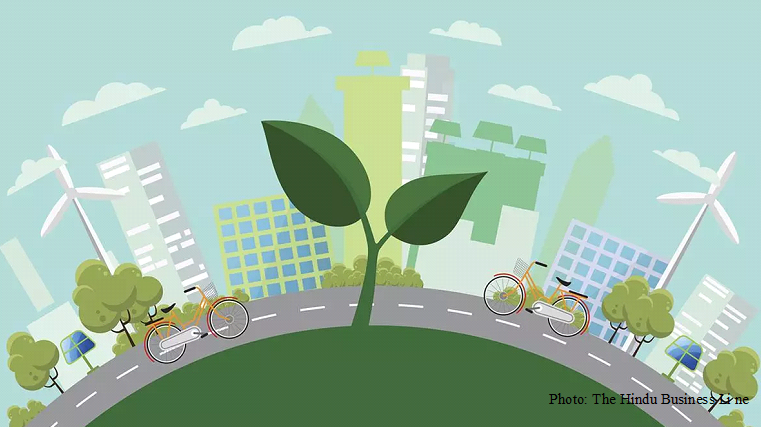
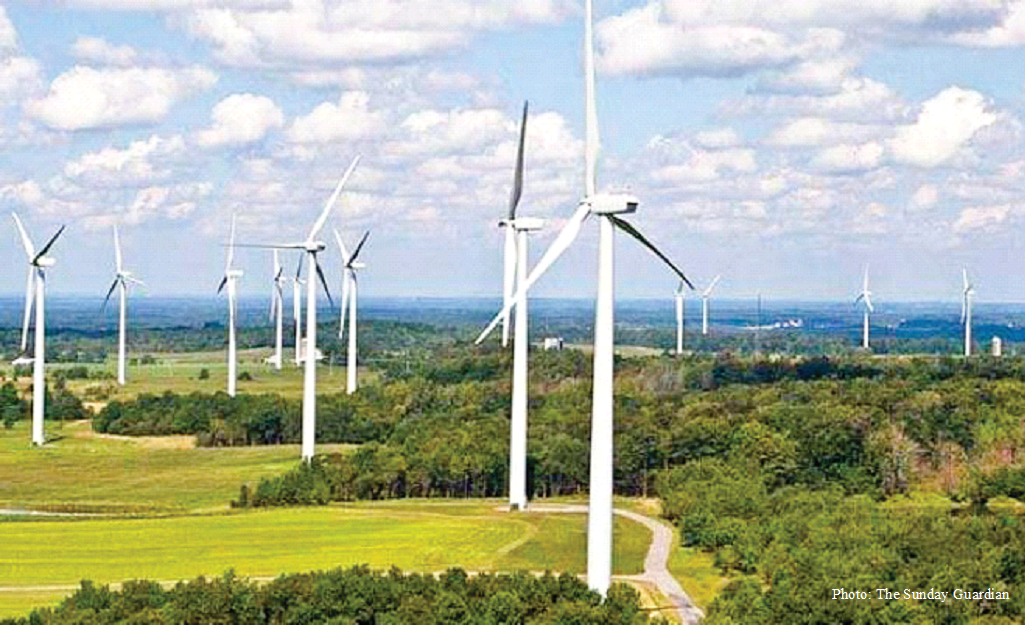
The Budget takes significant strides in advancing clean energy and emission reductions, reinforcing India’s commitment to a sustainable future. The year 2024 was the warmest on record globally since 1850, with India among the most vulnerable nations to climate change. Extreme heatwaves, rising sea levels, erratic monsoons, and worsening air pollution have become the new... Read More
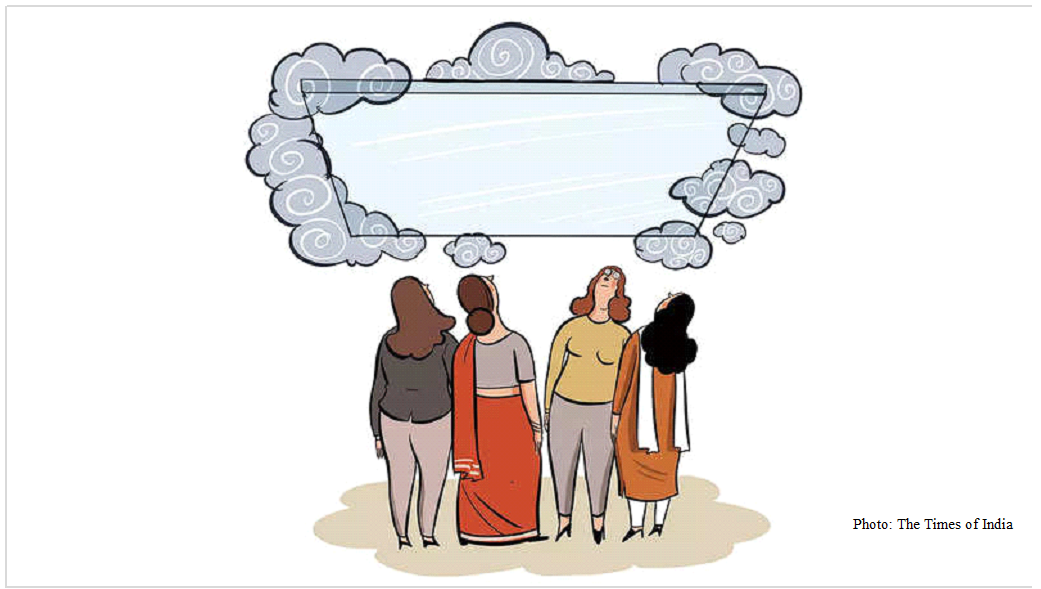
Boosting female labour force participation rate is not just a matter of gender equality; it is an economic imperative. India’s quest for fast economic growth and social equity hinges on an obvious but underrated lever – its female workforce. Despite significant progress in educational attainment and health outcomes, the country lags in enabling women’s economic... Read More
India’s rise as the world’s fifth-largest economy is a defining moment, but sustaining this momentum and ensuring long-term, sustainable growth demands a hard look at its financial system. Rapid economic expansion has stretched the system in multiple directions, exposing structural weaknesses, regulatory gaps, and emerging systemic risks. The IMF’s latest Article IV Consultation and Financial... Read More
After a steady rise for over two years, Indian markets have been in a correction phase since October 2024. Equity markets have declined by 14 percent; the exchange rate has depreciated by 4 percent; the reserves have declined by $65 billion (9 percent of the stock that existed); while FII investors have pulled out nearly... Read More
Among the many achievements of G20 under India’s leadership in 2023 was their specific commitment to promote women-led development. This commitment went beyond the general catchall of advancing “women’s economic empowerment”. It signalled an increasing recognition by world’s top leaders that promoting full, equal, effective, and meaningful participation of women in the economy as decision-makers... Read More
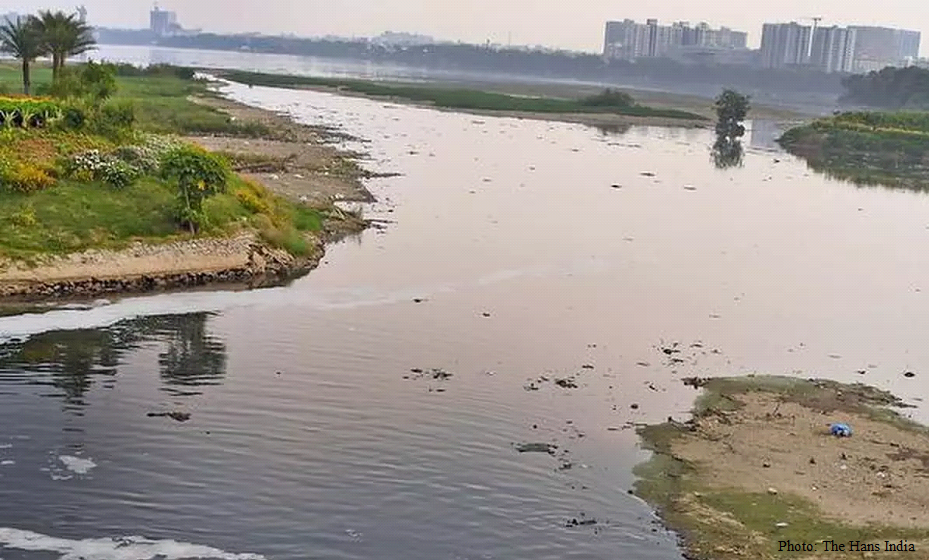
Once revered as the “City of Lakes,” Hyderabad is now grappling with a governance crisis, where its lakes—long-standing public goods—are being sacrificed for private gains. Recent data from the National Remote Sensing Centre (NRSC) reveal a stark reality: between 1979 and 2023, Hyderabad’s lake area has declined by 61%, shrinking from 40.35 square kilometres to... Read More
Despite significant progress in educational attainment and health outcomes, India lags in enabling women’s economic participation, which, in turn, impedes the goal of fast and inclusive economic growth. This article shows that formalising part-time employment and redistributing unpaid care work between men and women could raise female labour force participation by six percentage points, from... Read More
The time for incremental progress has passed. Bold policy measures, cultural shifts, and institutional support are required to break the barriers that hinder women’s leadership. The Women’s Reservation Bill, 2023 now enacted and set to be implemented after the census and delimitation exercise marks a significant milestone in ensuring greater representation for women in governance.... Read More
India is gearing up for green transition through policy and budgetary support to reduce dependence on finite fossil fuels, to curb greenhouse gas emissions, and to mitigate climate change. The Viksit Bharat 2047 vision aims to transform India into a developed nation, which will drive a significant rise in energy demand across industries, infrastructure, and... Read More
India’s public debt, at about 80 percent of GDP, is disproportionately high for its per capita income. Yet committed constituencies advocating for smaller or higher quality debt are largely absent. The complacency is because high debt has neither resulted in runaway interest rates or rollover risks nor is it seen to be a drag on... Read More