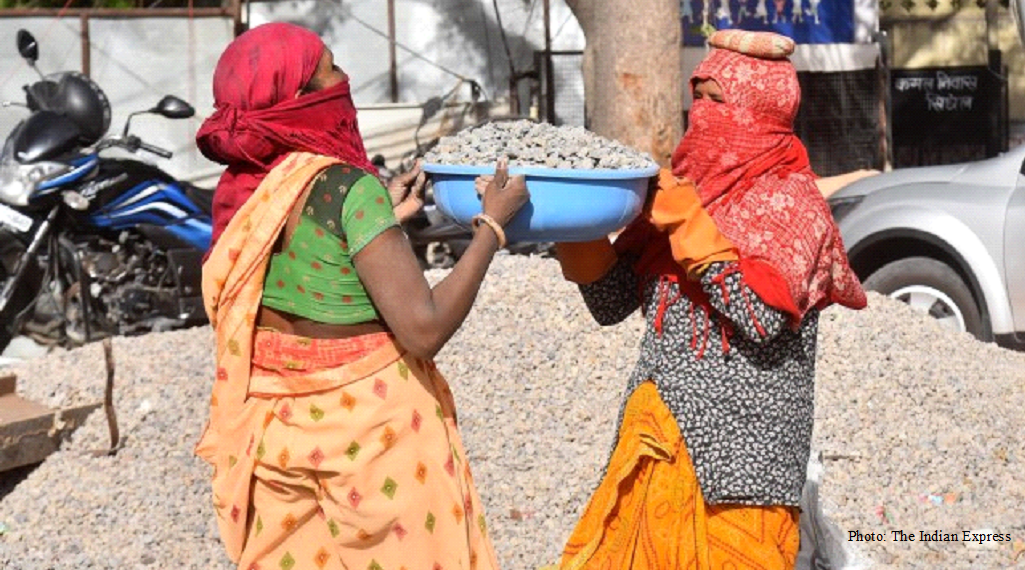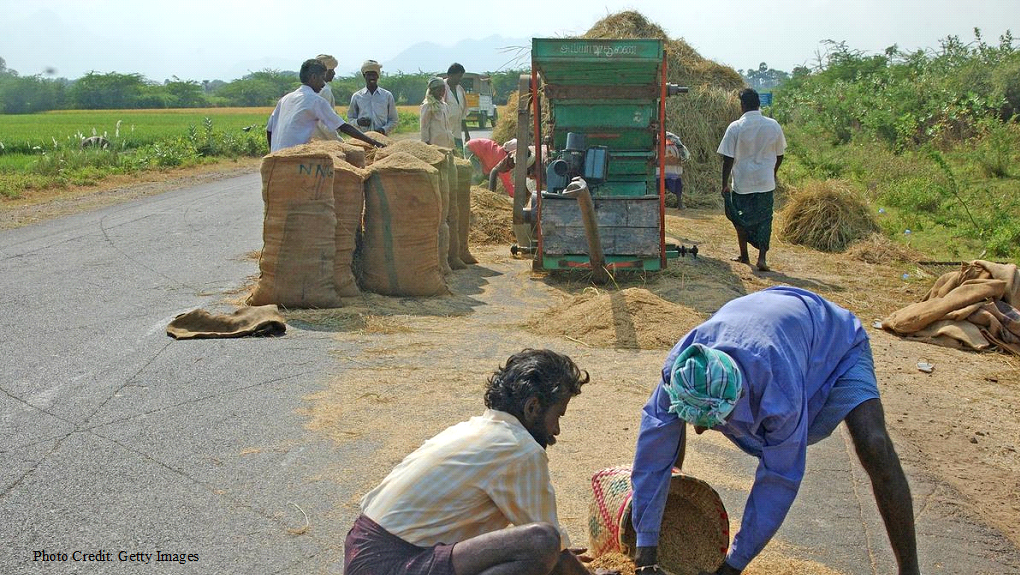

The Employment Linked Incentive scheme could be made more holistic by incorporating skilling and training aspects of work. Emphasis should be laid on increasing awareness, as well as digitising and simplifying processes and payments linked with it. India has experienced job growth, albeit slowly and of poor quality. According to the employment-unemployment survey and periodic... Read More
Capturing regional disparities is crucial. In COP29, the focus was on finance since countries require significant funding for energy transition. According to International Energy Agency, clean energy investment needs to reach $4.5 trillion a year by 2030 to limit global warming to 1.5°C. The share of renewables in gross electricity generation at the global level... Read More
Thozhi Hostels deliver high-quality housing solutions for working women, overcoming migration challenges in urban areas. In recent years, India has seen a remarkable increase in female labour force participation, from 25 per cent in 2017-18 to 40 per cent in 2022-23, according to the Periodic Labour Force Survey. This surge reflects growing economic aspirations among... Read More
As COP29 concludes in Baku, the world stands at a critical juncture in addressing the escalating climate crisis. Activist Greta Thunberg’s sharp critique-branding the summit’s draft text as “a complete disaster”-highlights the frustration over unmet promises and insufficient ambition. The Global South’s urgent demand for $1.3 trillion annually by 2035 has been countered by a... Read More
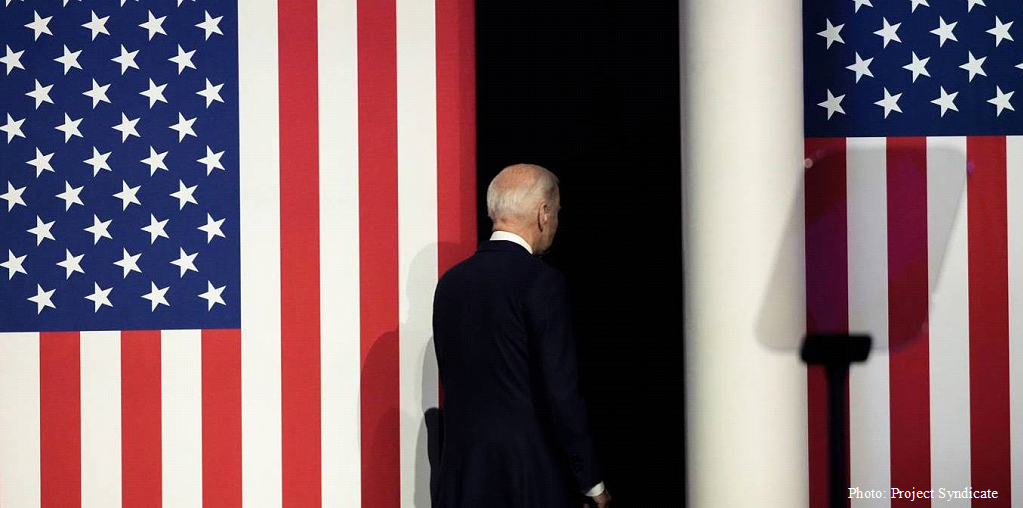
Had Joe Biden withdrawn from the US presidential race earlier, there might have been a good chance that his successor would maintain many of his economic-policy initiatives. Now we will see how many of those policies – if any at all – survive another four years of Donald Trump. The New York Times famously prepares obituaries... Read More
Donald Trump’s recent tariff threats – ranging from a 25% levy on imports from Canada and Mexico to a staggering 100% tariff on BRICS countries if they pursue creating new currency – have sparked global economic unease. For India, these developments pose a vital question: could these protectionist moves by the US inadvertently open doors... Read More
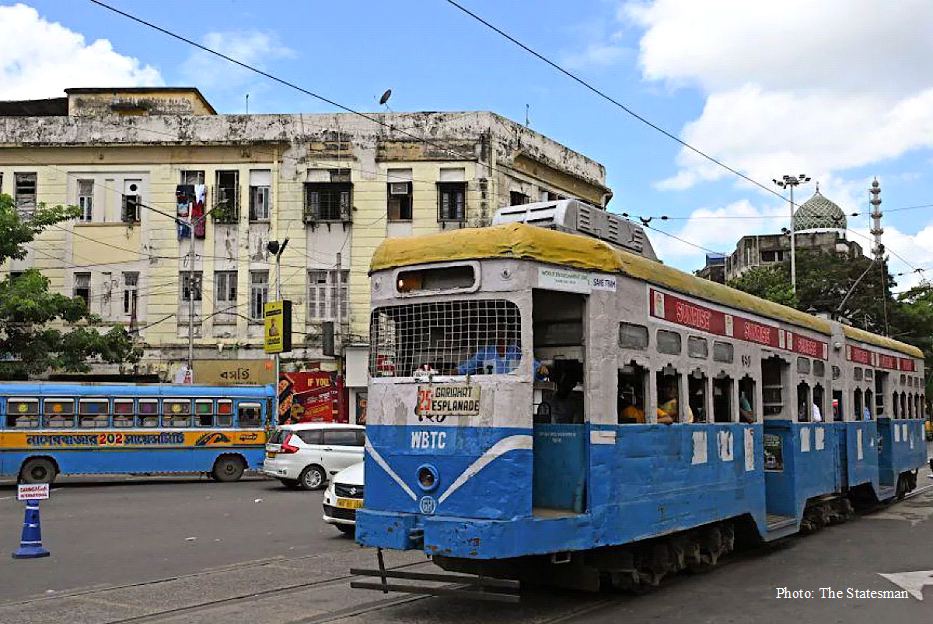
Trams, with their speed averaging 20 to 30 kilometers per hour, match the pace of most public transport in the city, including buses. When the West Bengal government decided to drastically scale back Kolkata’s 150-year-old tram service, leaving just a short heritage stretch from Maidan to Esplanade, i t igni ted a wave of protests... Read More
There is a profound mismatch between Germany’s current economy and its institutional inheritance from the postwar period. If the current crisis prompts a wholesale rethink of that inheritance, the logjam blocking necessary reforms could finally be broken. Germany is the poster child for everything that is wrong with the European economy. GDP is on track... Read More
There is a need to reimagine agriculture with the twin crises of food and energy insecurity set to challenge global priorities. “Addressing food insecurity and energy poverty is central to achieving global stability, but tackling these issues independently is no longer sufficient,” warns the World Bank in its latest report on climate and development. The... Read More
India’s research ecosystem stands on the cusp of a seismic shift with the impending rollout of the One Nation, One Subscription (ONOS) scheme, a Rs 6,000-crore initiative aimed at dismantling the long-standing barriers to accessing global academic resources. Boasting the promise of providing 13,000 international journals to over 6,300 institutions and nearly 18 million researchers... Read More