
Excessive caregiving burden leaves women with fewer hours to engage in paid work. A well-designed framework for flexible part-time employment contracts could offer valuable work opportunities. A large and active labour force can significantly boost a country’s economy, but a low participation rate (LFPR) can hinder it. The working-age population, typically those aged 15-64, falls... Read More
As the European Union (EU) sets a commendable example by effectively reducing its CO2-equivalent emissions, the emissions from non-EU countries with less rigorous climate obligations are accused of undermining the EU’s climate objectives. Consequently, mainstream Western media portrays the Carbon Border Adjustment Mechanism (EU-CBAM) as a fair pricing strategy for carbon emissions, thereby positioning the... Read More
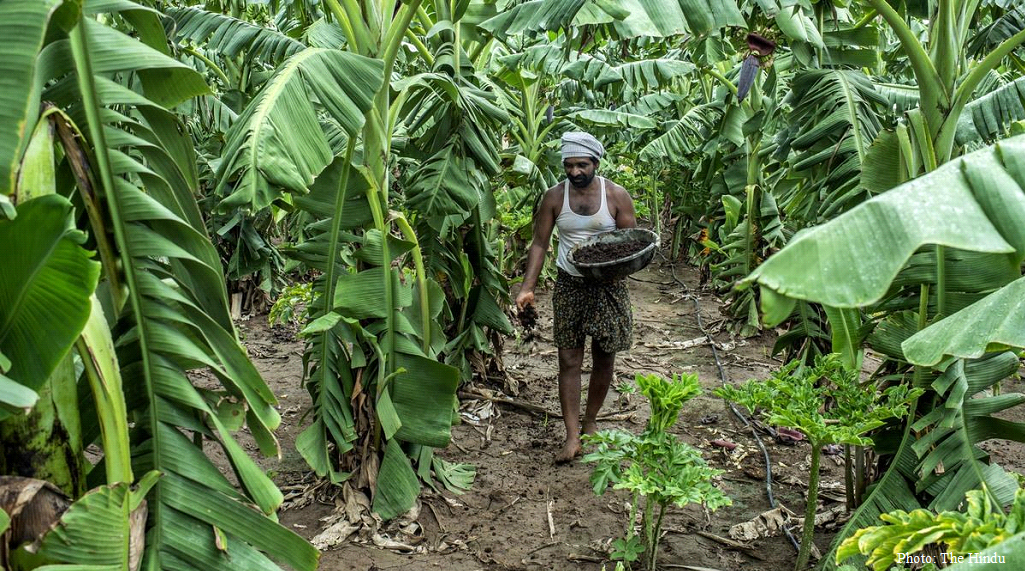
The 2024-25 Union Budget, with its allocation of substantial resources tonatural farming, marks a pivotal moment, but much needs to be done Natural farming, with its emphasis on biodiversity, soil health, and reduced chemical inputs, is gaining traction across India’s agricultural landscape. Andhra Pradesh, Gujarat and Himachal Pradesh have emerged as testing grounds for this... Read More
Expressions of dissatisfaction with the global dominance of the dollar go back at least to French finance minister Valéry Giscard d’Estaing in 1965. But even today, the euro is no challenger to the greenback, and no one should hold their breath waiting for the BRICS to unveil their own attempt at an alternative currency. Last... Read More
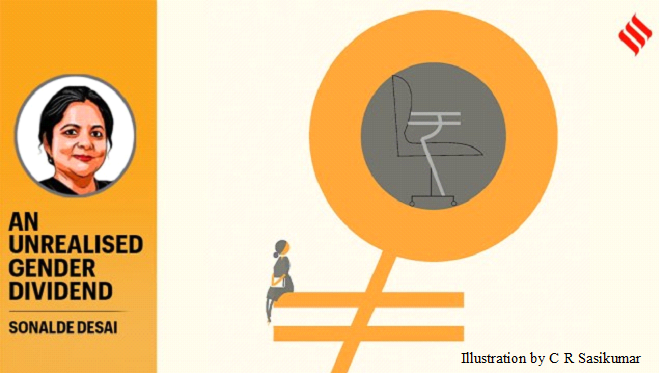
Of the four key areas that define women’s empowerment, personal efficacy, power in intra-household negotiations, societal engagement, and access to income-generating activities, we see improvements in the first three domains. In contrast, the fourth — access to employment — has stagnated. As economists struggle to explain the stagnation in women’s participation in wage work in... Read More
The G20's “Roadmap Towards Better, Bigger, and More Effective Multilateral Development Banks (MDBs)” is an ambitious blueprint for transforming MDBs to address global development challenges. The roadmap sets bold objectives: scaling MDBs’ financing capacity, fostering collaboration, and integrating climate-related goals into development strategies. These priorities underscore a strategic shift toward a more responsive, impactful multilateral... Read More
In India, where only 33% of women have an active bank account compared with 45% of men, the consequences for financial inclusion and economic growth are significant. By gaining greater control over their finances, women can lift themselves and their families financially and reduce their vulnerability to economic hardship. A financially literate and economically empowered... Read More
The overall health insurance coverage of house holds is impressive but pricier, complex self-financed insurance products hinder wider adoption. One of the most concerning and unsustainable aspects of healthcare financing is the significant out-of-pocket (OOP) expenses that households bear. These costs are aggravated by the relentless rise in medical expenses and inflation. Health insurance, often... Read More
The emissions from air travel, local transport and accommodation for COP delegates are staggering. The COP29 in Baku, Azerbaijan, from November 11-22, will take stock of climate commitments made by countries as well as advances in curbing carbon emissions. However, conducting such large-scale international conferences comes with its own costs, particularly additional carbon emissions —... Read More
When it comes to gender parity, India’s story seems quite curious. The Gender Parity Index (GPI) reached one in the country at primary education level (Class I - V) in 2009-10 and has been greater than one (in favour of females) for all levels of education since 2018-19. The GPI has also been consistent across... Read More