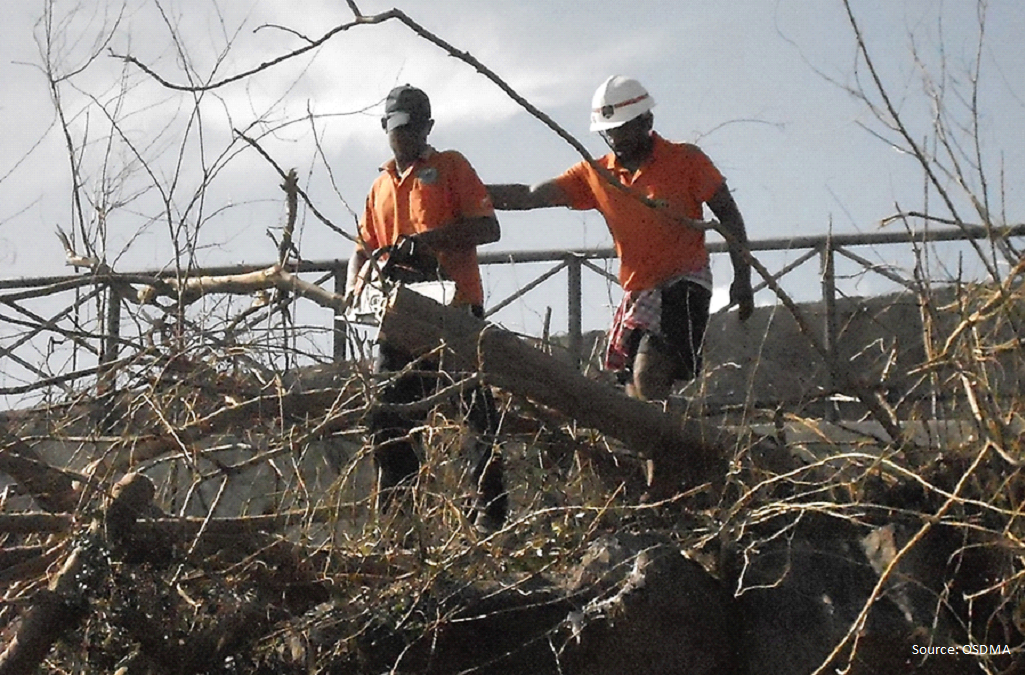
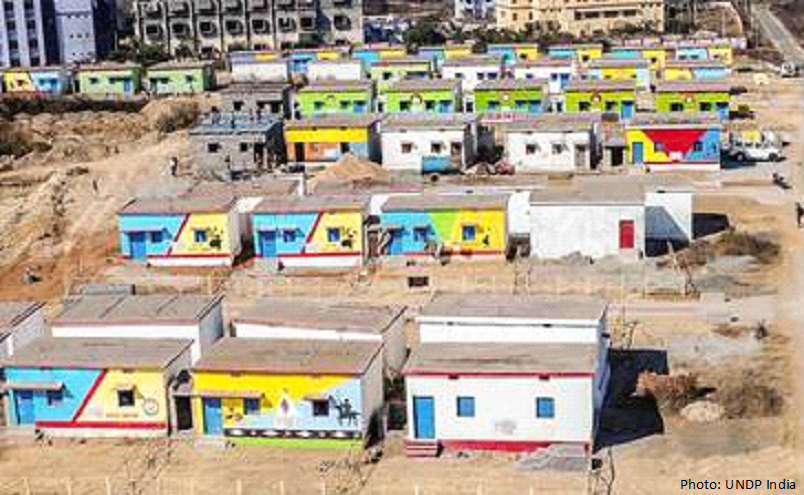
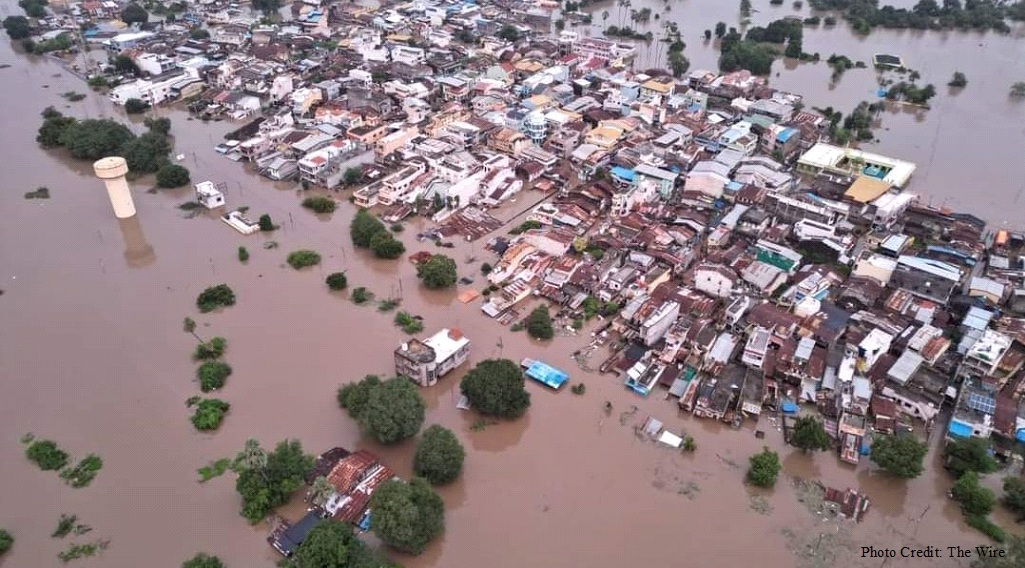
Odisha, on India’s eastern coast, has become a notable example of disaster management and climate adaptation. Frequent cyclones, floods, and coastal erosion have driven the state to implement adaptation strategies praised globally for their effectiveness. However, beneath these success stories lies a more complex narrative that challenges the sustainability and equity of these measures. As... Read More
From its management of the devastating Super Cyclone in 1999 to the more recent challenges posed by the Covid-19 pandemic, the state of Odisha has been a testament to the power of adaptive governance. In this post, Souryabrata Mohapatra discusses four key aspects of Odisha’s model for disaster resilience – multi-layer institutional framework, ground-up approach, capacity-building, and... Read More
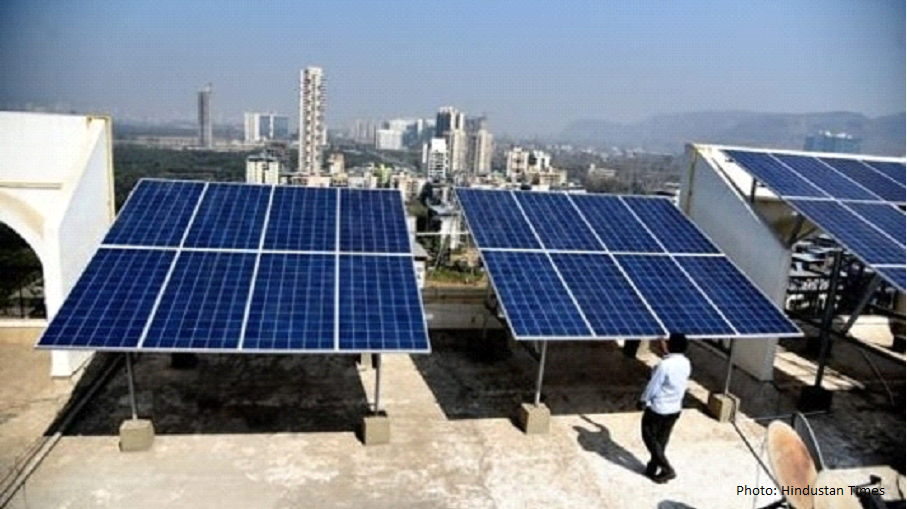
The long road ahead to meaningful energy transition. From bringing the power sector under GST with low rates to government support for MSMEs in the renewable energy space, a lot remains to be done The impact of climate change is unmistakable, as seen in the rising number of heat-related illnesses and deaths in India and... Read More
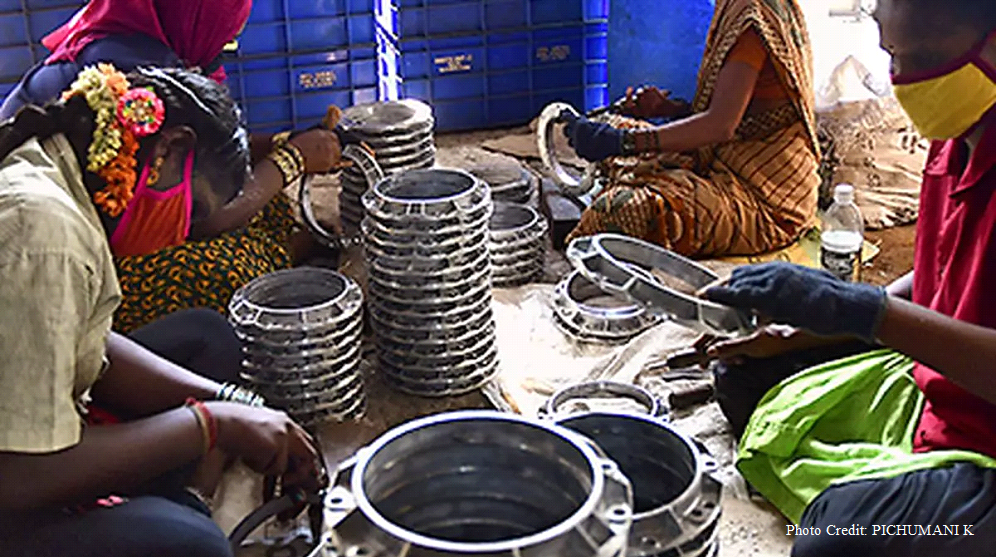
A focus on MSMEs as job creators is needed. Their problems with GST and credit need to resolved. Recently, Arvind Panagariya, the Chairman of the Finance Commission, expressed his view that employment challenge is on account of the country not being able to generate employment in labor-intensive sectors. The transition from agriculture to other sectors... Read More
From foundational reforms to progressive milestones. Since the pivotal economic reforms in 1978, China has strived to mould its financial sector to meet macroeconomic, social welfare and stability objectives. However, the outcomes have been mixed, leaving the country to experiment with various approaches. Marked by results often falling short of expectations, China remains wary of... Read More
Westerners worried about growing disparities at home shouldn’t overlook the transformative effect of liberalization in India and China. Imagine that across the length and breadth of America, working-class wages grew much faster than the incomes of millionaires. Rustbelt states started catching up with their more prosperous coastal counterparts. But these developments came with a caveat:... Read More
Key challenges are efficient utilisation of allocated funds, timely completion of projects, and a balance between urban and rural development. India’s ambitious vision to achieve developed nation status by 2047 hinges on a transformative journey through infrastructure development. This journey is not merely about constructing highways or erecting skyscrapers; it is about building the backbone... Read More
The UK’s newly minted National Wealth Fund (NWF) stands not merely as a state-owned financial entity but as a beacon of hope amidst climate challenges. Its mission: To secure a lasting reservoir of funding for climate resilience and sustainable economic growth. Much like a lighthouse, this state-owned investment fund promises to inspire confidence in the... Read More
The Union Budget 2024-25 increased the allocation of agriculture by 4.6%, i.e., Rs 1,32,469.9 crore from Rs 1,26,665.6 crore in the Revised Estimates (RE) of 2023-24. However, if we include allocation for the allied sector as well, the total allocation becomes Rs 1,39,607.5 crore. Agriculture is considered backbone of the economy, with a little over 18%... Read More
A more equitable and sustainable strategy is needed – one that recognises the interconnected nature of climate, development, and consumption. India, the world’s third-largest emitter of greenhouse gases, finds itself at the crossroads of development and environmental sustainability. The global approach to climate change, heavily focused on reducing carbon emissions through renewable energy adoption, overlooks... Read More