How the IMF is channelling capital to the developing world Climate finance has been a global priority for decades, with significant milestones such as the Green Climate Fund being established under the United Nations Framework Convention on Climate Change in 2010. Between 2021 and 2023, private sector investments in climate resilience escalated and institutions like... Read More
Policies have sought to promote participation in financial markets, but investor ignorance and negligence as well as fraudulent activities are impediments to growth. India’s financial sector has grown exponentially over the past two decades. One major contributor to this is the rising participation of private investors in financial markets coupled with digitalisation. While the growth... Read More
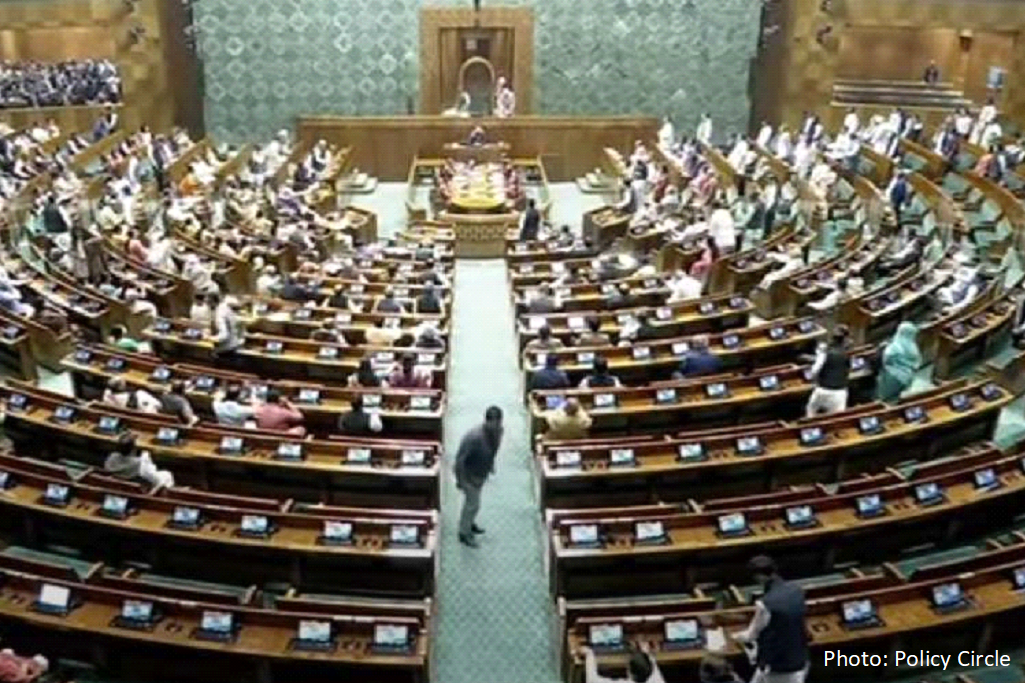
The 2024 Lok Sabha elections present a mixed picture for female representation, with rising candidate numbers but a declining success rate. The 2019 Lok Sabha elections marked a significant milestone in Indian politics, with the highest ever female representation in Parliament. With 78 women elected, female participation stood at an impressive 14%. This achievement was followed by... Read More
As a sweltering heatwave grips Northern India, Delhi has found itself at the epicenter of an alarming surge in temperatures. On May 29, newspaper headlines screamed of52.9 degree Celsius at Mungeshpur in north-west Delhi, raising concerns with climate change becoming the common refrain. Though the India Meteorological Department (IMD) later attributed it to sensormal function... Read More
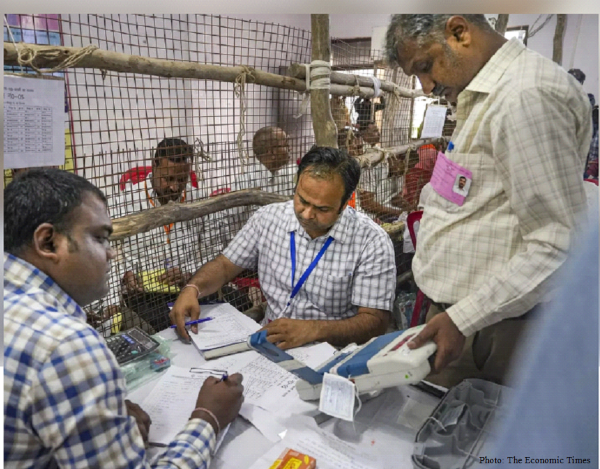
The Indian electorate has defied predictions of certainty, but the economic agenda for India remains unchanged. Despite impressive economic progress since 1991, India remains a low-middle-income economy. Policy priorities include urban expansion, modernization of agriculture, tackling unemployment, and addressing state-level disparities. Additionally, India must prepare for challenges such as aging populations and technological advancements to... Read More
Elevating to autonomous, system-wide financial stewardship is not just advisable but essential. In 2024, the world faces an unprecedented financial challenge. Global debt has soared to a staggering $310tn, catapulting the global debt-to-gross domestic product ratio to an alarming 340%. This colossal debt burden has proven to be a formidable obstacle, with debt risks looming... Read More
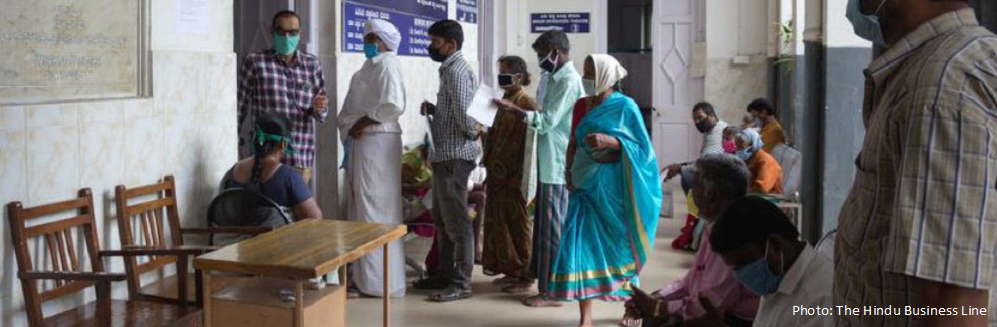
This is more so in rural areas. Insurance cover, public health are issues. The Covid-19 pandemic has redefined our health policies and strategies. It laid bare the inter-linkages between the healthcare systems, its availability, adequacy and affordability. At the core is the cost implication and impact on households over hospitalisations and healthcare interventions. The cost... Read More
To maximise India’s youth-driven economic potential, it must boost women’s participation in labour force The often-quoted expression “demographic dividend” connotes the potential economic growth that can result from shifts in a population’s age structure. It implies the economic benefits resulting from a larger share of the working-age population. Changes in a country’s population age structure... Read More
Based on the NSSO's data, a man spent an average of 74 minutes a day on childcare whereas a female spent a disproportionate length of 134 minutes a day on the same. Furthermore, care given to other family members is so gender-defined that irrespective of any other paid activity, women spend a definite length of... Read More
At the end of the first quarter of the 21st century, the vast majority of India’s population aged 5 and above, is literate through formal schooling. About 84 percent of men and 72 percent of women are literate, as per the Periodic Labour Force Survey (PLFS), 2021–22, Government of India. That being said, slightly more... Read More