New research shows forests, wetlands and blue-carbon ecosystems are absorbing far less CO₂ under heat stress, threatening India’s net-zero pathway When policymakers tally national climate progress, they often balance a country’s emissions with the carbon captured by forests, wetlands, and coasts — nature’s “negative emissions”. The logic appears straightforward: Plant more trees, lock away more carbon,... Read More
India needs a nationwide, real-time groundwater monitoring system with open access to data so communities know what they are drinking and irrigating with On a sweltering afternoon in Punjab, a farmer lowers his bucket into the well that has sustained his family for generations. The water looks clear, but tests reveal a different story: uranium... Read More
The borrowed metaphor now obscures more than it explains. Since the 1997 Asian crisis, financial stability – macro-financial stability more broadly – has been the primary objective of global finance, shaping the work of central banks, finance ministries, the International Monetary Fund and the Financial Stability Board. Today, ‘resilience’ has taken its place. Authorities... Read More
India must integrate coastal ecosystems into its climate strategy. Its maritime geography is not merely a conduit for commerce; it is an ecological asset of strategic significance. What if the solution to India’s net-zero ambition isn’t just on land but beneath the waves? The ‘blue economy’ is India’s overlooked trillion-dollar lever where environmental sustainability, economic... Read More
The current care-giving model is overwhelmingly informal and family-based, with little to no state or institutional support. In the quiet routines of everyday Indian households, an invisible yet indispensable workforce is at play, one that fuels the nation’s social fabric through everyday acts of care. Whether it is a grandmother helping with child-care, a father... Read More
Once defined by its growing population, India now faces a quieter but deeper demographic shift. According to the Sample Registration System (SRS) 2023, the Total Fertility Rate (TFR) of the country has reached 1.9 children per woman, below the replacement rate of 2.1. In urban India, the TFR stands at 1.5, while rural India is... Read More
India has made significant progress in its Biofuel Mission over the last 10 years. The commitment to biofuel production, promotion and its usage as part of a global alliance was reinstated in India’s launch of the Global Biofuel Alliance at the G20 Summit of 2023. On the Bioethanol front, the country has achieved the target... Read More
Law will remain powerless, unless women speak up. The Constitution guarantees equality, dignity, and protection from violence, and the Protection of Women from Domestic Violence Act (2005) provides a legal framework. Yet, when women do not name their suffering, these protections lose their power. Until women can speak up fearlessly — in homes, workplaces, and... Read More
Such reform can make India's infrastructure spending equitable apart from being efficient. Summary Public infrastructure evaluations often overlook intangible benefits like improved health and social stability. Traditional metrics focus on direct outputs, missing the broader impacts on welfare and productivity. Integrating social indices and participatory metrics can lead to more informed policy decisions and equitable... Read More
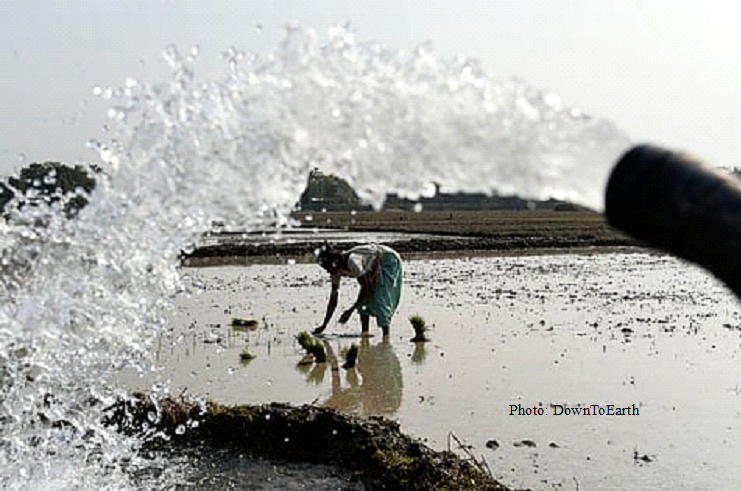
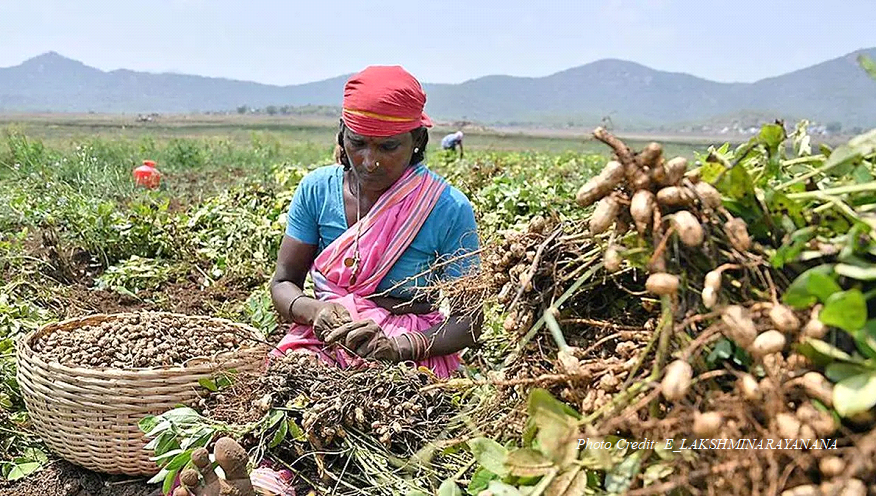
The focus of agricultural reform must be to bridge the gaps between men and women, traditional and modern practices, unpaid labour and entrepreneurship. The paradox in the agriculture sector is glaring — the share of agricultural GVA (crops and irrigation) in All-India Gross Value Added (GVA) in2022-23 was 10 per cent whereas the share of... Read More