
As the global economy fragments along geopolitical lines, countries are seeking new ways to flourish, or at least insulate themselves against geopolitical shocks. Drawing from a newly constructed database, this column explores the concept of ‘connector’ countries, which can be vertical along supply chains or horizontal across markets. The authors argue that vertical connectors may... Read More
We assess India’s inflation-targeting regime at the eight-year mark. The Reserve Bank of India continues to be a flexible inflation targeter: it responds to both the output gap and inflation when setting policy rates. It has become neither more hawkish nor more reactive with the transition to inflation-targeting. Evidence points to improved outcomes: inflation is... Read More
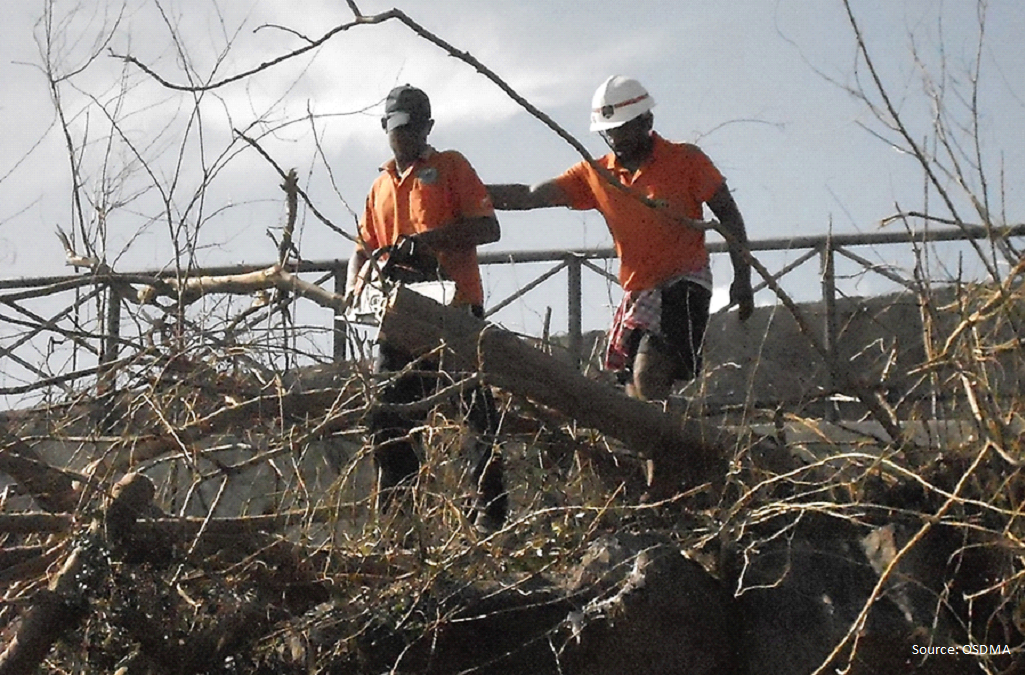
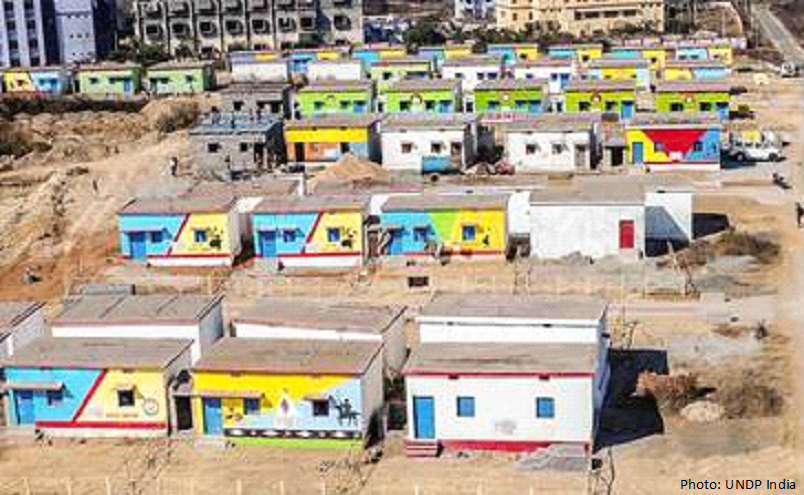
Odisha, on India’s eastern coast, has become a notable example of disaster management and climate adaptation. Frequent cyclones, floods, and coastal erosion have driven the state to implement adaptation strategies praised globally for their effectiveness. However, beneath these success stories lies a more complex narrative that challenges the sustainability and equity of these measures. As... Read More
Geoeconomic fragmentation—the phenomenon of international transactions being increasingly restricted to politically aligned partners—creates risks for individual countries but also opportunities that some hope to seize by becoming “connector” countries. We formalize the concept of connectedness as the property of transacting with international partners drawn from across the ideological spectrum, and explore various policy correlates of... Read More
From its management of the devastating Super Cyclone in 1999 to the more recent challenges posed by the Covid-19 pandemic, the state of Odisha has been a testament to the power of adaptive governance. In this post, Souryabrata Mohapatra discusses four key aspects of Odisha’s model for disaster resilience – multi-layer institutional framework, ground-up approach, capacity-building, and... Read More
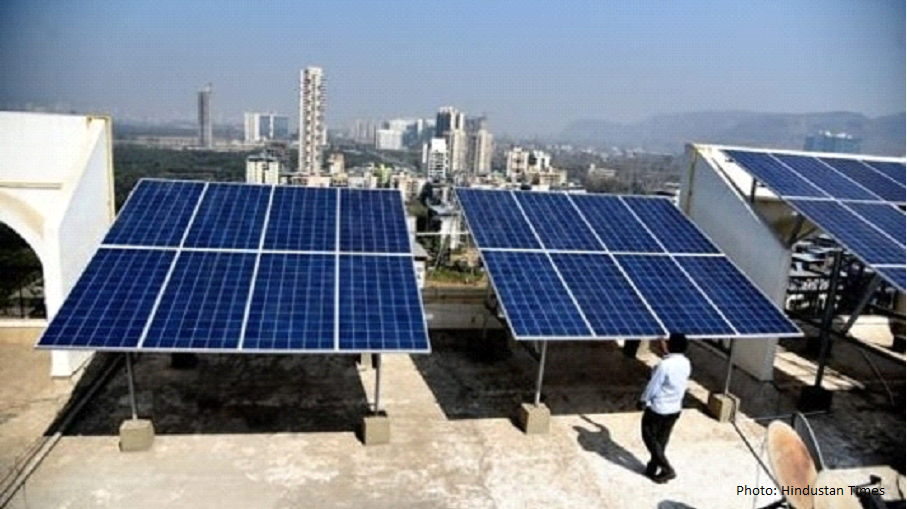
The long road ahead to meaningful energy transition. From bringing the power sector under GST with low rates to government support for MSMEs in the renewable energy space, a lot remains to be done The impact of climate change is unmistakable, as seen in the rising number of heat-related illnesses and deaths in India and... Read More
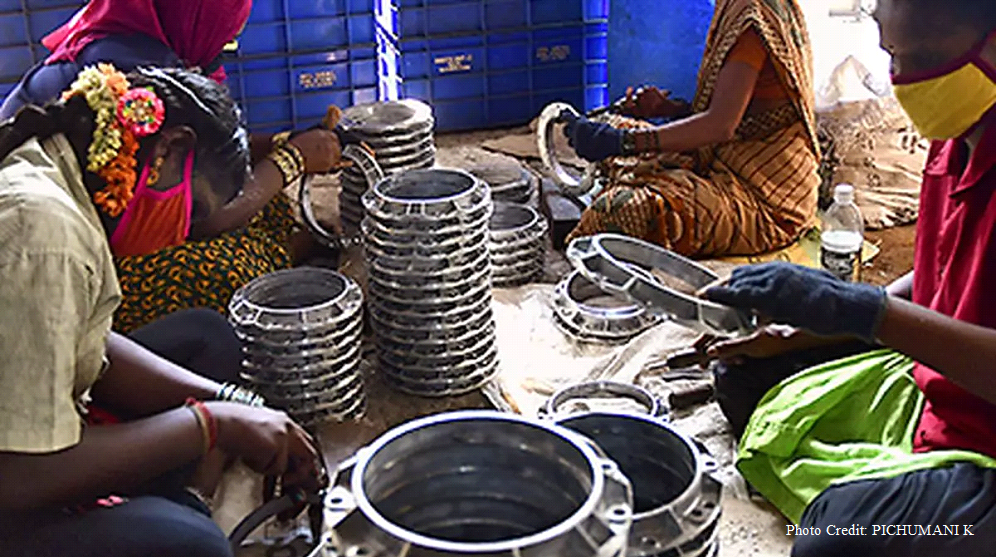
A focus on MSMEs as job creators is needed. Their problems with GST and credit need to resolved. Recently, Arvind Panagariya, the Chairman of the Finance Commission, expressed his view that employment challenge is on account of the country not being able to generate employment in labor-intensive sectors. The transition from agriculture to other sectors... Read More
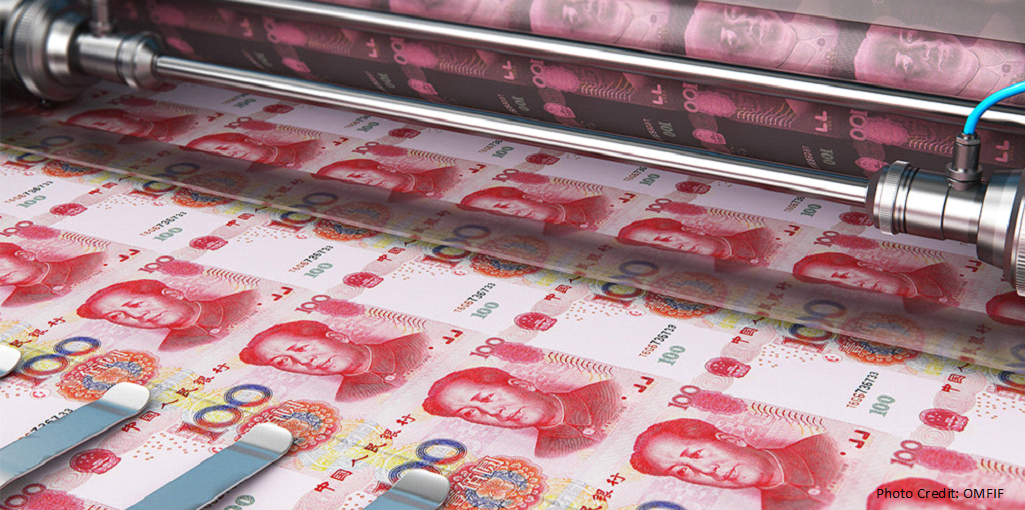
From foundational reforms to progressive milestones. Since the pivotal economic reforms in 1978, China has strived to mould its financial sector to meet macroeconomic, social welfare and stability objectives. However, the outcomes have been mixed, leaving the country to experiment with various approaches. Marked by results often falling short of expectations, China remains wary of... Read More
Westerners worried about growing disparities at home shouldn’t overlook the transformative effect of liberalization in India and China. Imagine that across the length and breadth of America, working-class wages grew much faster than the incomes of millionaires. Rustbelt states started catching up with their more prosperous coastal counterparts. But these developments came with a caveat:... Read More
NCAER News is a monthly newsletter where you can learn about NCAER's research outputs, its latest events, and offerings.