India’s recent gains in women’s employment and leadership reveal both expanding opportunities and the structural barriers that continue to shape economic agency. The trends highlight a doubling of women in managerial roles alongside a rise in the rural female labour force participation rate (LFPR) to 45.9 percent. To what extent does this shift signal genuine... Read More
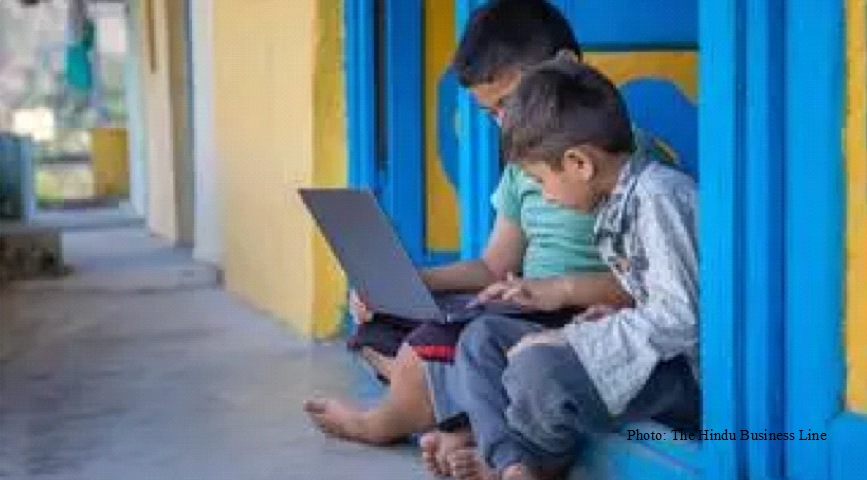
Schools shift to online teaching during heat waves or pollution. Poor children suffer, as they cannot access instruction. India’s education policy today rightly emphasises better learning outcomes, equitable and inclusive education, and the human capital required to achieve the country’s developmental goals. But for millions of children, the basic condition that makes all of this... Read More
Margin: The Journal of Applied Economic Research is a peer-reviewed bi-annual journal published jointly by NCAER & SAGE International. Volume 20, Issue 1, March 2026 includes the following papers- Climate Change and Indian Crop Yields: Impacts and Projections - Amit Mitra, Souryabrata Mohapatra, Sovini Mondal, Srija Basu Chaudhury and Sanjib Pohit Oil Prices and Equity Market... Read More
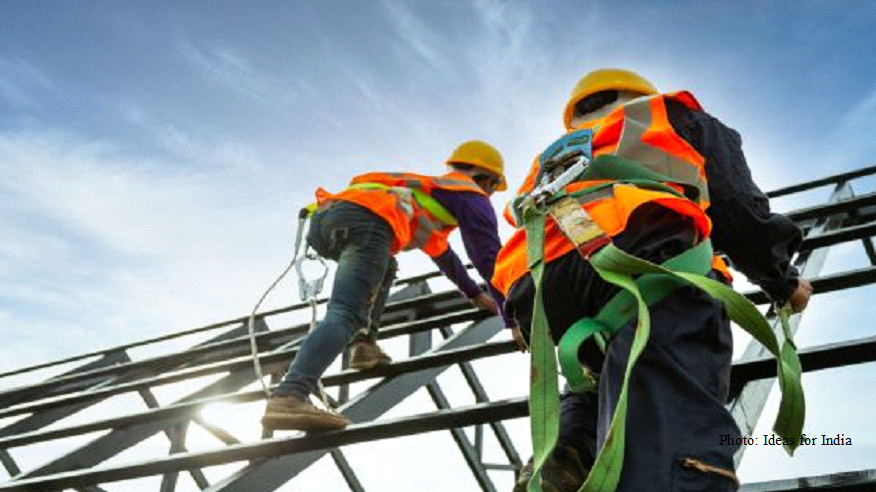
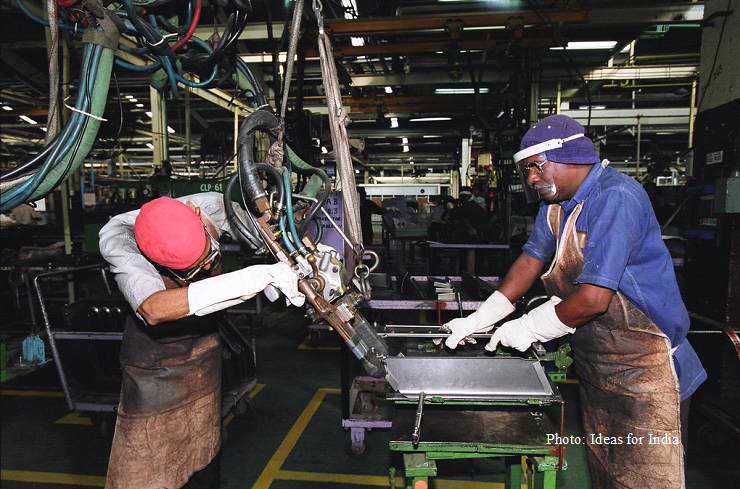
In the fourth part of our series on India’s new labour reforms, Afridi and Talukder focus on the Occupational Safety, Health and Working Conditions Code, 2020 – in terms of its rationale, the key legislative changes that it entails, state-level implementation, and what the existing theoretical and empirical literature says about potential impacts. They contend that... Read More
Empires were once forged in iron and fuelled by coal; today, they may fracture over elements most people cannot spell. Empires were once forged in iron and fuelled by coal; today, they may fracture over elements most people cannot spell. In the circuitry of the modern economy, power no longer flows only through oil wells... Read More
India’s commitment to achieving net-zero emissions by 2070 requires state-level strategies for low-carbon economic transitions. This study develops a state-specific macroeconomic framework linked to an energy system model to assess the investment needs and employment impacts of decarbonization. Focusing on Odisha, an eastern coastal state producing 23% of India’s coal and 44% of mineral output,... Read More
In the third part of our series on India’s new labour reforms, Afridi and Smruti focus on the Industrial Relations Code, 2020 – in terms of its rationale, the key legislative changes that it entails, state-level implementation, and what the existing theoretical and empirical literature says about potential impacts. They contend that the Code may improve allocative... Read More
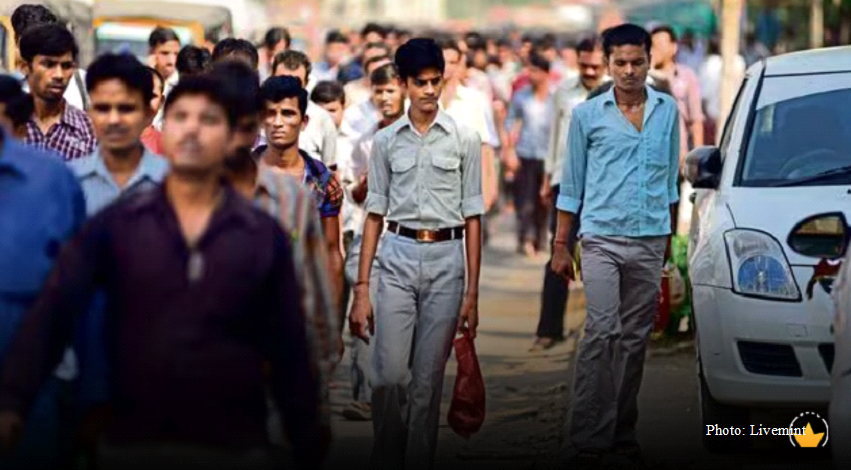
Data shows that young Indians spend an extraordinarily long time waiting for the right job opportunity to show up. The rise of AI will probably elongate the wait. This is a worry. Who’ll support them till they find suitable employment? India’s unemployment debate is missing a crucial dimension: time. Time spent waiting is a loss... Read More
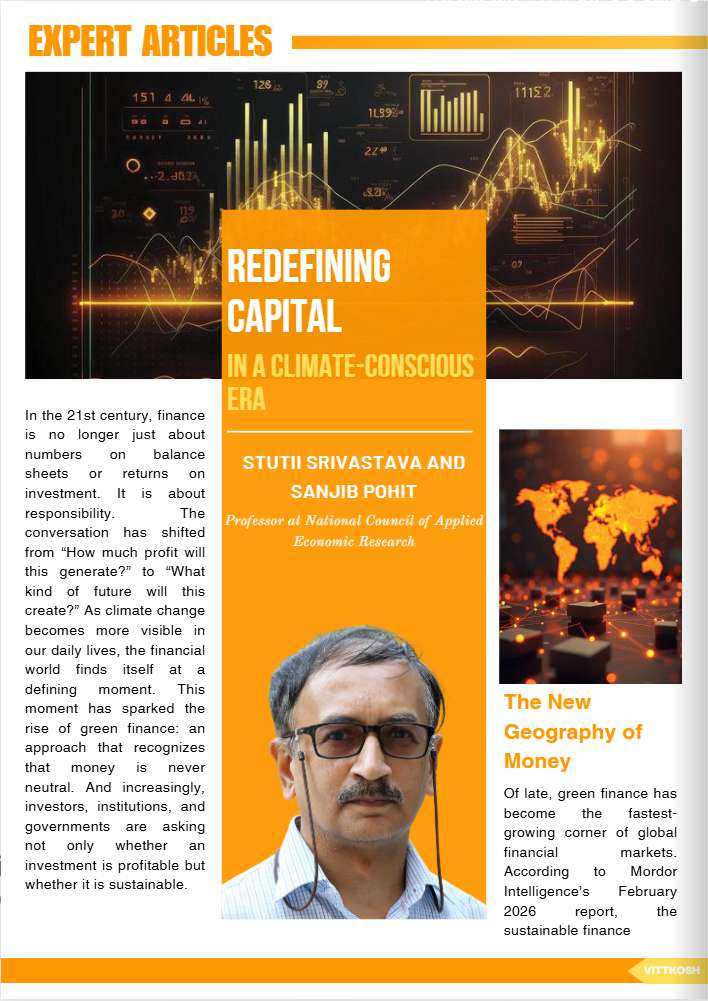
In the 21st century, finance is no longer just about numbers on balance sheets or returns on investment. It is about responsibility. The conversation has shifted from “How much profit will this generate?” to “What kind of future will this create?” As climate change becomes more visible in our daily lives, the financial world finds... Read More
For generations, the work women do within the home has gone largely uncounted in national productivity measures. The Time Use Survey is an important step toward correcting that oversight. International Mother’s Day, celebrated every year on the second Sunday of May, is an occasion to express gratitude to mothers for their love, care, and countless sacrifices. The word “mother”... Read More