



India’s economic growth over the past few decades has been impressive, but the benefits have not reached everyone equally. While urban areas and formal sectors have prospered, many in rural and informal economies remain excluded. The long-anticipated ‘trickle-down’ effect has not materialized, emphasizing the need for inclusive and employment-oriented policy interventions. Technological advances, especially Artificial... Read More
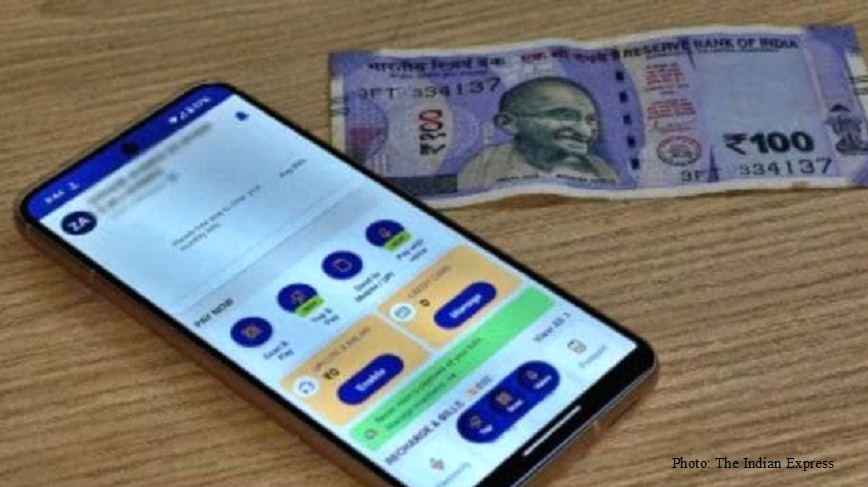
Although digital means have helped facilitate business transactions, the advent of UPI is yet to make a pronounced change in the manner in which many Indian firms handle their day-to-day transactions, considering that many of them have still continued to rely on petty cash An active area of research is the cash holding behaviour of... Read More
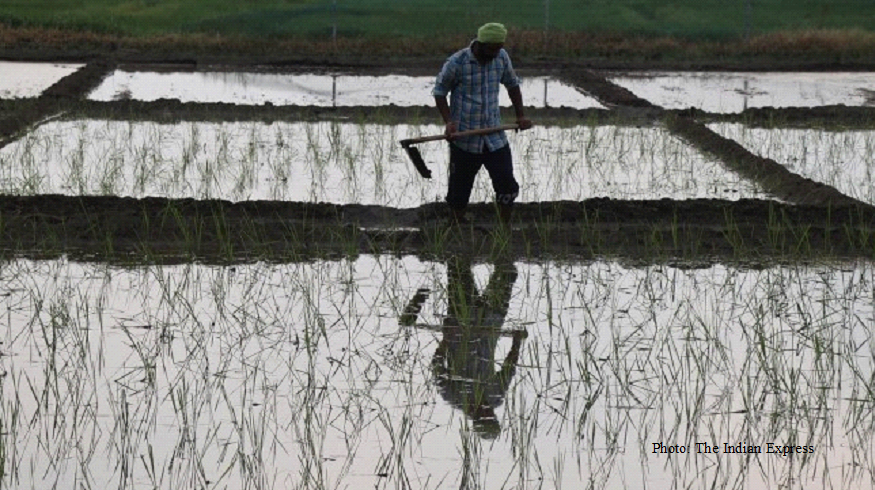
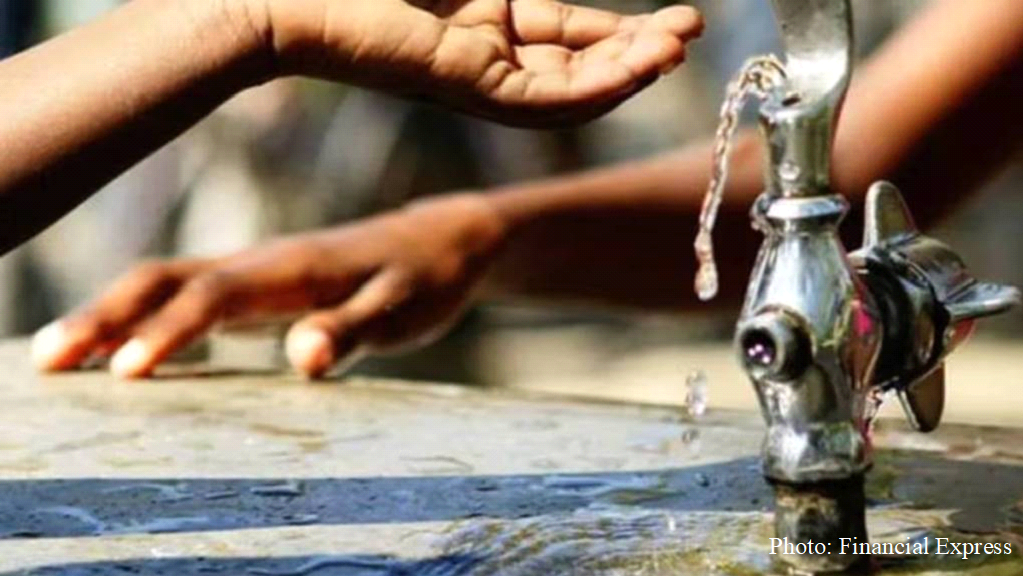
Water must be treated as a finite economic resource, not a limitless political entitlement. This requires tough reforms. Water underpins nearly every aspect of human well-being, from food security and sanitation to clean energy and public health. Yet, as cities expand, industries grow, and agriculture continues to dominate water use, we are confronting a sobering... Read More
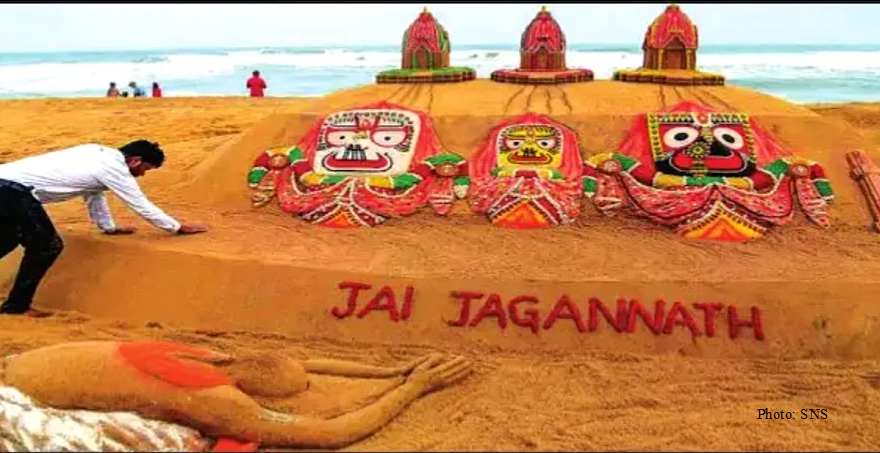
Whether it be a scorching summer vacation or puja holidays, a cozy winter getaway, or just a spontaneous weekend escape—one destination always finds its way to the top of every Bengalis travel wishlist: Puri. For generations, Bengalis have shared an unshakable bond with Odisha whether it’s for this coastal gem or because of the DhauliGirihills... Read More
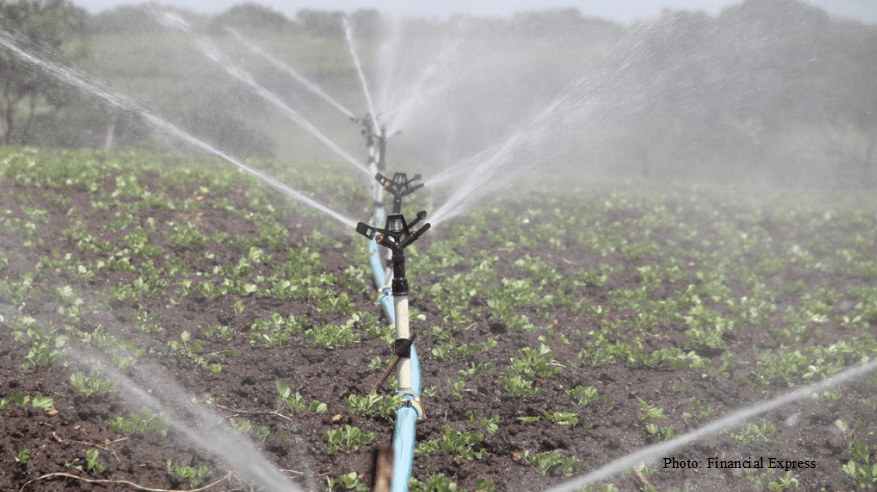
Irrigation investments yield the best outcomes when paired with timely access to quality seeds, fertilisers, credit, and extension advice. n India’s agrarian landscape, the relationship between irrigation and cropping decisions has long been treated as linear, where expansion of irrigation infrastructure is expected to lead to changes in cropping patterns, particularly a shift toward more... Read More
India is facing a looming water crisis driven by rapid urbanisation, population growth, groundwater depletion, and climate variability. Despite receiving over 3,800 billion cubic metres of annual precipitation, the country utilises less than one-third effectively due to uneven rainfall distribution, inadequate storage infrastructure, and poor water governance. Per capita water availability has declined sharply, while... Read More

Air pollution is one of the five leading risk factors for mortality worldwide. India has been dealing with seriousenvironmental problems as its economy develops. The number of automobiles on the road has increased the risk of air pollution.Therefore, to reduce pollution levels, Government of India decided to leapfrog Bharat Stage V (BSV) (equivalent to Euro... Read More
NCAER News is a monthly digest where you can learn about NCAER's research outputs, its latest events, and offerings.

As the monsoon season nears, cities across India prepare for the same story to play out once again. Flooded streets, stalled traffic, stranded commuters and inundated homes are no longer rare disasters; they are routine. In Delhi, Mumbai, Bengaluru and Chennai, the question isn’t if streets will flood but when and how badly. Each year... Read More
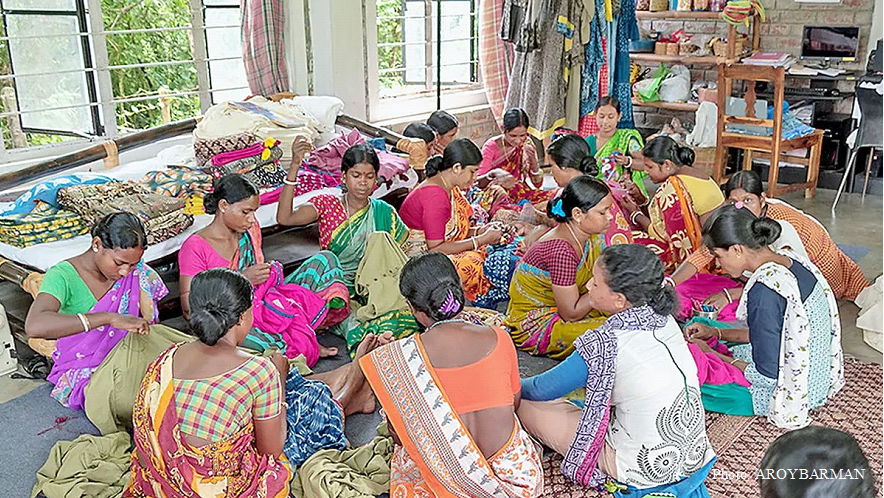
Industry-aligned skilling programmes, convenient modes of commute to the workplace and remote work opportunities will present them with a pathway into the labour force. In a population, there are individuals who belong to the labour force — either employed or seeking work — and those outside the labour force — neither employed nor seeking work.... Read More
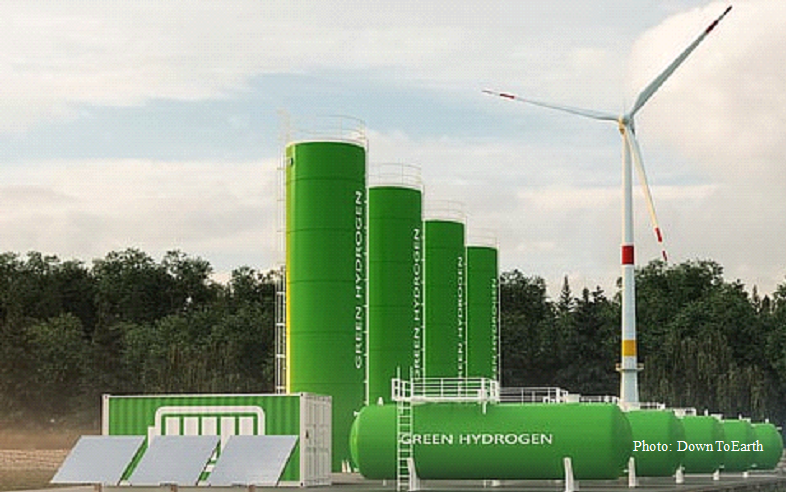
The National Green Hydrogen Mission is a strong first step, but India must adopt a whole-of-economy approach to scale its efforts. As the world races to address the climate crisis, green hydrogen emerges as both a promising solution and a potential disruptor in the clean energy landscape. Unlike conventional hydrogen derived from fossil fuels, green... Read More
India faces a significant wastewater challenge, with over 70% of urban wastewater untreated. The market is projected to grow from $13.1 billion in 2023 to $23.8 billion by 2033, driven by urbanization and industrial demand. In a country where over 70% of urban wastewater is untreated and flows into rivers, lakes, and coastal zones, India’s wastewater... Read More