


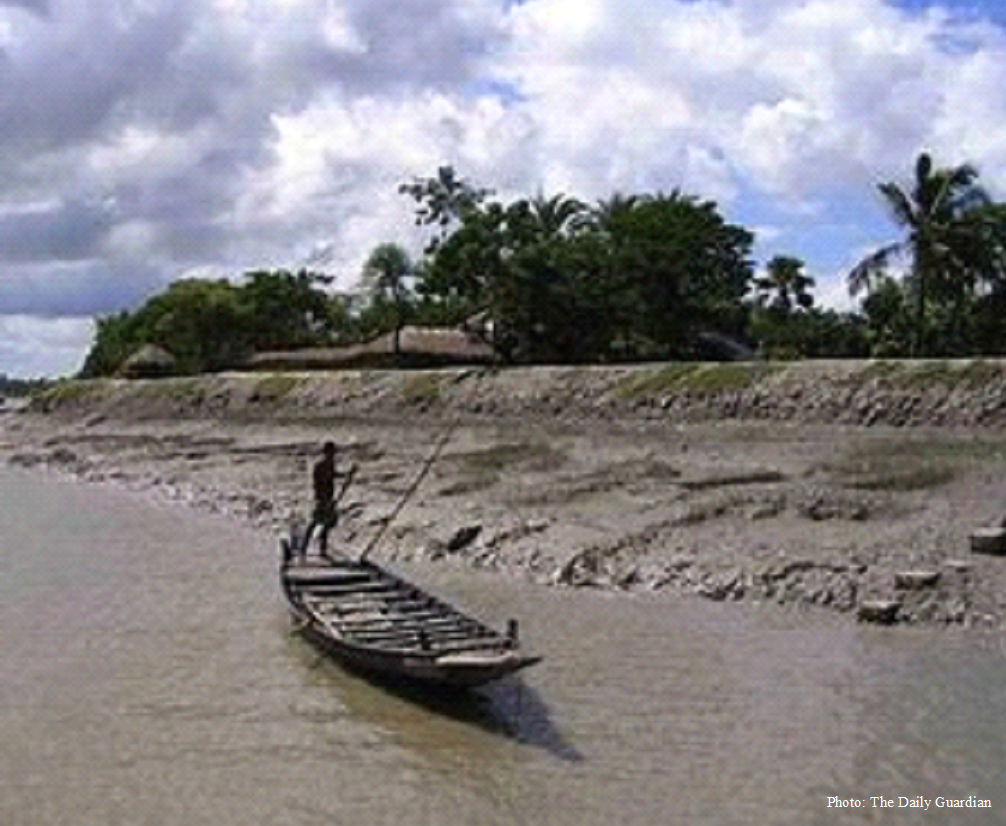
The Sundarbans, spanning approximately 10,000 square kilometres across India and Bangladesh, is not only the world’s largest contiguous mangrove forest but also a critical ecological buffer zone and a major economic asset for both countries. Situated at the confluence of the Ganges, Brahmaputra, and Meghna rivers, this unique wetland acts as a natural defence mechanism,... Read More
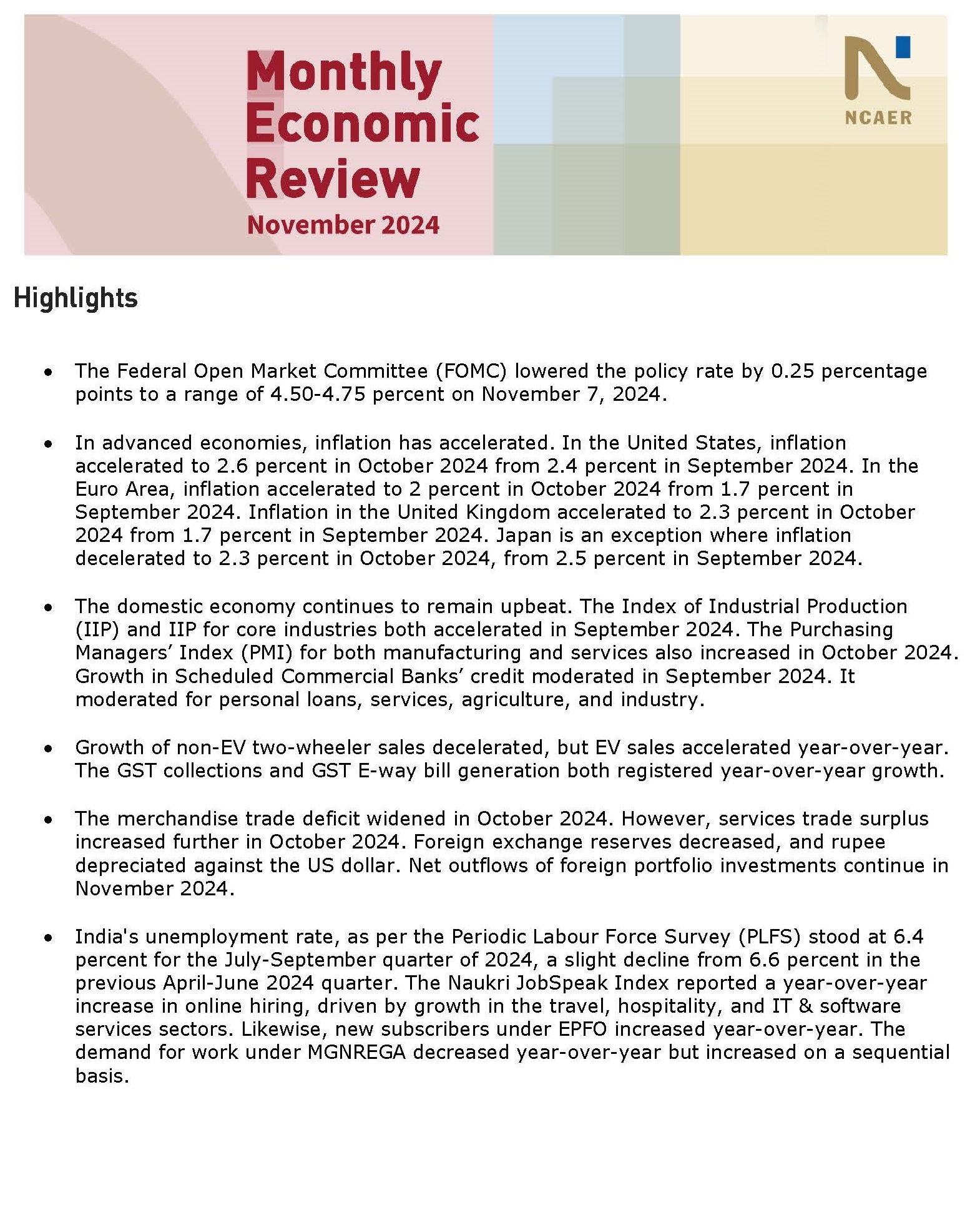
In the Review, we summarise the economic and policy developments in India; monitor global developments of relevance to India; and showcase the pulse of the economy through an analysis of high-frequency indicators and the heat map. MER November Report Click here for previous issues.
Download PDF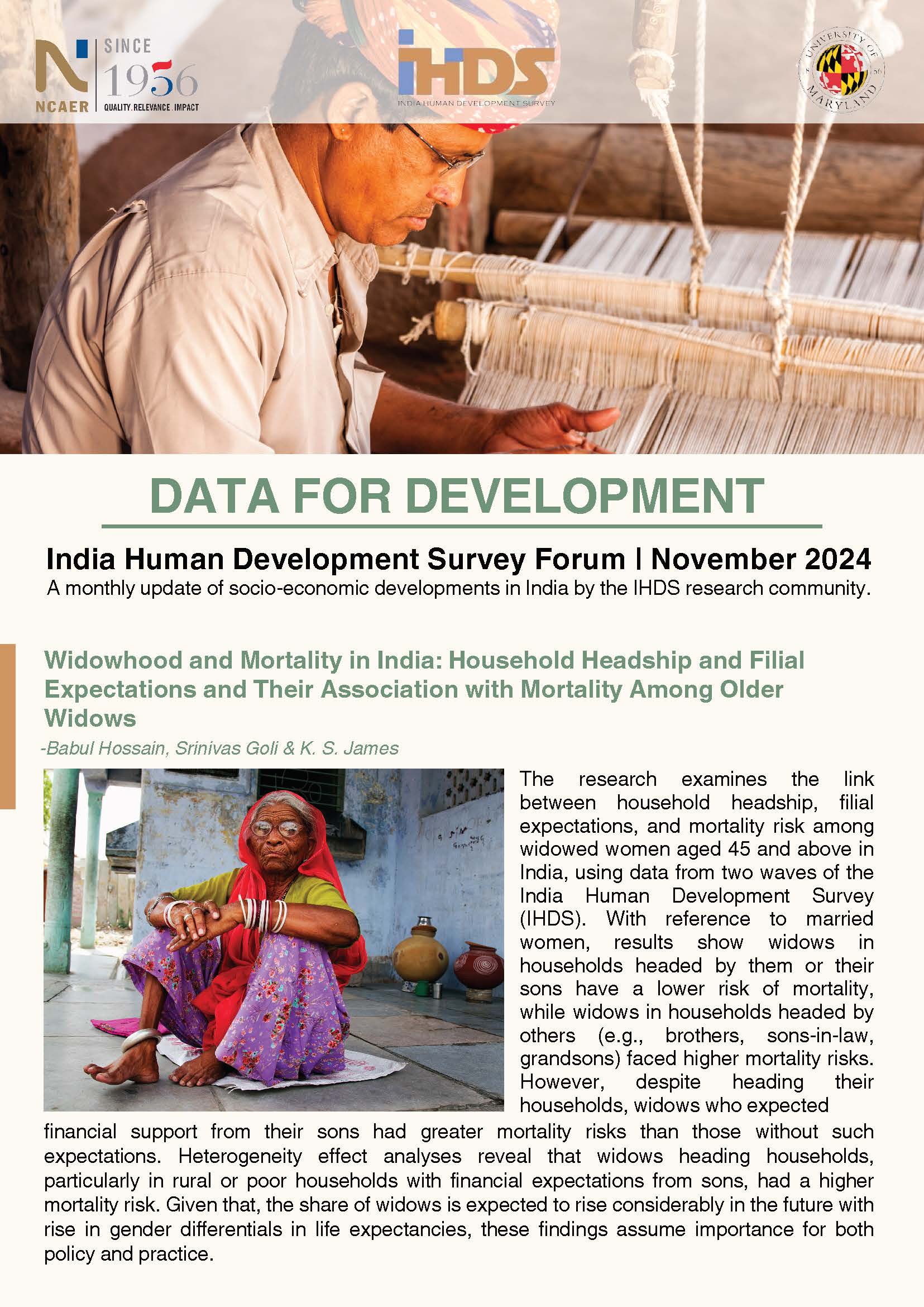
The IHDS Forum is a monthly update of socio-economic developments in India by the IHDS research community, based on the India Human Development Survey, jointly conducted by NCAER and the University of Maryland. While two earlier rounds of the survey were completed in 2004-05 and 2011-12, respectively. Fieldwork for the third round was undertaken in... Read More
Download PDF
Since the global population is expected to reach 9.7 billion by 2050, food production must increase by 70% in the next 30 years to provide food security in the face of climate change. Implementing climate-smart agriculture technology (CSAT) is essential for ensuring food security and promoting economic growth in the context of sustainable agriculture. Climate... Read More
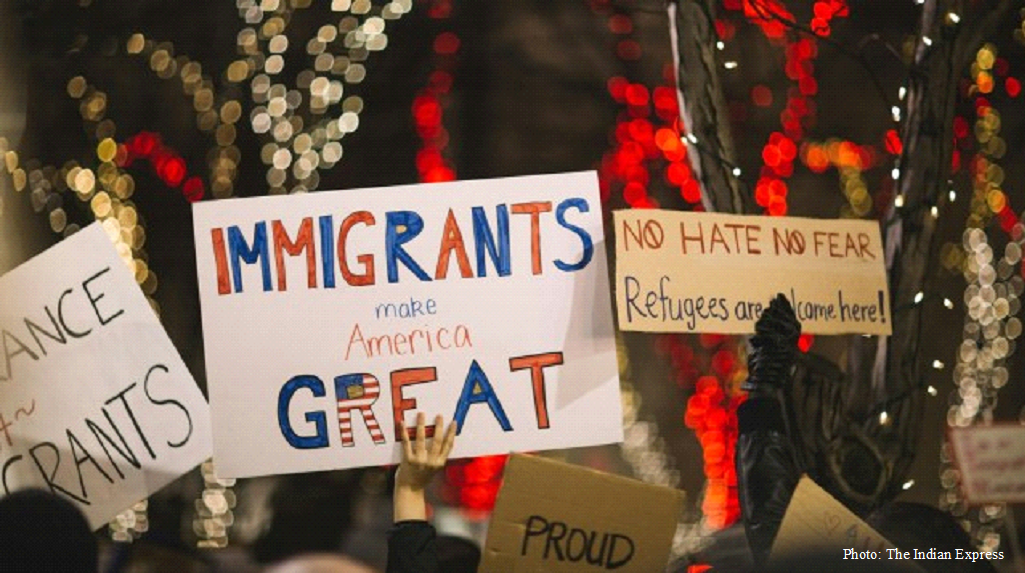
Migration should not merely be managed as a ‘problem’; it is often an adaptive strategy for those fleeing conflict, economic hardship, and climate impacts. If managed correctly, migration can benefit host economies and help people escape climate impacts. In the quiet streets of Waterloo, Ontario, a South Asian man was verbally assaulted by a stranger... Read More

NCAER News is a monthly newsletter where you can learn about NCAER's research outputs, its latest events, and offerings.
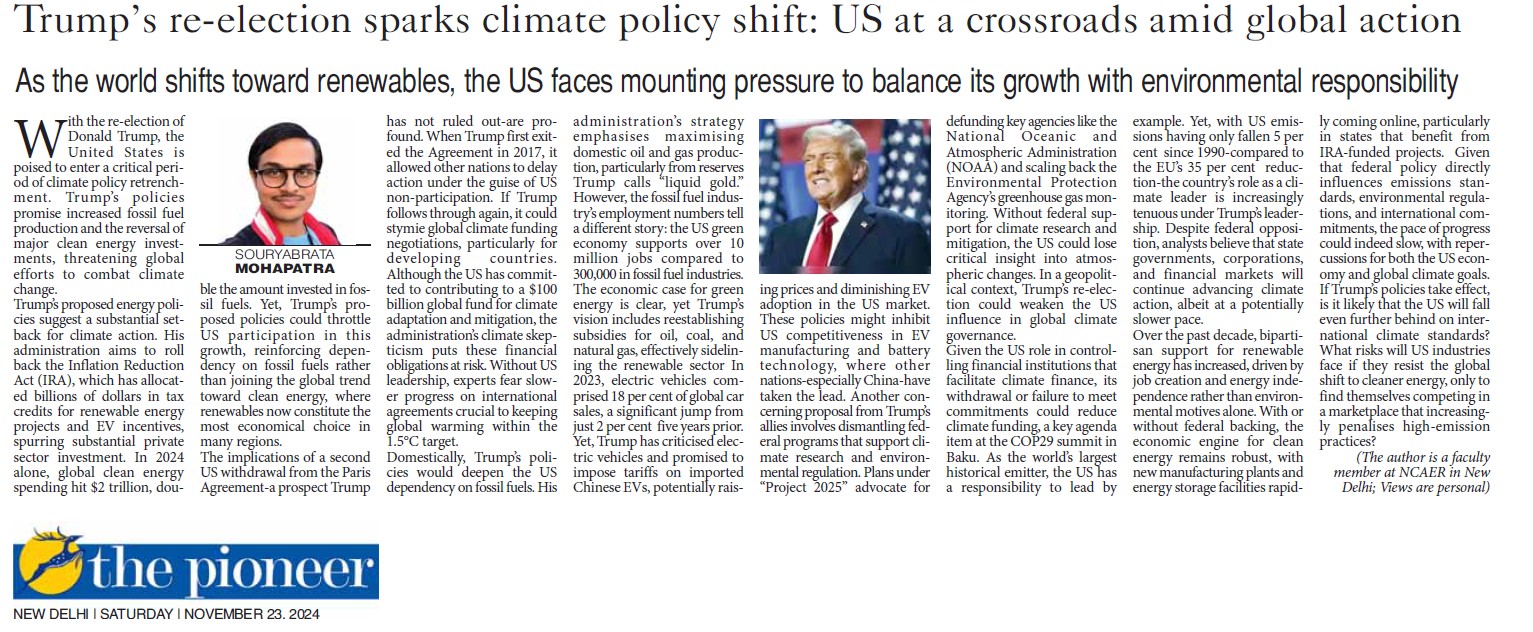
With the re-election of Donald Trump, the United States is poised to enter a critical peri-od of climate policy retrenchment. Trump’s policies promise increased fossil fuel production and the reversal of major clean energy investments, threatening global efforts to combat climate change. Trump’s proposed energy policies suggest a substantial set-back for climate action. His administration... Read More
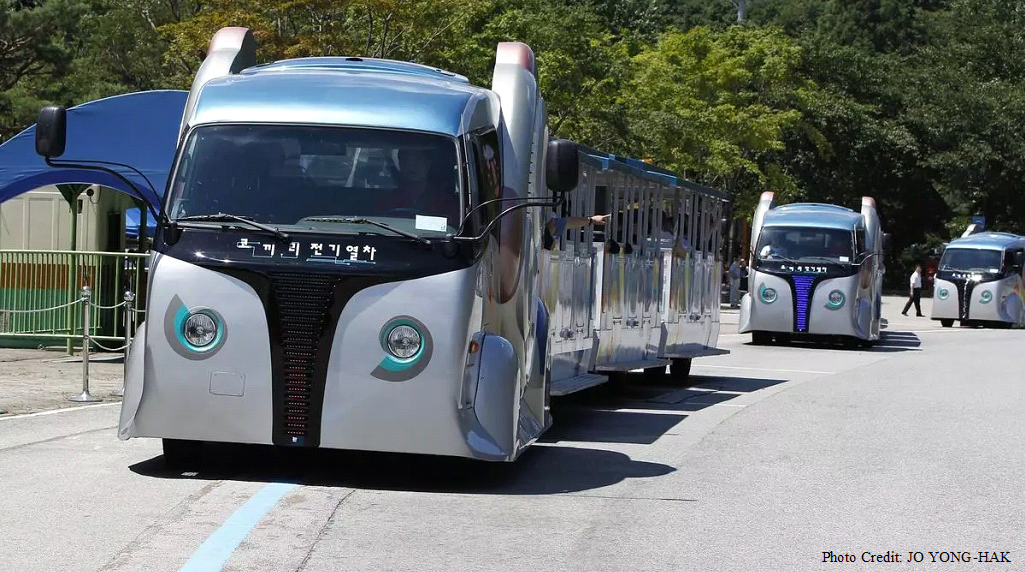
The hybrid trolley bus, which can switch between using overhead lines and a battery, can offer reliable, clean transportation at low operating cost. In India, the need for clean, energy-efficient transportation options is more urgent than ever. The National Electric Mobility Mission Plan aims to push electric vehicles (EVs)as a solution for both private and... Read More

It is apparent that through CBAM, the EU wants to intimidate non-EU nations into adopting its self-proclaimed position as climate leader. Protectionism is a threat to the collaboration required between the developed and developing world in addressing climate issues. Innovative protectionist ideas, such as the European Union’s Carbon Border Adjustment Mechanism (EU-CBAM), the Corporate Sustainability... Read More
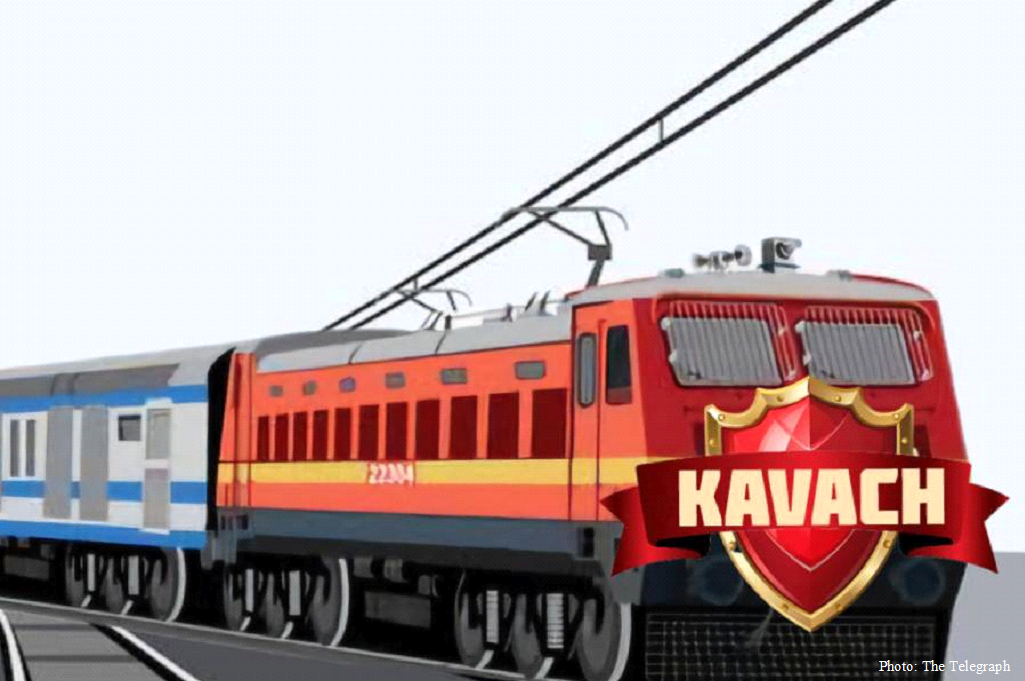
Kavach is modelled on the European train control system. In Europe, it is also used as a signalling system, a necessity in the European railways given the high cost of labour in the EU. The spate of train accidents has brought into focus the anti-collision system, Kavach. This year’s railway budget identified safety as a... Read More

Excessive caregiving burden leaves women with fewer hours to engage in paid work. A well-designed framework for flexible part-time employment contracts could offer valuable work opportunities. A large and active labour force can significantly boost a country’s economy, but a low participation rate (LFPR) can hinder it. The working-age population, typically those aged 15-64, falls... Read More