


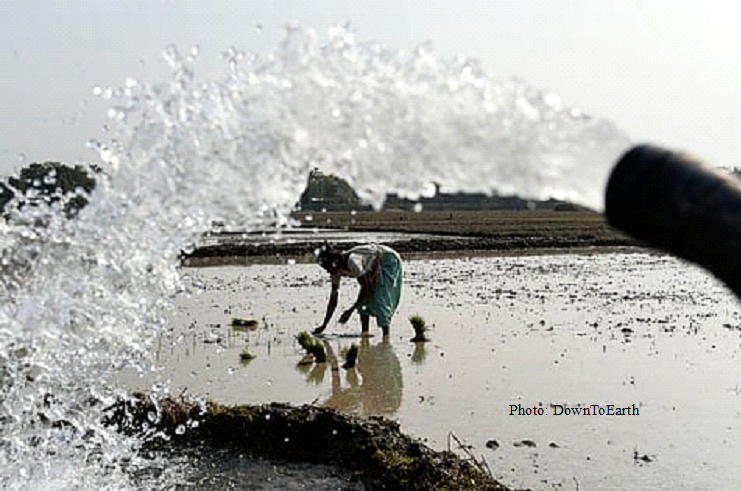
Such reform can make India's infrastructure spending equitable apart from being efficient. Summary Public infrastructure evaluations often overlook intangible benefits like improved health and social stability. Traditional metrics focus on direct outputs, missing the broader impacts on welfare and productivity. Integrating social indices and participatory metrics can lead to more informed policy decisions and equitable... Read More
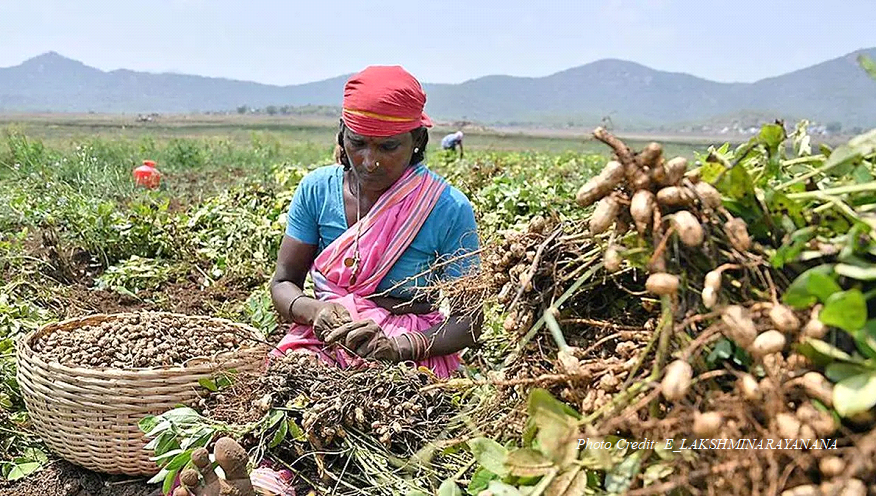
The focus of agricultural reform must be to bridge the gaps between men and women, traditional and modern practices, unpaid labour and entrepreneurship. The paradox in the agriculture sector is glaring — the share of agricultural GVA (crops and irrigation) in All-India Gross Value Added (GVA) in2022-23 was 10 per cent whereas the share of... Read More

The most immediate and striking observation is the prevalence of the tertiary sector, which consumes the largest share of time for the overall population’s paid work, but it is overwhelmingly dominated by urban population. India’s vast and diverse economy is driven by the time and toil of millions. But beyond headline figures like GDP and... Read More
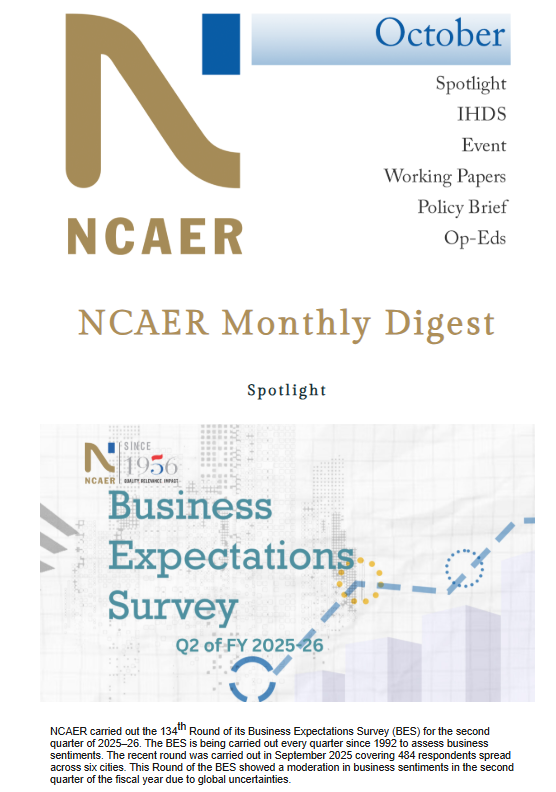
NCAER News is a monthly digest where you can learn about NCAER's research outputs, its latest events, and offerings.
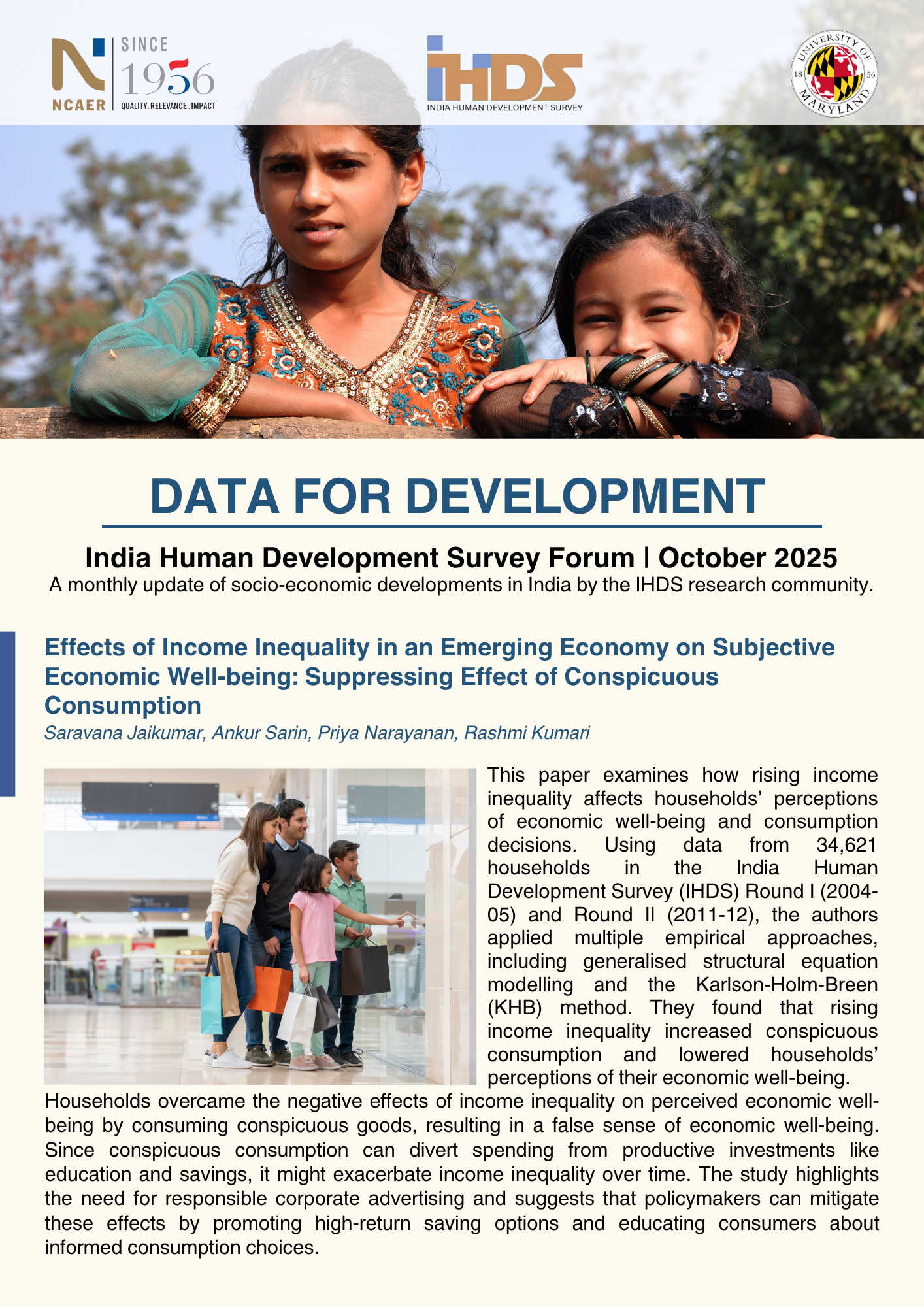
The IHDS Forum is a monthly update of socio-economic developments in India by the IHDS research community, based on the India Human Development Survey, jointly conducted by NCAER and the University of Maryland. While two earlier rounds of the survey were completed in 2004-05 and 2011-12, respectively. Fieldwork for the third round was undertaken in... Read More
Download PDF
The National Council of Applied Economic Research (NCAER), one of India’s premier economic policy research think tanks, carried out the 134th Round of its Business Expectations Survey (BES) in September 2025. NCAER has been carrying out the BES every quarter since 1992, covering 484 firms across four regions.
Download PDF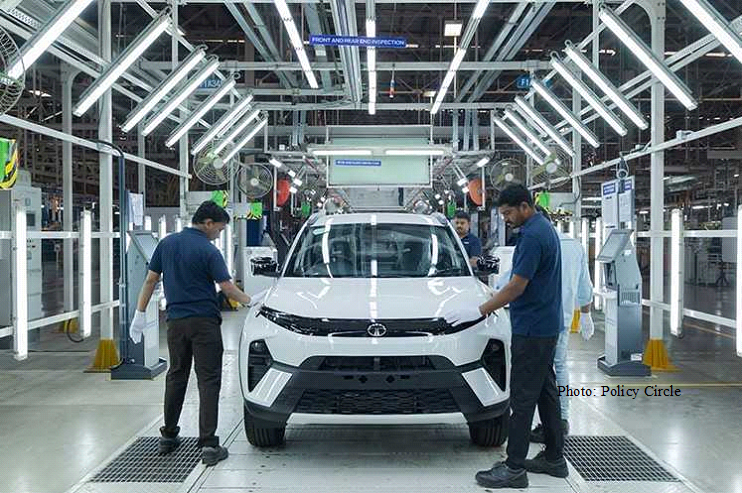
Economic growth depends on innovation and technological progress — a fact highlighted by the 2025 Nobel Prize in Economics which highlighted the role of human capital in driving productivity. In India, this linkage is most visible in the automobile industry, a pillar of manufacturing and employment. Yet, the sector faces widening skill shortages and skill... Read More
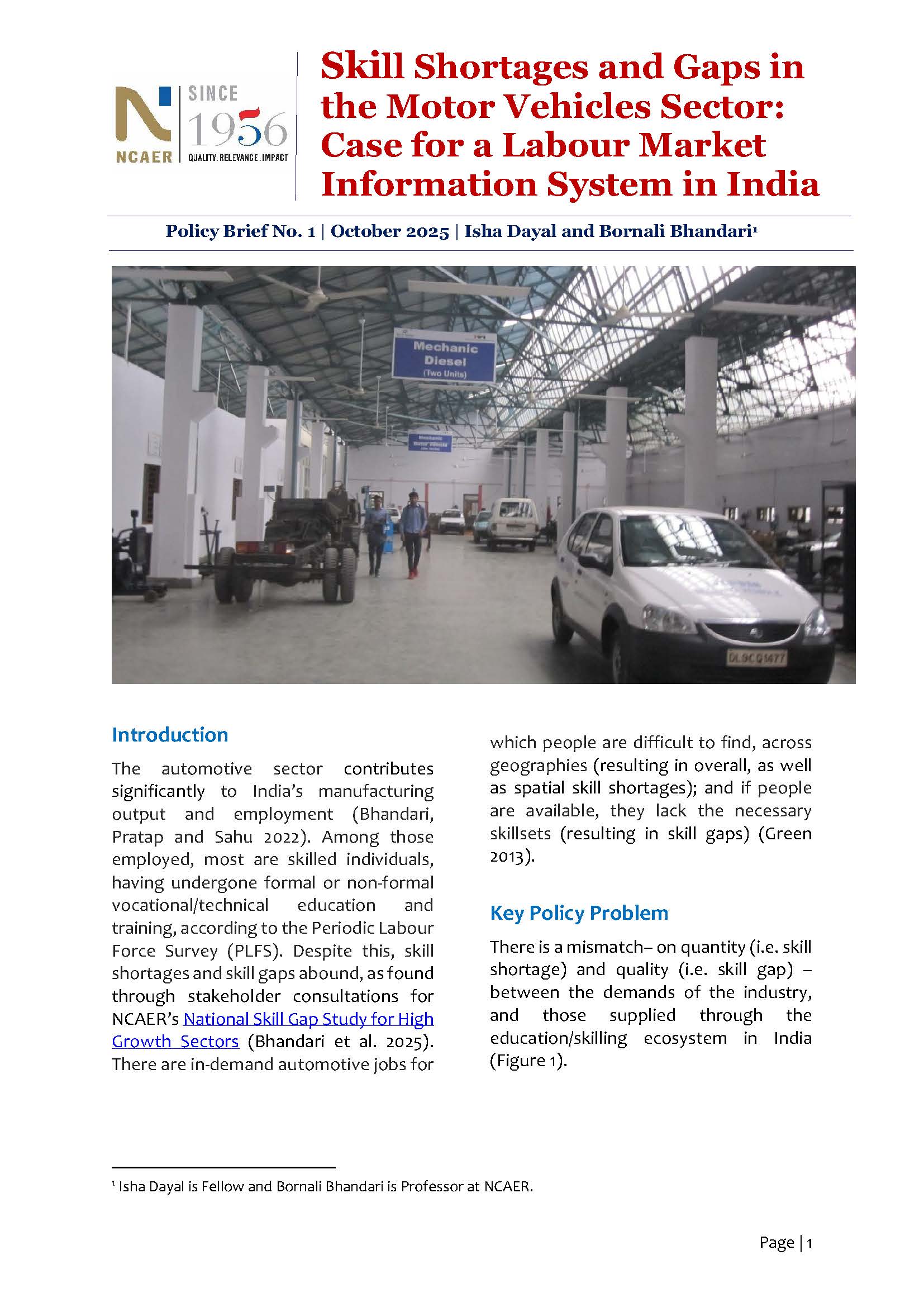
The automotive sector contributes significantly to India’s manufacturing output and employment (Bhandari, Pratap and Sahu 2022). Among those employed, most are skilled individuals, having undergone formal or non-formal vocational/technical education and training, according to the Periodic Labour Force Survey (PLFS). Despite this, skill shortages and skill gaps abound, as found through stakeholder consultations for NCAER’s... Read More
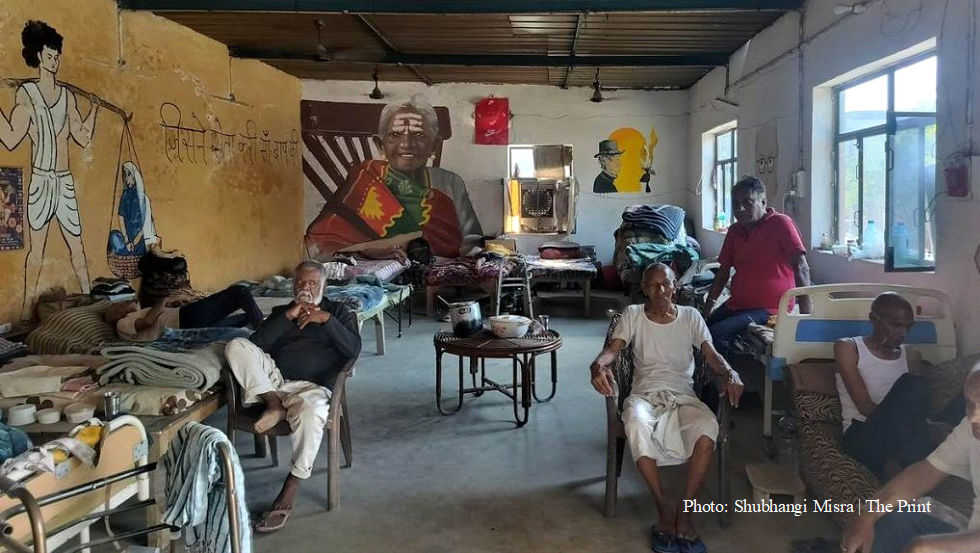
Beneath the surface of this demographic story lies a quieter, more human crisis. India is getting older and faster than most realise. More than 10 percent of our population—over 14 crore people—are already aged 60 years or above. By 2050, this number will double, and for the first time in history, the elderly will outnumber... Read More

The sovereignty premium has become the quiet tax of our time. At the 2025 International Monetary Fund-World Bank annual meetings, discussions on financing development goals highlight an increasingly pressing reality: the growing economic cost countries incur to achieve financial autonomy. This sovereignty premium is becoming visible across sovereign balance sheets. Global public debt is... Read More

This paper presents a comprehensive analysis of India's water resources through the construction and application of Physical Supply and Use Tables (PSUT), providing a systematic framework for understanding sectoral water allocation, consumption patterns, and policy implications. Using the System of Environmental-Economic Accounting (SEEA) methodology, we examine water flows across agricultural, industrial, energy, and municipal sectors,... Read More
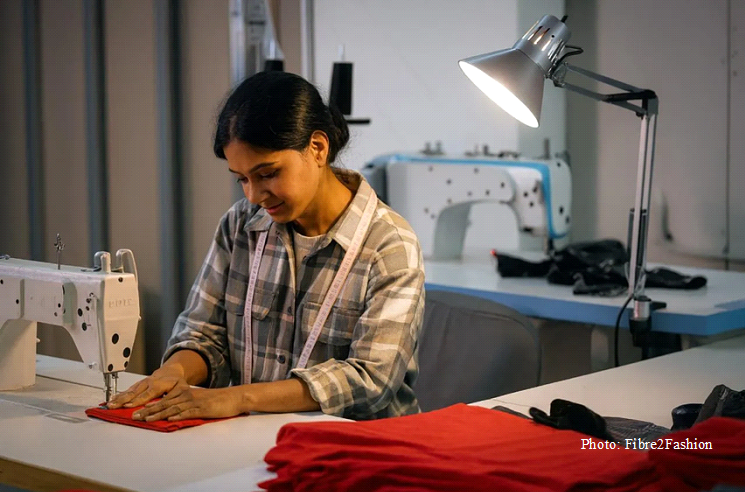
Key Takeaways Women constitute a large share of India’s textile workforce yet remain confined to low-skilled and traditional roles due to limited education and informal training. With the sector’s shift towards digital and sustainable production, demand for advanced skills is rising. Focused re-skilling, entrepreneurship, and digital literacy can help women access emerging opportunities and leadership... Read More