The Indian health system is characterized by persistently high levels of out of pocket payment (OOP). Routinely collected national household survey data were unable to clarify two important concerns: 1. The extent to which higher levels of OOP are prevalent in India’s richer states is largely explained by epidemiological differences; 2. Characteristics of OOP across... Read More
The National Council of Applied Economic Research (NCAER), one of India’s premier economic policy research think tanks, carried out the 133th Round of its Business Expectations Survey (BES) in June 2025. NCAER has been carrying out the BES every quarter since 1992, covering 479 firms across four regions.
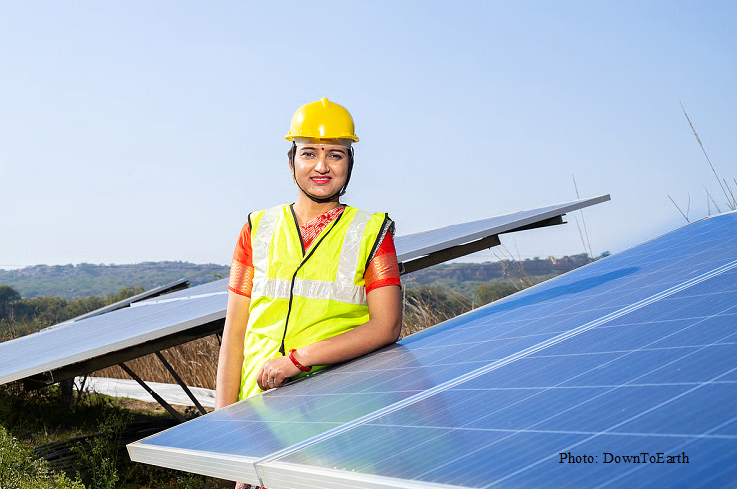
Efforts to increase female participation face challenges such as geographical barriers and perceptions about physical work. India’s solar and wind energy capacity is increasing year on year. According to data released by the Union Ministry of New and Renewable Energy, between 2022-23 and 2024-25, installed solar energy capacity recorded an average annual growth of 38 per... Read More
The 21st India Policy Forum (IPF) 2024 volume comprises papers and brief details of the proceedings of the IPF Conference held during July 2-3, 2024. In addition to the five papers presented at the IPF in 2024, the Conference included the TN Srinivasan Memorial Lecture, titled, ‘IMF Cracks in the System: How Geo-economic Fragmentation is... Read More
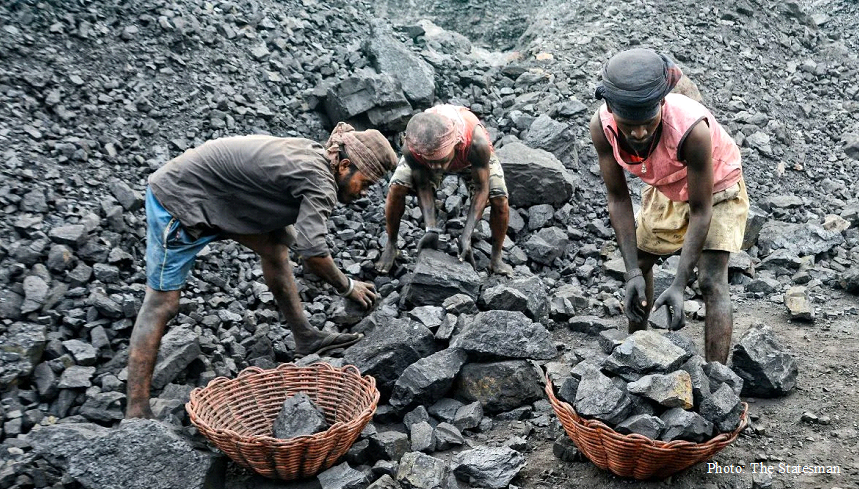
As India forges ahead with its renewable energy goals to combat climate change, the transition away from coal presents a complex economic challenge. As India forges ahead with its renewable energy goals to combat climate change, the transition away from coal presents a complex economic challenge. While the environmental urgency is clear, the macroeconomic consequences... Read More
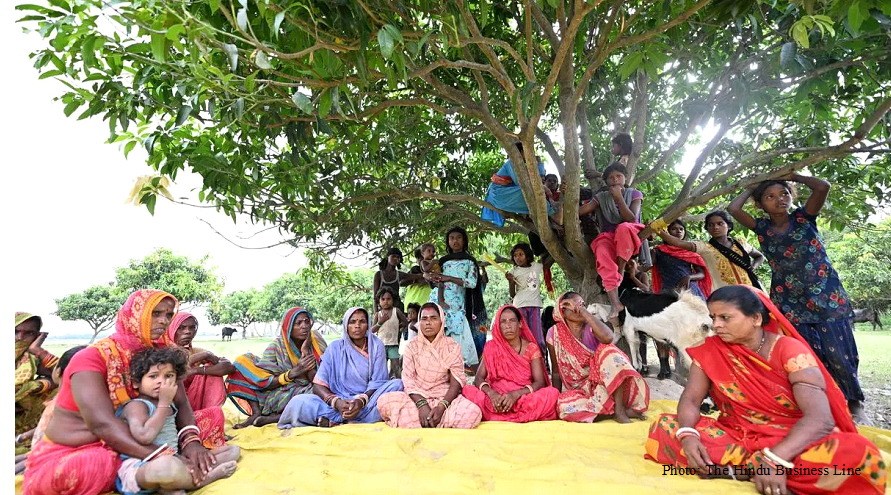
There are significant education gaps that need to be addressed. Support systems like creches and safe transport are vital. In 2016, Bihar made headlines by reserving 35 per cent of all government jobs for women. It was a bold move — an attempt to do more than just include women on paper. The policy extended... Read More
India has pledged to reach net zero emissions by 2070, and set an ambitious renewable energy (RE) target of 500 GW from non-fossil sources by 2030. At present, total RE-based electricity generation capacity in India is 220.10 GW (31 March 2025). To achieve its climate goals, it is essential for India to strengthen its RE... Read More
NCAER News is a monthly digest where you can learn about NCAER's research outputs, its latest events, and offerings.
The Thar Desert, India’s iconic sea of golden sand dunes and steadfast desert cultures, is undergoing a dramatic transformation—one that is as mesmerizing as it is misleading. Global headlines now highlight its unexpected metamorphosis not into a harsher wasteland, but into a surprisingly green zone. Over the past two decades, satellite imagery has confirmed a... Read More
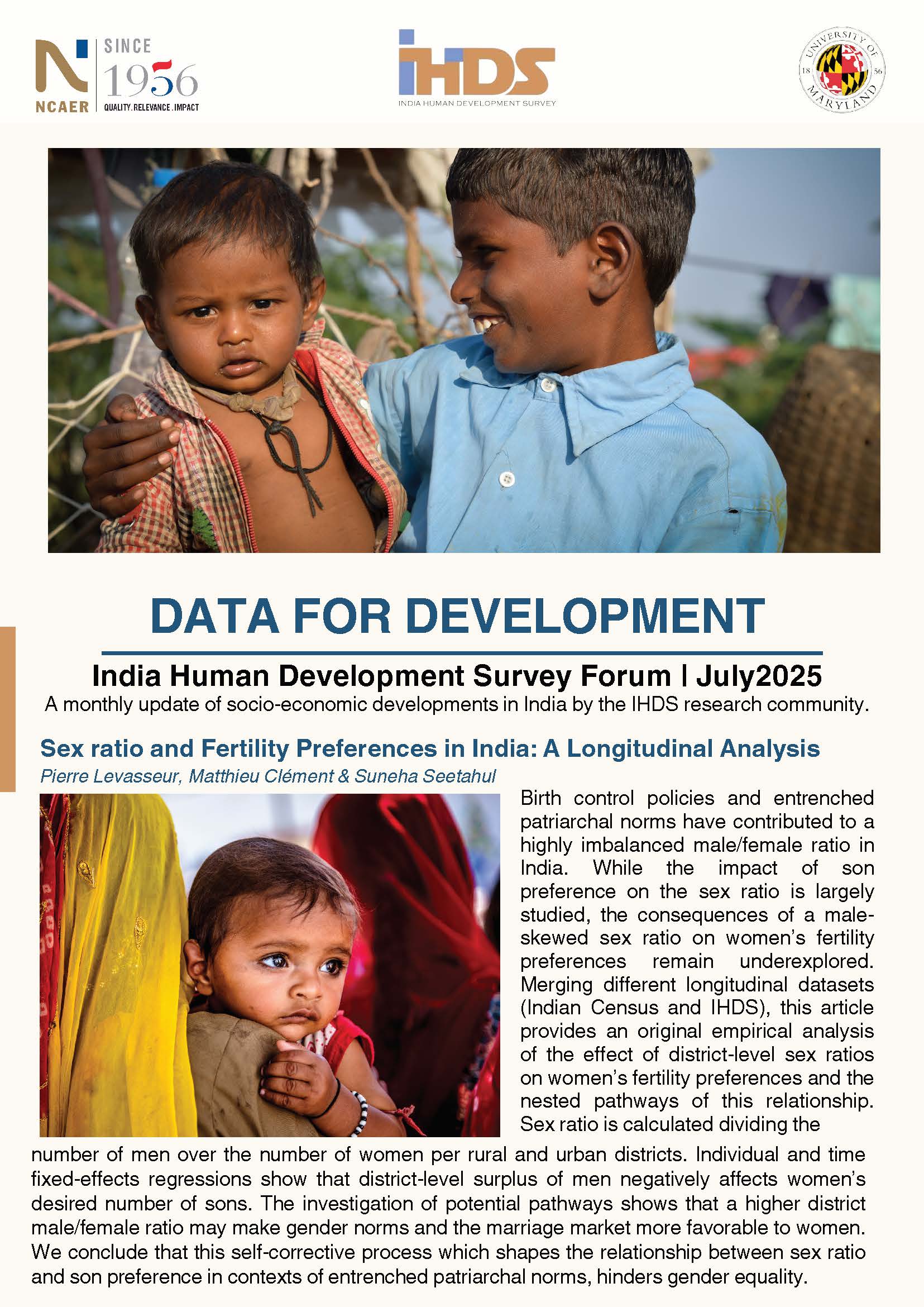
The IHDS Forum is a monthly update of socio-economic developments in India by the IHDS research community, based on the India Human Development Survey, jointly conducted by NCAER and the University of Maryland. While two earlier rounds of the survey were completed in 2004-05 and 2011-12, respectively. Fieldwork for the third round was undertaken in... Read More