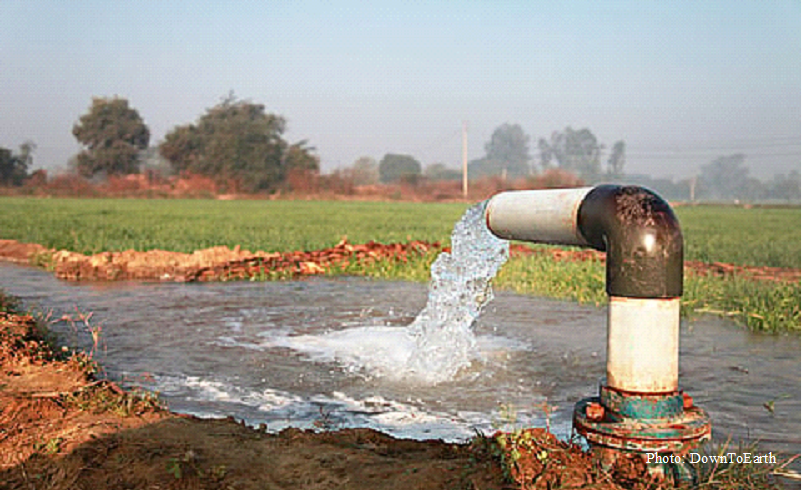

El Niño can set off a chain from rainfall shocks and crop losses to lower farm incomes, higher food prices and weaker rural consumption. Irrigation can help break this chain—but only when water reliably reaches farmers, particularly those at the tail end of command areas Summary El Niño is emerging as an economic shock for... Read More
The EU and India concluded FTA negotiations in January 2026, just as the EU's Carbon Border Adjustment Mechanism entered its definitive financial phase. In this post, Banerjee and Morotti argue that while the two policies are not inherently at odds, differences in how the EU and India measure and recognise carbon costs risk saddling Indian... Read More
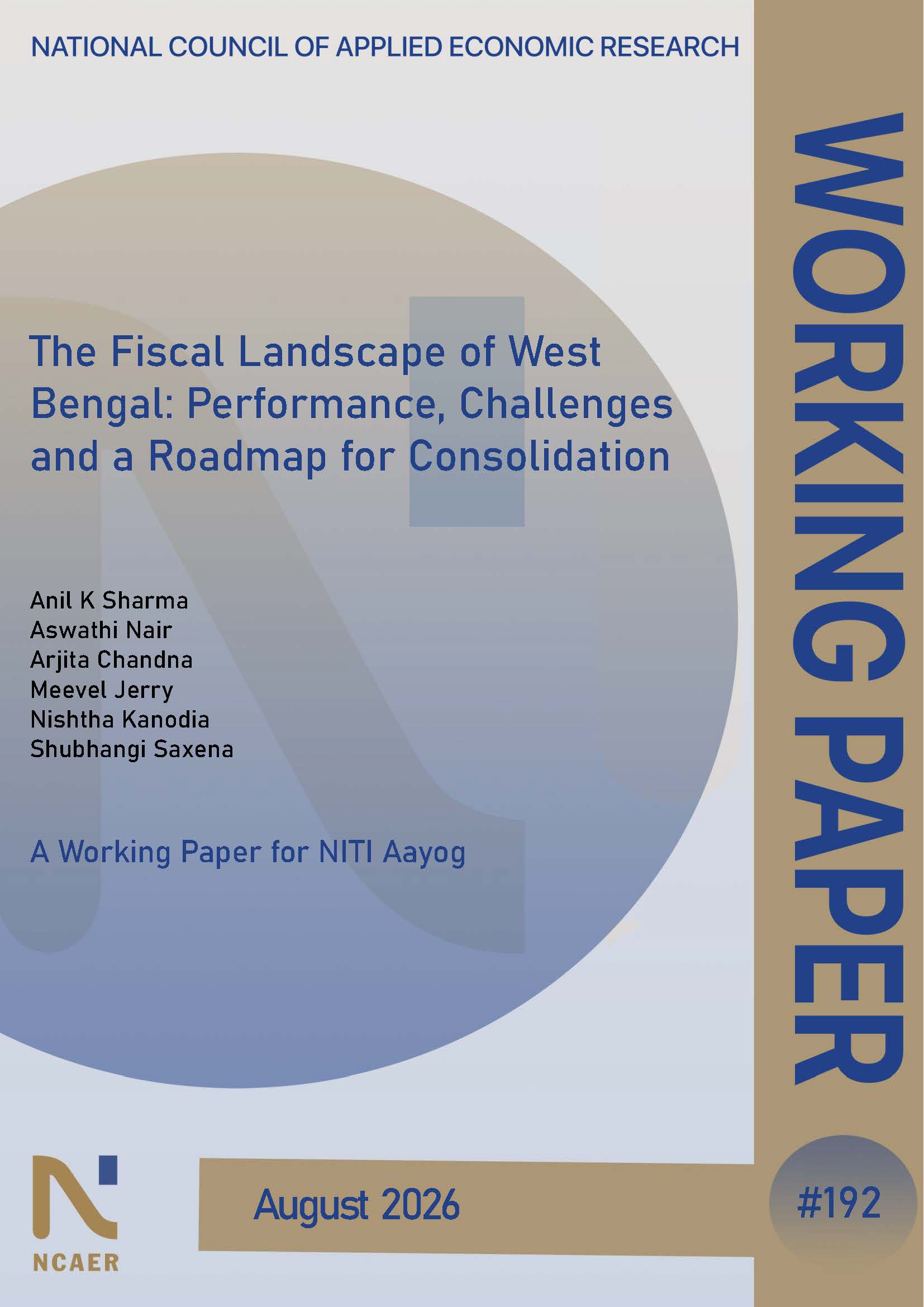
West Bengal is one of India's largest states, accounting for around 7.1 percent of the country's population and about 5.5 percent of national GDP. Although its economy is larger than that of many states and consistently ranks among the six to eight largest state economies, it remains smaller than those of leading economic states such... Read More
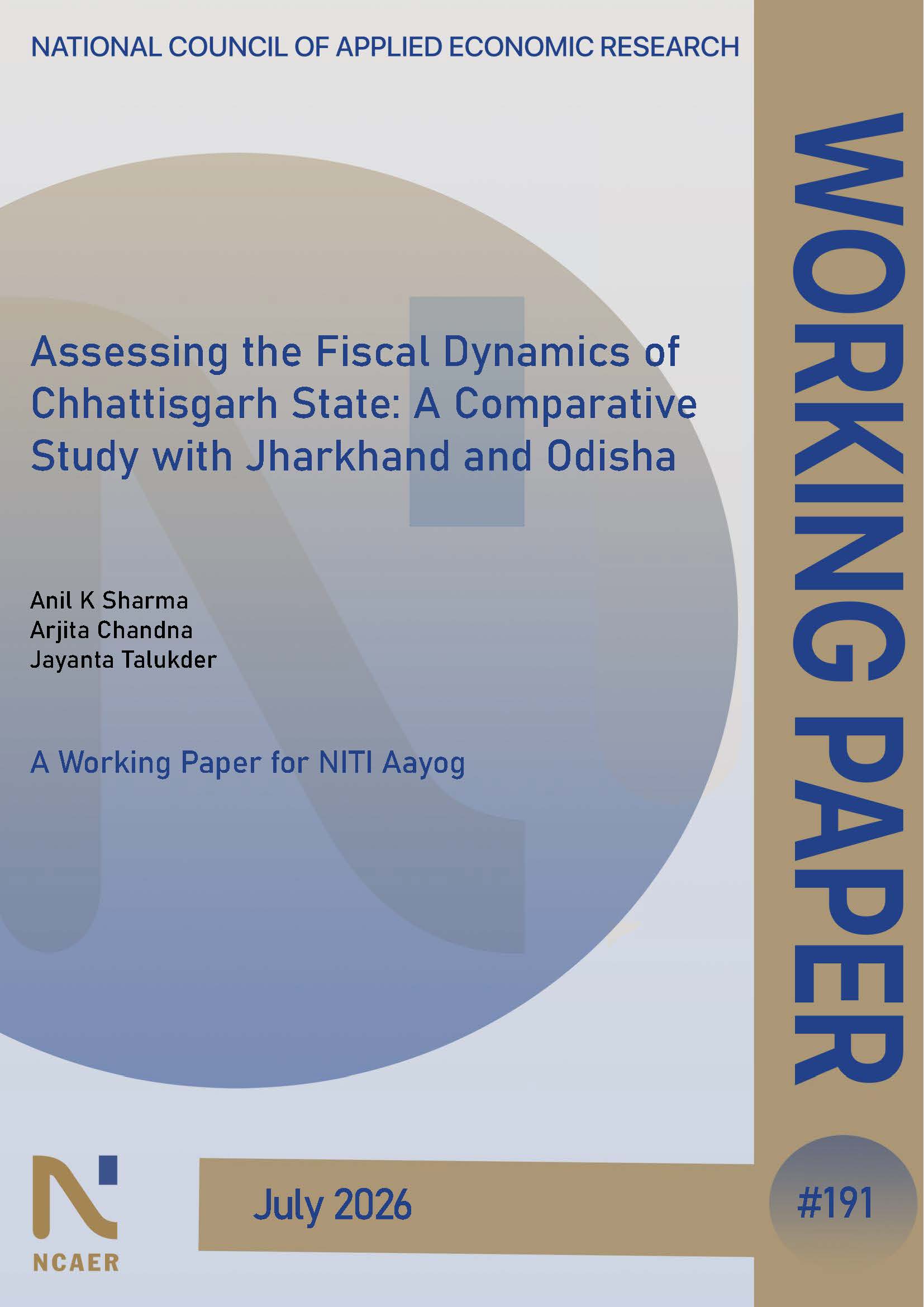
This paper analyses the fiscal position of Chhattisgarh in comparison with Odisha and Jharkhand, focusing on revenue mobilisation, expenditure quality, fiscal deficits, debt sustainability, and compliance with fiscal responsibility targets. While Chhattisgarh performs relatively well in revenue generation and developmental spending, its fiscal position remains vulnerable due to high subsidies, rising committed expenditure, widening deficits,... Read More
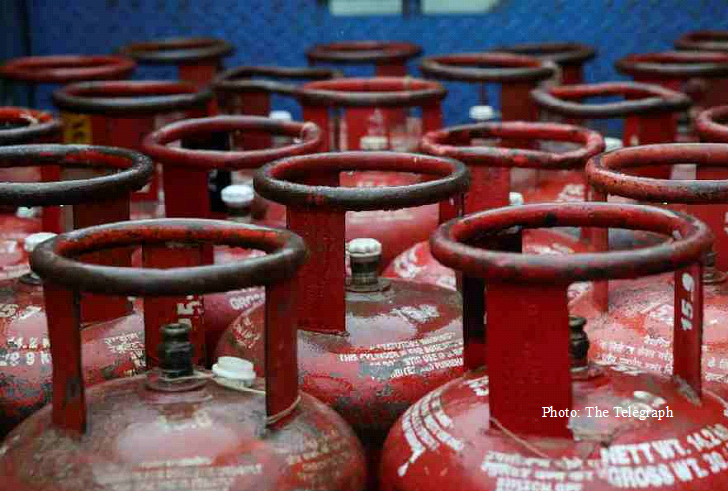
Volatility in West Asia has disrupted LPG supply chains, exposing an unresolved vulnerability. Rising prices are forcing vulnerable households back to firewood, crop residue and dung cakes A woman in rural India who received an LPG connection under the Pradhan Mantri Ujjwala Yojana also received a promise of smoke-free cooking, better health and dignity. A... Read More
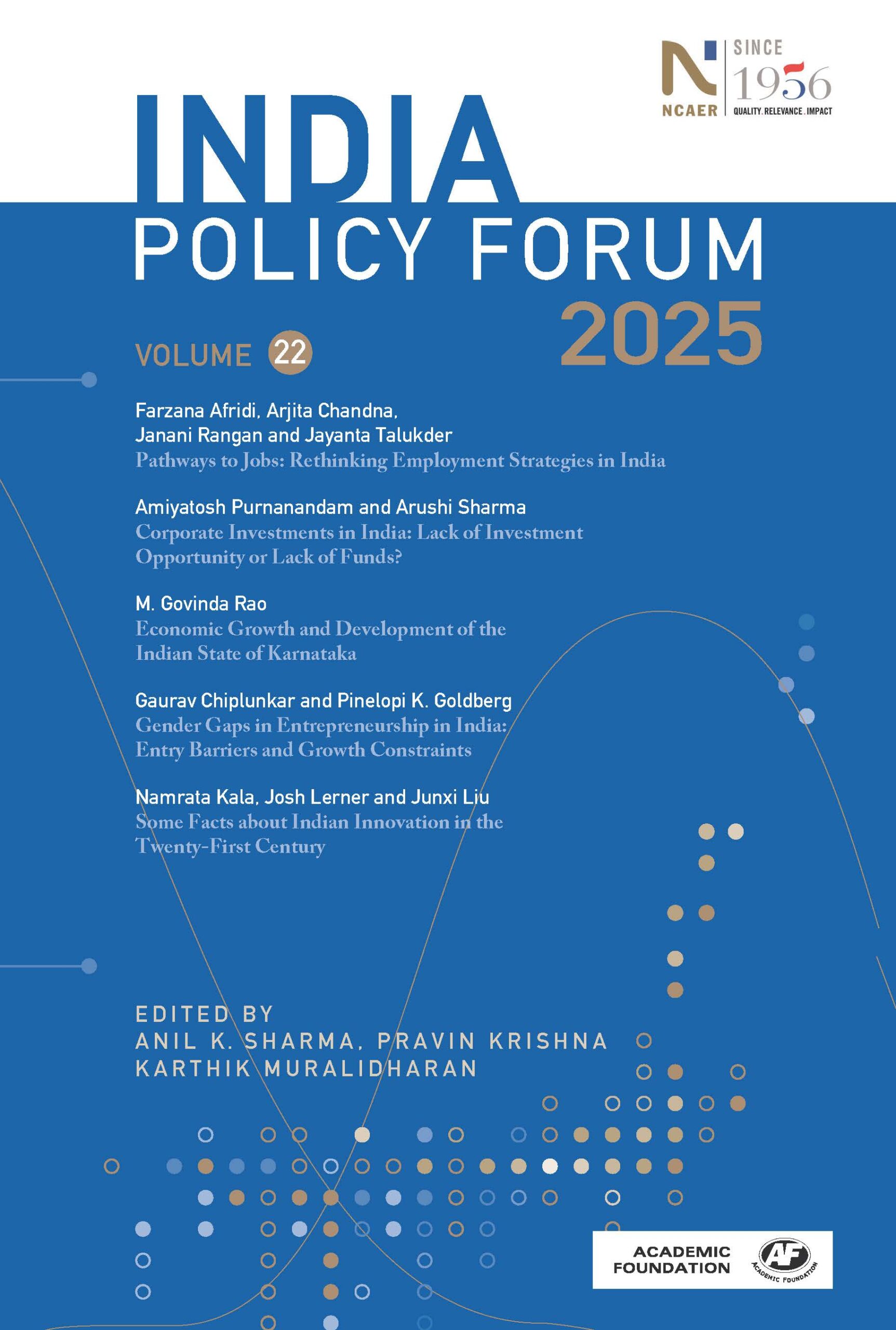
The 22nd India Policy Forum (IPF) 2025 volume comprises papers and brief details of the proceedings of the IPF Conference held during June 26-27 2025. In addition to the five papers presented at the IPF in 2025, the Conference included two lectures, titled, “Unleashing India’s Growth: Talent, Delegation, and the Scaling of Firms”, and “India's Role in... Read More
As the debate over the National Eligibility cum Entrance Test (Neet) continues, the government’s decision to shift the undergraduate medical entrance examination to a computer-based format from 2027, replacing the current pen-and-paper mode, marks a significant reform. The move seeks to strengthen security, enhance transparency, and restore public confidence in the wake of the paper... Read More
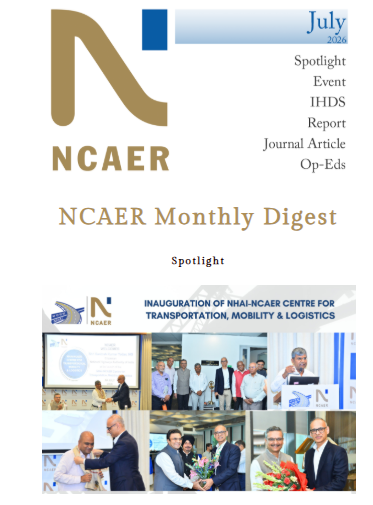
NCAER News is a monthly digest where you can learn about NCAER's research outputs, its latest events, and offerings.
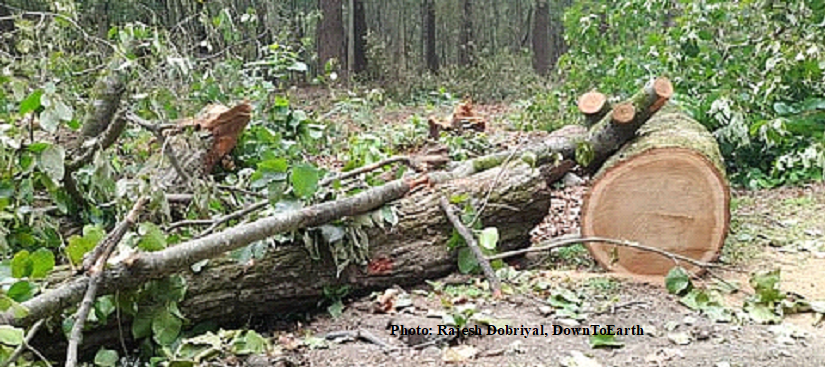
As the country enters an era of unprecedented infrastructure expansion and climate uncertainty, the real measure of success will not be how many trees are planted. India’s journey towards becoming a developed nation by 2047 will require unprecedented investments in highways, railways, renewable energy, irrigation systems, industrial corridors and urban infrastructure. These investments are indispensable... Read More
The IHDS Forum is a monthly update of socio-economic developments in India by the IHDS research community, based on the India Human Development Survey, jointly conducted by NCAER and the University of Maryland. While two earlier rounds of the survey were completed in 2004-05 and 2011-12, respectively. Fieldwork for the third round was undertaken in... Read More