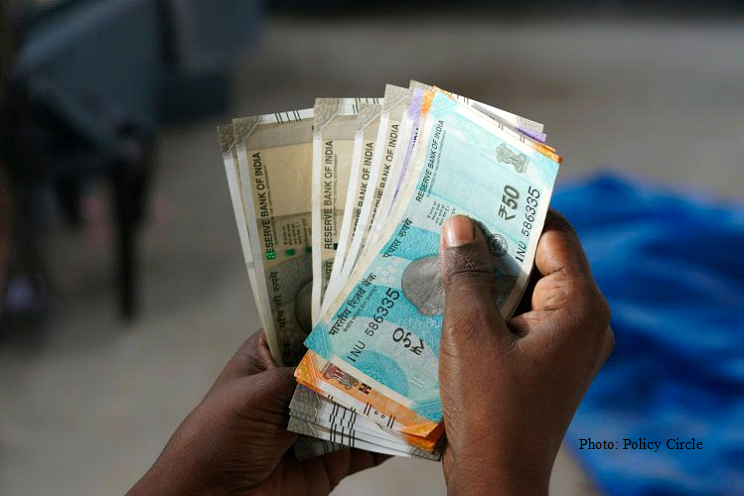
Should social registries be used to decide who receives cash transfers for women? The answer depends on the purpose of the transfer. If the scheme is income support, a registry can help identify eligible households. If the transfer is meant to recognise unpaid domestic and care work, or strengthen women’s control over money, household poverty... Read More
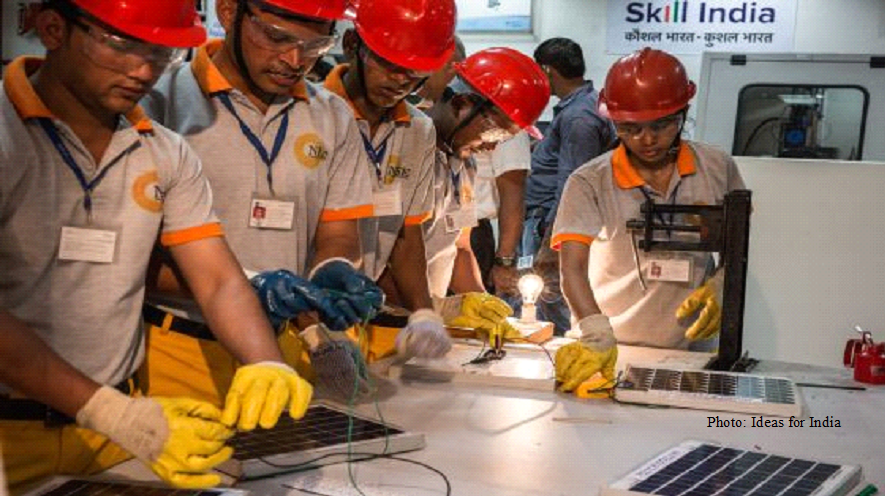
While India has a large institutional network for vocational education and training (VET), there are systemic issues such as poor perception, weak industry linkages, inadequate quality, and low public investment. Studying VET systems of Germany, Canada, and Singapore – with diverse features that shape worker productivity and employment outcomes – Afridi and Chandna draw policy... Read More
A well-designed social registry, containing comprehensive household information, can address the ever-changing state of poverty and simultaneously drive critical human development goals. Should social registries be mixed with cash transfers to women? The answer depends on the policy objectives. But first, what are social registries? These are defined as information systems that support outreach, intake,... Read More
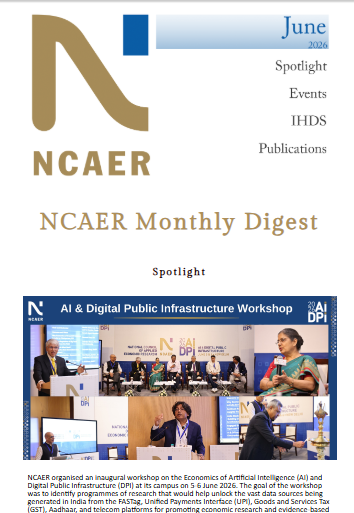
NCAER News is a monthly digest where you can learn about NCAER's research outputs, its latest events, and offerings.
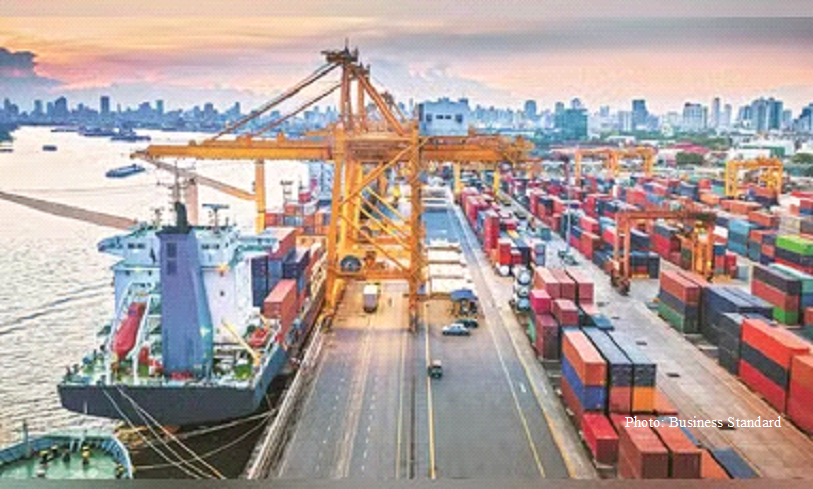
Joining the CPTPP could integrate India into global supply chains, boost exports and support its Viksit Bharat 2047 ambitions before tougher entry conditions emerge. India means to be a developed country by 2047. The slogan, Viksit Bharat, is everywhere but the arithmetic is quite daunting. No large economy has travelled from being poor to prosperous... Read More
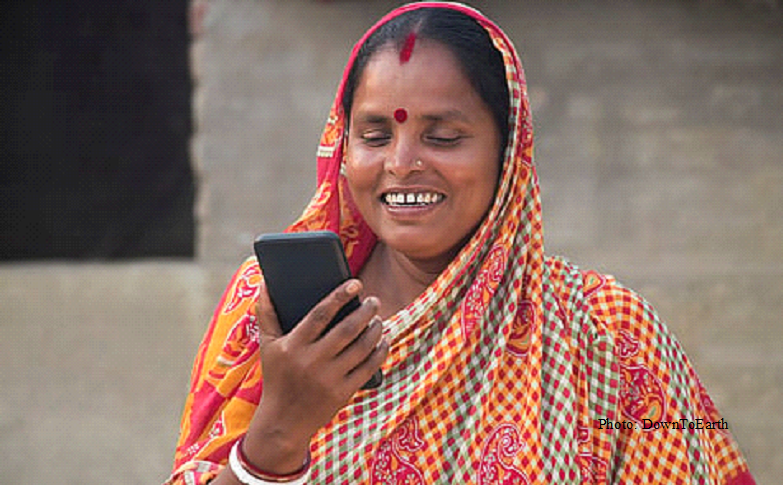
India’s digital transformation has expanded internet access at an unprecedented pace, but a new divide is emerging between digital access and meaningful digital use. Affordable smartphones, low-cost data packages and expanding connectivity have brought millions online, extending digital access to households that were earlier excluded from the digital ecosystem. Yet access alone does not ensure... Read More
Reducing dependence on China through ‘friend shoring’ easier said than done. Sheer economics dictates otherwise Inside a sterile fabrication plant coming up in Dholera, robots will soon move silicon wafers with nanometre precision. But before that first chip is etched, tons of gallium, germanium and rare earths must arrive from one country: China. India’s multi-billion-dollar... Read More
The IHDS Forum is a monthly update of socio-economic developments in India by the IHDS research community, based on the India Human Development Survey, jointly conducted by NCAER and the University of Maryland. While two earlier rounds of the survey were completed in 2004-05 and 2011-12, respectively. Fieldwork for the third round was undertaken in... Read More
Addressing water stress requires moving beyond emergency responses and investing in resilient, equitable, and climate-ready water systems The Centre’s recent decision to activate contingency plans across 315 districts following a 43 per cent rainfall deficit serves as a stark reminder of India’s continuing dependence on the monsoon. Particularly worrying is the identification of 111 districts... Read More
Regional modeling is essential for assessing the impacts of environmental policies in countries with significant regional diversity. It is particularly important for a resource-constrained state like Kerala (India), which depends heavily on electricity imports from other states. The novelty of this study lies in the development of a state-level Integrated Assessment Model (IAM) that links... Read More