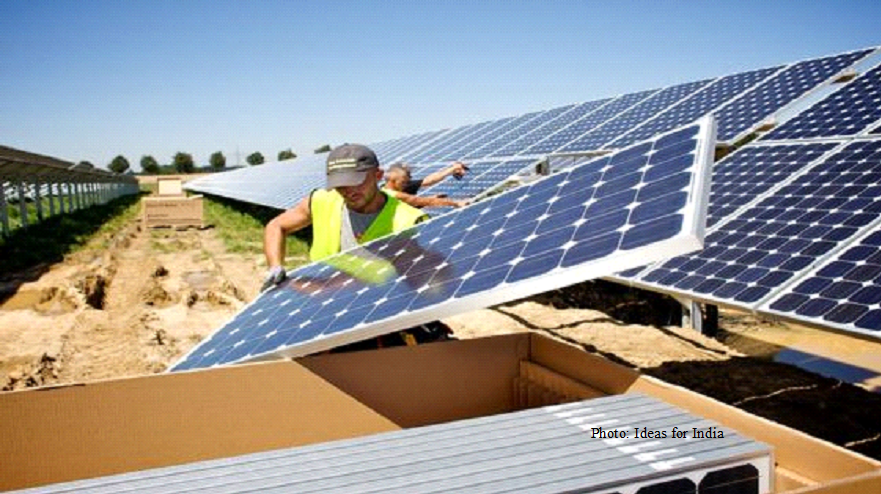
While lithium-ion batteries have enabled the expansion of renewable energy storage so far, these are now confronting physical and chemical barriers. In this post, Mitra and Pohit put forth that the clean energy sector has successfully transitioned to a multi-chemistry ecosystem that leverages both physical materials and artificial intelligence. They highlight the opportunity that this... Read More
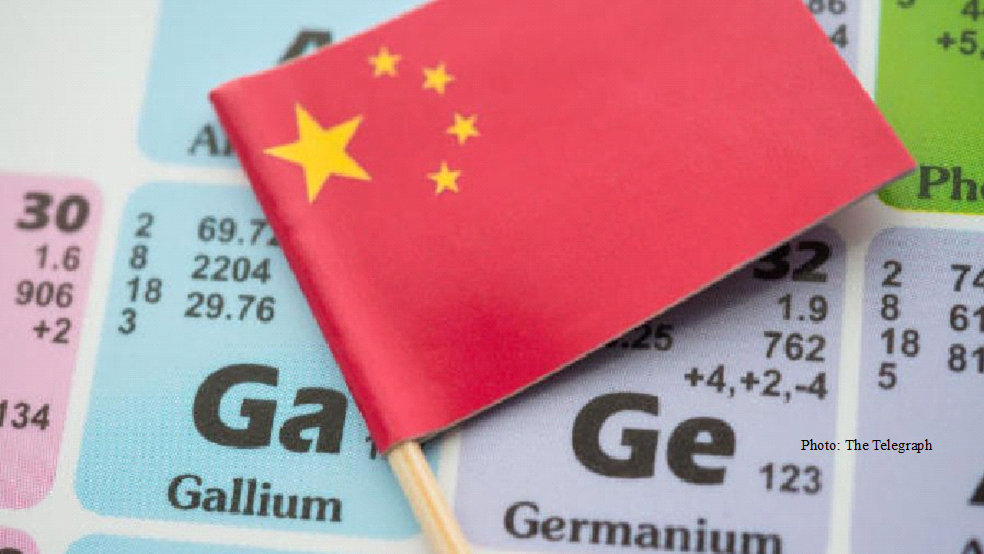
Gallium and germanium may never command the political attention accorded to oil or lithium. Yet they are indispensable to the industries that will define future economic competitiveness Empires were once forged in iron, fuelled by coal, and secured by oil. Today, strategic power increasingly rests on materials so obscure that few outside scientific circles can... Read More
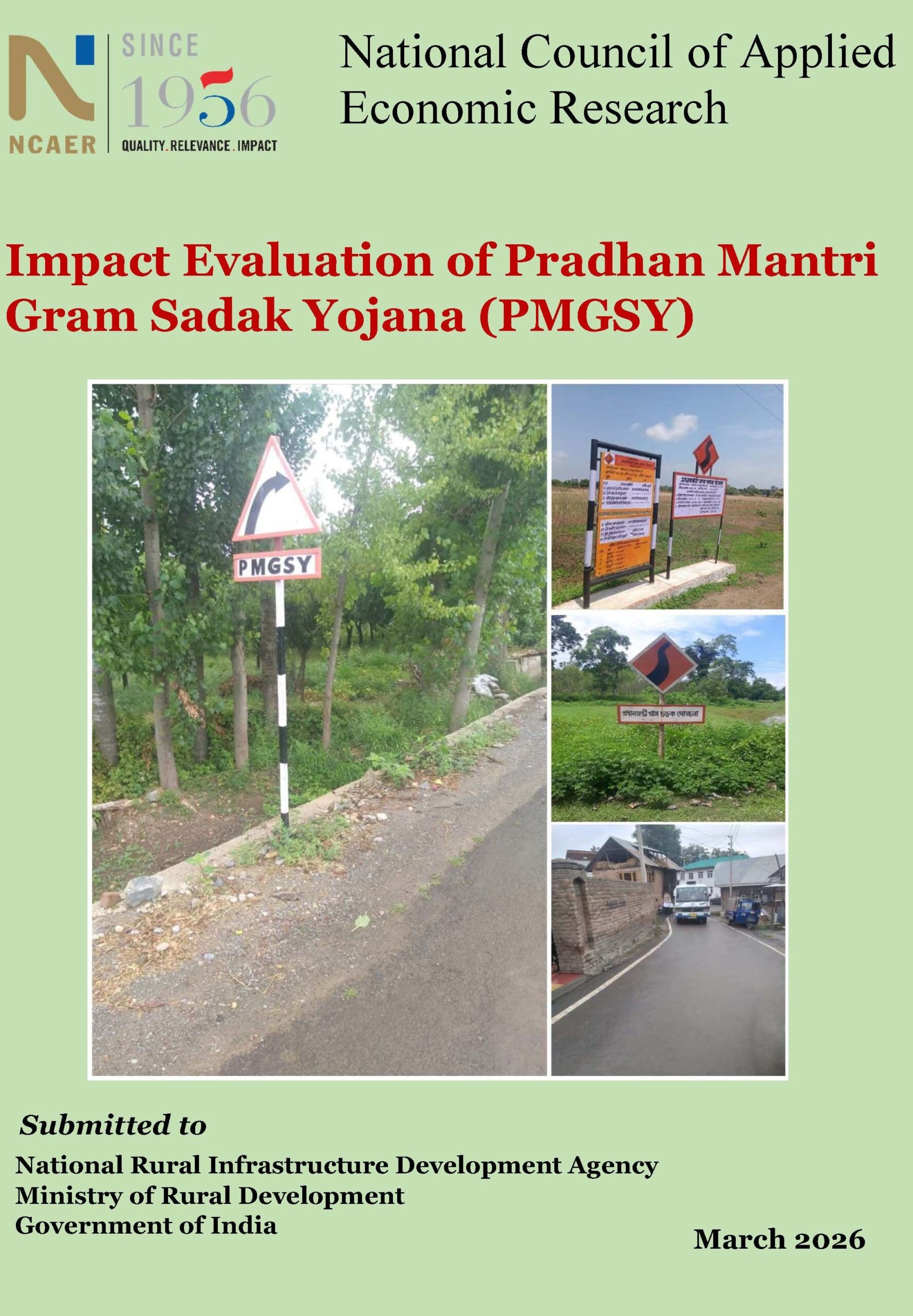
Rural road connectivity is a foundational input for inclusive economic growth and social development. By improving physical access to markets, schools, health facilities, job opportunities, and administrative centres, rural roads act as enablers that shape livelihoods, human capital formation, and quality of life. The Pradhan Mantri Gram Sadak Yojana (PMGSY), launched in 2000, represents one... Read More
Discussions of population devolve into debates about childbearing and ultimately centre on women’s bodies. Modern global discourse emphasises a return to traditional ways of life Visions of population explosion or implosion seem to provoke strong passions. Three centuries ago, Malthus argued that population growth would outpace the food supply, leading to famine and disease. Today,... Read More
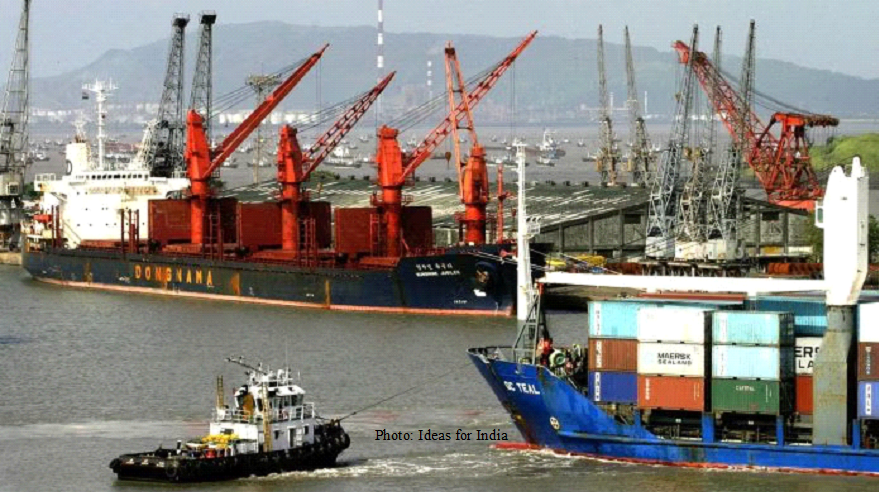
Once among India’s foremost manufacturing and trading centres, the eastern state of West Bengal gradually ceded ground to western and southern states such as Gujarat, Maharashtra, and Tamil Nadu. In this post, Bandyopadhyay contends that the emergence of a new connectivity-driven growth architecture stretching across eastern India, Bangladesh, and the Bay of Bengal region, opens... Read More
‘Transparency is the cheapest credit enhancement a poor country can buy’ Restructuring gets the summits; debt management gets the training workshops. Yet in a low-income country, the debt office is crisis-prevention and early-warning infrastructure, not a narrow technical function – and a fundamental institutional reform is overdue. All four G20 Common Framework applicants (Chad, Ethiopia,... Read More
Across India, conversations around Artificial Intelligence (AI) are steadily moving beyond innovation labs and corporate boardrooms into the domain of governance. The larger question is no longer whether governments will adopt AI, but whether these systems can genuinely improve public services in ways that are accessible, accountable, and inclusive. It is within the broader shift... Read More
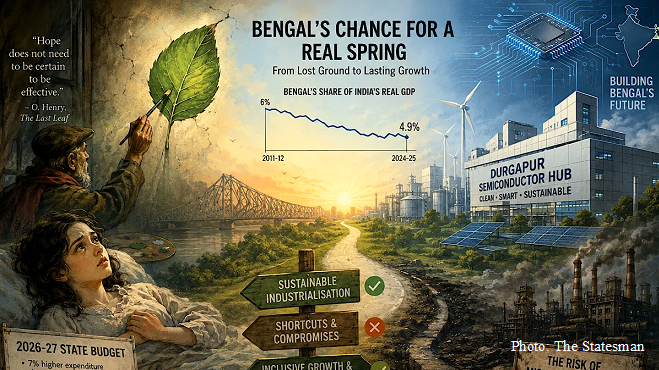
In O. Henry’s The Last Leaf, ailing Johnsy clings to life because one painted leaf refuses to fall. Such is the power of optimism; it does not need to be certain to be effective. But for Bengal, the question is whether the leaf will hold long enough for a real spring to arrive. Inherited with... Read More
A nation's efficient participation in global supply chains and accelerated economic growth are driven by trade facilitation. Paperless trade has been a significant reform under the WTO's Trade Facilitation Agreement. Quantifying its potential efficiency in global trade dynamics is essential for informed policy. Therefore, this study undertakes an empirical estimation from India's perspective to understand... Read More