India’s rapid urbanization, driven by rural-to-urban migration, has led to significant socio-economic challenges, with almost half of urban dwellers living in slums. Climate change, resource scarcity, and environmental degradation exacerbate these issues, putting pressure on cities’ infrastructure and health systems
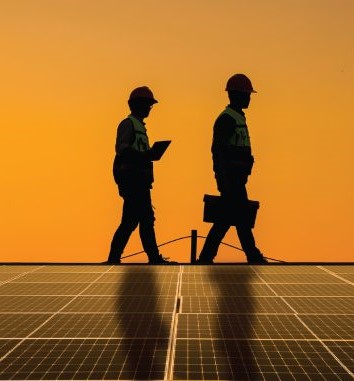
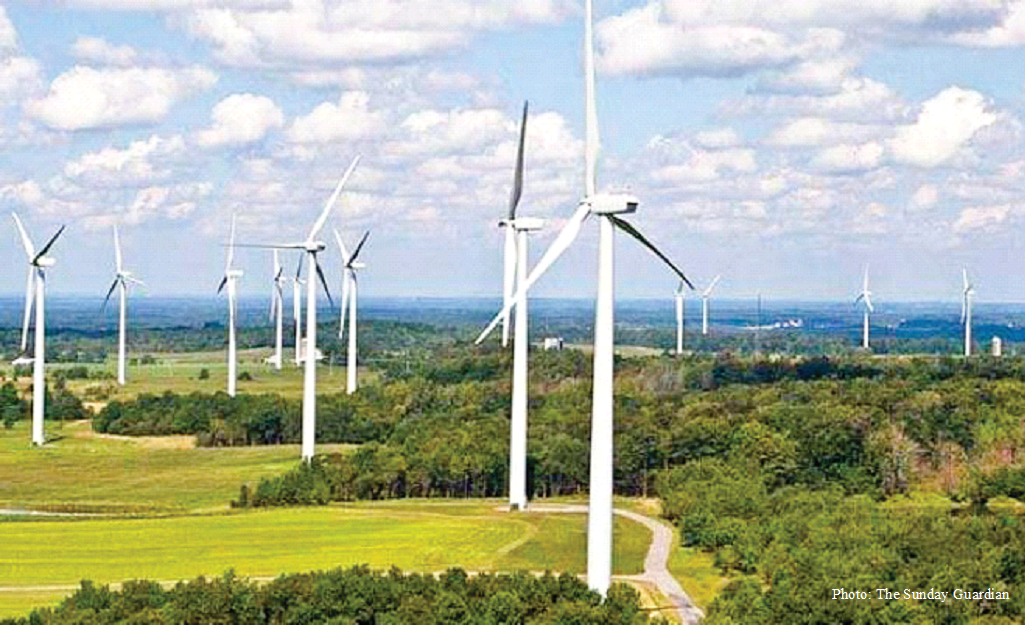
India has embarked on an ambitious plan to transition its energy sector towards sustainability and resilience. The Nationally Determined Contributions (NDCs) emphasise reducing the emissions intensity of the GDP by 45 per cent by 2030, increasing the share of non-fossil-fuel-based electricity capacity to 50 per cent, and achieving net zero emissions by 2070. This transformative... Read More
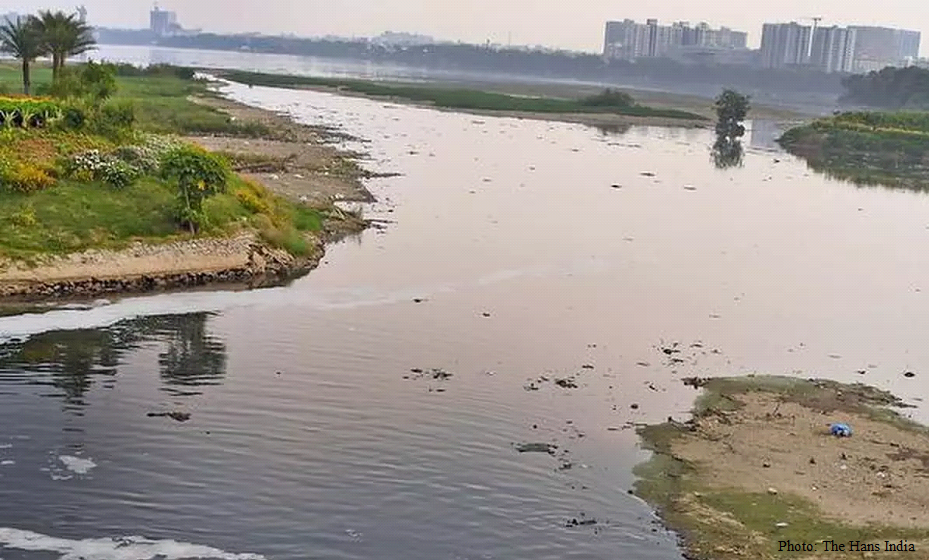
Once revered as the “City of Lakes,” Hyderabad is now grappling with a governance crisis, where its lakes—long-standing public goods—are being sacrificed for private gains. Recent data from the National Remote Sensing Centre (NRSC) reveal a stark reality: between 1979 and 2023, Hyderabad’s lake area has declined by 61%, shrinking from 40.35 square kilometres to... Read More
Despite significant progress in educational attainment and health outcomes, India lags in enabling women’s economic participation, which, in turn, impedes the goal of fast and inclusive economic growth. This article shows that formalising part-time employment and redistributing unpaid care work between men and women could raise female labour force participation by six percentage points, from... Read More
This paper explores ‘gatekeeping’, the phenomenon where access to a sample person in the household is controlled by another person. Gatekeeping of female persons is especially an issue in societies governed by gendered social norms. It can increase survey error by reducing response rates and potentially increasing non-response bias, and can increase measurement error when... Read More
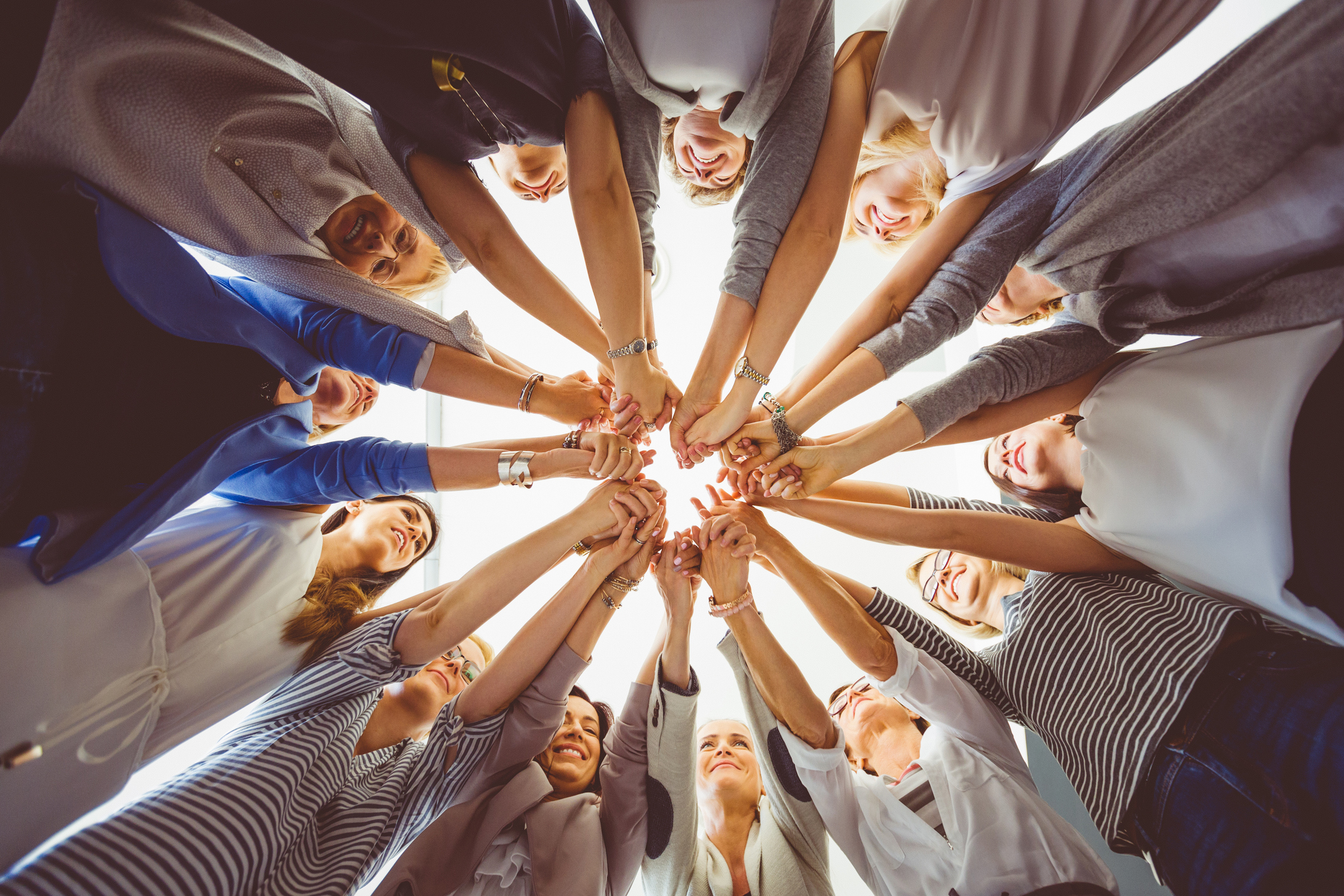
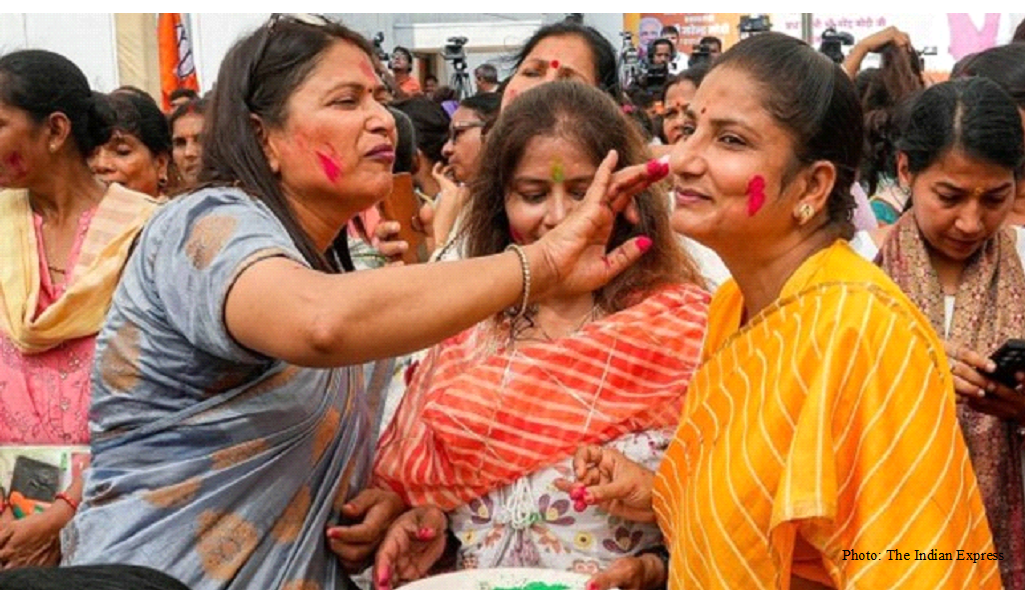
The time for incremental progress has passed. Bold policy measures, cultural shifts, and institutional support are required to break the barriers that hinder women’s leadership. The Women’s Reservation Bill, 2023 now enacted and set to be implemented after the census and delimitation exercise marks a significant milestone in ensuring greater representation for women in governance.... Read More
In the Review, we summarise the economic and policy developments in India; monitor global developments of relevance to India; and showcase the pulse of the economy through an analysis of high-frequency indicators and the heat map. Click here for previous issues.
The IHDS Forum is a monthly update of socio-economic developments in India by the IHDS research community, based on the India Human Development Survey, jointly conducted by NCAER and the University of Maryland. While two earlier rounds of the survey were completed in 2004-05 and 2011-12, respectively. Fieldwork for the third round was undertaken in... Read More
India is gearing up for green transition through policy and budgetary support to reduce dependence on finite fossil fuels, to curb greenhouse gas emissions, and to mitigate climate change. The Viksit Bharat 2047 vision aims to transform India into a developed nation, which will drive a significant rise in energy demand across industries, infrastructure, and... Read More
India’s public debt, at about 80 percent of GDP, is disproportionately high for its per capita income. Yet committed constituencies advocating for smaller or higher quality debt are largely absent. The complacency is because high debt has neither resulted in runaway interest rates or rollover risks nor is it seen to be a drag on... Read More