


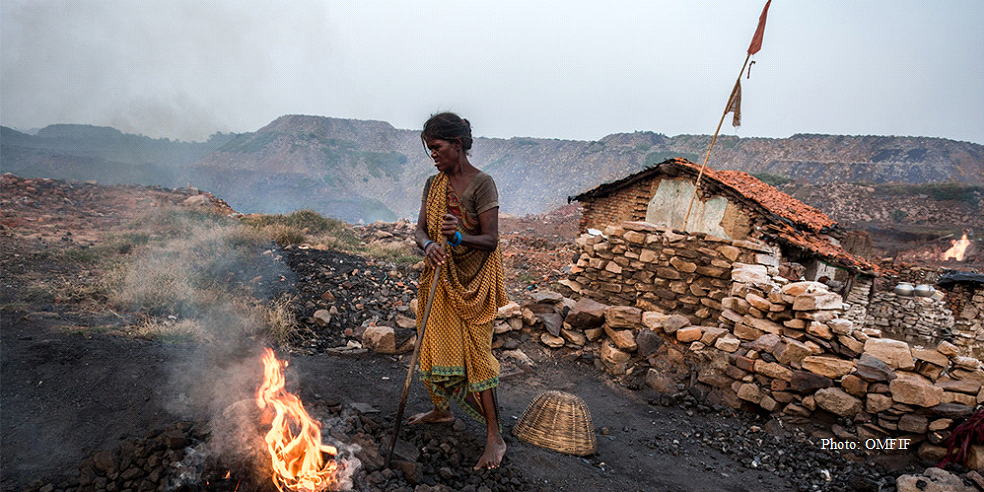
Jharia’s master plan is the £511m investment that climate finance cannot see. The most serious constraint on climate finance in developing countries today is not simply a shortage of capital, but a persistent mismatch between how finance is structured and how climate action is pursued. Public investments that reduce environmental risk, enhance economic resilience and... Read More

Formalising part-time work with fair pay, making transport and housing women-friendly, and enforcing laws. Otherwise, urban women’s work participation will be stuck at 28% As India’s economy rapidly transforms and modernises riding on a youthful population, a booming digital and physical infra, and a spirit of optimism, conditions are favourable for the country to become... Read More

From UPI processing over 17 billion transactions in a single month to kirana stores & vegetable vendors using QR codes, digital finance in India is no longer a luxury — it’s a lifeline. This surge has brought unprecedented financial inclusion, especially in rural and semi-urban areas. But while access has grown, awareness has not kept... Read More

Over two-thirds of Indians who use digital devices struggle with basic digital banking transactions, highlighting the persistent challenge of bridging the digital literacy and access gap. India, amidst rapid technological advancement, stands at a critical juncture in its digital journey. The nation has demonstrably invested in the foundational pillars of digital financial services through significant... Read More
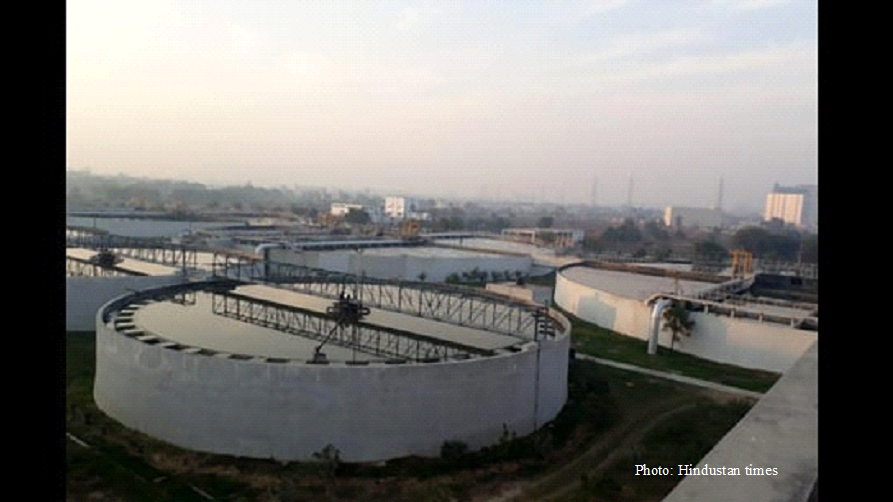
A country that aims to supply piped drinking water to every rural household continues to lose billions of litres of water daily because of inadequate treatment. India’s water and wastewater treatment market, valued at $13.1 billion in 2023, is projected to reach $23.85 billion by 2033. This number mirrors India’s accelerating urbanisation, climate fragility, and... Read More
NCAER News is a monthly digest where you can learn about NCAER's research outputs, its latest events, and offerings.
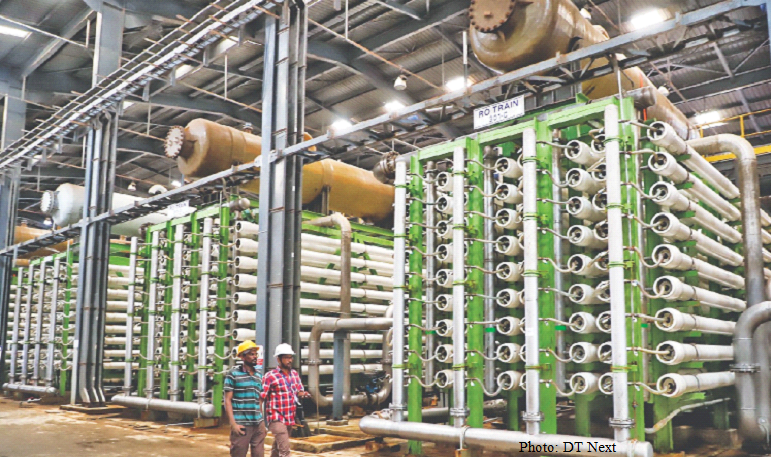
Chennai has demonstrated that wastewater reuse is not just a pipe dream, selling secondary-treated wastewater and using proceeds to rejuvenate water bodies. What India needs is an ecosystem to treat 70% of water going down drains. India is set to become home to a quarter of the world’s urban population living in water-stressed regions. While... Read More
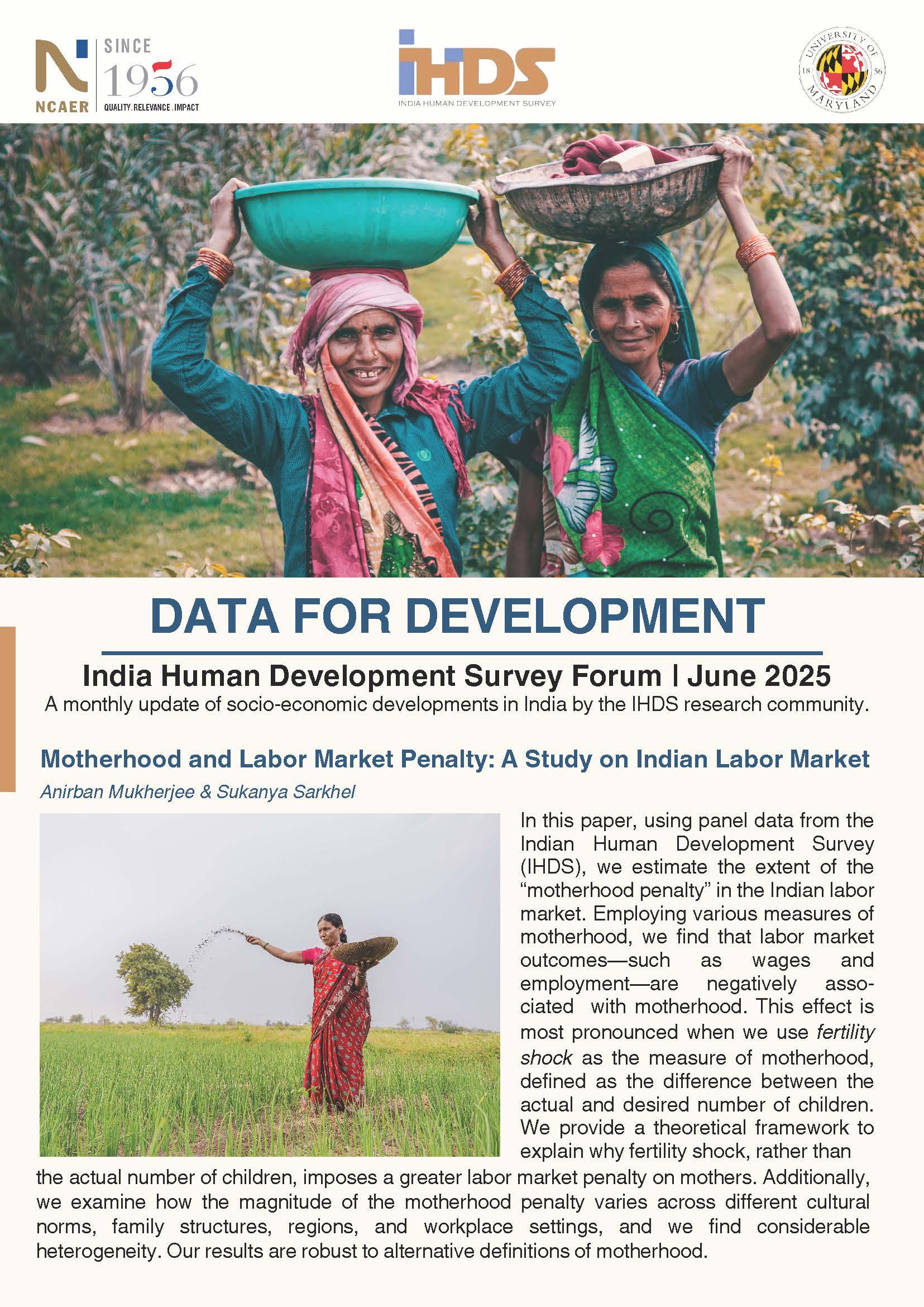
The IHDS Forum is a monthly update of socio-economic developments in India by the IHDS research community, based on the India Human Development Survey, jointly conducted by NCAER and the University of Maryland. While two earlier rounds of the survey were completed in 2004-05 and 2011-12, respectively. Fieldwork for the third round was undertaken in... Read More
Download PDF
Different approaches to regulation risk fragmenting the global digital finance landscape Stablecoins have emerged as a practical alternative to the traditional banking system for payments and remittances. These digital coins seek to maintain stable value by pegging to currencies like the dollar, combining blockchain technology with reserve backing. They bring opportunities for more accessible and... Read More
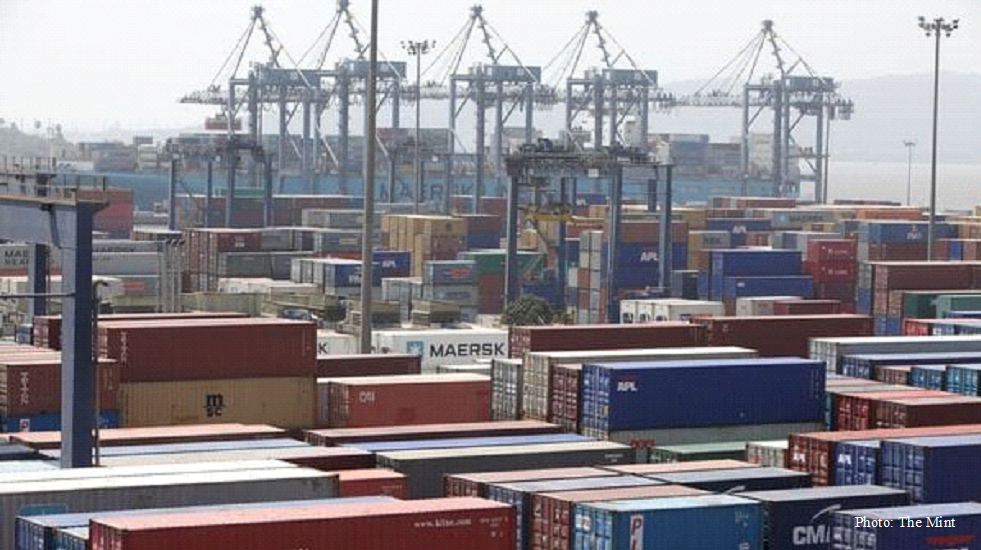
India has taken big strides in its logistical infrastructure but must press ahead with reforms to meet its aspiration of becoming a global trading powerful. Easing and speeding up exports is critical to that endeavour. India’s merchandise exports grew by a significant 39% from $317.5 billion in 2014 to $441.7 billion in 2024. This rise... Read More

Data from a recent survey on MSMEs in Assam shows a paradox. While most MSMEs have adopted digital payment systems, a large share of their customers still prefer to pay in cash. According to a recent survey conducted by the National Council of Applied Economic Research (NCAER) for the Directorate of Economics and Statistics (DES), Assam, nearly... Read More

The Generally Accepted Principles and Practices for sovereign wealth funds (known as the Santiago Principles) represent a notable experiment in voluntary multilateral cooperation. Yet recent critiques fundamentally misunderstand their nature and purpose, treating them as mere transparency guidelines rather than a comprehensive macro-financial governance architecture. This misreading ignores both their historical context and contemporary relevance—a... Read More