



In the Review, we summarise the economic and policy developments in India; monitor global developments of relevance to India; and showcase the pulse of the economy through an analysis of high-frequency indicators and the heat map. Click here for previous issues.
Download PDF
How many handloom weavers are there in India? According to the 4th All India Handloom Census (2019–20), there are 26,73,891 handloom weavers and 8,48,621 allied workers in the country. In other words, there are a total of 35.2 lakh handloom weavers in the country. Challenges in Estimating the Number of Handloom Weavers in India: A Comparison... Read More
NCAER News is a monthly digest where you can learn about NCAER's research outputs, its latest events, and offerings.
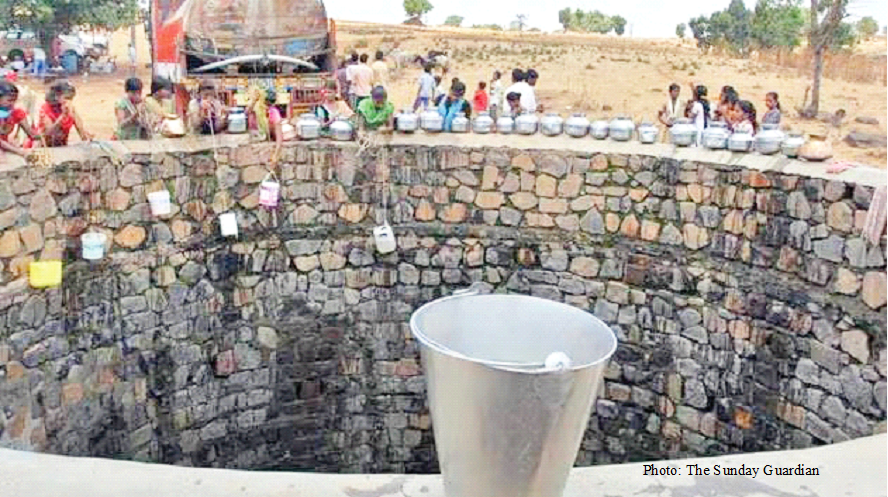
India’s water crisis is no longer a spectre of the future; it is a daily reality. As the summer of 2025 looms, farmers from Punjab to Tamil Nadu brace themselves for parched fields while urban residents grow anxious about taps running dry. Beneath the cracked earth and empty rivers lies an even more alarming threat:... Read More
The National Council of Applied Economic Research (NCAER), one of India’s premier economic policy research think tanks, carried out the 132nd Round of its Business Expectations Survey (BES) in March 2025. NCAER has been carrying out the BES every quarter since 1992, covering 448 firms across four regions.
Download PDF
NDIA is entering a defining decade for its water and wastewater management. The challenge is monumental, but so is the opportunity. With surging industrialisation, relentless urbanisation, and climate-sensitive agriculture, the country's wastewater market is no longer an environmental issue alone-it is an economic, social, and political imperative. According to recent estimates, India's water and wastewater... Read More
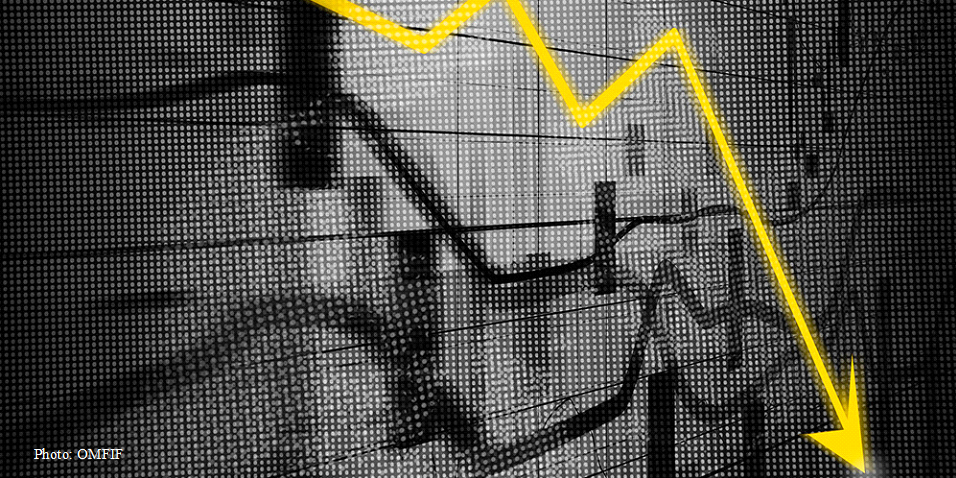
‘Preparedness, not prediction, is the watchword’ History has a habit of repeating itself, particularly with recent shifts in global trade and financial instability in developing economies. When the Latin American debt crisis hit in the 1980s, it was sparked by oil price shocks and deteriorating trade terms, and then made worse by an over-reliance on... Read More
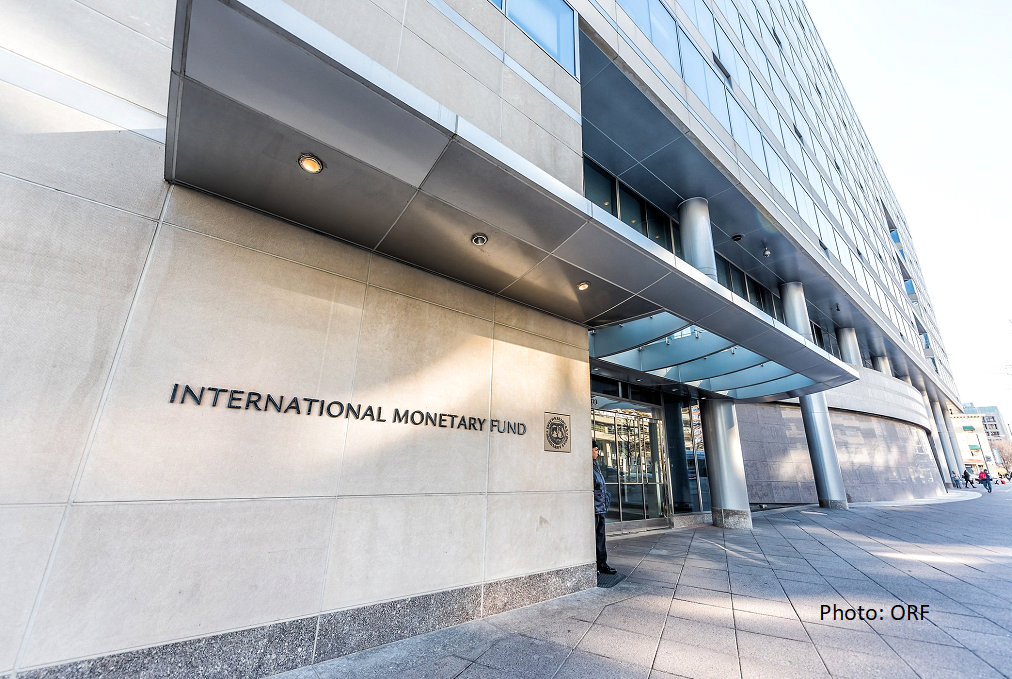
The International Monetary Fund (IMF) appears to have recognized that communication is no longer subordinate to economic design — it can make or break reform and change, especially where trust in institutions is thin and fiscal room is limited. The IMF's latest Fiscal Monitor dedicates a chapter to public consent as a precondition for good policy.... Read More
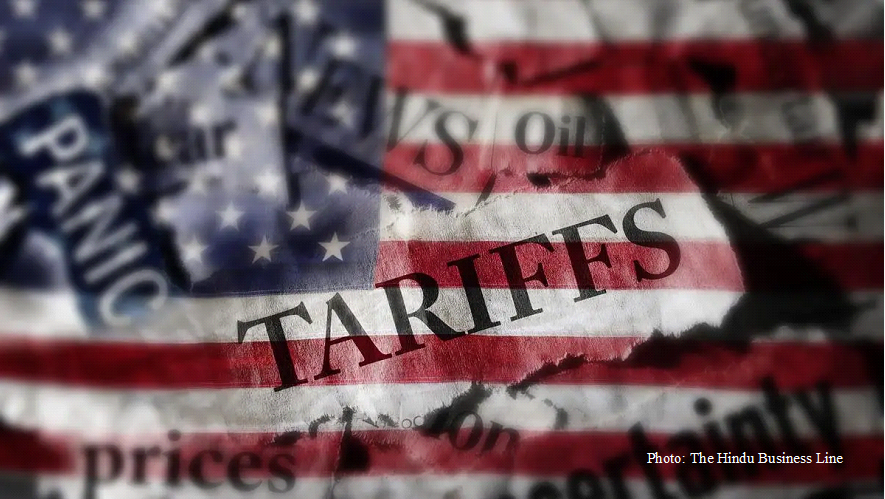
The US wants to be the permanent global hegemon. BRICS+ must boost regional trade and build alternative financial infrastructure. The Illusory Truth Effect — a psychological phenomenon where repeated exposure to falsehoods makes them seem true—has become a cornerstone of modern political propaganda. A 2023 study in Public Opinion Quarterly found that by the end... Read More
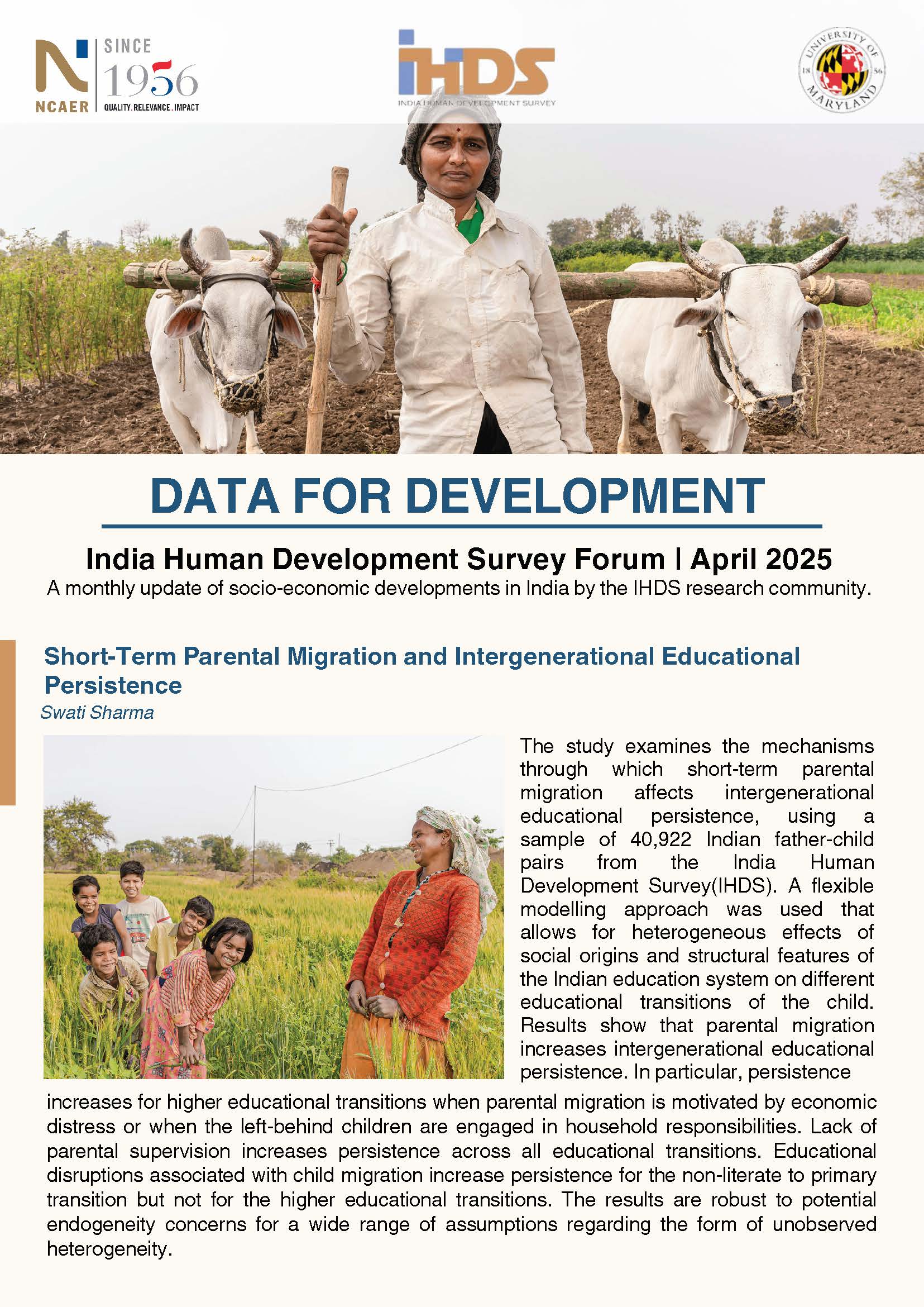
The IHDS Forum is a monthly update of socio-economic developments in India by the IHDS research community, based on the India Human Development Survey, jointly conducted by NCAER and the University of Maryland. While two earlier rounds of the survey were completed in 2004-05 and 2011-12, respectively. Fieldwork for the third round was undertaken in... Read More
Download PDF
As the financial system becomes increasingly digitised, it raises a pressing question: are our senior citizens unintentionally being excluded from the financial mainstream? India’s digital transition in the financial sector has been one of the most striking developments of banking system and for making financial transactions seamless, transparent, and accessible. However, this transformation has not... Read More
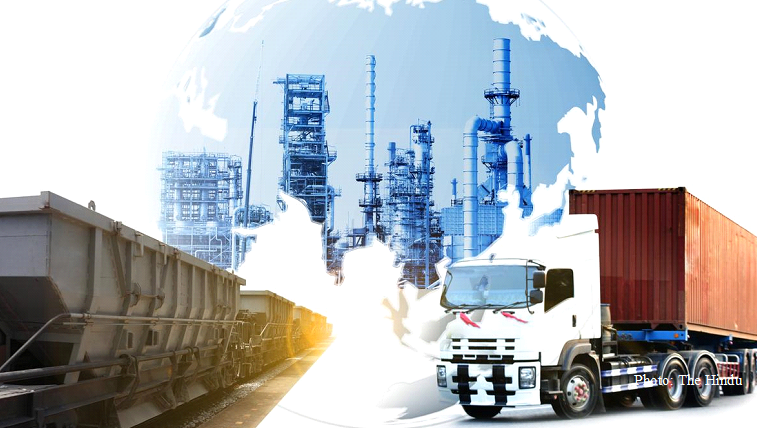
India’s logistics sector, which is one of the most carbon-intensive in the world, needs to undergo a green transformation. Viksit Bharat is not just a vision. It is a commitment to having a stronger, self-reliant India by 2047. At its core lies inclusive development, ensuring that growth reaches every citizen, every business, and every region.... Read More