


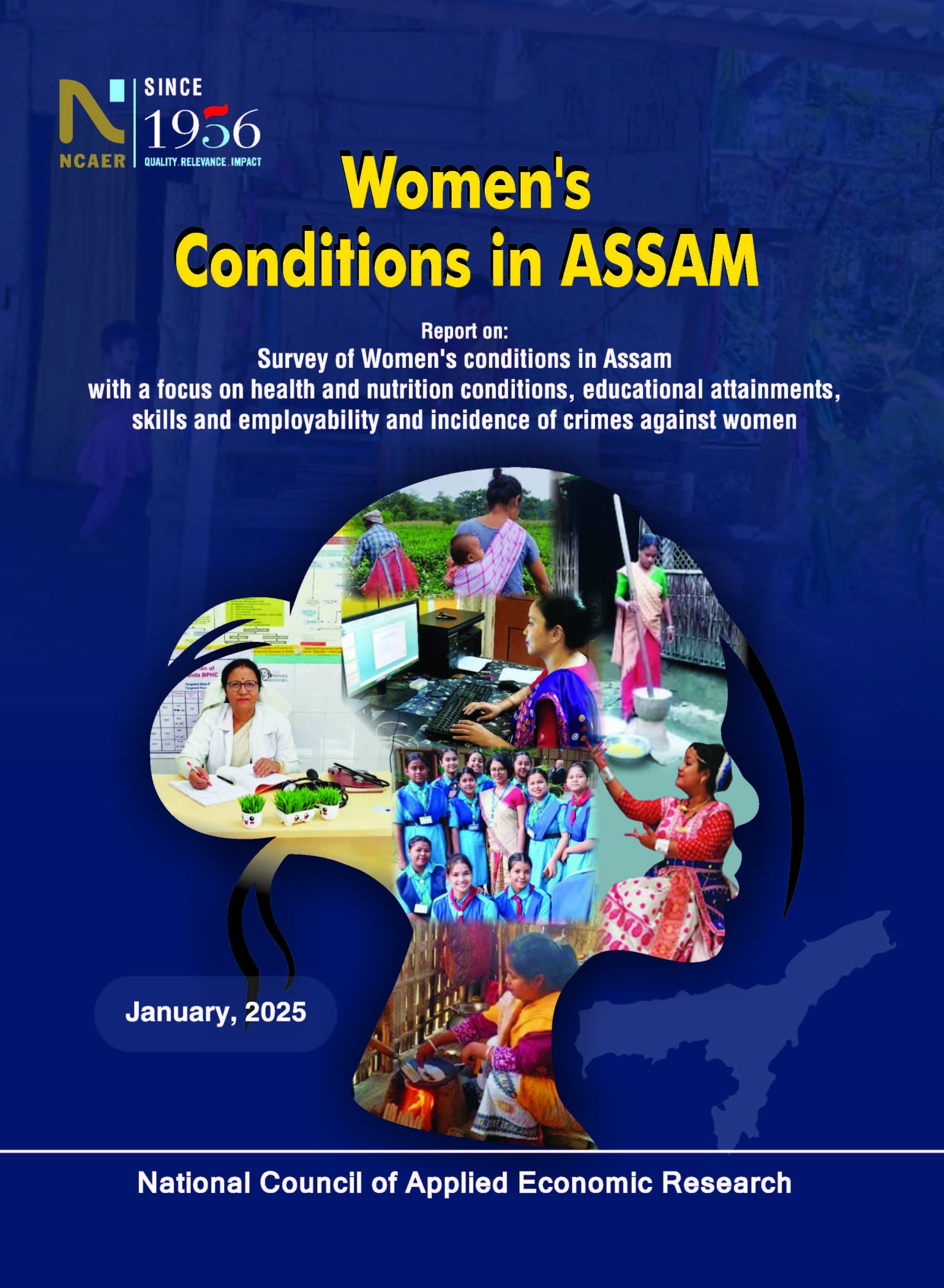
A unique showcase of diversities in numerous forms, Assam is a ‘landlocked’ state, sharing its borders with Arunachal Pradesh, Nagaland, Manipur, Mizoram, Tripura, Meghalaya, West Bengal, Bhutan, and Bangladesh. With 2,276.3 kilometers (km) of interstate borders and 529 km of international borders, Assam’s border areas are physically remote, offering limited connectivity and economic opportunities for... Read More
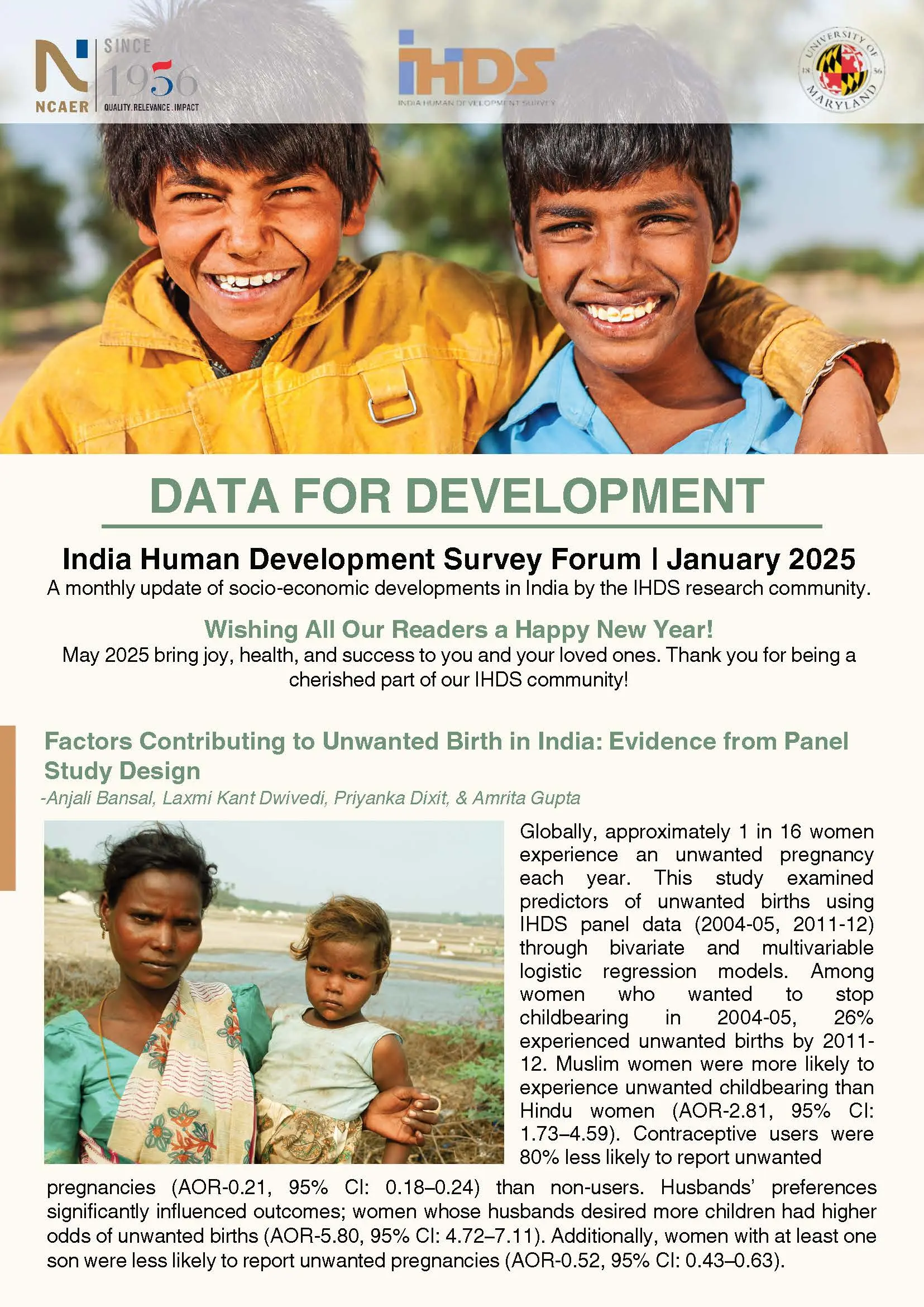
The IHDS Forum is a monthly update of socio-economic developments in India by the IHDS research community, based on the India Human Development Survey, jointly conducted by NCAER and the University of Maryland. While two earlier rounds of the survey were completed in 2004-05 and 2011-12, respectively. Fieldwork for the third round was undertaken in... Read More
Download PDF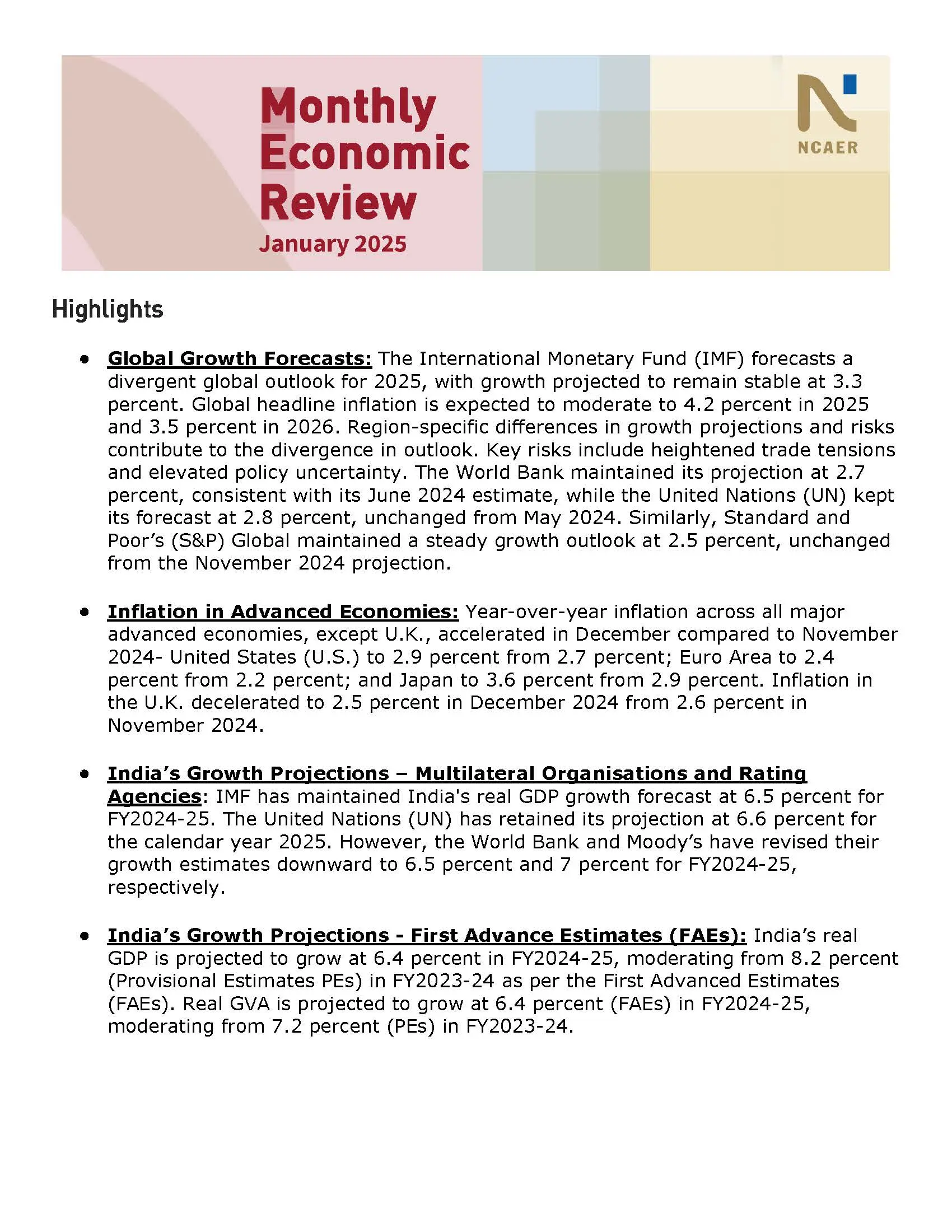
In the Review, we summarise the economic and policy developments in India; monitor global developments of relevance to India; and showcase the pulse of the economy through an analysis of high-frequency indicators and the heat map. MER January Report Click here for previous issues.
Download PDF
The disparity between the coverage rates and actual reimbursements highlights the urgent need for comprehensive reforms in the design and implementation of health insurance schemes at both the Central and State levels. While a growing number of households are being covered by health insurance schemes, the real test lies in how well those schemes support... Read More

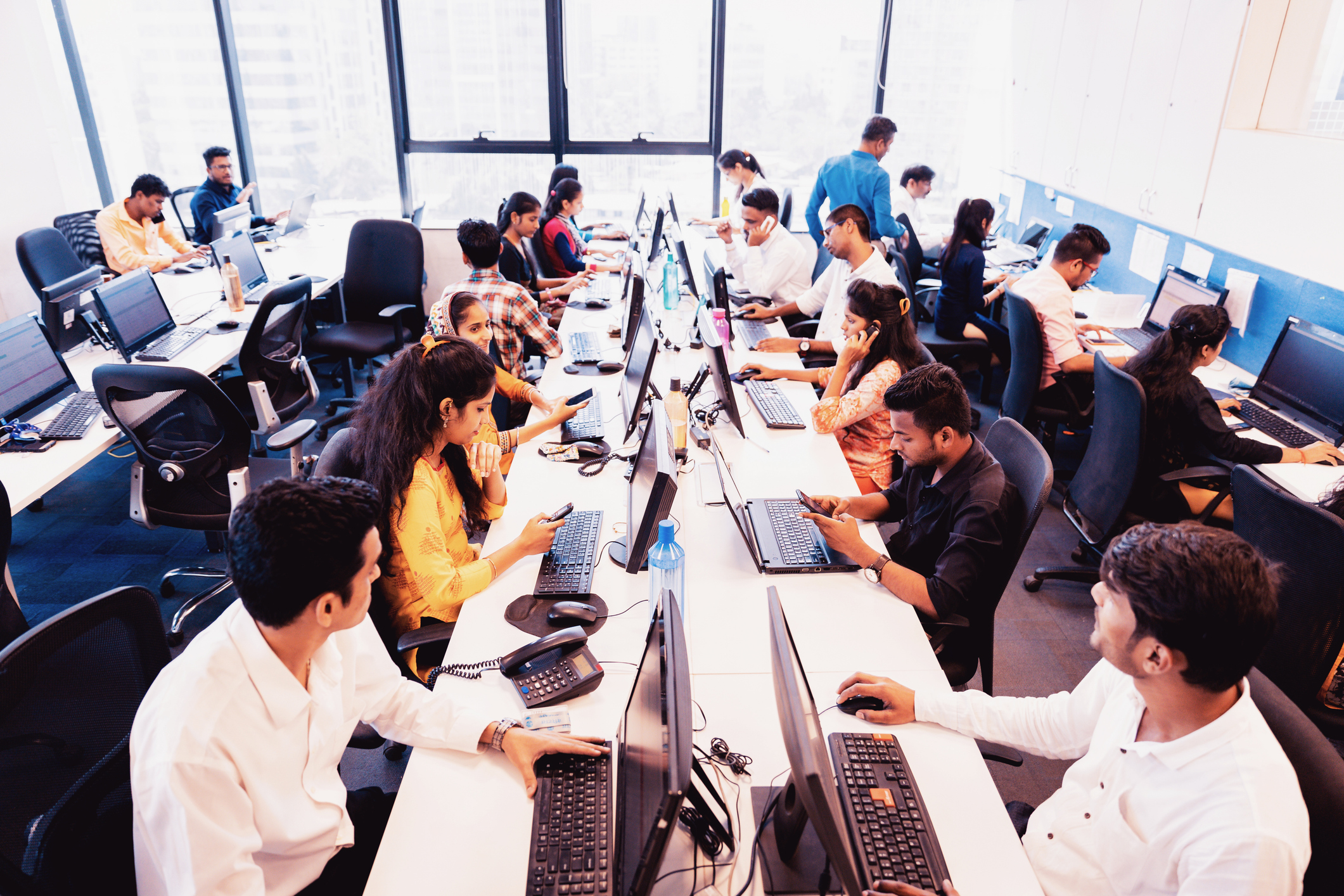
What is the impact of rapid technological advancements on employment in the Indian economy? In this post, Kathuria and Dev analyse ‘Consumer Pyramids Household Survey’ data to explore this question. They note a consistent decline in the share of low-skilled workers across sectors, along with reduced employment prospects, particularly in the post-Covid-19 era. They advocate... Read More
The global economic and financial order stands at the precipice of a seismic shift. Within just 24 hours of the new U.S. administration taking office, the early outlines of its vision are already signaling profound changes in how the United States engages with the world. Warnings about currency manipulation, coupled with proposals to create a... Read More
The National Council of Applied Economic Research (NCAER), one of India’s premier economic policy research think tanks, carried out the 131th Round of its Business Expectations Survey (BES) in December 2024, with support from the National Stock Exchange of India Limited (NSE). NCAER has been carrying out the BES every quarter since 1992, covering 496... Read More
Download PDF
What the year means for India’s ascent. The historical resonance of 2025 cannot be overstated. It marks the halfway point to achieving the United Nations’ Sustainable Development Goals, reflecting progress and challenges in poverty alleviation, gender equality and climate action. It is an especially pivotal year in advancing regional commitments, such as the Addis Ababa... Read More

In this paper, we examine the dynamics between inflation uncertainty, beliefs and inflation expectations of firms. Inflation uncertainty and beliefs influence a firm’s perception of the inflation levels, thereby impacting its expected inflation. Using novel survey data on firm inflation expectations, we examine the extent to which crises influence the relationship between inflation uncertainty and... Read More
In this paper, we investigate the macroeconomic and labour market implications of gender equality in unpaid care work and the formalisation of part-time employment in India. The unequal distribution of unpaid care responsibilities significantly limits women's labour force participation, perpetuating gender disparities in employment and economic outcomes. Using the McCall-Mortensen macroeconomic job search framework, this... Read More

Why India’s job crunch is on a longer spell By comparing data from two periods from the NSSO’s Periodic Labour Force Survey (PLFS), 2020-21 and 2023-24, the shifting unemployment patterns can be better understood. These changes provide us with a clearer picture of labour force participation, economic recovery, and the specific obstacles different demographic groups... Read More