



Boosting female labour force participation rate is not just a matter of gender equality; it is an economic imperative. India’s quest for fast economic growth and social equity hinges on an obvious but underrated lever – its female workforce. Despite significant progress in educational attainment and health outcomes, the country lags in enabling women’s economic... Read More
India’s rapid economic ascent has positioned it as the world’s fifth-largest economy, with the International Monetary Fund (IMF) projecting it will reach third place by 2027. The Indian government’s ambitious goal of achieving developed-country status by 2047 requires an annual nominal GDP growth of around 10% in USD terms over the next 25 years—exceeding the... Read More
India’s rise as the world’s fifth-largest economy is a defining moment, but sustaining this momentum and ensuring long-term, sustainable growth demands a hard look at its financial system. Rapid economic expansion has stretched the system in multiple directions, exposing structural weaknesses, regulatory gaps, and emerging systemic risks. The IMF’s latest Article IV Consultation and Financial... Read More

After a steady rise for over two years, Indian markets have been in a correction phase since October 2024. Equity markets have declined by 14 percent; the exchange rate has depreciated by 4 percent; the reserves have declined by $65 billion (9 percent of the stock that existed); while FII investors have pulled out nearly... Read More
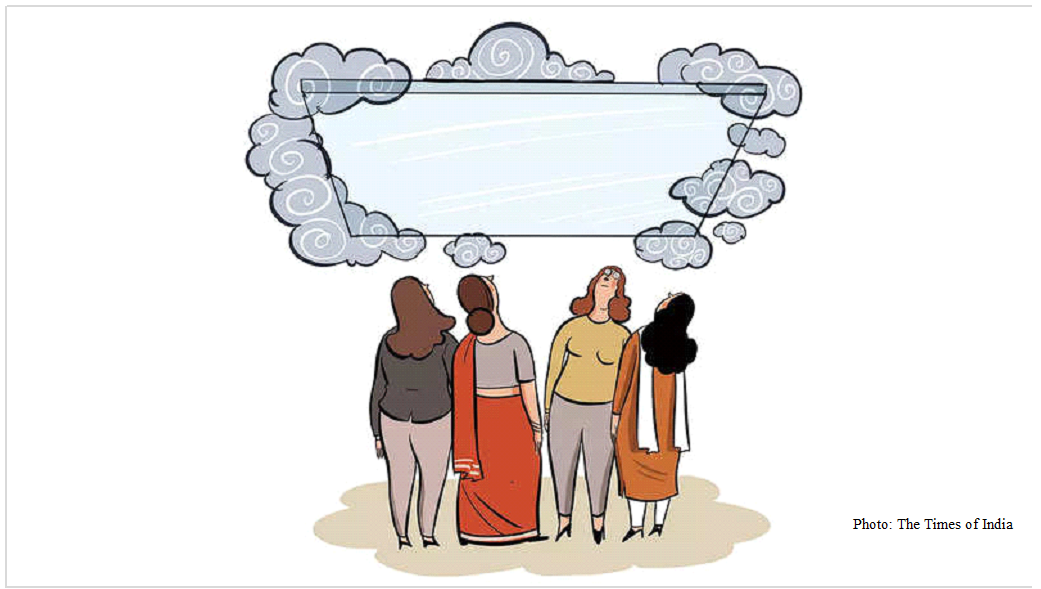
Among the many achievements of G20 under India’s leadership in 2023 was their specific commitment to promote women-led development. This commitment went beyond the general catchall of advancing “women’s economic empowerment”. It signalled an increasing recognition by world’s top leaders that promoting full, equal, effective, and meaningful participation of women in the economy as decision-makers... Read More
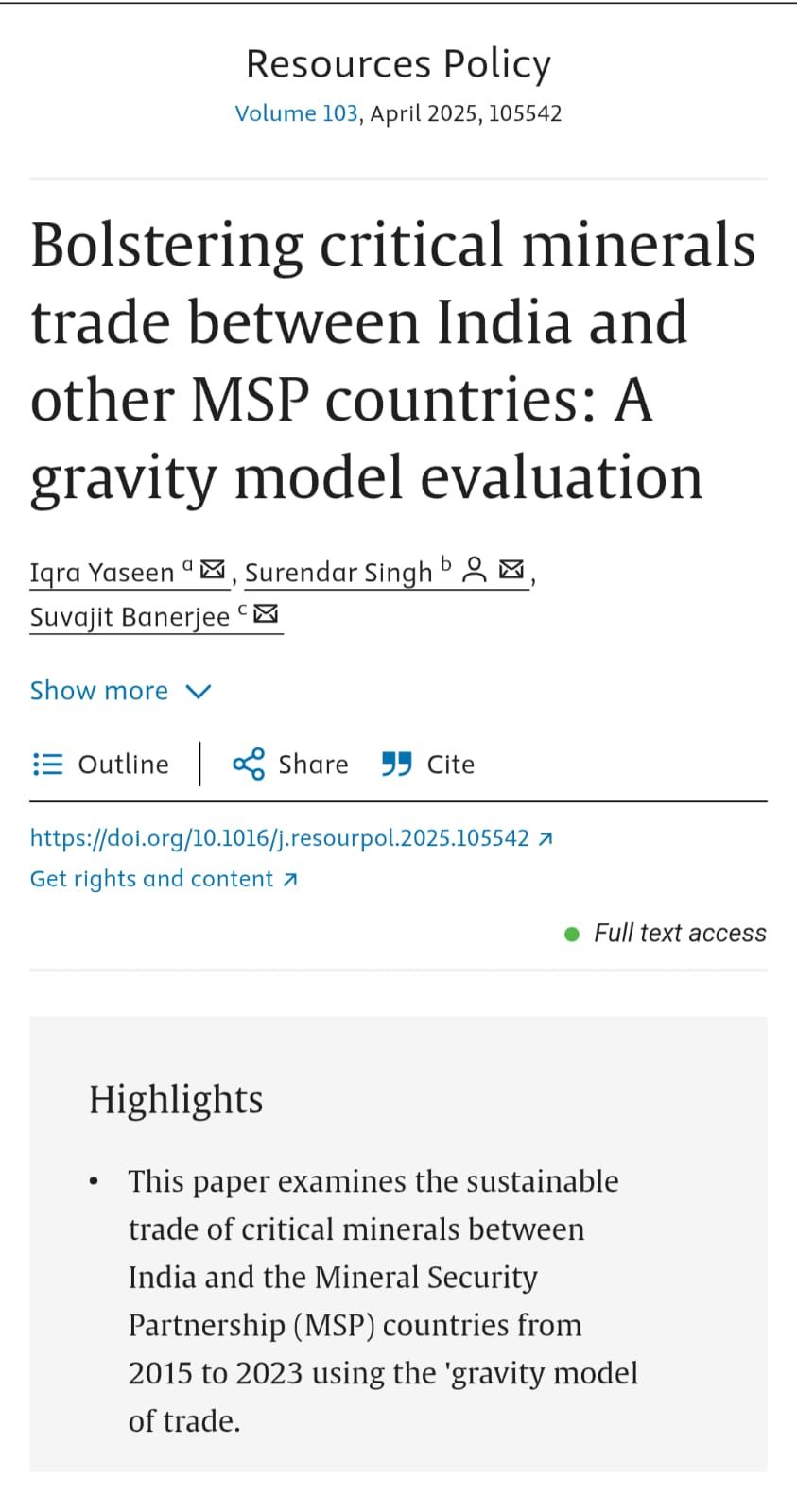
This study aims to evaluate the opportunities for a sustainable environment, an equitable economy, and a just society through the international trade of critical minerals. By employing a gravity model, it intricately analyzes the trade dynamics between India and 13 other members of the Mineral Securities Partnership (MSP). The study indicates a landscape rich with... Read More
India’s rapid urbanization, driven by rural-to-urban migration, has led to significant socio-economic challenges, with almost half of urban dwellers living in slums. Climate change, resource scarcity, and environmental degradation exacerbate these issues, putting pressure on cities’ infrastructure and health systems
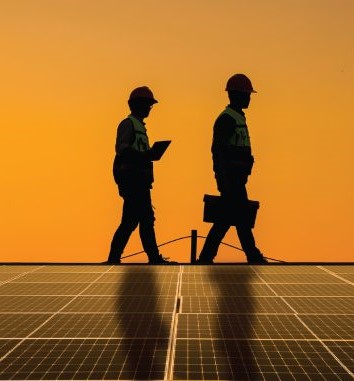
India has embarked on an ambitious plan to transition its energy sector towards sustainability and resilience. The Nationally Determined Contributions (NDCs) emphasise reducing the emissions intensity of the GDP by 45 per cent by 2030, increasing the share of non-fossil-fuel-based electricity capacity to 50 per cent, and achieving net zero emissions by 2070. This transformative... Read More
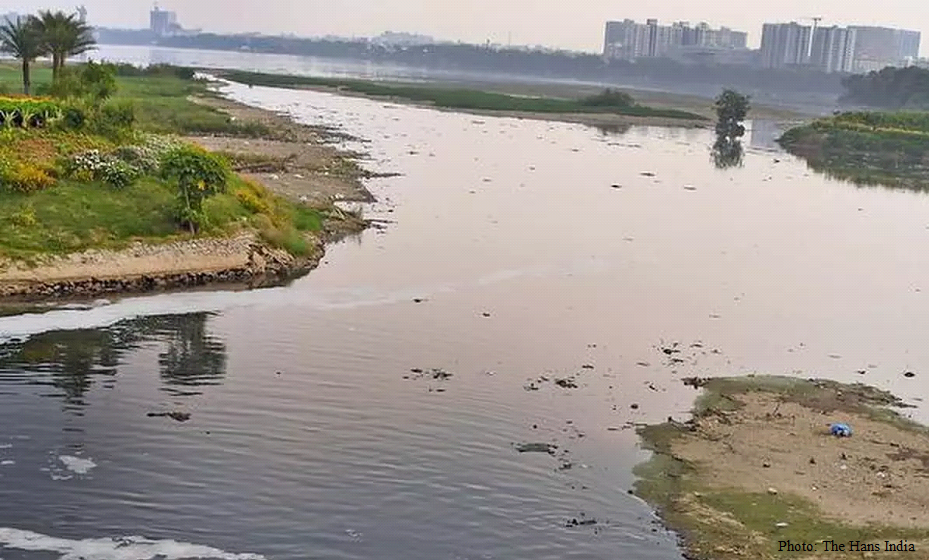
Once revered as the “City of Lakes,” Hyderabad is now grappling with a governance crisis, where its lakes—long-standing public goods—are being sacrificed for private gains. Recent data from the National Remote Sensing Centre (NRSC) reveal a stark reality: between 1979 and 2023, Hyderabad’s lake area has declined by 61%, shrinking from 40.35 square kilometres to... Read More
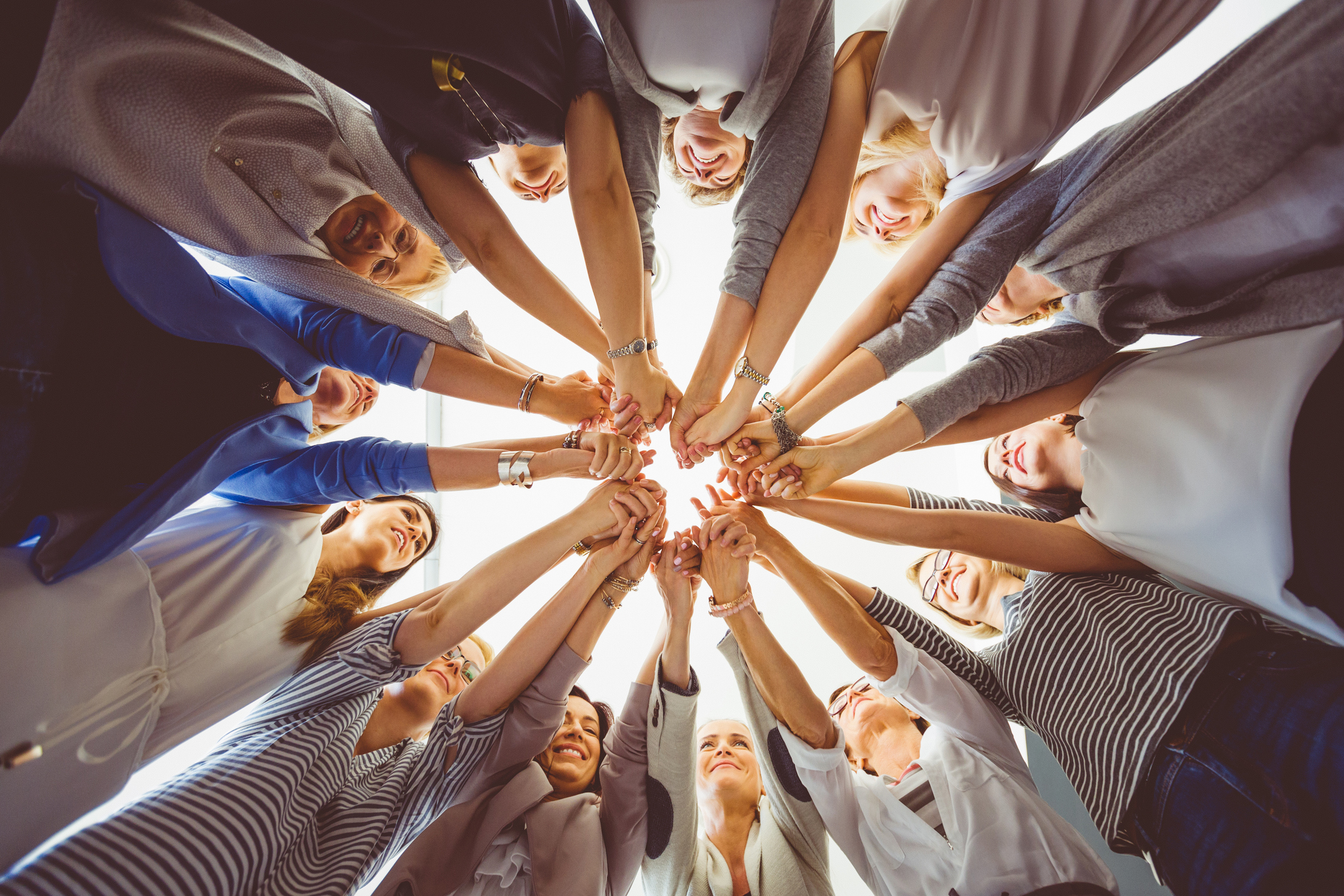
Despite significant progress in educational attainment and health outcomes, India lags in enabling women’s economic participation, which, in turn, impedes the goal of fast and inclusive economic growth. This article shows that formalising part-time employment and redistributing unpaid care work between men and women could raise female labour force participation by six percentage points, from... Read More

This paper explores ‘gatekeeping’, the phenomenon where access to a sample person in the household is controlled by another person. Gatekeeping of female persons is especially an issue in societies governed by gendered social norms. It can increase survey error by reducing response rates and potentially increasing non-response bias, and can increase measurement error when... Read More
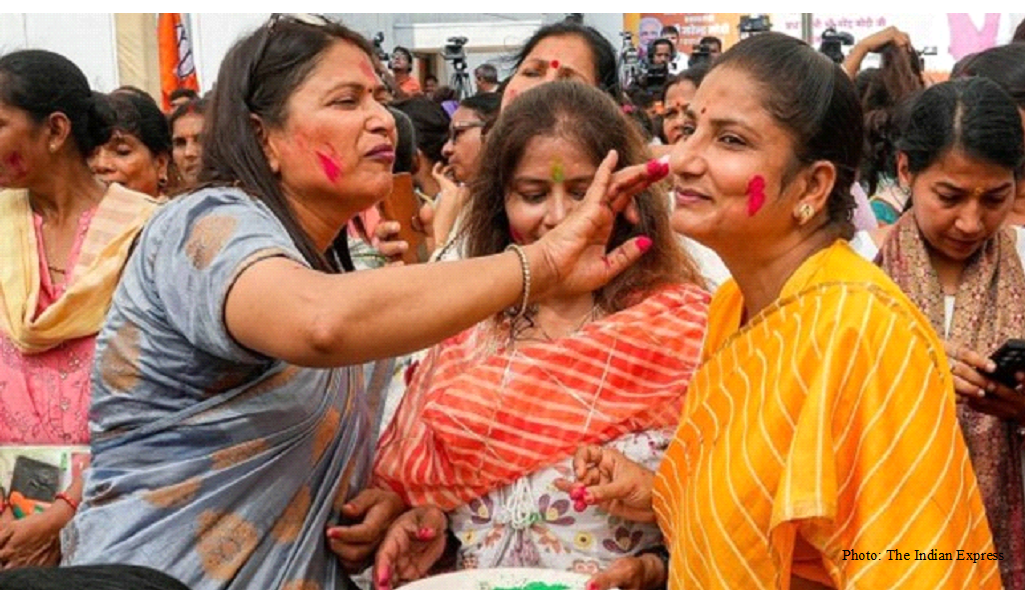
The time for incremental progress has passed. Bold policy measures, cultural shifts, and institutional support are required to break the barriers that hinder women’s leadership. The Women’s Reservation Bill, 2023 now enacted and set to be implemented after the census and delimitation exercise marks a significant milestone in ensuring greater representation for women in governance.... Read More