


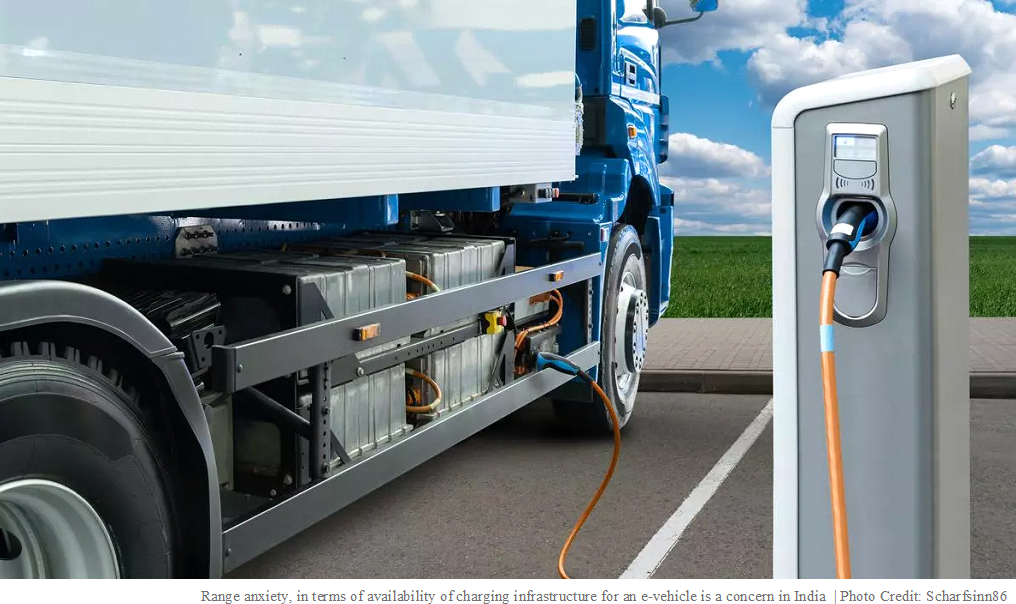
EVs’ growth may suffer due to problems of battery availability and disposal, just as biofuel has been hit by feedstock constraint. E-mobility seems to be the buzzword in India now. Almost every other day, some news comes out on how much progress India has made in the use of electric vehicle in the transport sector... Read More
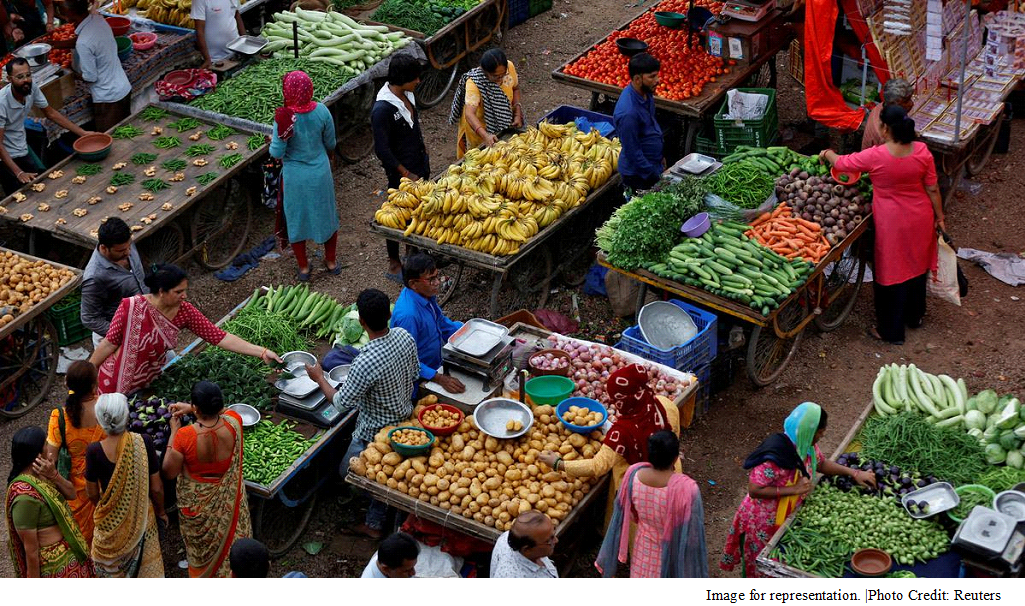
While the methodology for the Household Consumption Expenditure Survey is more refined now, the survey needs to address some methodological challenges. The National Sample Survey (NSS) Office released the key results of the Household Consumption Expenditure Survey (HCES) 2022-23 in late February. These primarily include all-India estimates of the average household monthly per capita consumption... Read More

NCAER News is a monthly newsletter where you can learn about NCAER's research outputs, its latest events, and offerings.
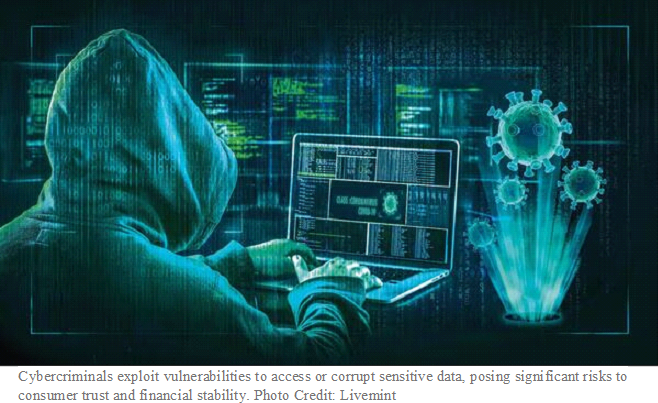
The aggregation of personal and financial data through fintech platforms presents an attractive target for hackers, leading to concerns over data privacy and security. The digitalized payment landscape, while making transactions more efficient and cost-effective, has unintendedly heightened the risk of cyber frauds and personal data misuse. Cybercriminals exploit vulnerabilities in the system, engaging in... Read More

Given the current and anticipated changes in dietary choices, livestock and fisheries present a distinct opportunity for growth. Both rural and urban populations’ consumption patterns are shifting, according to NSSO statistics. Based on the amount and pattern of consumer expenditure surveys (many rounds), data on monthly consumption expenditure per capita shows that spending on fish... Read More
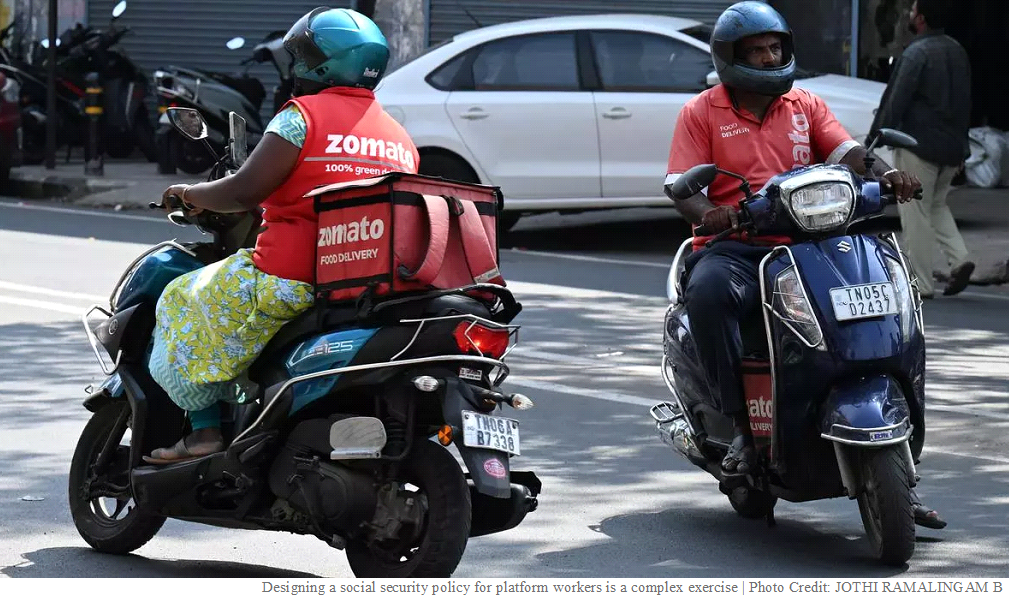
There are no win-win options here as all of them involve trade-offs. Policy makers must strike a balance. A universal social security system is perhaps the best option to protect gig workers. The Code on Social Security, 2020 defines gig worker as a “person who performs work or participates in a work arrangement and earns... Read More
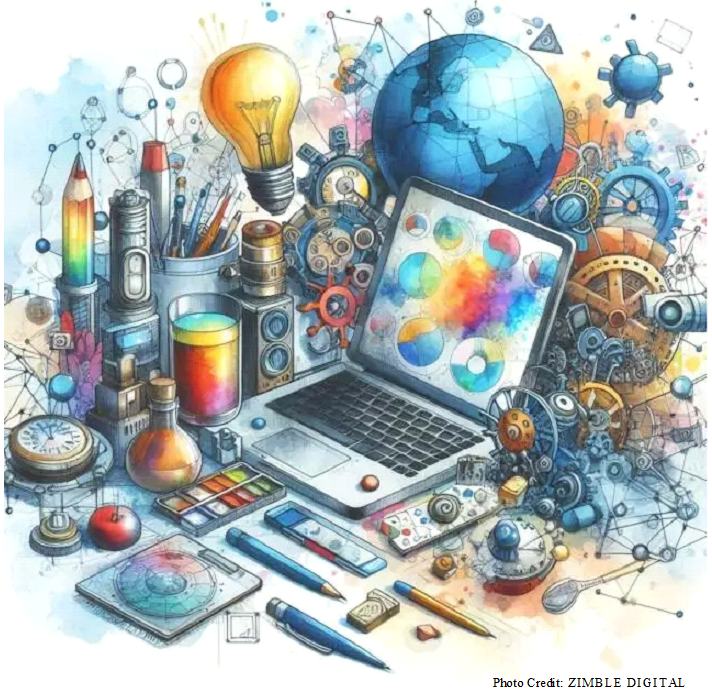
The agricultural sector in India has made significant progress since gaining Independence, thanks to technological advancements and government interventions. The Green Revolution, in particular, played a crucial role in increasing food grain production by three times, demonstrating the importance of science and technology in the growth of agriculture. Today, India. The agricultural sector in India... Read More
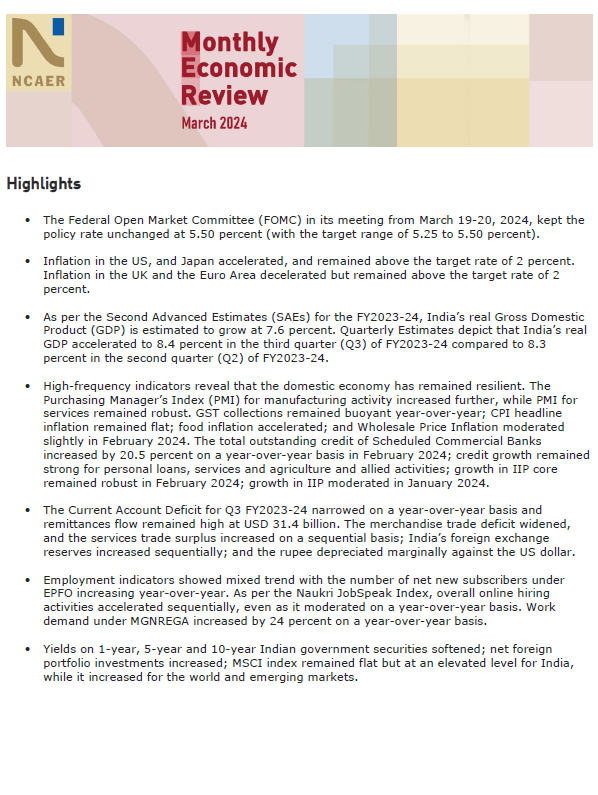
In the Review, we summarise the economic and policy developments in India; monitor global developments of relevance to India; and showcase the pulse of the economy through an analysis of high-frequency indicators and the heat map. MER March 2024 Report MER March 2024 Press Release and Citations Click here for previous issues
Download PDF
Could a continental consensus work as Africa’s ultimate bargaining chip? In the heart of Africa’s economic crucible, a seismic shift is underway. The continent’s leaders, weary of a global public and private financial architecture that has long failed them, are now wielding their collective voice as a potent weapon. As the world grapples with crises... Read More
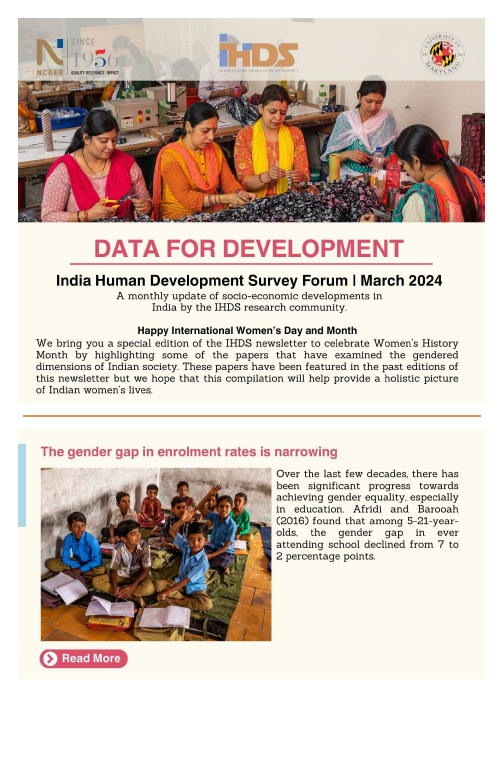
The IHDS Forum is a monthly update of socio-economic developments in India by the IHDS research community, based on the India Human Development Survey, jointly conducted by NCAER and the University of Maryland. While two earlier rounds of the survey were completed in 2004-05 and 2011-12, respectively, the third round has also been launched and... Read More
Download PDF
Investor education is crucial for enhancing financial well-being. Enhanced opportunities and increased volatility, calls for fresh financial literacy efforts, as traditional programs may no longer suffice. The curriculum needs updation to cover digital literacy, new investment risks, evolving financial structures, and governmental measures for investor protection and fraud prevention. While progress has been made in... Read More
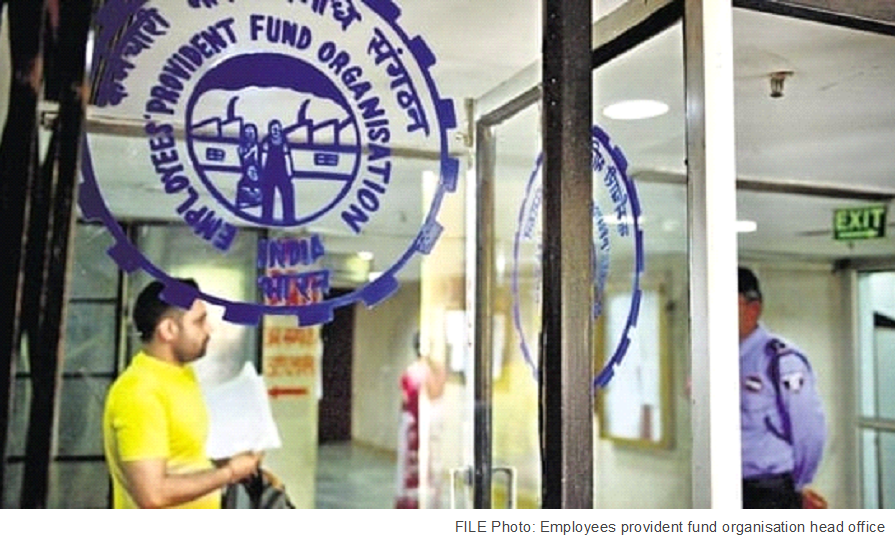
EPFO envisions achieving global standards in social security by 2047 through strategic initiatives, transitioning from enforcement to facilitation. Digital India was launched in 2015 with a vision to transform India into a digitally empowered society. One of the many benefits of digitalisation is seen in the functioning as well as outreach of the Employees’ Provident... Read More