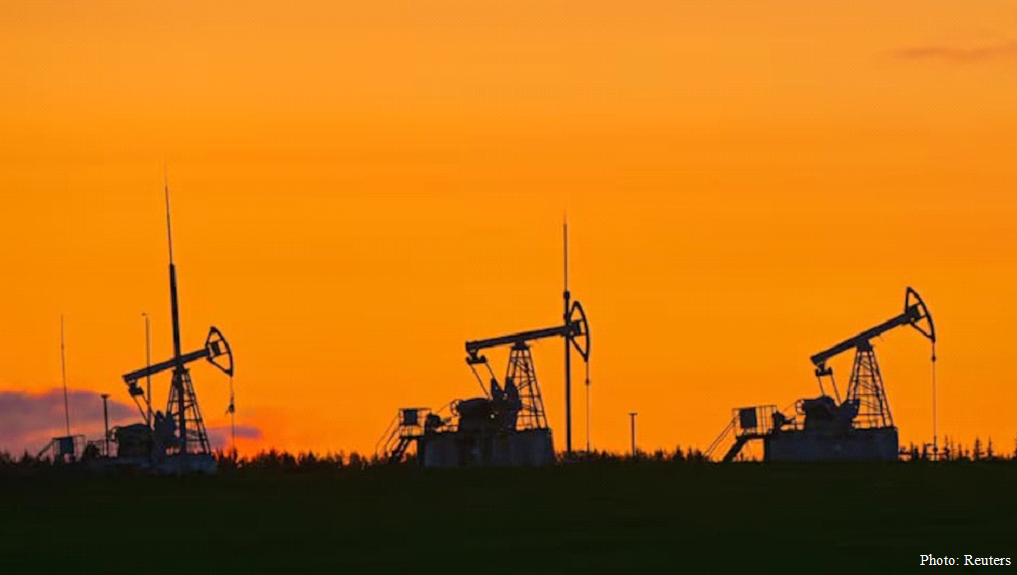
The goal of achieving energy independence by 2047 is a pivotal aspect of the Viksit Bharat vision and projections suggest that India is on its way to attain that vision. Currently, India imports 90% of its oil and 80% of its industrial coal, a dependency that exposes the nation to global market volatility and economic... Read More
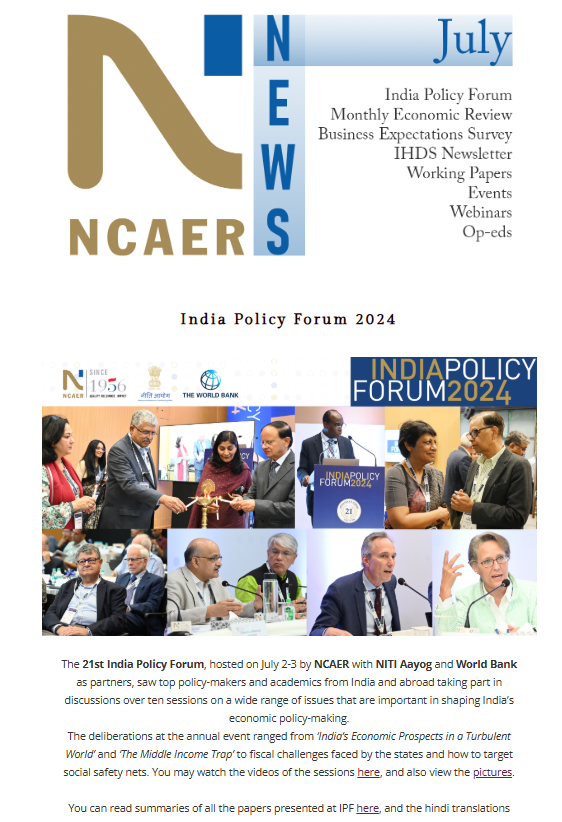
NCAER News is a monthly newsletter where you can learn about NCAER's research outputs, its latest events, and offerings.
A survey shows that, across all economic statuses, more women than men go in for AYUSH systems. The much-publicised International Day of Yoga has had a significant impact on raising awareness and promoting the adoption of AYUSH (Ayurveda, Yoga, Naturopathy, Unani, Siddha and Homeopathy) as vital health interventions. Government initiatives, along with efforts from other... Read More
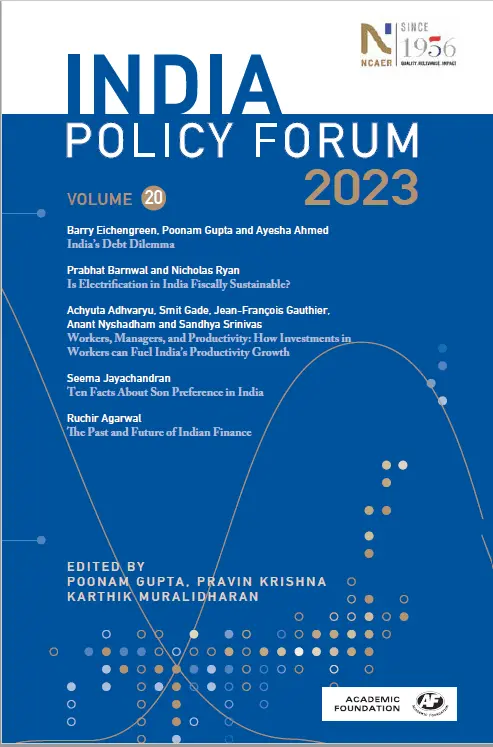
The 20th India Policy Forum 2023 Volume comprises papers and brief details of the proceedings of IPF Conference held during July 6-7, 2023. Apart from presentation of five papers, the IPF Conference also included the 5th T.N. Srinivasan Memorial Lecture, titled, “Poverty and Inequality in India: An Exploration of Undercurrents at the Village Level”, delivered by Professor... Read More
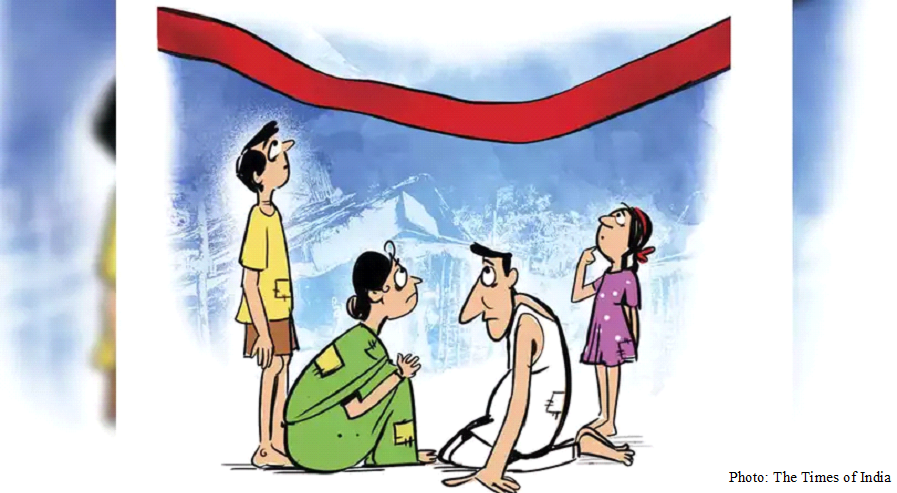
India’s growing economy is lifting families out of poverty but often onto a precarious perch. A single disaster can push them right back. Policy, obsessed with counting the poor, ignores the question of helping ‘newly poor’ Two decades ago, controversies around the measurement of in National Sample Surveys set off what became known as the... Read More
How the IMF is channelling capital to the developing world Climate finance has been a global priority for decades, with significant milestones such as the Green Climate Fund being established under the United Nations Framework Convention on Climate Change in 2010. Between 2021 and 2023, private sector investments in climate resilience escalated and institutions like... Read More
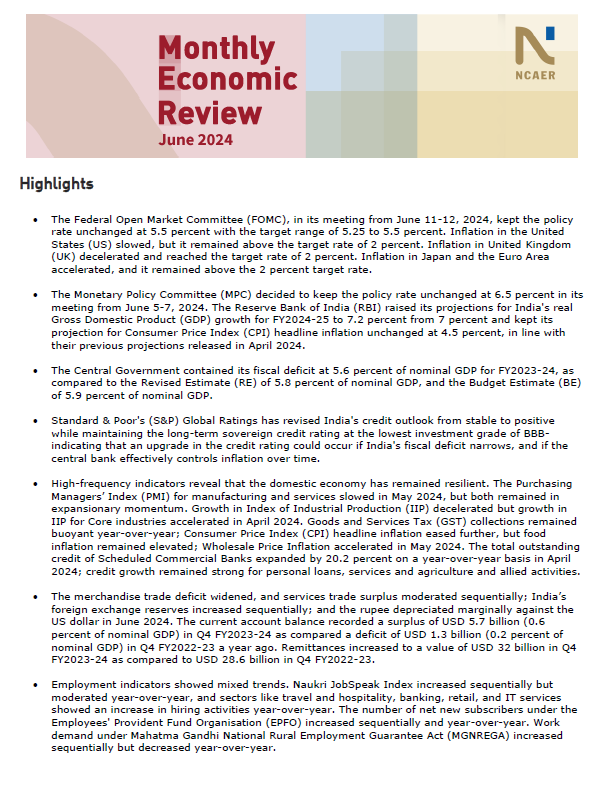
In the Review, we summarise the economic and policy developments in India; monitor global developments of relevance to India; and showcase the pulse of the economy through an analysis of high-frequency indicators and the heat map. MER June 2024 Press Release and Citations MER June 2024 Report Click here for previous issues.
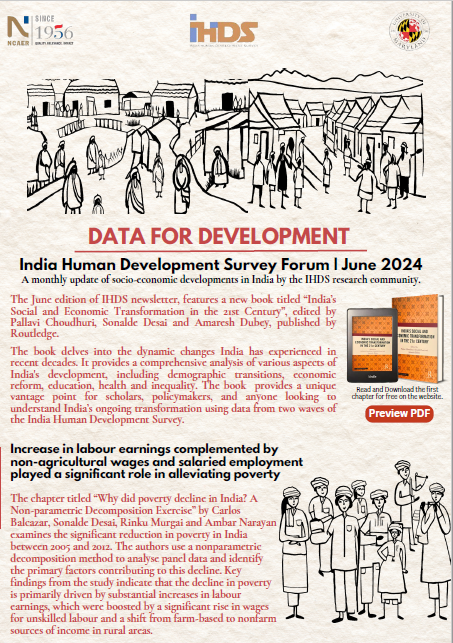
The IHDS Forum is a monthly update of socio-economic developments in India by the IHDS research community, based on the India Human Development Survey, jointly conducted by NCAER and the University of Maryland. While two earlier rounds of the survey were completed in 2004-05 and 2011-12, respectively. Fieldwork for the third round was undertaken in... Read More
Policies have sought to promote participation in financial markets, but investor ignorance and negligence as well as fraudulent activities are impediments to growth. India’s financial sector has grown exponentially over the past two decades. One major contributor to this is the rising participation of private investors in financial markets coupled with digitalisation. While the growth... Read More
The 2024 Lok Sabha elections present a mixed picture for female representation, with rising candidate numbers but a declining success rate. The 2019 Lok Sabha elections marked a significant milestone in Indian politics, with the highest ever female representation in Parliament. With 78 women elected, female participation stood at an impressive 14%. This achievement was followed by... Read More