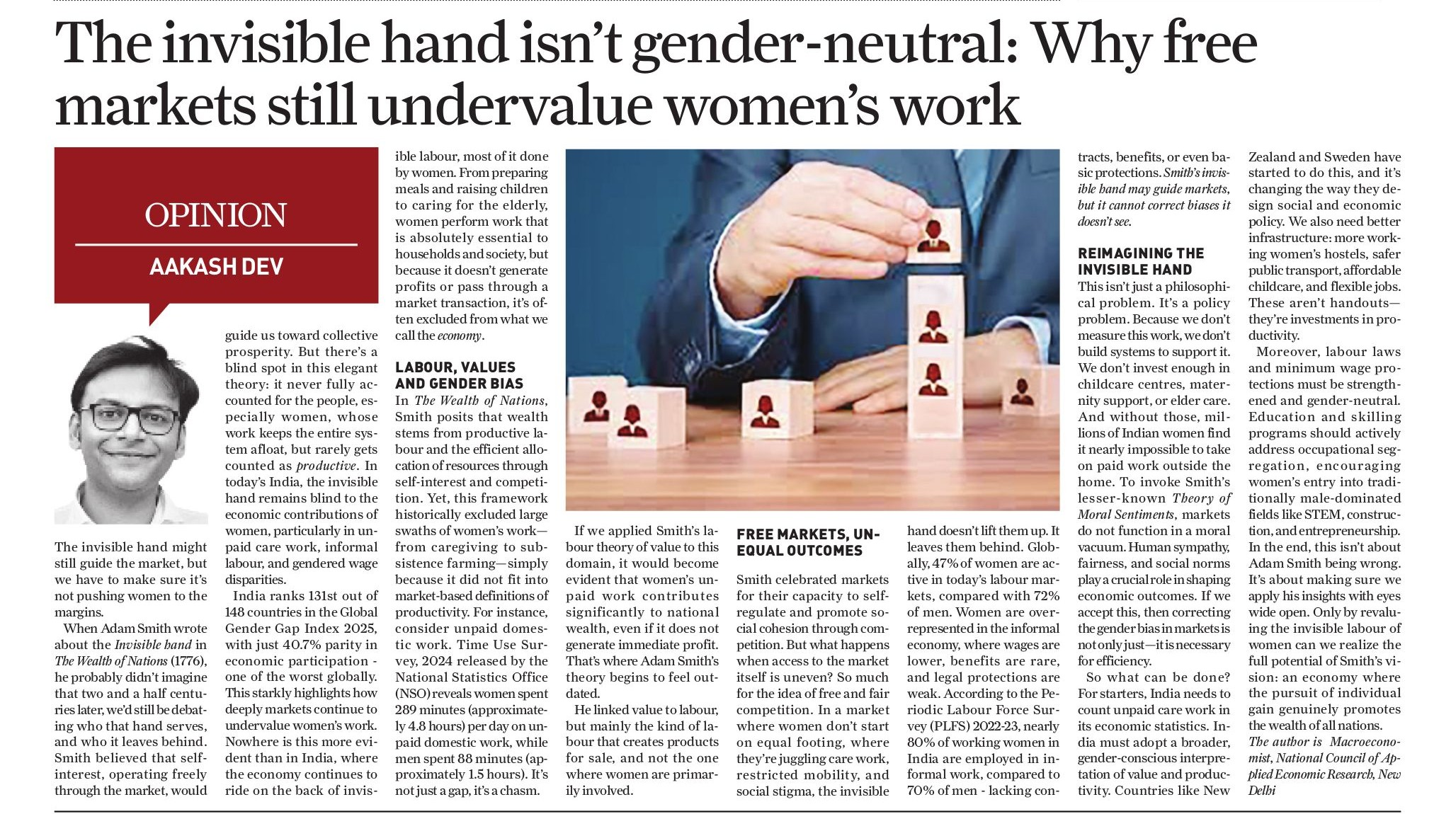


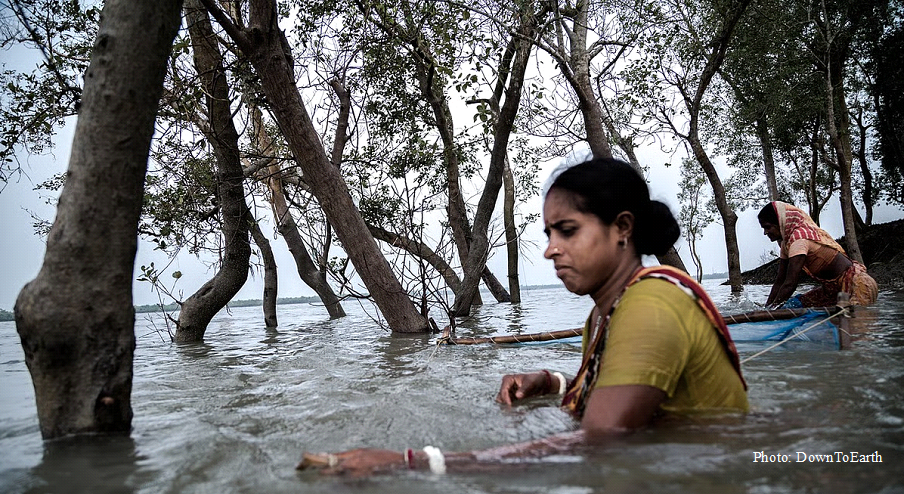
People in the delta need urgent investment in embankments, clean water, women’s healthcare, climate-resilient livelihoods, and targeted climate adaptation funding. Summary The Sundarbans, a vital mangrove delta, faces existential threats from rising sea levels and climate change. As men migrate for work, women like Amina endure harsh conditions to sustain their families. The region's cultural... Read More

The Prime Minister is pushing for GST reforms before Diwali, urging states to adopt the shared draft. Concerns persist regarding unpredictable tax rates and overlapping investigations, leading to numerous demand notices. The article suggests rationalizing rates, expanding the tax base, and adopting a nuanced approach to compliance, including preventing non-compliance and supporting taxpayers. Two days... Read More

Latest findings reveal commendable progress made by India, but gaps across gender, age, and income persist. In the dynamic landscape of a rapidly digitising India, recent data presents a compelling narrative of progress, shifting from the cautionary tale of a few years ago to an optimistic view of widespread adoption. The country’s strategic investments in... Read More

The Panchayati Raj Division of NITI Aayog convened a National Workshop on 24th July, 2025 to address a foundational challenge confronting India’s Rural Local Bodies (RLBs): how to enhance their Own Source Revenue (OSR). While constitutional provisions empower Panchayats to generate and manage local revenue, the ground reality reflects a disconcerting reliance on grants, limiting... Read More

The Indian health system is characterized by persistently high levels of out of pocket payment (OOP). Routinely collected national household survey data were unable to clarify two important concerns: 1. The extent to which higher levels of OOP are prevalent in India’s richer states is largely explained by epidemiological differences; 2. Characteristics of OOP across... Read More
The National Council of Applied Economic Research (NCAER), one of India’s premier economic policy research think tanks, carried out the 133th Round of its Business Expectations Survey (BES) in June 2025. NCAER has been carrying out the BES every quarter since 1992, covering 479 firms across four regions.
Download PDF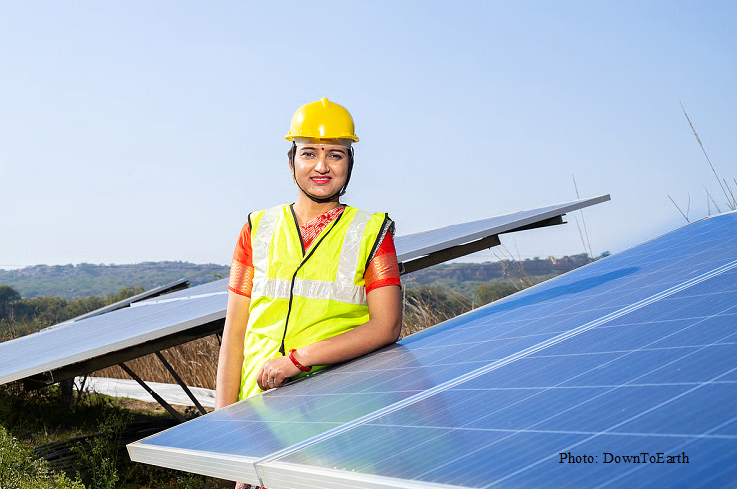
Efforts to increase female participation face challenges such as geographical barriers and perceptions about physical work. India’s solar and wind energy capacity is increasing year on year. According to data released by the Union Ministry of New and Renewable Energy, between 2022-23 and 2024-25, installed solar energy capacity recorded an average annual growth of 38 per... Read More
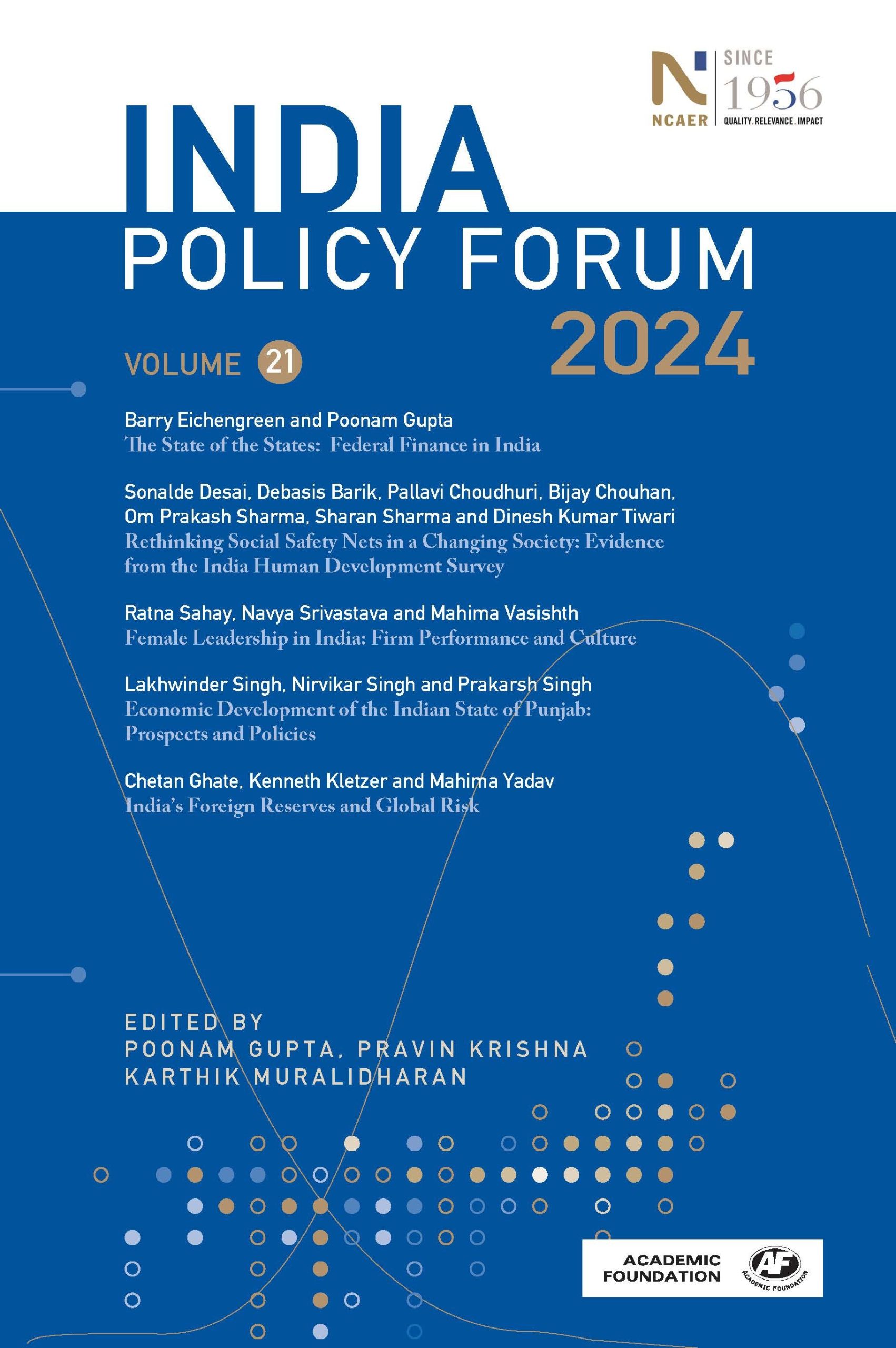
The 21st India Policy Forum (IPF) 2024 volume comprises papers and brief details of the proceedings of the IPF Conference held during July 2-3, 2024. In addition to the five papers presented at the IPF in 2024, the Conference included the TN Srinivasan Memorial Lecture, titled, ‘IMF Cracks in the System: How Geo-economic Fragmentation is... Read More
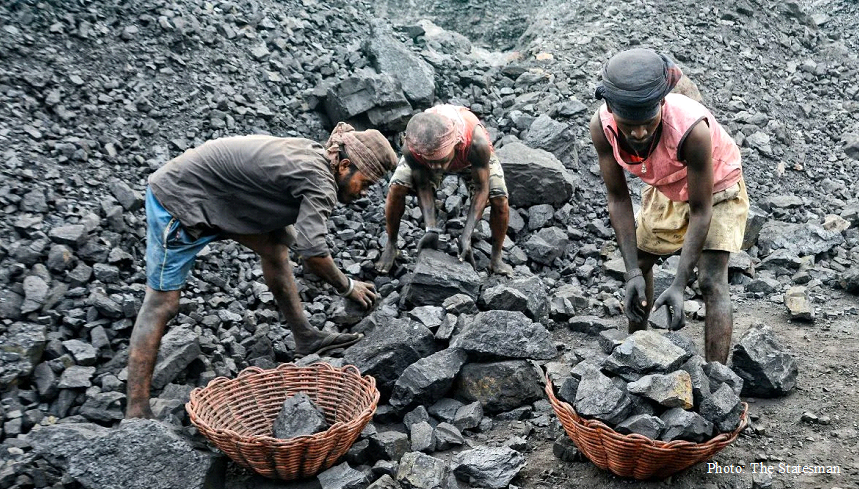
As India forges ahead with its renewable energy goals to combat climate change, the transition away from coal presents a complex economic challenge. As India forges ahead with its renewable energy goals to combat climate change, the transition away from coal presents a complex economic challenge. While the environmental urgency is clear, the macroeconomic consequences... Read More
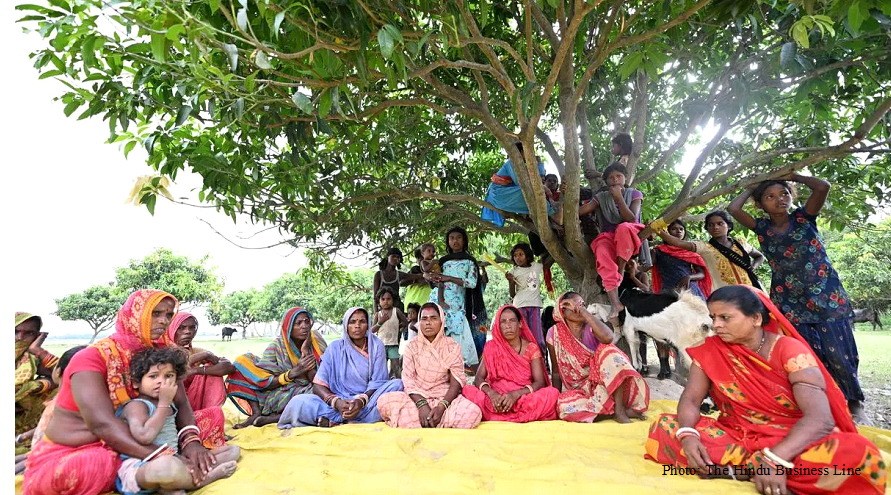
There are significant education gaps that need to be addressed. Support systems like creches and safe transport are vital. In 2016, Bihar made headlines by reserving 35 per cent of all government jobs for women. It was a bold move — an attempt to do more than just include women on paper. The policy extended... Read More

India has pledged to reach net zero emissions by 2070, and set an ambitious renewable energy (RE) target of 500 GW from non-fossil sources by 2030. At present, total RE-based electricity generation capacity in India is 220.10 GW (31 March 2025). To achieve its climate goals, it is essential for India to strengthen its RE... Read More