


Margin: The Journal of Applied Economic Research is a peer-reviewed bi-annual journal published jointly by NCAER & SAGE International. Volume 18, Issue 3-4, August–November 2024 includes the following papers- Editorial - Debasis Barik, Pallavi Choudhuri, Ruchi Jain and Sonalde Desai Weathering Changes: Livelihood Adaptation to Weather Shocks in Rural India by Disadvantaged Social Groups - Dhiman... Read More
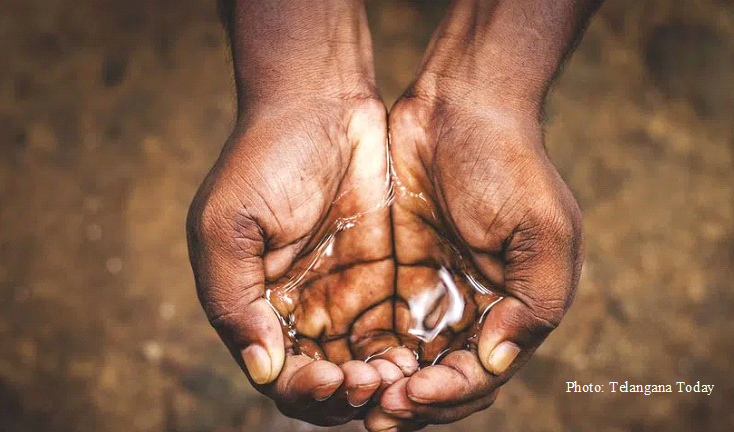
If India does not act now, the next decade could see a severe water crisis affecting not just agriculture and industry but also basic human survival. India is standing at the edge of a water crisis. While the government has allocated Rs 99,503 crore to the Ministry of Jal Shakti for 2025-26, the real concern... Read More
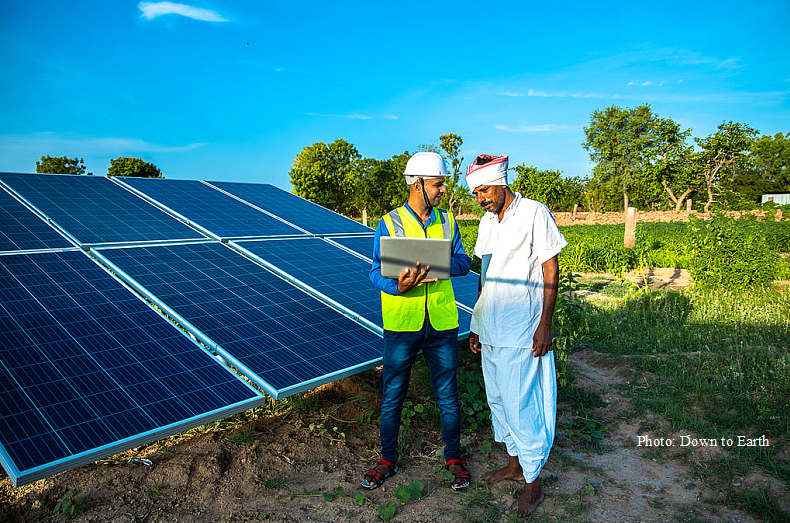
With targets to achieve 50 per cent of energy needs through renewable sources and 500 GW of renewable energy installed capacity by 2030, India is progressing to expand its renewable energy sector with a particular focus on solar and wind. According to the Union Ministry of New and Renewable Energy (MNRE) data, within this financial year, between... Read More

Will aid dependency now lead to debt dependency? Imagine being the finance minister of a country that has long relied on foreign aid to fund critical public services. You hear the news that your country’s most prominent donors have economic constraints and are shifting priorities. The budget you had meticulously planned, counting on aid inflows... Read More
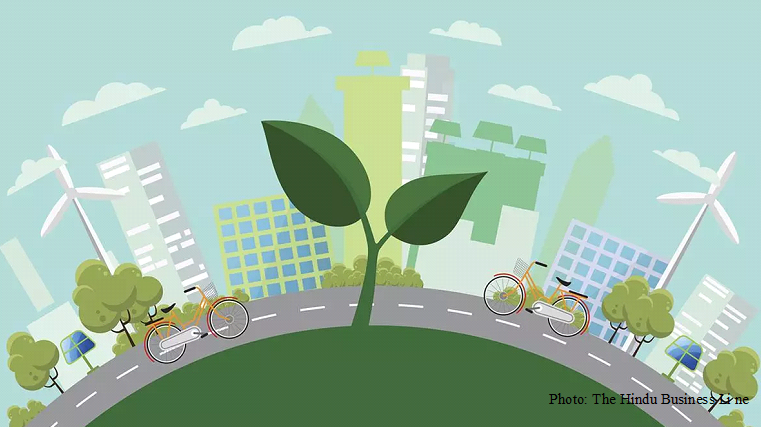
The Budget takes significant strides in advancing clean energy and emission reductions, reinforcing India’s commitment to a sustainable future. The year 2024 was the warmest on record globally since 1850, with India among the most vulnerable nations to climate change. Extreme heatwaves, rising sea levels, erratic monsoons, and worsening air pollution have become the new... Read More

Boosting female labour force participation rate is not just a matter of gender equality; it is an economic imperative. India’s quest for fast economic growth and social equity hinges on an obvious but underrated lever – its female workforce. Despite significant progress in educational attainment and health outcomes, the country lags in enabling women’s economic... Read More
India’s rapid economic ascent has positioned it as the world’s fifth-largest economy, with the International Monetary Fund (IMF) projecting it will reach third place by 2027. The Indian government’s ambitious goal of achieving developed-country status by 2047 requires an annual nominal GDP growth of around 10% in USD terms over the next 25 years—exceeding the... Read More
India’s rise as the world’s fifth-largest economy is a defining moment, but sustaining this momentum and ensuring long-term, sustainable growth demands a hard look at its financial system. Rapid economic expansion has stretched the system in multiple directions, exposing structural weaknesses, regulatory gaps, and emerging systemic risks. The IMF’s latest Article IV Consultation and Financial... Read More

After a steady rise for over two years, Indian markets have been in a correction phase since October 2024. Equity markets have declined by 14 percent; the exchange rate has depreciated by 4 percent; the reserves have declined by $65 billion (9 percent of the stock that existed); while FII investors have pulled out nearly... Read More
Among the many achievements of G20 under India’s leadership in 2023 was their specific commitment to promote women-led development. This commitment went beyond the general catchall of advancing “women’s economic empowerment”. It signalled an increasing recognition by world’s top leaders that promoting full, equal, effective, and meaningful participation of women in the economy as decision-makers... Read More
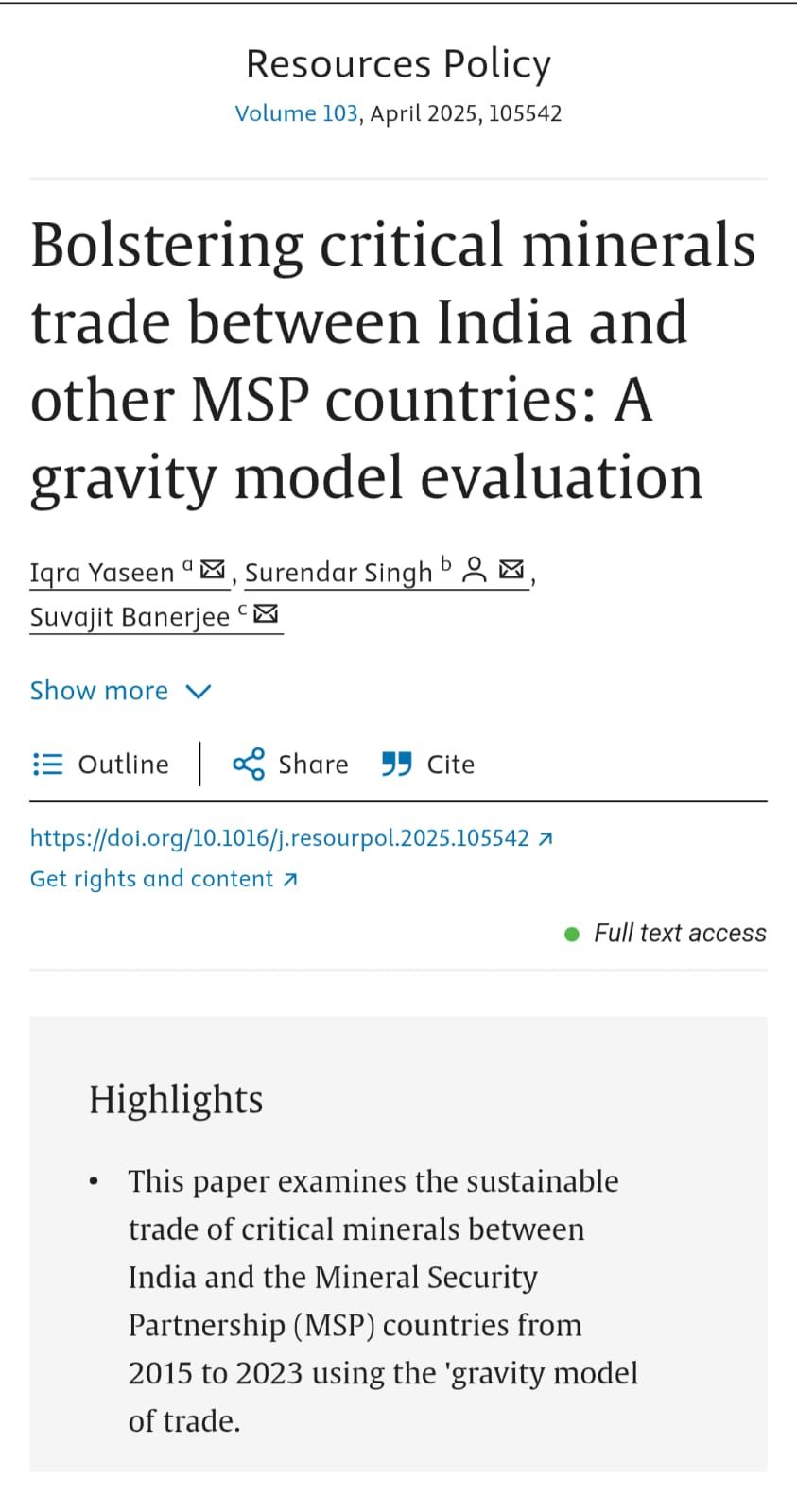
This study aims to evaluate the opportunities for a sustainable environment, an equitable economy, and a just society through the international trade of critical minerals. By employing a gravity model, it intricately analyzes the trade dynamics between India and 13 other members of the Mineral Securities Partnership (MSP). The study indicates a landscape rich with... Read More
India’s rapid urbanization, driven by rural-to-urban migration, has led to significant socio-economic challenges, with almost half of urban dwellers living in slums. Climate change, resource scarcity, and environmental degradation exacerbate these issues, putting pressure on cities’ infrastructure and health systems